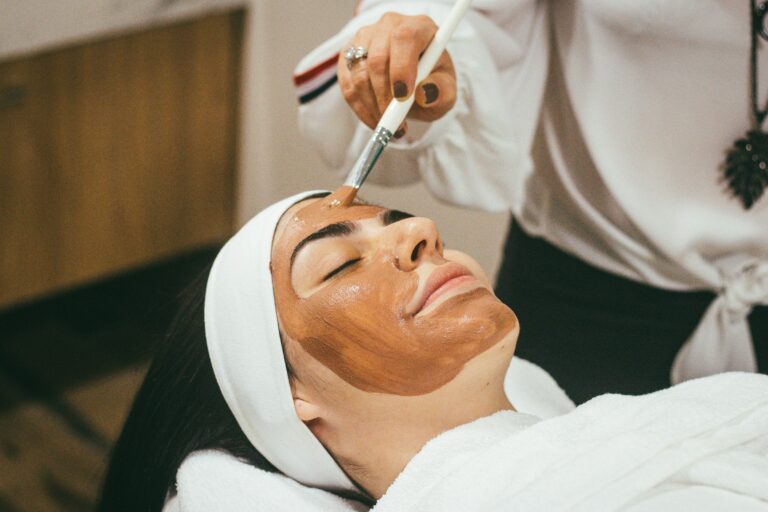
Collagen is the most abundant protein in the human body, making up roughly 30 percent of total protein mass. The best collagen supplements for skin aging work by supplying the amino acid building blocks your body uses to repair and produce collagen fibers in the dermis.
This category is not as simple as marketing makes it appear. Products vary widely in their source material, molecular weight, clinical backing, and added cofactors. Understanding the difference between hydrolyzed peptides and whole collagen, or between bovine and marine sources, will save you money and help you pick something that actually delivers.
What you are really buying is a specific combination of amino acids, primarily glycine, proline, and hydroxyproline. These amino acids signal fibroblasts in the skin’s dermal layer to produce more collagen. The efficiency of that signal depends heavily on how the collagen has been processed before it reaches you.
At a Glance: 3 Recommended Picks
- Best for Quality: Vital Proteins Collagen Peptides, a clean, grass-fed bovine product with strong absorption and NSF certification.
- Best for Tight Budgets: Sports Research Collagen Peptides, a third-party tested option that includes vitamin C at a lower price per serving.
- Best for a Skin-Focused Formula: Garden of Life Grass-Fed Collagen Beauty, which combines bovine and marine collagen with biotin and whole-food vitamin C.
Best Collagen Supplements for Skin Aging: In-Depth Reviews
1. Vital Proteins Collagen Peptides
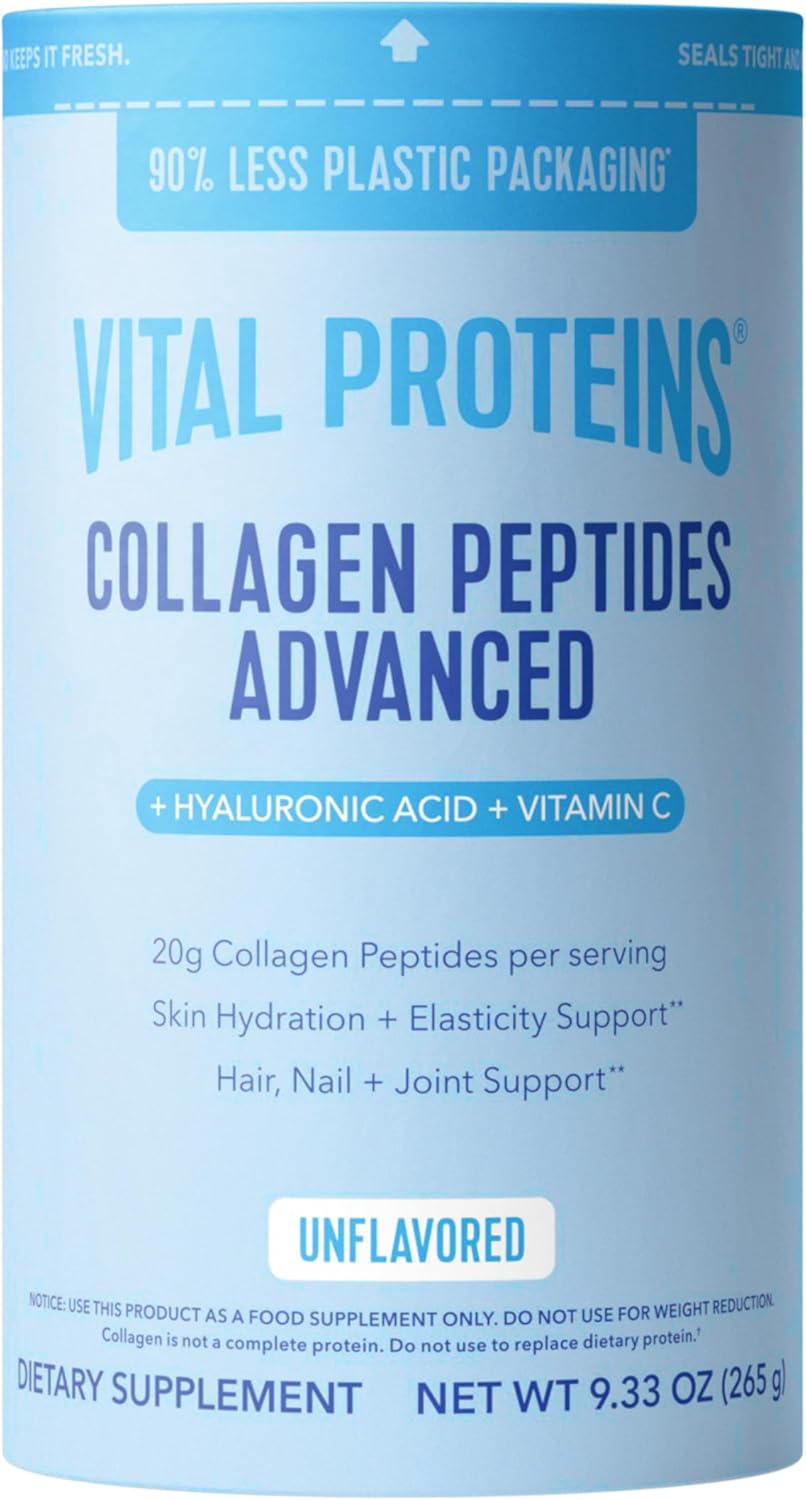
Vital Proteins is among the most recognized names in the collagen space, and their flagship Collagen Peptides product earns that recognition. It is sourced from grass-fed, pasture-raised bovine hides and undergoes enzymatic hydrolysis to produce low-molecular-weight peptides in the 3,000 to 5,000 Dalton range. Each serving provides 20 grams of collagen alongside naturally occurring glycosaminoglycans.
The hydrolysis process is the critical factor here. Intact collagen is a large protein that cannot be absorbed through the gut wall. Breaking it into short peptide chains makes it bioavailable enough to enter the bloodstream and eventually reach the skin’s dermal layer. This product does that reliably and consistently.
In practical use, the powder dissolves completely in hot or cold beverages without altering taste. Clinical studies on collagen peptide supplementation typically show improvements in skin hydration and elasticity over an 8 to 12 week period, and consistent user feedback aligns with that timeline.
This is best for someone who wants a clean, versatile supplement with minimal added ingredients and a verified sourcing standard.
Advantages
- Sourced from grass-fed, pasture-raised bovine
- Enzymatically hydrolyzed for high bioavailability
- 20 grams of collagen per serving
- Certified by NSF International
- Dissolves cleanly in hot and cold liquids
- Available in multiple sizes
- Unflavored and flavored options available
Drawbacks
- Higher price per serving than budget alternatives
- Not suitable for those avoiding bovine products
2. Sports Research Collagen Peptides
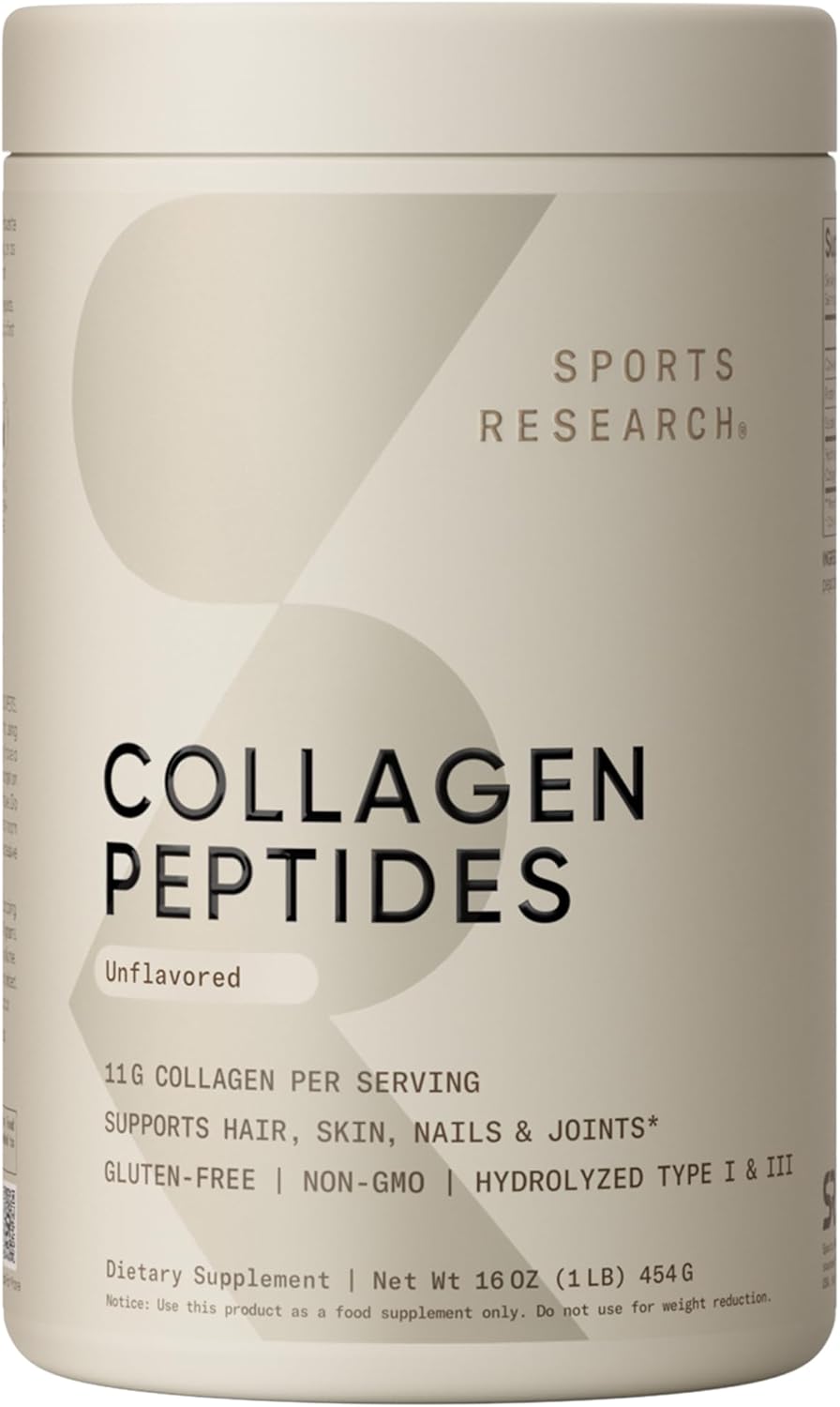
Sports Research offers a product that competes directly with premium options at a noticeably lower price. Their Collagen Peptides are sourced from pasture-raised bovine hide and hydrolyzed to a comparable molecular weight as top-tier competitors. The formula includes vitamin C as sodium ascorbate, a meaningful addition because vitamin C is a necessary cofactor in collagen synthesis.
The construction is focused: hydrolyzed type I and III collagen peptides with added vitamin C. Types I and III are the most clinically relevant for skin, as they form the structural and elastic framework of the dermis. Including vitamin C removes the need to coordinate separate supplementation.
The powder mixes cleanly, has a neutral flavor, and carries Informed Sport third-party testing certification. That last point matters more than it might seem, because the supplement industry has a documented history of label inaccuracy.
This is best for budget-conscious buyers who still want a properly hydrolyzed, independently tested product.
Advantages
- Lower price per serving than most premium brands
- Contains vitamin C to support collagen synthesis
- Third-party tested by Informed Sport
- Pasture-raised bovine source
- Type I and III collagen
- Mixes well in a variety of beverages
Drawbacks
- Serving size is 11 grams, smaller than some competitors
- Sodium ascorbate form of vitamin C may not suit all buyers
3. Ancient Nutrition Multi Collagen Protein
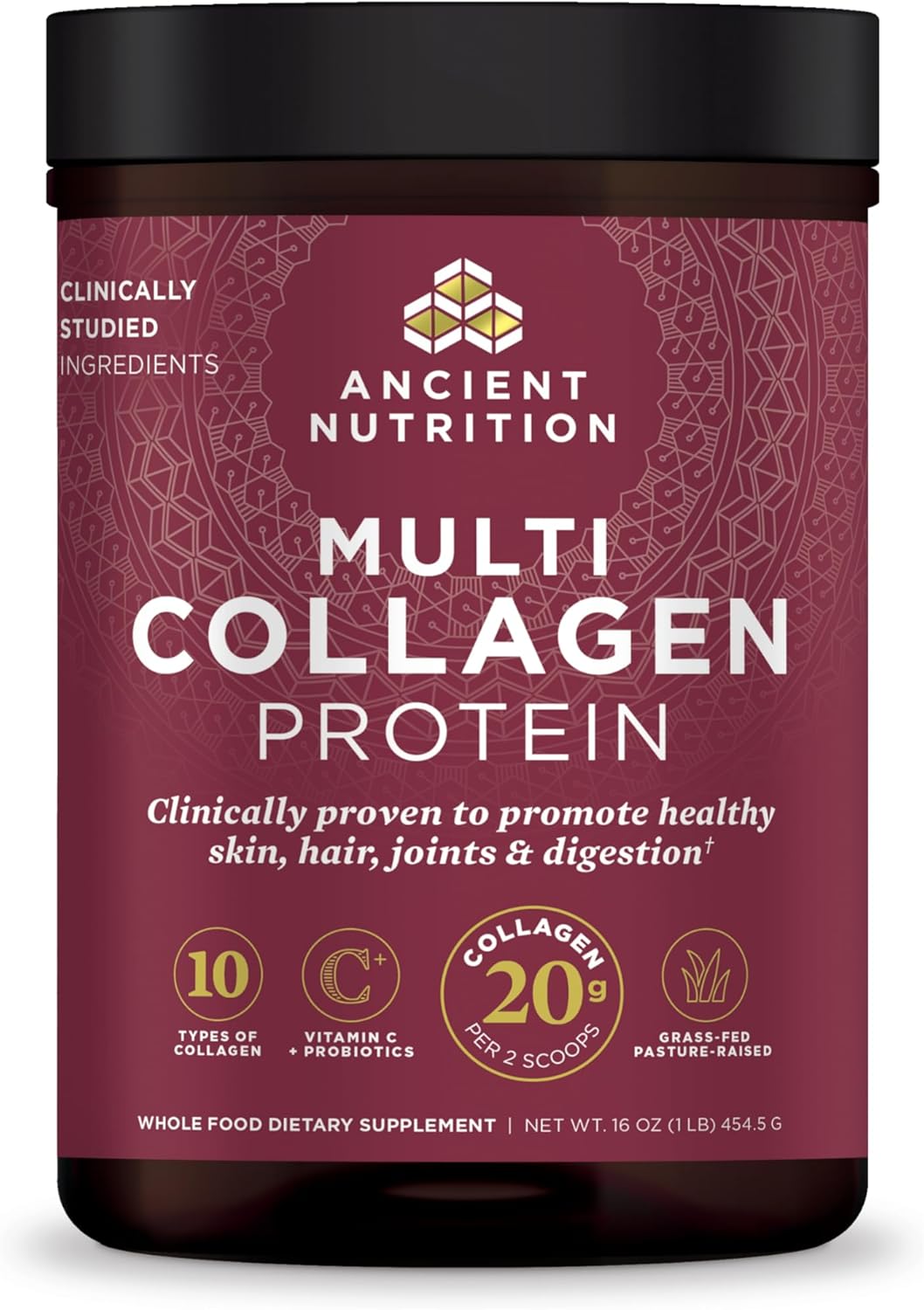
Ancient Nutrition’s Multi Collagen Protein combines collagen from four sources: bovine, chicken, fish, and eggshell membrane. This provides types I, II, III, V, and X in a single serving. The clinical evidence for multi-source blends is less established than for isolated peptide research, but the rationale is that different collagen types support different tissues simultaneously.
Type I from bovine and fish directly addresses skin firmness. Type III supports skin elasticity and is more abundant in younger skin. Type V, derived from eggshell membrane, plays a role in regulating the fiber diameter of type I collagen. Type II from chicken is more associated with cartilage than skin, making this a broader-spectrum product than a purely skin-focused formula.
Real-world performance for skin concerns is comparable to single-source peptide products. Some users find the flavor slightly more present than pure bovine formulas, though unflavored versions are available.
This is best for someone who wants broad coverage across skin, joints, and connective tissue in one product.
Advantages
- Five collagen types from four distinct sources
- Wild-caught fish and cage-free chicken included
- Grass-fed bovine component
- Certified gluten-free
- Available in multiple flavors
Drawbacks
- More expensive per serving than single-source options
- Multi-type benefit has less independent clinical support than type I and III alone
- Slightly detectable flavor in unflavored version
4. Garden of Life Grass-Fed Collagen Beauty
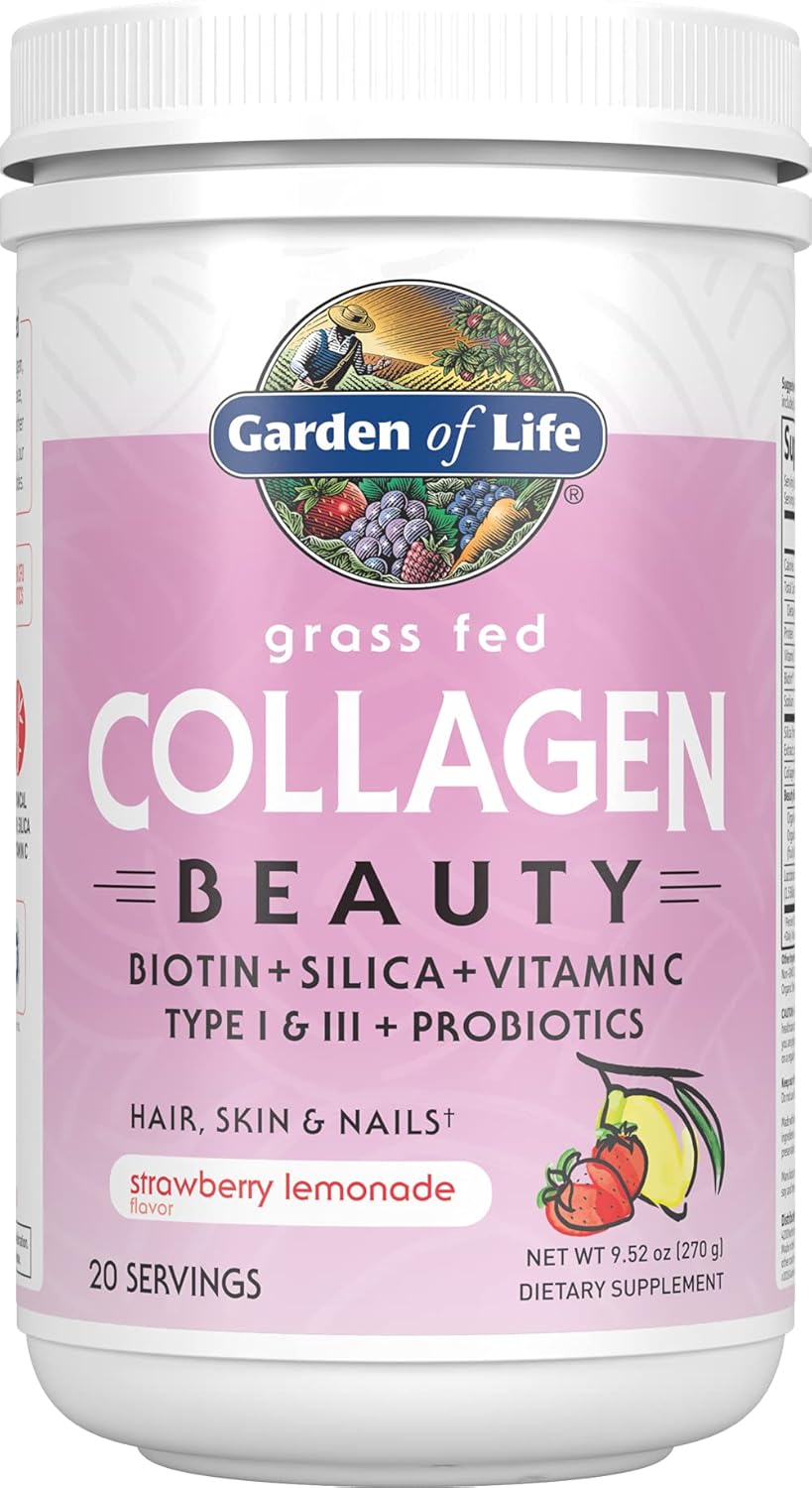
Garden of Life designed this product specifically for skin outcomes, and the ingredient list reflects that intent. It includes hydrolyzed bovine collagen peptides alongside 1.5 grams of marine collagen from fish, 120 milligrams of vitamin C from amla berry, 120 milligrams of biotin, and a probiotic blend. This is a formulated approach rather than a pure peptide powder.
Biotin supports keratin production, which affects skin structure alongside hair and nail strength. The amla berry vitamin C source is a whole-food form that provides additional antioxidant compounds beyond isolated ascorbic acid. The probiotic component addresses the gut-skin axis, a biologically plausible but still-emerging area of research.
This is a strong choice for someone in their 40s or 50s who wants a comprehensive skin supplement that covers multiple pathways in one serving.
Advantages
- Combines bovine and marine collagen
- Includes biotin and whole-food vitamin C
- Certified organic, non-GMO, and grass-fed
- Probiotic blend for gut-skin support
- Unflavored and dissolves easily
Drawbacks
- Lower total collagen dose per serving than pure peptide powders
- Pricier than single-ingredient options
- Not suitable for those with fish allergies
5. NeoCell Super Collagen
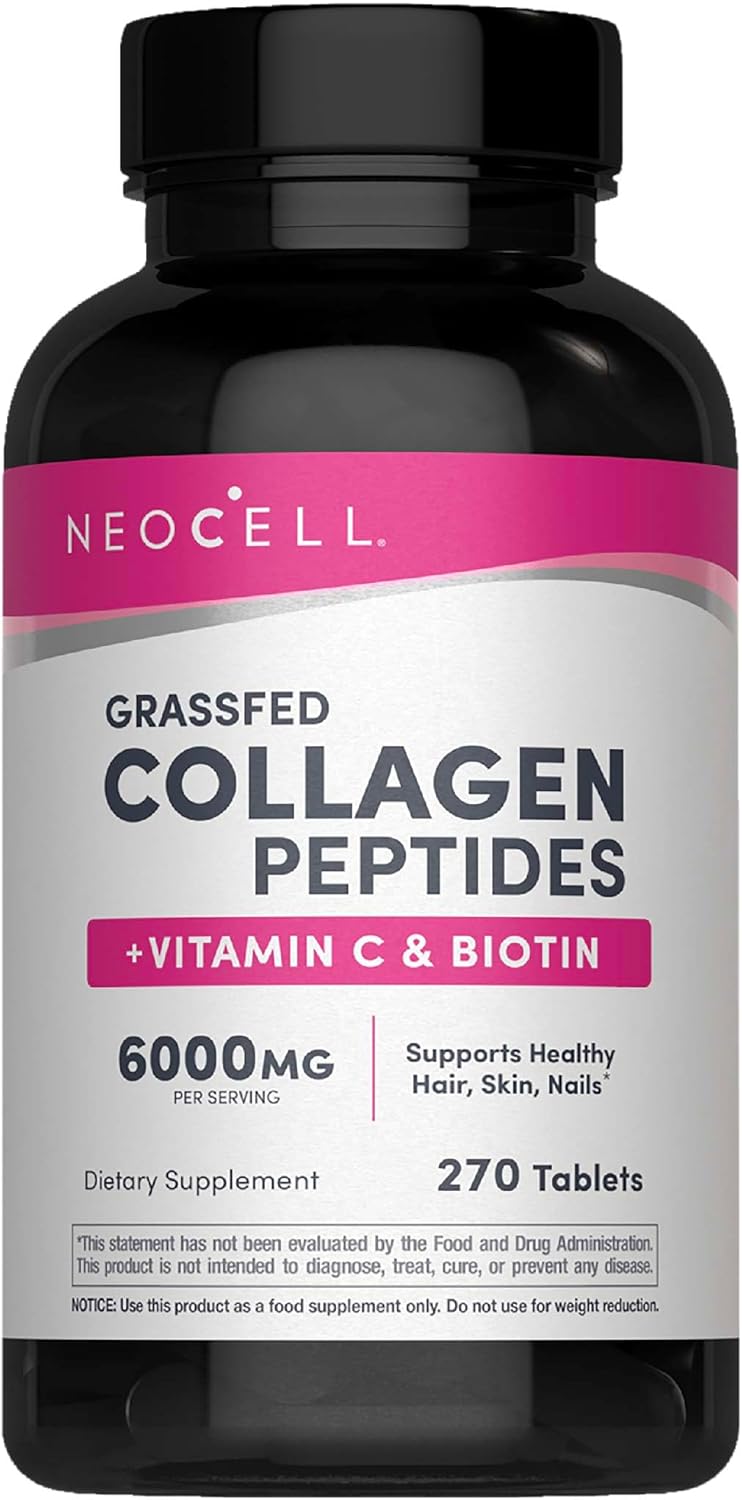
NeoCell is one of the longest-standing brands in collagen supplementation. Their Super Collagen uses hydrolyzed type I and III bovine collagen peptides processed to a low molecular weight, reportedly around 2,000 Daltons. This places it at the smaller end of the absorption-friendly range, which theoretically supports bioavailability.
The tablet format is a practical differentiator. Not everyone wants to add powder to beverages daily, and the tablet option suits those who prefer capsule-style supplementation. Each tablet contains a smaller dose of collagen than a full scoop of powder, so the serving requires multiple tablets, which is worth accounting for in daily routine.
The product has been on the market for well over a decade, which provides indirect evidence of production consistency. Internal studies show skin elasticity improvements, though independent replication is limited.
This is best for those who prefer tablet-format supplements or want a long-established brand with a focused, simple formula.
Advantages
- Low molecular weight peptides for absorption
- Available in tablet and powder formats
- Long track record in the market
- Type I and III collagen for skin
- Vitamin C version available
Drawbacks
- Tablet format requires taking several tablets per dose
- Internal studies have limited independent verification
- Fewer added nutrients than formulated competitors
6. Reserveage Nutrition Collagen Booster
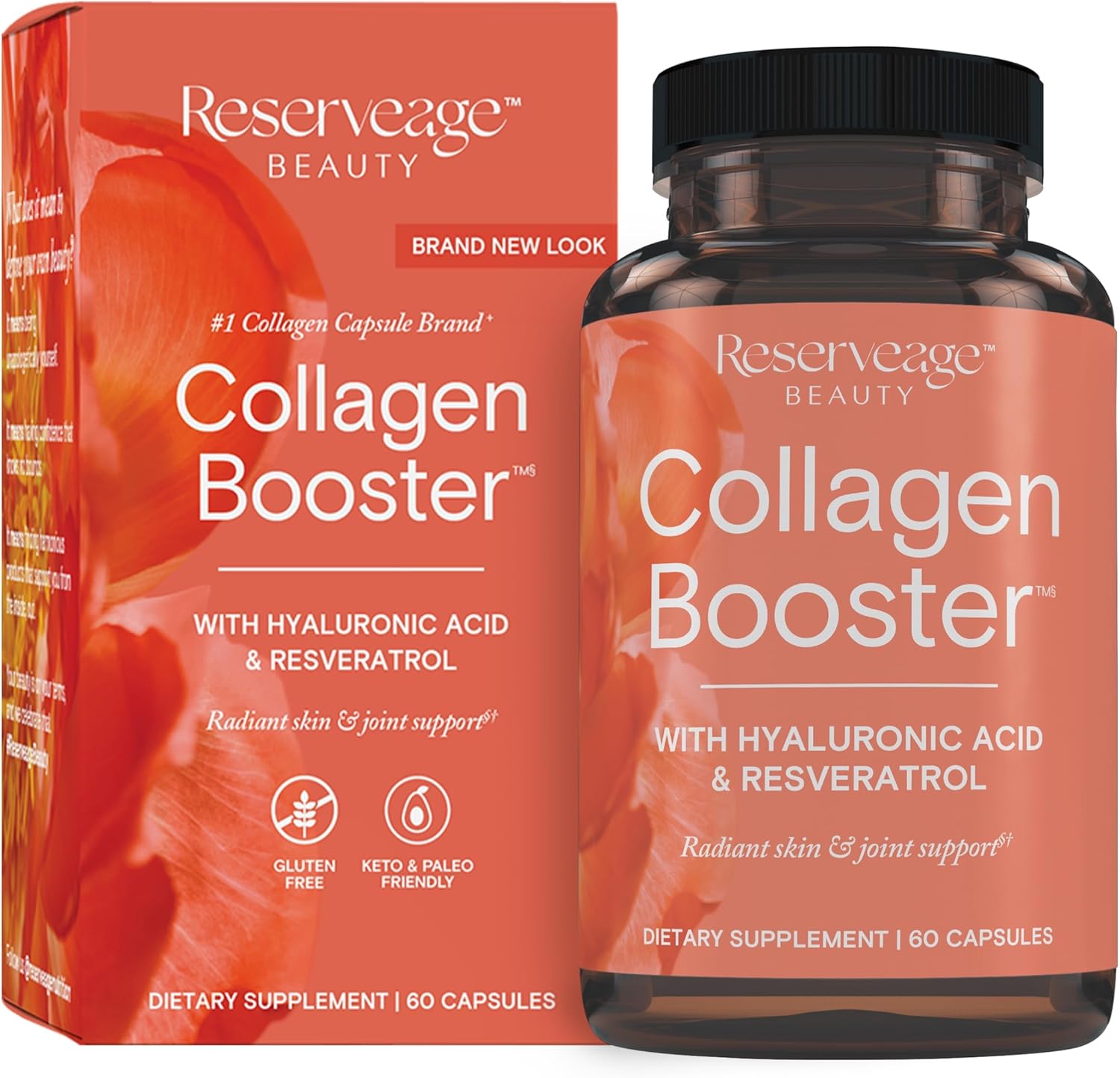
Reserveage combines hydrolyzed collagen peptides with resveratrol and hyaluronic acid. Resveratrol is a polyphenol derived from grape skins and has been studied for antioxidant and anti-aging activity. The combination addresses two distinct mechanisms of skin aging: structural collagen loss and oxidative damage. This is a more targeted approach than simple peptide supplementation.
The hyaluronic acid component supports skin hydration through a different mechanism than collagen, by drawing and retaining water in the extracellular matrix. The collagen source is bovine, properly hydrolyzed. The capsule format is convenient, though it limits dose flexibility compared to powders.
This is best for those who want a skin-aging specific supplement that targets both structural and oxidative aspects in one product.
Advantages
- Includes resveratrol for antioxidant support
- Contains hyaluronic acid for hydration
- Hydrolyzed bovine collagen peptides
- Convenient capsule format
- Targeted skin-aging formulation
Drawbacks
- Capsule format limits dose flexibility
- Resveratrol dose may be below clinically studied amounts
- Higher price per serving
7. Orgain Collagen Peptides
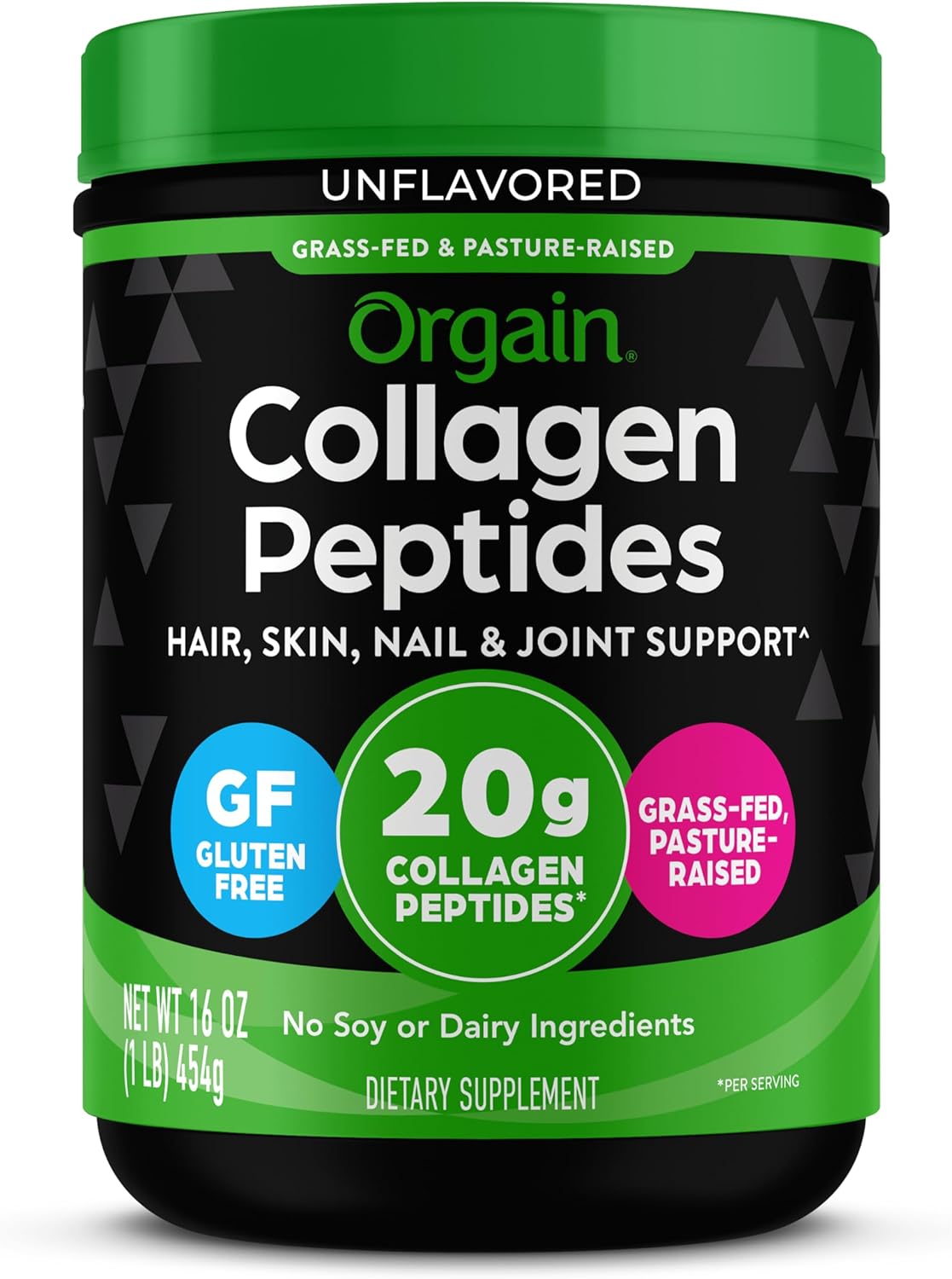
Orgain, primarily known for clean protein products, offers a collagen peptide powder that covers the essentials without excess. The product provides 20 grams of hydrolyzed type I and III bovine collagen from grass-fed sources per serving. It is unflavored, non-GMO, and gluten-free. Accessibility is a real feature: it is available in grocery stores, pharmacies, and health food shops rather than requiring online ordering.
For a first-time collagen buyer or someone who wants a straightforward product without spending on added cofactors, this is a sensible starting point. It lacks the vitamin C, biotin, or specialty extracts of more formulated options, but those can be managed separately.
Performance is solid and predictable. It dissolves well and offers a clean entry point into consistent collagen supplementation.
This is best for first-time buyers or those who prefer to keep their supplement stack simple.
Advantages
- 20 grams collagen per serving
- Widely available in physical retail
- Grass-fed bovine source
- Non-GMO and gluten-free
- Unflavored and versatile
Drawbacks
- No added vitamin C, biotin, or cofactors
- Fewer differentiating features than premium options
- Third-party testing certification less prominent
Understanding What Makes a Great Collagen Supplement
1. Hydrolysis and Molecular Weight
Intact collagen cannot be absorbed through the gut wall. Enzymatic hydrolysis breaks it into short peptide chains, typically between 1,000 and 5,000 Daltons, that can enter the bloodstream. Always look for the term “hydrolyzed collagen peptides” rather than just “collagen protein.” Brands that specify molecular weight are being more transparent about a genuinely important detail.
2. Collagen Type
Types I and III are the most studied for skin. Type I forms the dense fibrous structure of the dermis and is directly responsible for skin firmness. Type III is associated with elasticity and is more abundant in younger skin. Type II is primarily a joint-support collagen and is less relevant if your primary goal is addressing skin aging.
3. Source and Sourcing Standards
Collagen comes from animal connective tissue, and source quality matters. Grass-fed, pasture-raised bovine is the preferred standard for bovine collagen. Wild-caught fish is preferred for marine collagen. Sourcing standards affect both amino acid profile and the likelihood of contaminant exposure.
4. Third-Party Testing
The supplement industry operates with limited regulatory oversight in most markets. Certifications from NSF International, Informed Sport, or USP (United States Pharmacopeia) verify that the product contains what the label states and is free from common contaminants. This is especially important in collagen, where some products have been found to contain less collagen than advertised.
5. Added Cofactors
Vitamin C is required for collagen synthesis as a cofactor. Taking collagen peptides without adequate vitamin C limits how much your body can use the amino acids you are supplying. Products that include vitamin C, hyaluronic acid, or biotin offer a more complete approach, though those additions come with a higher price.
6. Consistency Over Time
This is not a factor on the label, but it may be the most important variable. Clinical trials show improvements over 8 to 12 weeks of daily use. Starting a collagen supplement and stopping after two or three weeks because you see no change is not a fair test. Set a 90-day commitment before evaluating results.
Collagen Types Explained: What I, II, III, and Actually Do
Type I collagen is the dominant structural protein in the dermis, constituting roughly 90 percent of dermal collagen. It forms tightly bundled fibers that give skin tensile strength and resistance to sagging. Loss of type I is the primary structural cause of visible wrinkles and skin laxity.
Type III collagen is typically found alongside type I and is more abundant in the skin of younger people. As we age, the type I to type III ratio shifts unfavorably, contributing to reduced skin elasticity. Supplementing with a product rich in type III, often from bovine sources, may help slow this shift.
Type II collagen is predominantly located in articular cartilage. It is useful for joint support but has minimal direct impact on skin structure. Multi-collagen products include it for broader tissue coverage, which is appropriate if joint health is also a concern.
Type V collagen is found in smaller quantities in skin tissue and plays a regulatory role in controlling the diameter of type I collagen fibers. It is most commonly provided in supplements via eggshell membrane and is included in multi-source blends.
For skin aging specifically, a product focused on types I and III from a quality bovine or marine source is the most evidence-aligned choice available today.
How to Get More From Your Collagen Supplement
Collagen supplementation works best as part of a broader skin-health practice. Taking the supplement alone is useful. Taking it alongside a few supporting habits is considerably more effective.
Vitamin C intake is the most important cofactor you can control. If your supplement does not include it, take your collagen alongside a vitamin C-rich food or a separate supplement. Even a single orange provides enough vitamin C to meaningfully support synthesis.
Daily sun protection matters as much as supplementation. Ultraviolet radiation is one of the primary accelerators of collagen degradation in the dermis, and an SPF (sun protection factor) 30 or higher broad-spectrum sunscreen worn daily will preserve collagen faster than any supplement can rebuild it.
Sleep quality also drives collagen repair. Growth hormone, which peaks during deep sleep, plays a direct role in collagen synthesis. Chronic poor sleep creates a repair deficit no supplement can offset.
Key supporting practices include:
- Taking collagen at the same time each day for consistency
- Pairing it with vitamin C from food or supplements
- Applying broad-spectrum SPF 30 daily
- Prioritizing 7 to 9 hours of quality sleep
- Reducing added sugar intake, as glycation breaks down existing collagen
- Avoiding smoking, which directly inhibits collagen production and oxygenation of skin tissue
Frequently Asked Questions
1. How long does it take for collagen supplements to show results for skin?
Most clinical studies measuring skin outcomes run for 8 to 12 weeks. You may notice improvements in hydration more quickly, often within 4 to 6 weeks, while changes in fine lines and firmness typically require the full 8 to 12 week window. Consistent daily use is the most important variable.
2. Is marine collagen better than bovine for skin?
Marine collagen is primarily type I and is associated with smaller peptide sizes and potentially higher bioavailability. Bovine collagen provides both types I and III, offering broader skin structural support. Neither is definitively superior for skin aging; both are well-studied and effective with daily use.
3. Can vegetarians take collagen supplements?
All commercial collagen is derived from animal sources, as collagen does not exist in plants. Vegan collagen boosters containing vitamin C, zinc, and amino acid precursors exist, but these support the body’s own collagen production rather than providing collagen directly. They are a different category of product.
4. Should I take collagen on an empty stomach?
There is no strong clinical evidence that taking collagen on an empty stomach versus with food significantly affects absorption. Some practitioners recommend morning or post-exercise timing, but the research suggests that consistency in taking it at all matters more than precise timing.
5. Can you take too much collagen?
Collagen peptides are generally very well tolerated. Studies using doses above 30 grams per day have not shown significant adverse effects. Some people experience mild digestive discomfort at high doses. The amino acid composition does not create toxicity risk at normal supplementation levels.
6. Do collagen supplements actually work for skin?
Several randomized controlled trials have demonstrated statistically significant improvements in skin hydration, elasticity, and wrinkle depth over 8 to 12 weeks of collagen peptide supplementation. The evidence is not conclusive at the level of pharmaceutical standards, but it is more robust than what exists for many other beauty-focused supplements.
7. What is the difference between collagen peptides and gelatin?
Both come from hydrolyzed collagen. Gelatin is partially hydrolyzed and gels when dissolved in water. Collagen peptides are more fully broken down into shorter chains that dissolve without gelling. Peptides absorb more efficiently and are more practical for supplementation in beverages.
8. Are there collagen supplements that have been third-party tested?
Yes. Vital Proteins NSF-certified products, Sports Research Informed Sport-tested products, and NeoCell’s Informed Ingredient-verified options all carry external quality certification. Looking for a third-party seal is the most reliable shortcut for assessing product quality and label accuracy.
Wrapping It Up
Collagen supplementation for skin aging is supported by a genuine and growing body of clinical evidence, especially when using hydrolyzed type I and III peptides from quality sources. The category has matured, and products that cut corners are increasingly easy to identify once you understand what to look for.
For most people, Vital Proteins Collagen Peptides represents the best balance of sourcing quality, absorption profile, and third-party credibility. Those watching their budget will find that Sports Research Collagen Peptides delivers comparable collagen quality with added vitamin C at a lower cost. Whatever you choose, 8 to 12 weeks of daily use is the honest minimum before drawing conclusions.