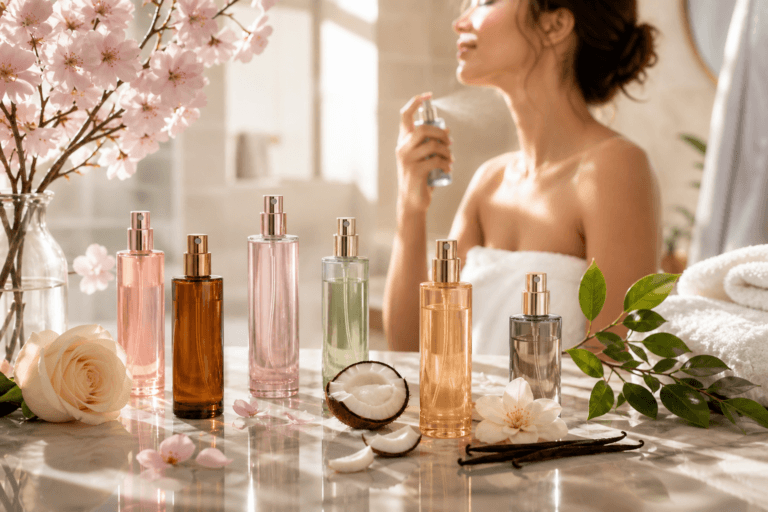
You have heard about peptides but you are not entirely sure what they do or why they matter. You just know your fine lines are getting more noticeable and you want something that actually works. The best peptide serums for fine lines signal your skin to produce more collagen, relax expression lines, and improve overall skin texture without the irritation that comes with retinol or high-concentration acids.
This guide gives you six ranked, honest reviews, a buying checklist, common mistakes to avoid, and fast answers to the questions most people search before buying.
Top 3 Fast Picks
- Best All-Round: Paula’s Choice Peptide Booster
- Best on a Budget: The Ordinary “Buffet” Multi-Technology Peptide Serum
- Best Splurge: SkinMedica TNS Advanced+ Serum
Best Peptide Serums for Fine Lines: Reviewed and Ranked
1. Paula’s Choice Peptide Booster
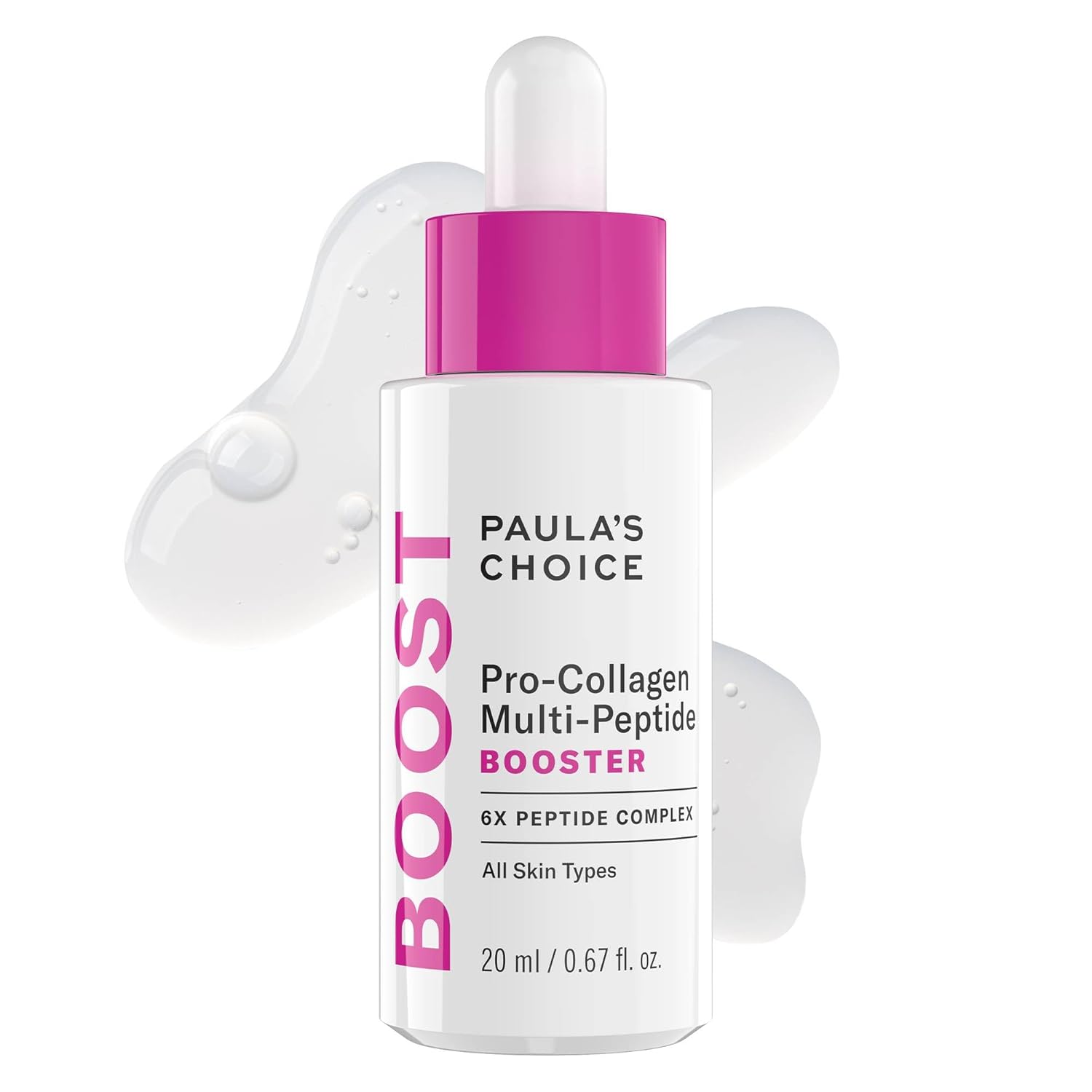
The concentrated, fragrance-free formula with multiple peptide classes makes this the most versatile peptide product on this list, because you can mix it into any existing product or use it alone as a targeted serum.
Paula’s Choice Peptide Booster contains multiple peptide types, including signal peptides, carrier peptides, and neurotransmitter-affecting peptides, all in a silky, skin-identical formula. It also includes antioxidants to protect the skin while the peptides work on collagen stimulation and fine line reduction.
Because it is a booster, you can add a few drops into your moisturizer to bring peptide benefits to any step in your existing routine. That flexibility makes it one of the most practical options on the market.
Quick Facts:
- Key ingredients: Matrixyl 3000, acetyl hexapeptide-8, palmitoyl tripeptide-38, antioxidants
- Size: 0.67 fl oz
- Texture: Silky, lightweight serum
- Best for: All skin types, routine customization, fragrance-sensitive users
Pros
- Multiple peptide classes targeting different fine line causes
- Fragrance-free and safe for sensitive skin
- Can be mixed into moisturizer or used as a standalone serum
- Backed by Paula’s Choice research and formulation team
- Addresses both expression lines and overall skin firmness
Cons
- Smaller bottle for the price
- Results are gradual and require patience over weeks
2. The Ordinary “Buffet” Multi-Technology Peptide Serum
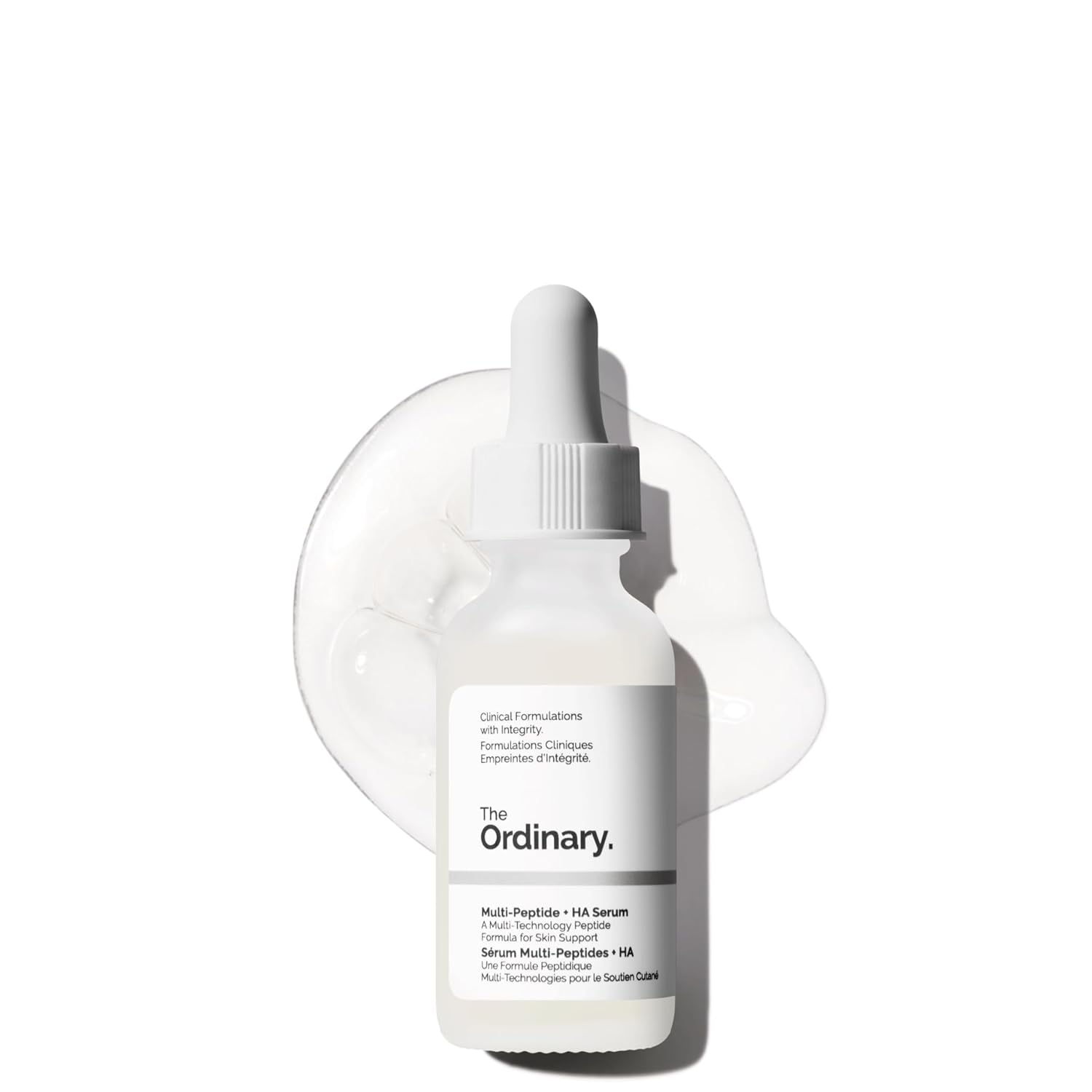
“Buffet” lives up to its name by combining over 11 active peptide technologies in one affordable serum, making it the densest peptide formula available at its price point anywhere.
The Ordinary’s flagship peptide serum uses Matrixyl 3000, Matrixyl synthe’6, leuphasyl, argireline solution, and multiple other peptide complexes alongside hyaluronic acid crosspolymer. It also includes amino acids and a probiotic complex for additional skin support.
The formula is water-thin, fragrance-free, and works on virtually every fine line concern you can name. At this price, there is almost no reason not to try it.
Quick Facts:
- Key ingredients: Matrixyl 3000, Matrixyl synthe’6, argireline, 11+ peptide technologies
- Size: 1 fl oz
- Texture: Water-thin serum
- Best for: Budget shoppers, peptide first-timers, most skin types
Pros
- Extraordinary value for the number and variety of active ingredients
- Multiple clinically studied peptide technologies in one formula
- Fragrance-free and suitable for sensitive skin
- Layers under any moisturizer or SPF without residue
- Widely available and easy to repurchase
Cons
- Water-thin texture feels less luxurious than premium options
- Some users find the formula slightly tacky until it fully sets
- Results are slow without a strong complementary skincare routine
3. SkinMedica TNS Advanced+ Serum
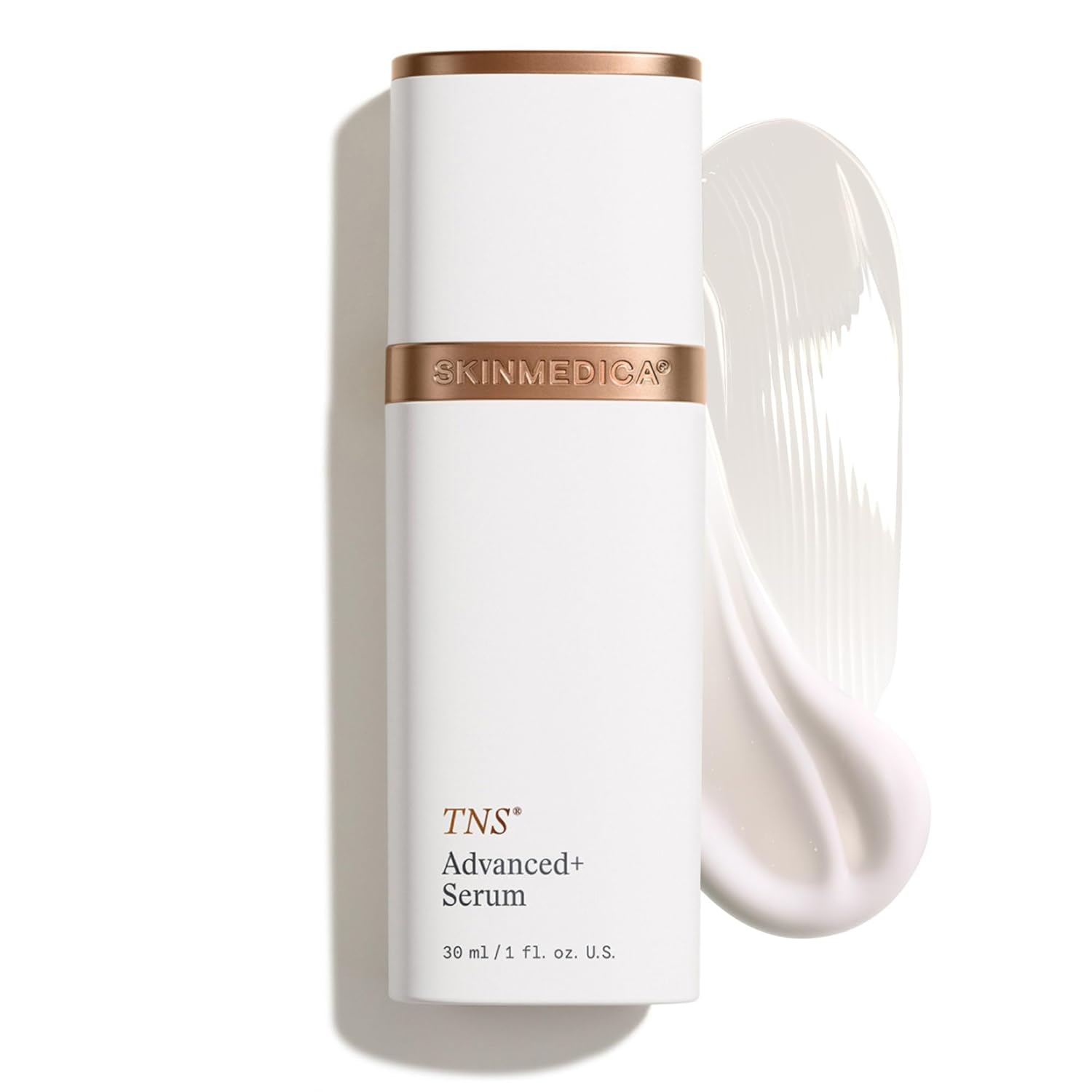
The dual-chamber design separates growth factors from peptides until the moment of application, ensuring maximum stability and potency for every ingredient in the formula.
SkinMedica’s TNS Advanced+ is a professional-grade serum combining 65+ growth factors, cytokines, soluble collagen, and a comprehensive anti-aging peptide complex. The two chambers press together just before application, keeping the formula fresh and active at every use.
It is the serum plastic surgeons and dermatologists recommend post-procedure to support skin recovery and long-term rejuvenation. For everyday anti-aging, it delivers visible improvements in fine lines, skin tone, and overall texture.
Quick Facts:
- Key ingredients: 65+ growth factors, peptides, cytokines, soluble collagen
- Size: 1 fl oz
- Format: Dual-chamber pump
- Best for: Mature skin, post-procedure recovery, serious anti-aging investment
Pros
- Professional dermatologist-recommended formula
- Growth factors plus peptides for comprehensive skin renewal
- Dual-chamber keeps ingredients stable and effective
- Addresses texture, tone, and firmness simultaneously
- Visible results for mature, established fine line concerns
Cons
- Very expensive relative to other options
- Dual-chamber pump takes getting used to
- Not necessary for mild or early fine line concerns
- Rich formula may not suit oily skin in warm climates
4. Peter Thomas Roth Peptide 21 Wrinkle Resist Moisturizer
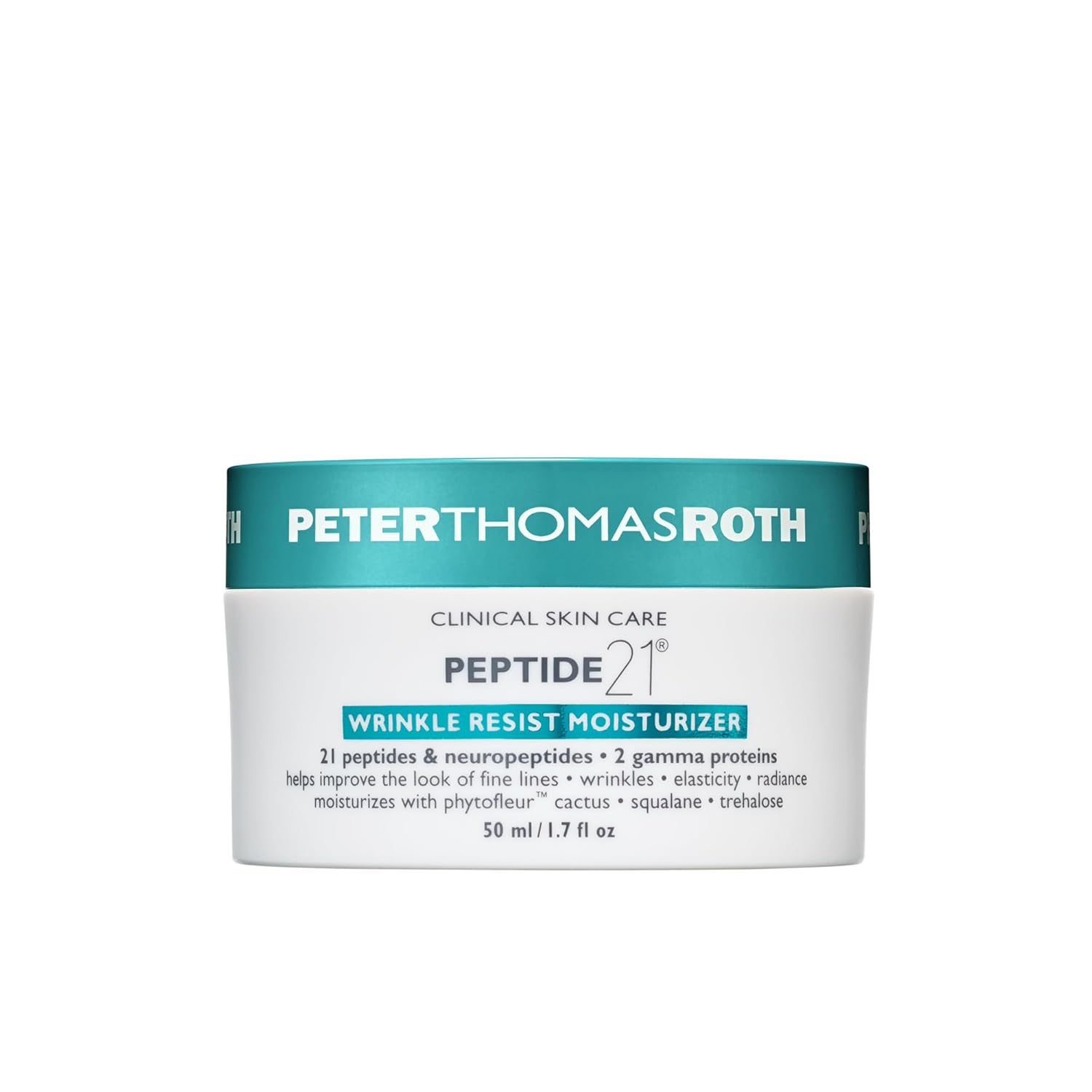
This formula combines 21 distinct peptides with deeply hydrating ingredients, making it a serious anti-aging treatment that also works as your final moisturizing step.
Peter Thomas Roth’s Peptide 21 line uses a complex that includes signal peptides, carrier peptides, and expression-line relaxing peptides to target fine lines from multiple angles simultaneously. The rich cream texture makes it a natural final step in your routine.
It is a great pick if you want to consolidate your peptide treatment and moisturizer into one product without sacrificing anti-aging efficacy.
Quick Facts:
- Key ingredients: 21-peptide complex, ceramides, hyaluronic acid
- Size: 1.7 oz
- Texture: Rich cream
- Best for: Dry to normal skin, simplified anti-aging routines
Pros
- 21 different peptide types addressing multiple fine line causes
- Doubles as a moisturizer and anti-aging treatment in one step
- Simplifies a multi-step routine
- Rich, deeply comfortable texture for dry skin
Cons
- Too heavy for oily or acne-prone skin
- Higher price point
- More moisturizer than serum in terms of penetration depth
- Some users prefer a dedicated serum for better active ingredient delivery
5. Olay Regenerist Micro-Sculpting Serum
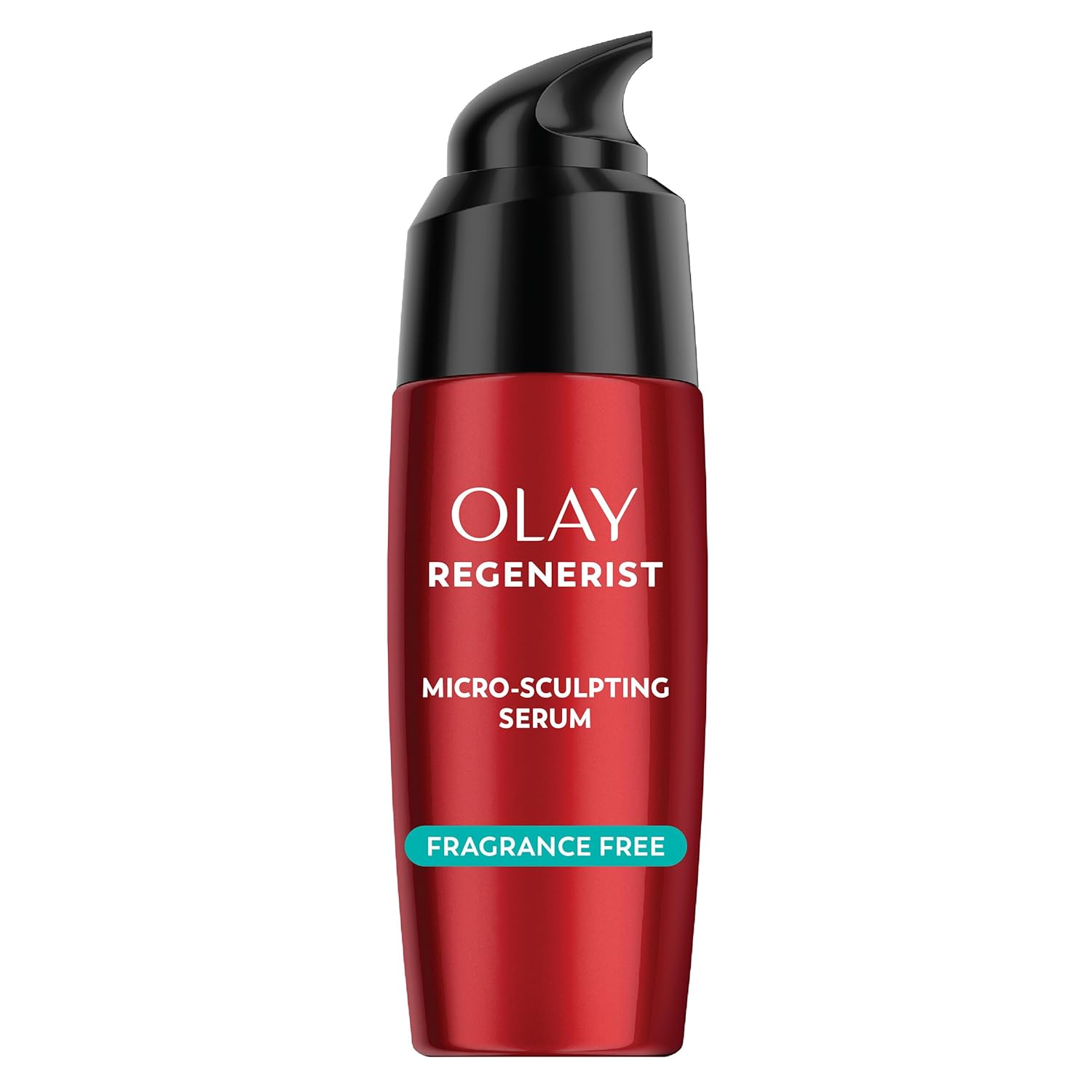
The amino-peptide complex in Olay’s Regenerist Serum has more than two decades of testing behind it, making it one of the most research-supported drugstore serums on the market today.
Olay Regenerist uses an amino-peptide complex alongside niacinamide, vitamin B3, and hyaluronic acid to boost surface cell turnover, improve firmness, and plump fine lines. The lightweight gel-serum texture works comfortably under makeup every morning.
The formula is not as peptide-dense as premium options, but the combination of actives still delivers real improvement for everyday fine line concerns at a fraction of the premium price.
Quick Facts:
- Key ingredients: Amino-peptide complex, niacinamide, hyaluronic acid
- Size: 1.3 fl oz
- Texture: Lightweight gel-serum
- Best for: Everyday fine line prevention, budget shoppers, all skin types
Pros
- Affordable drugstore pricing for consistent daily use
- Research-backed amino-peptide complex with long-term testing
- Niacinamide adds brightening and pore-minimizing benefits
- Lightweight and comfortable under makeup every day
Cons
- Less peptide-dense than premium serums
- Contains fragrance
- Not ideal for advanced or deeply established fine lines
- Results are more preventive than restorative at this concentration level
6. Kiehl’s Powerful-Strength Line-Reducing Concentrate
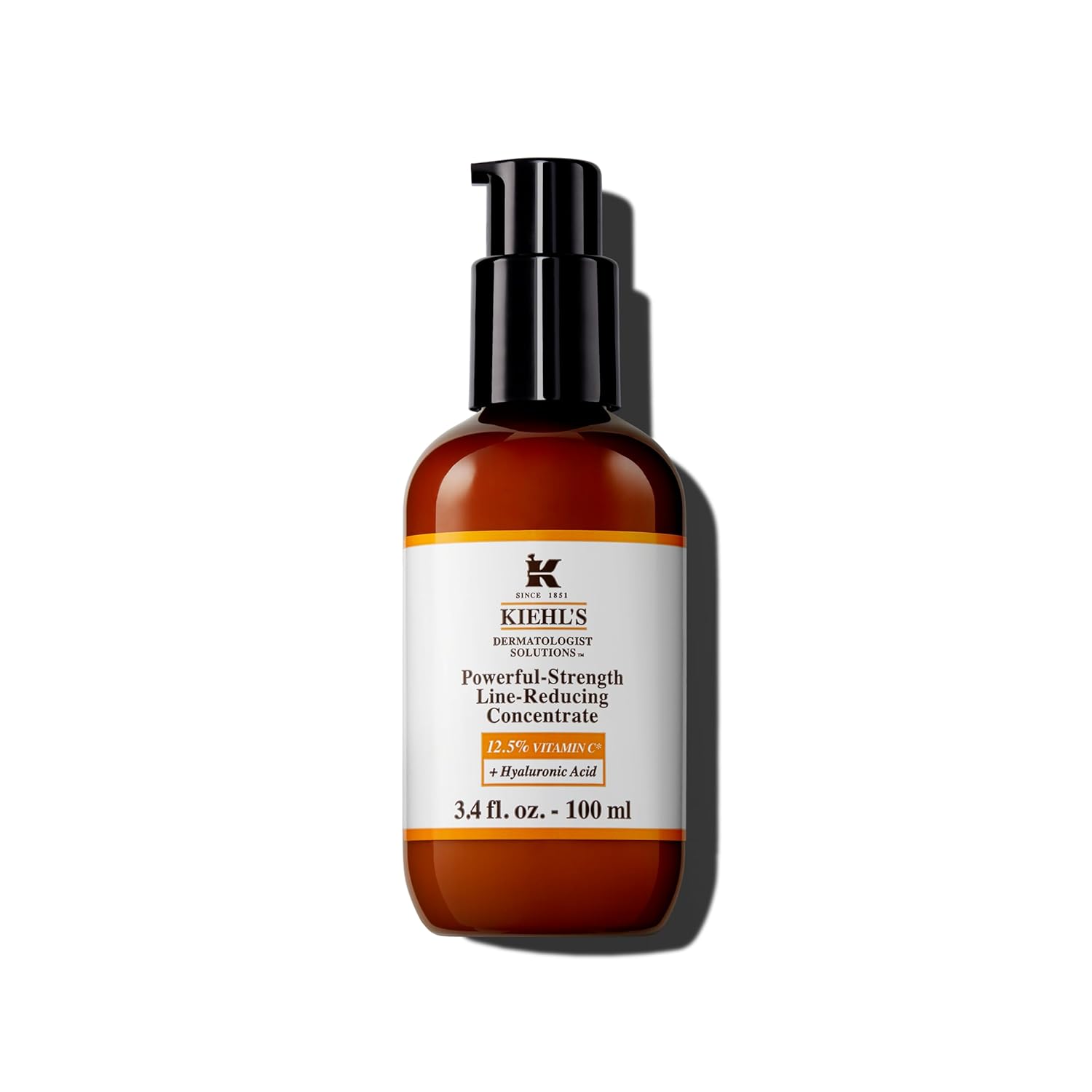
The combination of 12.5% vitamin C and peptides makes this a dual-action serum that tackles fine lines from both the antioxidant angle and the collagen-signaling angle in one step.
Kiehl’s wraps a potent vitamin C percentage alongside hyaluronic acid and peptide boosters, creating a serum that firms, brightens, and smooths simultaneously. The texture is light and serum-weight, absorbing quickly without residue or tackiness.
It is a great pick if you want to consolidate your vitamin C and peptide steps, and if your fine lines come with some dullness or uneven skin tone as well.
Quick Facts:
- Key ingredients: 12.5% vitamin C, hyaluronic acid, peptide boosters
- Size: 1 fl oz and 2.5 fl oz
- Texture: Lightweight serum
- Best for: Combination to oily skin, brightening plus firming goals
Pros
- Combines vitamin C and peptides for dual anti-aging action
- 12.5% vitamin C is potent without being overwhelming
- Hyaluronic acid adds hydration throughout the day
- Available in two sizes for trial or full commitment
Cons
- Contains fragrance
- Dual-active formula may not suit ingredient minimalists
- Vitamin C can be unstable if not stored properly in the dark
- Some users report mild initial sensitivity during adjustment
How to Pick the Best Peptide Serums for Fine Lines: A Simple Checklist
Choosing the best peptide serums for fine lines is simpler than the ingredient lists make it look. Focus on these five factors.
1. Identify the Peptide Type You Need
Not all peptides do the same job. Know which fine line concern you are primarily targeting.
- Signal peptides (Matrixyl): stimulate collagen production for overall firmness
- Neurotransmitter peptides (argireline): relax expression lines like forehead and crow’s feet
- Carrier peptides: deliver minerals that support skin structural repair
2. Match the Texture to Your Routine Position
A heavy peptide cream on top of multiple serums causes pilling and poor absorption. Choose a texture that fits naturally where you want to use it.
- Water-thin serums: apply early in your routine, after toning
- Richer peptide creams: use as your final moisturizing step
- Boosters: add directly to any existing step
3. Check for Complementary Ingredients
Peptides work better when paired with the right supporting cast.
- Hyaluronic acid: plumps the skin alongside peptide firming
- Niacinamide: enhances barrier function and overall brightness
- Antioxidants: protect peptides and skin from free radical damage
4. Confirm Fragrance Status
Peptide serums are often used twice daily. Fragrance adds up quickly and can cause cumulative irritation over time.
- Look for fragrance-free explicitly stated on the label
- “Parfum” or “fragrance” in the ingredient list means fragrance is present
- Botanical extracts are not the same as added synthetic fragrance
5. Think About Concentration and Cost per Use
A small concentrated booster used correctly can outperform a large budget serum used generously. Calculate months of use against the price.
- A few drops of a concentrated booster twice daily stretch further than you expect
- Consistency matters far more than the volume of product you apply
- High quality used consistently beats premium products used sporadically
5 Mistakes to Avoid When Buying Peptide Serums
Mistake 1: Mixing Peptides with High-pH Acids in the Same Step
Acids like AHAs and BHAs break down peptides at a molecular level. Using them together wastes your serum.
- Fix: Use acids at night and peptides in the morning, or allow 30 minutes between applications.
Mistake 2: Expecting the Same Speed as Retinol
Peptides work more gradually than retinol. They signal and support rather than exfoliate and accelerate turnover.
- Fix: Set a 12-week minimum commitment before evaluating whether a peptide serum is working.
Mistake 3: Skipping SPF After Your Morning Peptide Serum
Fine lines deepen because of UV exposure. If you are not protecting that newly supported collagen, peptides have to work twice as hard.
- Fix: Always finish your morning routine with SPF 30 or higher.
Mistake 4: Choosing a Single-Peptide Formula
Single-peptide serums are far less effective than multi-peptide formulas. Fine lines have multiple causes that need multiple approaches.
- Fix: Look for serums listing at least two to three different peptide ingredients on the label.
Mistake 5: Using Your Peptide Serum Inconsistently
Skipping days means your skin never reaches a steady state of collagen signaling. Irregular use stalls the results you are waiting for.
- Fix: Apply twice daily, every day, as the last step before moisturizer.
What Peptides Actually Do in Your Skin
Peptides are short chains of amino acids, which are the building blocks of protein. In your skin, proteins like collagen and elastin provide structure and firmness. As you age, your skin produces less of both, and fine lines form where the structural support has weakened and thinned.
Topical peptides send signals to skin cells that prompt collagen synthesis. They essentially tell your skin it is time to repair and rebuild. Some peptides mimic the fragments your body produces naturally when collagen breaks down, kick-starting the production process from within the skin’s own pathways.
- Signal peptides boost collagen and elastin production in the dermis
- Neurotransmitter peptides reduce the depth of repetitive expression lines
- Carrier peptides deliver copper and minerals that support structural skin repair
- Anti-inflammatory peptides calm irritation and strengthen the skin barrier
- Enzyme-inhibitor peptides slow the breakdown of your existing collagen
FAQs: Quick Answers to Common Questions
1. Are peptide serums better than retinol?
They work differently rather than one being better than the other. Retinol increases cell turnover. Peptides signal collagen production. Many dermatologists recommend using both at different times of day.
2. Can I use a peptide serum with retinol?
Yes, but in separate routine steps. Use peptides in the morning and retinol at night to avoid potential interaction.
3. How long do peptide serums take to show results?
Most people notice improvements in skin texture within four to six weeks. Visible fine line reduction typically takes eight to twelve weeks of twice-daily use.
4. Are peptide serums safe for sensitive skin?
Generally, yes. Peptides are very well tolerated. Fragrance in the formula is far more likely to cause irritation than the peptides themselves.
5. Can I layer multiple peptide products?
You can, but you do not need to. One good multi-peptide serum applied consistently every day is more effective than layering several mediocre single-peptide formulas.
6. Do peptide serums work for deep wrinkles?
They work best on fine lines and early wrinkles. Deep, established wrinkles typically require professional treatments. Peptides are most powerful as a maintenance and prevention tool.
7. Should I use a peptide serum morning or night?
Both is ideal. If you use acids or retinol at night, shift your peptide serum to the morning to prevent any potential interaction.
8. What is the difference between a peptide serum and a growth factor serum?
Peptides are specific amino acid chains that signal the skin. Growth factors are proteins that regulate cell growth and behavior directly. The best advanced serums, like SkinMedica, combine both for the most comprehensive effect.
Our Final Pick
For most people, Paula’s Choice Peptide Booster is the smartest investment in a peptide serum. It is fragrance-free, contains multiple peptide classes, and is flexible enough to work in any existing routine. Mix it in, layer it, or use it alone. The results are real, the formula is trustworthy, and it is consistent enough to use every day without compromise. Start with it, be patient, and give your skin the twelve weeks it needs.