When your skin stings from products that never bothered you before, feels persistently red, or reacts to everything you apply, your skin barrier is screaming for help. You need more than regular moisturizer, you need specialized barrier repair cream that rebuilds your skin’s defense system from the ground up.
Damaged skin barriers require specific ingredients in precise ratios to restore proper function. The wrong product makes things worse by adding more irritation to already compromised skin.
Let’s identify the best barrier repair creams for sensitive skin that actually repair barriers and the ingredients that make them work.
Top Picks at a Glance
- Best Overall: La Roche-Posay Cicaplast Baume B5
- Best for Overnight Repair: CeraVe Healing Ointment
- Best Daily Moisturizer: Aveeno Calm + Restore Oat Gel Moisturizer
Best Barrier Repair Creams for Sensitive Skin Reviews
1. La Roche-Posay Cicaplast Baume B5
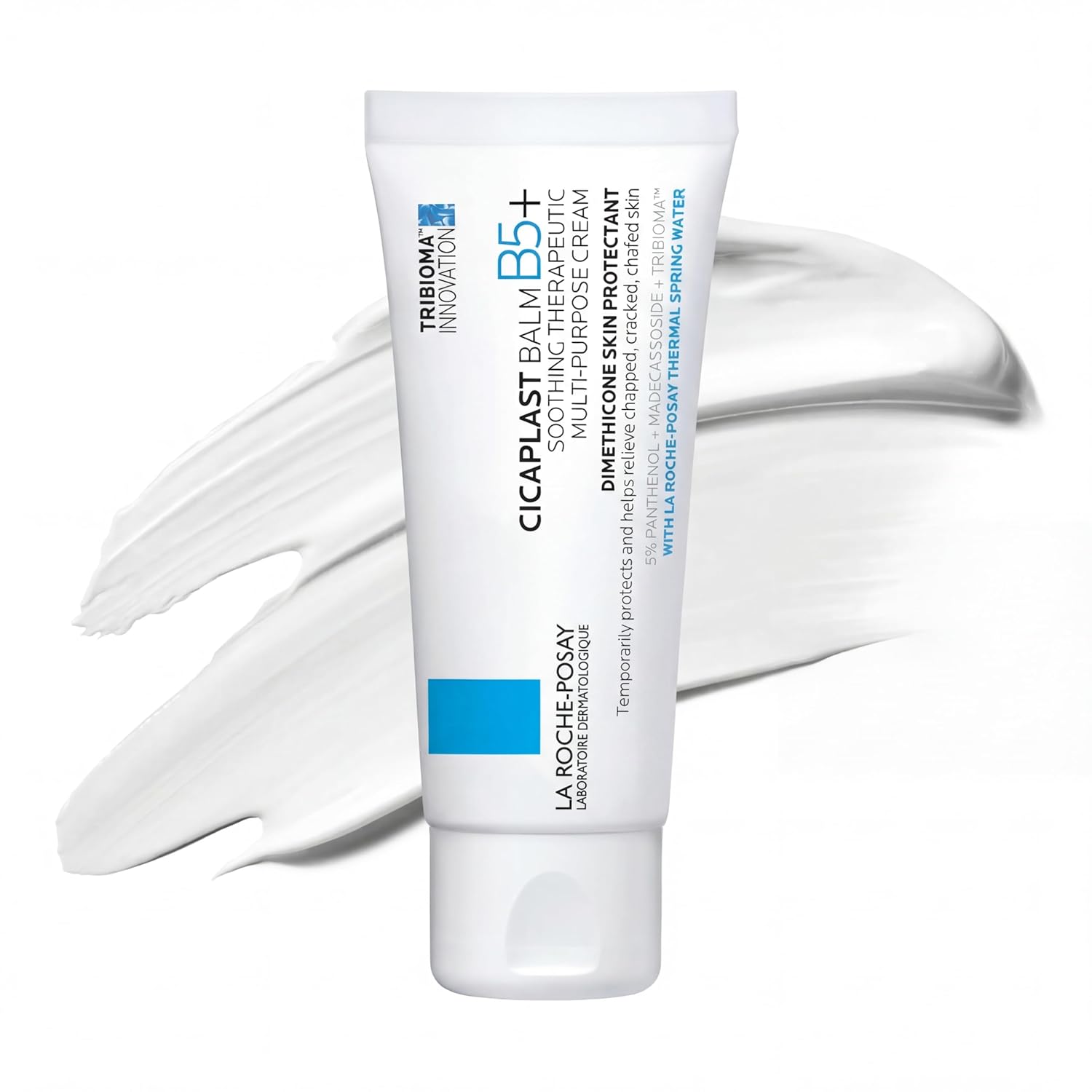
This cream dominates dermatology offices and hospital burn units for good reason: it works on severely compromised skin. The formula combines 5% panthenol with madecassoside, copper, zinc, and thermal spring water. This specific combination addresses inflammation, supports healing, and creates a protective barrier that allows skin to repair itself without interference from external irritants.
The texture is thicker than typical moisturizers but not heavy or suffocating. It spreads easily despite the density and creates a protective film on your skin’s surface. This film isn’t greasy or shiny, it’s more like a breathable shield that guards against further damage while repair processes happen underneath. Your skin feels cushioned and protected immediately after application.
Panthenol at 5% concentration provides serious healing support. It attracts and holds moisture while promoting skin regeneration. Madecassoside, derived from centella asiatica, has powerful anti-inflammatory properties that calm redness and irritation within hours. The copper-zinc combination supports tissue repair and has antimicrobial properties that protect healing skin from infection.
Dermatologists recommend this cream for post-procedure skin, including after laser treatments, chemical peels, and microneedling. If it’s gentle enough for freshly treated skin, it’s certainly suitable for barrier damage from over-exfoliation or harsh products. Many people keep this cream on hand as an emergency treatment for sudden reactions or flare-ups.
Pros:
- Contains 5% panthenol for intensive healing
- Madecassoside reduces inflammation rapidly
- Suitable for post-procedure and severely damaged skin
- Creates protective barrier without greasiness
- Fragrance-free and paraben-free formula
- Clinically proven to aid skin recovery
Cons:
- Rich texture may be too heavy for daytime use for some
2. CeraVe Healing Ointment
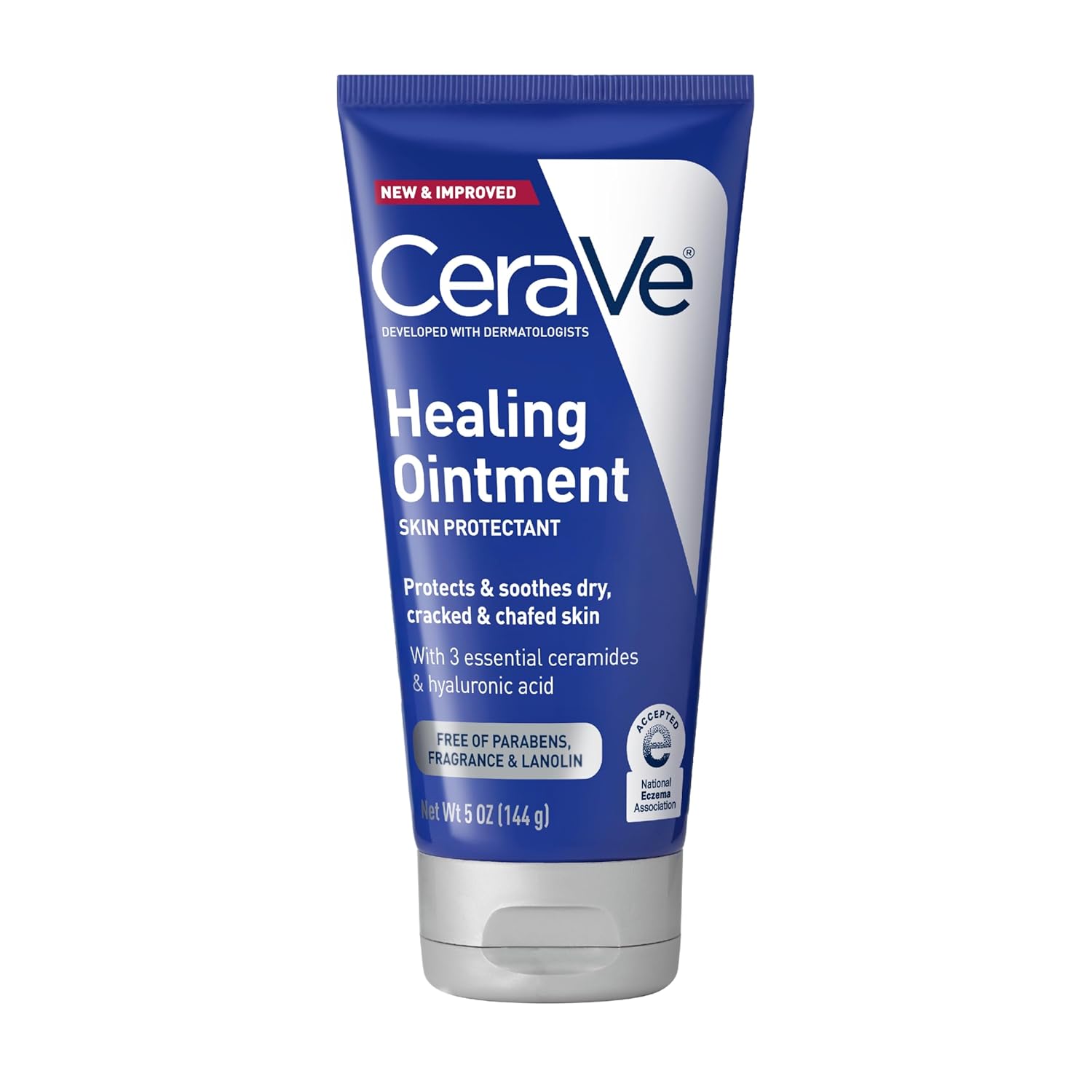
This petrolatum-based ointment takes a different approach to barrier repair. While most barrier creams are water-based, this ointment uses 46.5% petrolatum as its primary ingredient. Petrolatum is the most effective occlusive available, it can reduce water loss from skin by up to 99%.
The formula includes ceramides and hyaluronic acid within the petrolatum base. These ingredients repair and hydrate while the petrolatum creates an impermeable seal that prevents moisture loss. You’re essentially creating a healing environment on your skin’s surface where repair can happen undisturbed by environmental stressors.
The texture is thick and ointment-like, similar to Vaseline but with better absorption. It takes several minutes to fully settle into skin, leaving a slight sheen that signals your skin is sealed and protected. This works beautifully as a nighttime treatment but might be too heavy for daytime unless you’re dealing with extreme barrier damage.
The non-greasy formula manages to avoid the heavy, suffocating feel of pure petrolatum. It achieves this by combining the petrolatum with lighter ingredients that help it spread and absorb better. You get all the occlusive benefits without feeling like you’ve smeared pure Vaseline on your face. The National Eczema Association seal of acceptance confirms its suitability for even the most sensitive, damaged skin.
Pros:
- 46.5% petrolatum provides maximum occlusion
- Reduces water loss by up to 99%
- Includes ceramides for barrier repair
- Non-greasy despite thick texture
- Fragrance-free and suitable for eczema
- Works on face and body
Cons:
- Too heavy for daytime use for most people
- Leaves slight shine on skin
3. Aveeno Calm + Restore Oat Gel Moisturizer
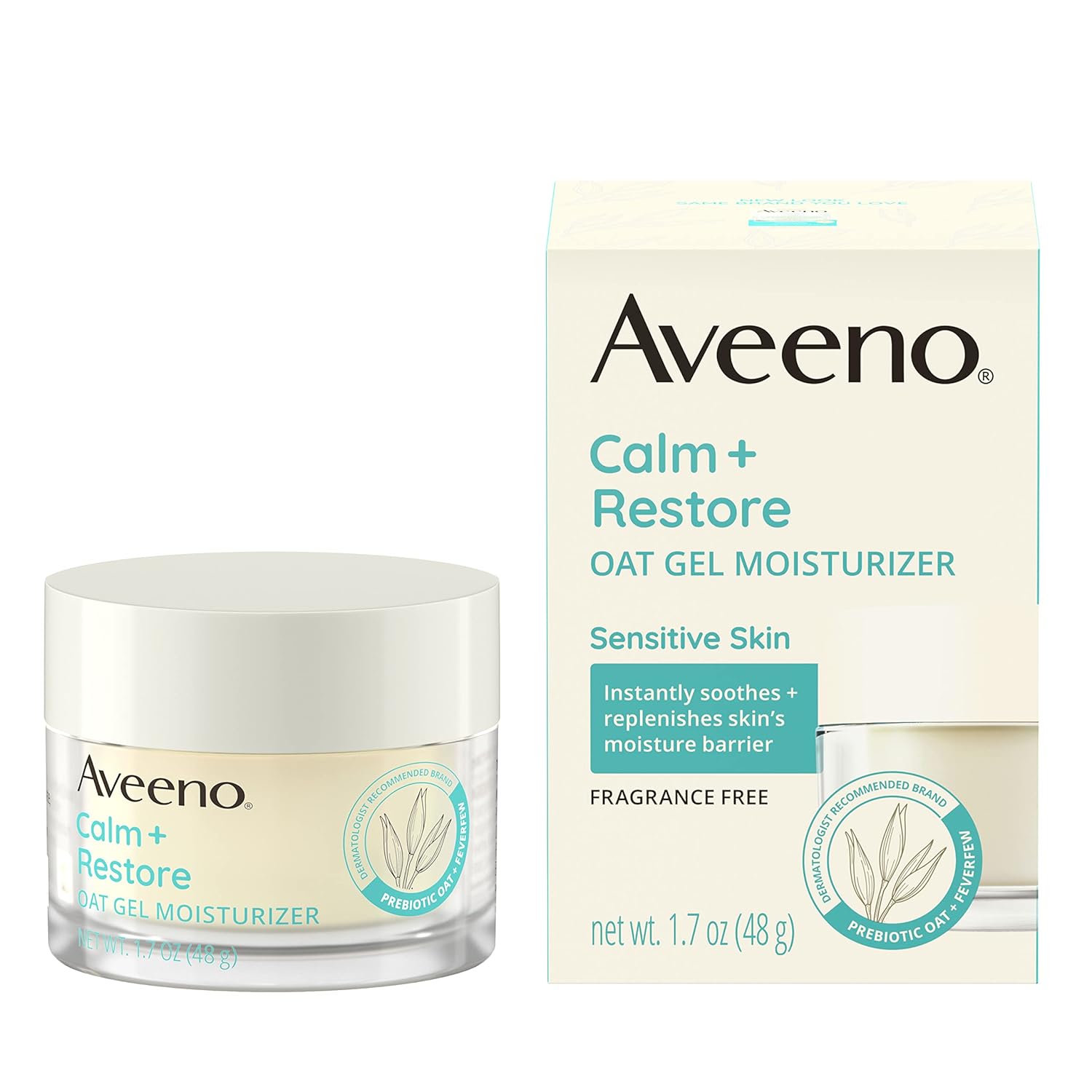
This gel moisturizer makes daily barrier support accessible and comfortable. Colloidal oatmeal is the star ingredient, it’s been used medicinally for centuries to calm irritated skin. The oatmeal forms a protective layer while delivering anti-inflammatory and antioxidant benefits. Unlike heavy creams that overwhelm sensitive skin, this lightweight gel provides barrier support without weighing skin down.
The feverfew extract in the formula specifically targets sensitivity and redness. It’s a plant-based ingredient with proven anti-inflammatory properties that calm reactive skin. When your barrier is damaged, everything triggers sensitivity. The feverfew helps raise your skin’s threshold so normal products don’t cause reactions while your barrier heals.
The gel texture feels refreshing and cooling on contact. It absorbs within 30 seconds, leaving no residue or tackiness. This makes it ideal for daytime use under makeup or sunscreen. People with combination skin appreciate that it hydrates dry areas without making oily zones greasy. The lightweight nature doesn’t compromise effectiveness, you get legitimate barrier support in a texture that won’t annoy you.
The prebiotic oat formula supports your skin’s microbiome, which plays a crucial role in barrier health. Emerging research shows that microbiome balance directly affects how well your barrier functions. By nurturing beneficial bacteria, this moisturizer promotes barrier health from a different angle than traditional ceramide creams.
Pros:
- Lightweight gel suitable for sensitive skin
- Colloidal oatmeal calms and protects
- Feverfew extract reduces redness
- Absorbs instantly without residue
- Supports skin microbiome health
- Works under makeup effortlessly
Cons:
- May not be rich enough for severe barrier damage
- Requires more frequent reapplication than heavier creams
4. First Aid Beauty Ultra Repair Cream
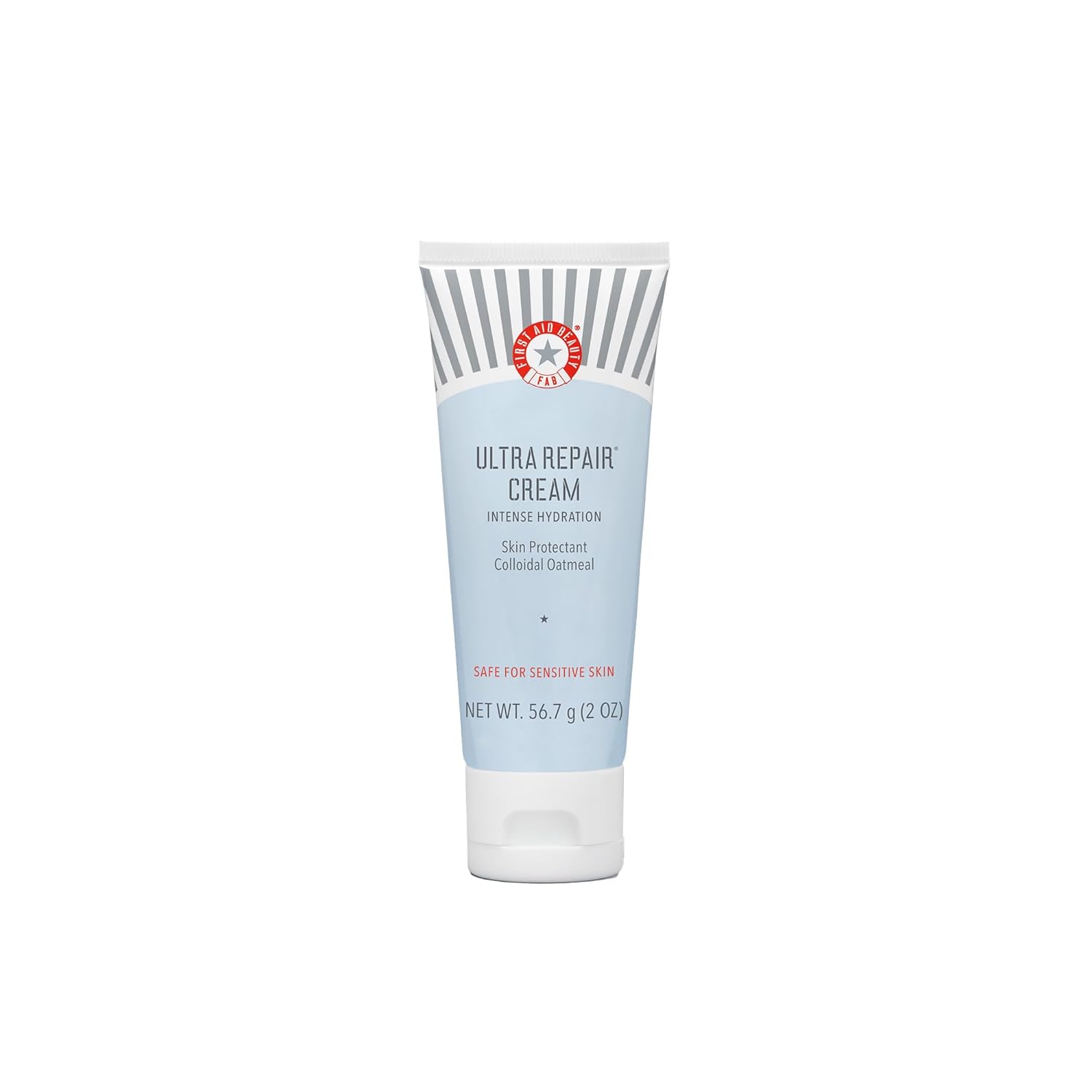
This cult-favorite cream earned its reputation by actually repairing skin that other products couldn’t handle. The formula centers on colloidal oatmeal, shea butter, and ceramides in concentrations high enough to make a real difference. It’s not a lightweight daily moisturizer, it’s an intensive repair cream designed for skin in crisis.
The cream includes a full ceramide complex rather than just one or two ceramides. You get ceramide NP, ceramide AP, and ceramide EOP working together to rebuild your barrier’s lipid structure. This comprehensive approach repairs barriers more effectively than products with limited ceramide varieties. The different ceramides address different aspects of barrier function, creating complete restoration.
Allantoin and licorice root extract soothe irritation while the barrier rebuilds. Damaged barriers often feel itchy and uncomfortable even when you’re not applying products. These calming ingredients provide relief from that constant low-level discomfort. Your skin feels genuinely comfortable within hours of application, not just temporarily masked.
The texture is rich and creamy but surprisingly spreadable. It doesn’t require warming between your palms before application. The cream glides across your skin and absorbs within three minutes, which is fast given how nourishing it is. The finish is satiny rather than greasy, making it wearable during the day if you don’t apply makeup.
Pros:
- Complete ceramide complex for comprehensive repair
- Colloidal oatmeal provides anti-inflammatory benefits
- Suitable for face and body application
- Absorbs well despite rich texture
- Allantoin and licorice calm irritation
- Free from harsh irritants
Cons:
- Higher price point than drugstore options
- Fragrance-free but has slight natural scent
5. Vanicream Daily Facial Moisturizer
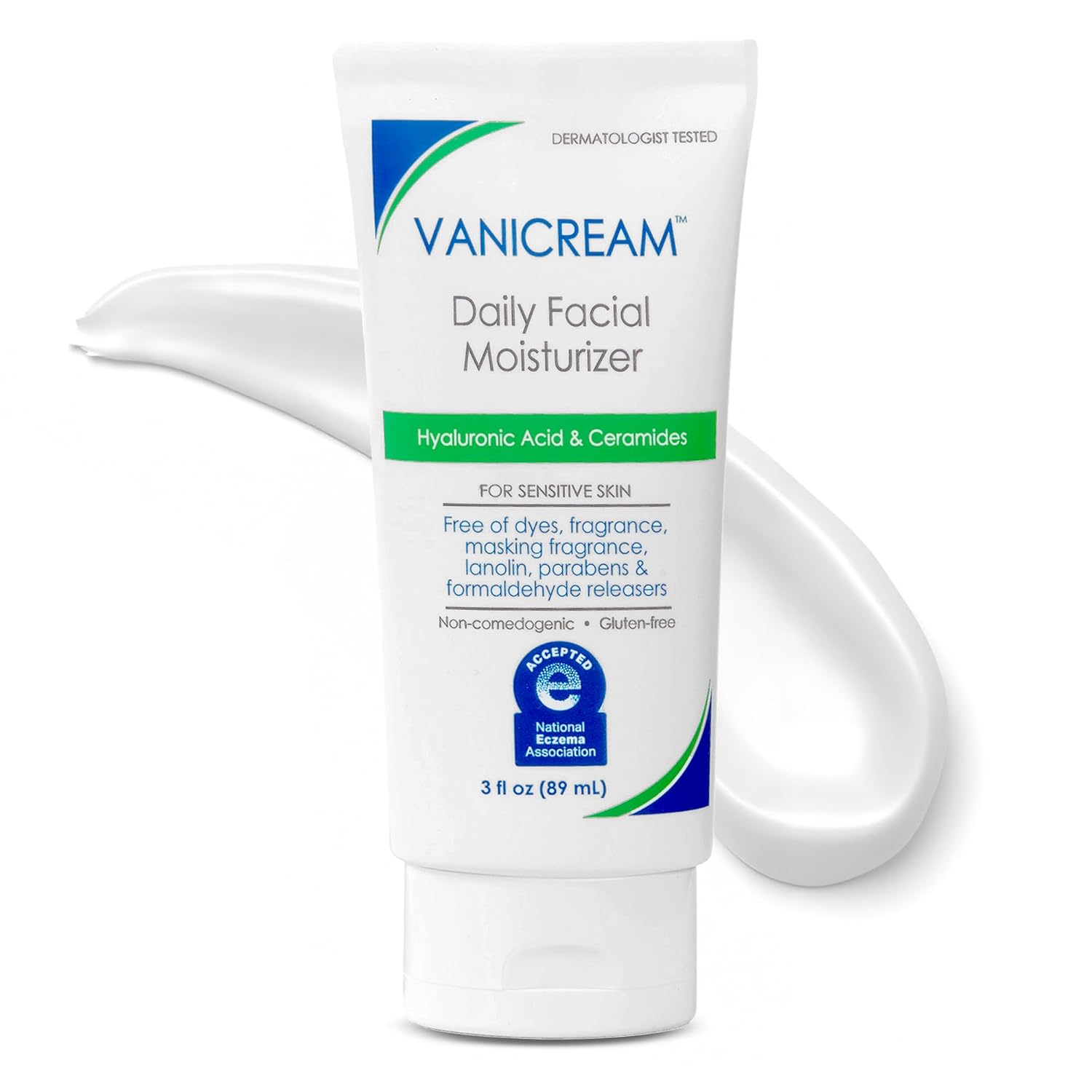
When your skin rejects everything, this ultra-gentle formula often succeeds where others fail. The ingredient list is remarkably clean, it excludes the 11 most common irritants including dyes, fragrance, masking fragrance, lanolin, parabens, and formaldehyde. What remains is pure barrier support without anything that might trigger reactions.
The formula includes ceramides, hyaluronic acid, and squalane as its core ingredients. Ceramides repair your barrier structure, hyaluronic acid provides hydration, and squalane mimics your skin’s natural oils. This trio addresses the three main components of barrier function; structure, hydration, and lipid content.
The texture is light for a barrier repair cream, which makes it more approachable for daily use. It spreads easily and absorbs within two minutes, leaving a soft, protected feel. The lightweight nature doesn’t mean weak performance, it just means the formula is optimized for comfortable wear rather than maximum richness.
The pump packaging keeps the formula sanitary and makes one-handed application possible during your morning routine. One pump covers your face adequately. The product contains no artificial colors, so what you see is the natural cream color from the ingredients themselves. This purity extends to the formula’s performance; what you’re getting is straightforward barrier repair without unnecessary additions.
Pros:
- Free from 11 common irritants
- Suitable for extremely sensitive skin
- Includes ceramides, hyaluronic acid, and squalane
- Lightweight texture for daily use
- Pump packaging maintains freshness
- Dermatologist tested and recommended
Cons:
- May require layering for severe barrier damage
6. Kiehl’s Centella Skin-Calming Facial Moisturizer
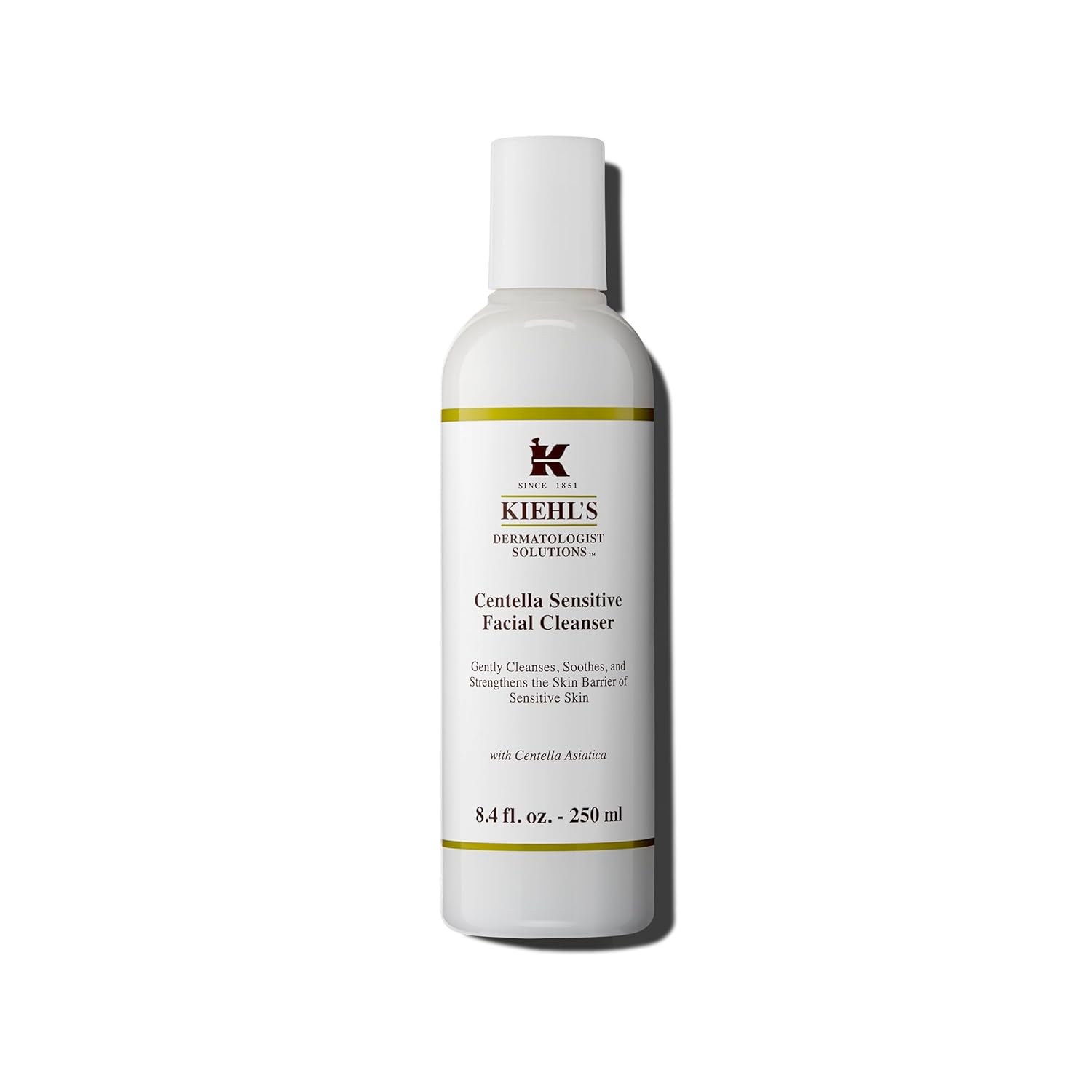
Centella asiatica takes center stage in this barrier repair cream. Also known as cica or tiger grass, centella has been used in traditional medicine for wound healing. The plant contains triterpenes that stimulate collagen production and support skin regeneration. For damaged barriers, this translates to faster repair and reduced inflammation.
The cream combines 5% centella with panthenol and ginger root extract. Panthenol supports moisture retention and healing, while ginger provides additional anti-inflammatory benefits. This trio creates a powerfully soothing formula that calms reactive skin while actively repairing barrier damage. Your skin feels relief almost immediately upon application.
The texture is creamy and substantial without being heavy. It absorbs within three minutes, leaving a smooth, comfortable finish. The slight green tint from the centella fades as the cream absorbs, it won’t leave your skin looking green. The finish works well under makeup for people who want barrier support during the day.
The fragrance-free formula has a very subtle natural scent from the plant-based ingredients. It’s barely noticeable and disappears once the cream absorbs. People who are sensitive to scents generally tolerate this well since it contains no added fragrance or masking agents.
Pros:
- 5% centella asiatica for intensive repair
- Supports collagen production and regeneration
- Combines multiple anti-inflammatory ingredients
- Suitable for sensitive and reactive skin
- Fragrance-free with minimal natural scent
- Works well under makeup
Cons:
- Premium price point
- Slight green tint before absorption
Buying Guide: Best Barrier Repair Creams for Sensitive Skin
1. Recognize Signs of Barrier Damage
Your skin barrier is damaged if products that never bothered you suddenly sting or cause redness. This sudden sensitivity signals that your protective outer layer is compromised. Normal products can penetrate too deeply when the barrier is broken, causing irritation from ingredients that should stay on the surface.
Persistent dryness that doesn’t improve with regular moisturizer indicates barrier damage. When your barrier isn’t functioning properly, it can’t hold onto moisture no matter how much you apply. The moisture evaporates through the damaged barrier faster than you can replace it. Barrier repair cream addresses this by actually fixing the structure rather than just adding more hydration.
Increased breakouts, especially when using new products, often result from barrier damage. A healthy barrier prevents bacteria and irritants from penetrating skin. When damaged, your skin becomes more susceptible to infection and inflammation. Repairing your barrier reduces breakouts more effectively than adding acne treatments that further irritate compromised skin.
2. Prioritize Key Barrier-Repairing Ingredients
Ceramides are essential for barrier repair, they’re the mortar between your skin cells. Look for products listing multiple ceramides like ceramide NP, AP, and EOP. The ratio matters too; research shows that a 3:1:1 ratio of ceramides, cholesterol, and fatty acids optimally repairs barriers. Few products list their exact ratios, but those containing all three ingredients generally perform better.
Panthenol supports barrier healing while providing hydration. It penetrates deeply into skin and converts to pantothenic acid, which supports cell regeneration. Concentrations of 2–5% provide noticeable benefits. Look for panthenol listed in the first five ingredients, which indicates a meaningful concentration.
Cholesterol often gets overlooked but it’s crucial for barrier repair. Your skin barrier needs cholesterol to maintain proper structure. Products containing both ceramides and cholesterol repair barriers more effectively than those with ceramides alone. The cholesterol fills gaps in your barrier that ceramides can’t address by themselves.
3. Avoid Common Irritants
Fragrance is the first thing to eliminate when your barrier is damaged. Both synthetic fragrance and natural essential oils can trigger reactions in compromised skin. Even if you normally tolerate fragranced products, damaged skin can’t handle them. Choose fragrance-free products during barrier repair and for several weeks after your skin improves.
Alcohol denatures protein and disrupts your skin barrier further. Check ingredient lists for alcohol denat, denatured alcohol, or SD alcohol. Fatty alcohols like cetyl alcohol and stearyl alcohol are fine, they’re actually beneficial emollients. It’s the simple alcohols that cause problems for barrier-damaged skin.
Harsh preservatives like formaldehyde releasers can irritate sensitive skin. Common culprits include DMDM hydantoin, diazolidinyl urea, and quaternium-15. While preservation is necessary, gentler preservatives like phenoxyethanol work without triggering reactions. Products marketed for sensitive skin typically use milder preservation systems.
4. Choose Appropriate Texture
Heavy occlusive creams and ointments work best for nighttime barrier repair. The thick texture creates a seal that prevents water loss while you sleep. Your skin has hours to absorb the beneficial ingredients without interference from makeup, sunscreen, or environmental exposure. Overnight repair accelerates barrier recovery significantly.
Lightweight gel-creams suit daytime use when you need barrier support without heaviness. They absorb quickly and work under makeup without pilling or creating greasiness. While lighter textures provide less intensive repair than heavy creams, they’re more sustainable for daily use. Consistency matters more than product weight, a lightweight cream you use twice daily beats a heavy cream you skip.
Balms offer maximum protection for extremely damaged areas. If you have specific problem zones like around your nose or on your cheeks, applying balm to those areas provides targeted intensive repair. You don’t need to apply balm everywhere, just where damage is most severe. This approach lets you customize your barrier repair strategy.
5. Layer Products Strategically
Apply barrier repair cream to damp skin for better absorption. The slight moisture on your skin’s surface helps ingredients penetrate more effectively. Pat your face gently with a towel after cleansing but leave it slightly damp. Apply barrier cream within 60 seconds while your skin is still receptive.
Use gentle, hydrating products underneath barrier cream if layering. A simple hydrating serum or essence provides extra moisture that the barrier cream can seal in. Avoid active ingredients like retinol, vitamin C, and acids while repairing your barrier. These can irritate compromised skin and slow down healing.
Seal everything with a facial oil or occlusive if your barrier is severely damaged. After applying your barrier cream, pat a few drops of oil over top. This creates an additional protective layer that prevents moisture loss. Squalane or rosehip seed oil work particularly well for this purpose.
6. Give Your Barrier Time to Heal
Stop all active ingredients while your barrier repairs. That means no retinol, vitamin C, AHAs, BHAs, or other exfoliants. These ingredients are beneficial for healthy skin but actively damage compromised barriers. You can reintroduce them slowly once your skin has fully healed, which typically takes 4–6 weeks.
Simplify your routine to cleansing and barrier repair only. The fewer products you use, the faster your barrier can heal. Use a gentle, non-foaming cleanser in the evening and plain water or micellar water in the morning. Apply your barrier repair cream twice daily. That’s it. Resist the urge to add more products.
Be patient and consistent for at least one month. Barrier damage doesn’t happen overnight, and it won’t heal overnight either. Most people see improvement within a week, but complete barrier restoration takes 4–6 weeks of diligent care. Mark your calendar and commit to the simplified routine for the full duration.
Understanding Barrier Function
What Your Skin Barrier Actually Does
The skin barrier, scientifically called the stratum corneum, is your body’s first line of defense against the external world. It consists of skin cells held together by lipids in a brick-and-mortar structure. The cells are bricks, the lipids are mortar. When this structure is intact, it keeps irritants out and moisture in. When damaged, both functions fail.
A healthy barrier maintains proper hydration levels automatically. It regulates how much water stays in your skin and how much evaporates. Damaged barriers can’t control this process, leading to chronic dehydration no matter how much water you drink or moisturizer you apply. Repairing the structure restores this regulatory function.
The barrier also determines which substances can penetrate your skin. A healthy barrier allows beneficial ingredients through while blocking harmful ones. Damaged barriers let everything through indiscriminately, which is why your skin suddenly reacts to products it previously tolerated. Repair cream restores selective permeability.
Common Causes of Barrier Damage
Over-exfoliation is the number one cause of barrier damage. Whether from physical scrubs, chemical acids, or harsh cleansing brushes, excessive exfoliation strips away your protective layer faster than your skin can replace it. Even gentle exfoliants cause damage when used too frequently. Your skin needs time to regenerate between exfoliation sessions.
Harsh cleansers with sulfates disrupt your barrier’s lipid structure. Foaming cleansers feel satisfying because they remove oil effectively, but they remove too much oil, including the beneficial lipids your barrier needs. Switch to cream or milk cleansers while your barrier heals and consider staying with them permanently if you have naturally dry or sensitive skin.
Environmental factors like cold weather, wind, and low humidity weaken barriers over time. Indoor heating in winter and air conditioning in summer both reduce environmental humidity, pulling moisture from your skin. If you live in harsh climates, you need more intensive barrier support than people in mild, humid environments.
Frequently Asked Questions
1. What is the best barrier repair cream for sensitive skin?
The best barrier repair cream for sensitive skin is La Roche-Posay Cicaplast Baume B5 because it combines 5% panthenol with madecassoside for intensive healing without irritation. CeraVe Healing Ointment is also excellent for severe barrier damage, providing maximum occlusion with ceramides. Choose based on whether you need daytime wear or overnight intensive repair.
2. How long does it take to repair a damaged skin barrier?
A damaged skin barrier typically takes 4–6 weeks to fully repair with consistent care. You should notice improvement within the first week; reduced stinging, less redness, and better comfort. Complete barrier restoration takes longer because your skin needs to rebuild its lipid structure entirely. During this time, avoid all active ingredients and stick to gentle cleansing plus barrier repair cream only.
3. Can you repair your skin barrier naturally?
You can support barrier repair naturally by simplifying your routine and avoiding irritants, but specific ingredients accelerate healing significantly. Natural approaches include using gentle cleansers, avoiding hot water, and protecting skin from environmental stressors. However, barrier repair creams with ceramides, cholesterol, and fatty acids rebuild barrier structure faster than time alone.
4. What damages your skin barrier?
Over-exfoliation, harsh cleansers, hot water, environmental stressors, and certain skincare acids damage your skin barrier. Using too many active ingredients simultaneously, failing to moisturize adequately, and excessive washing also compromise barrier function. Even beneficial ingredients like retinol and vitamin C can damage barriers when used too aggressively or without proper moisturizer support.
5. How do you know if your skin barrier is damaged?
Signs of damaged skin barrier include sudden sensitivity to previously tolerated products, persistent dryness despite moisturizing, increased redness, rough texture, and more frequent breakouts. Your skin might sting when applying products, feel tight and uncomfortable, or appear dull and dehydrated. If multiple signs are present, your barrier likely needs repair.
6. Should you exfoliate when your skin barrier is damaged?
Never exfoliate when your skin barrier is damaged. Exfoliation removes your protective outer layer, which is exactly what needs to heal. Stop all physical scrubs, chemical acids, and exfoliating tools immediately. Wait until your barrier has fully repaired before reintroducing exfoliation, which typically takes 4–6 weeks. Start slowly when you do resume exfoliating.
7. Can barrier repair cream cause breakouts?
Barrier repair creams rarely cause breakouts, but very rich formulas might trigger congestion in acne-prone skin. If breakouts occur, they’re usually from the product being too heavy for your skin type rather than barrier-incompatible ingredients. Choose lighter gel-based barrier creams if you’re prone to clogged pores. The breakouts should resolve once your barrier heals and you can return to your normal routine.
8. What ingredients repair skin barrier?
Key barrier-repairing ingredients include ceramides (especially NP, AP, and EOP), cholesterol, fatty acids, panthenol, niacinamide, and centella asiatica. Colloidal oatmeal provides anti-inflammatory support during repair. Look for products containing multiple ceramides plus cholesterol in a 3:1:1 ratio with fatty acids for optimal barrier restoration.
9. Can you use retinol with barrier repair cream?
Don’t use retinol while actively repairing a damaged barrier. Retinol increases cell turnover, which interferes with barrier healing. Stop retinol and all other active ingredients until your barrier has fully recovered. Once healed, you can resume retinol slowly, applying it 2–3 times weekly initially. Use barrier repair cream on non-retinol nights to maintain barrier health.
10. Is Vaseline good for skin barrier repair?
Vaseline (petrolatum) is excellent for creating an occlusive barrier that prevents water loss, but it doesn’t actively repair barrier structure. Use Vaseline or products containing high percentages of petrolatum like CeraVe Healing Ointment at night to seal in barrier-repairing ingredients applied underneath. The combination of active repair ingredients plus occlusive sealing accelerates healing more effectively than either approach alone.
Conclusion
Finding the best barrier repair cream for sensitive skin means choosing formulas with proven ingredients like ceramides, panthenol, and cholesterol while avoiding common irritants. La Roche-Posay Cicaplast Baume B5 and CeraVe Healing Ointment lead the category for good reason; they provide intensive repair that actually rebuilds barrier function.
Your damaged barrier can heal completely with the right approach. Simplify your routine, eliminate active ingredients temporarily, and commit to consistent barrier repair cream use for 4–6 weeks. The discomfort and sensitivity you’re experiencing isn’t permanent, it’s a signal to pause, repair, and then restart your routine more carefully. Your skin has remarkable healing capacity when given proper support.