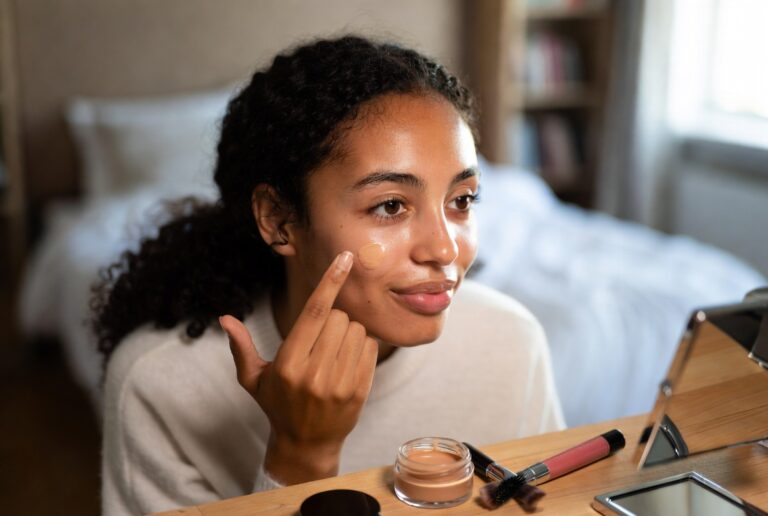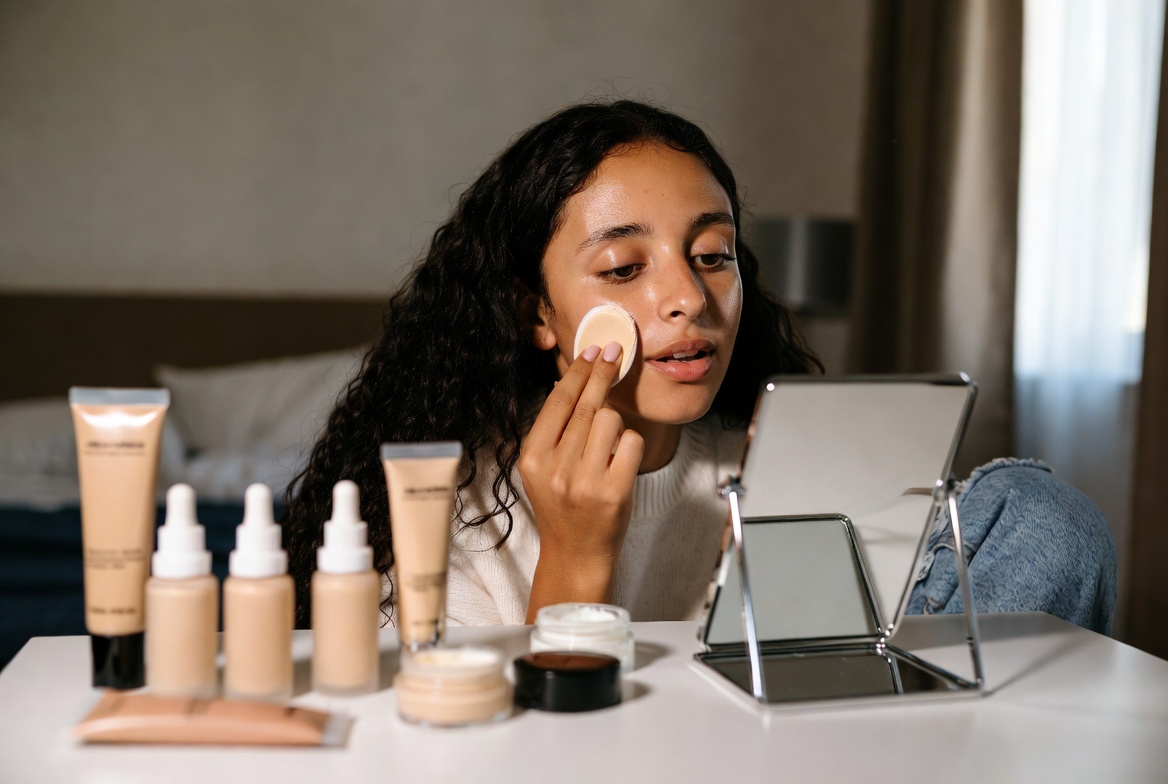
There is a growing category of makeup products that promise to do two things at once: cover, color, or define while also delivering skincare benefits to your skin.
Skincare-infused makeup is exactly what it sounds like. These are foundation, concealer, lip color, and other cosmetic products formulated with active skincare ingredients like hyaluronic acid, niacinamide, SPF (sun protection factor), retinol, or antioxidants.
The concept is appealing. If you are going to wear makeup anyway, why not have it do something useful for your skin at the same time?
How Skincare-Infused Makeup Works
Traditional makeup is primarily designed to stay on the skin surface. It creates a layer of color or coverage that sits on top of your skin without being absorbed.
Skincare-infused makeup aims to change that by incorporating active ingredients into the formula. Depending on the ingredient, some of these are meant to be absorbed into the skin during wear, while others, like SPF, work on the surface.
The challenge is that makeup formulas and skincare formulas have different goals. Skincare is designed to penetrate or interact with the skin. Makeup is designed to stay on top. Bridging those two requirements in one product is technically complex, and not every brand gets it right.
Common Ingredients Found in Skincare-Infused Makeup
Hyaluronic Acid
This is one of the most common skincare ingredients added to foundation and concealer. Hyaluronic acid draws water into the skin, which helps makeup look more hydrated and dewy throughout the day.
Foundations with hyaluronic acid tend to wear more comfortably on dry skin and are less likely to emphasize flaky patches.
Niacinamide
Niacinamide, also called vitamin B3, reduces redness, supports the skin barrier, and helps balance oil production. It has also been shown to improve the appearance of pores over time.
In makeup form, it offers some of these surface benefits while you wear it, though the concentrations used in cosmetic products tend to be lower than those in dedicated serums.
SPF
Sunscreen is probably the most genuinely useful skincare ingredient found in makeup. Foundations and tinted moisturizers with SPF 30 or higher provide real sun protection throughout the day.
The caveat is that most people do not apply enough product for the SPF to fully kick in. Broad, even coverage is needed to get the number on the label. For daily city use, it is a helpful boost. For full sun exposure, a dedicated sunscreen underneath is still the better choice.
Retinol
Some tinted products now include retinol, which promotes cell turnover and helps with fine lines and uneven texture over time. This is one of the more ambitious inclusions.
Retinol in makeup is a slower, gentler form of the ingredient, and the actual percentage delivered to the skin is low. It is not a replacement for a dedicated retinol treatment, but for skin that is too sensitive for full-strength retinol, low-dose exposure through makeup could be a gradual option.
Antioxidants
Vitamin C, vitamin E, and various plant-based antioxidants are added to many skincare-infused makeup products to protect against free radical damage from pollution and UV exposure.
These ingredients are genuinely useful when they appear in high enough concentrations. In makeup, they tend to act more as supporting players than primary treatment.
Does Skincare-Infused Makeup Actually Work?
The honest answer is: it depends on what you expect from it.
Skincare-infused makeup is not a replacement for your actual skincare routine. The concentrations of active ingredients in most makeup products are too low to produce the same results as a dedicated serum or treatment.
What these products can do is provide a secondary layer of benefit. A foundation with hyaluronic acid will feel more comfortable and look more hydrated than one without. A tinted moisturizer with SPF adds a layer of sun protection. A product with niacinamide may help skin look calmer after long-term daily use.
Think of skincare-infused makeup as a bonus, not a strategy. Your actual routine should still include cleanser, moisturizer, and SPF. What the makeup adds on top is genuinely nice to have.
Which Skincare-Infused Makeup Products Are Worth It
Some product categories benefit more from skincare ingredients than others.
Tinted moisturizers and skin tints with SPF and hydrating ingredients are probably the most genuinely useful category. They sit lightly on the skin, and the combination of moisture and sun protection makes them a practical daily product.
Foundations with niacinamide or hyaluronic acid are a solid choice for people with dry, sensitive, or reactive skin. They tend to wear more comfortably and look better throughout the day than formulas without.
Lip products with SPF are underused but genuinely protective. The lips are an area where sun damage accumulates quietly over time, so tinted lip balms with sun protection are worth adding to your routine.
Retinol-infused makeup is more of a novelty than a powerhouse. If you are looking for retinol results, a dedicated product will serve you better. But for sensitive skin that cannot tolerate traditional retinol, these offer a very gentle entry point.
What to Watch Out For
Not all skincare-infused makeup is created equally. A product can list an ingredient on its label while containing only trace amounts. That is not enough to produce a meaningful result.
When evaluating a product, check how high the ingredient appears in the list. Ingredients are listed in descending order of concentration. If niacinamide, hyaluronic acid, or whatever ingredient attracted you to the product appears near the bottom of a long list, its actual effect will be minimal.
Fragrance is another consideration. Many skincare-infused makeup products include fragrance for sensory appeal, but fragrance is a common irritant, especially for sensitive or compromised skin. If your skin is reactive, check for fragrance-free options.
Building a Routine Around Skincare-Infused Makeup
If you want to get the most from these products, layer them strategically.
- Start with your core skincare: cleanser, any serums, moisturizer.
- Apply a dedicated SPF underneath your makeup.
- Use a skincare-infused foundation or tint on top for additional hydration or barrier support.
- Finish with a tinted lip balm with SPF.
This approach lets your skincare do the heavy lifting while your makeup provides both coverage and a secondary layer of benefit.
Frequently Asked Questions
1. Can skincare-infused makeup replace my skincare routine?
No. The ingredient concentrations in makeup are generally too low to replace dedicated skincare products. Use skincare-infused makeup as a supplement, not a substitute.
2. Is SPF in foundation enough sun protection?
It can help, but most people do not apply enough foundation to get the full SPF number on the label. A dedicated sunscreen underneath is still the best foundation for sun protection.
3. Are skincare-infused makeup products more expensive?
Often yes, but not always. Some drugstore tinted moisturizers with SPF and hydrating ingredients perform comparably to high-end options. Check the ingredient list rather than the price tag.
4. Which skin types benefit most from skincare-infused makeup?
Dry and sensitive skin types tend to benefit most. Foundations with hyaluronic acid and niacinamide are especially useful for these types because they make wear more comfortable and reduce irritation.
5. Can I use retinol makeup products every day?
Products with very low-dose retinol designed for daily use are generally safe. However, if you are using a strong retinol treatment in your evening routine, check with a dermatologist before layering retinol through makeup as well.
Conclusion
Skincare-infused makeup is a genuinely useful category when you go in with realistic expectations. It will not replace your serums or treatments, but the right products do make wearing makeup a slightly better experience for your skin. Focus on SPF, hyaluronic acid, and niacinamide inclusions since these have the most consistent real-world benefits at the concentrations found in cosmetics.