Many individuals focus solely on the strands themselves, neglecting the crucial foundation from which healthy hair originates – the scalp. However, the scalp plays a vital role in hair health, serving as the bedrock for strong, resilient hair growth.
From maintaining an optimal environment for follicle function to preventing common scalp issues like dandruff and hair loss, proper scalp care is essential for achieving and maintaining healthy hair.
In this article, we’ll explore the importance of scalp care for healthy hair growth, uncovering the key factors that contribute to a healthy scalp and vibrant hair growth.
The Role of the Scalp Care for Healthy Hair Growth
The scalp is home to thousands of hair follicles, each responsible for producing a single strand of hair. These follicles rely on a healthy scalp environment to function optimally and produce strong, healthy hair.
1. Maintaining a Balanced Scalp Environment
A balanced scalp environment is essential for healthy hair growth. This includes maintaining the right level of hydration, oil production, and pH balance. When the scalp becomes too dry or too oily, it can disrupt the hair growth cycle and lead to issues like dandruff, itching, and hair loss.
2. Nourishing the Hair Follicles
The hair follicles rely on a steady supply of nutrients and oxygen to produce hair. A healthy scalp ensures that these essential nutrients reach the follicles, promoting robust hair growth.
Additionally, proper scalp care can stimulate blood flow to the scalp, delivering oxygen and nutrients to the hair follicles and encouraging healthy hair growth.
Common Scalp Issues and Their Impact on Hair Health
Neglecting scalp care can lead to a variety of common scalp issues, ranging from mild irritation to more severe conditions that can impact hair growth. Understanding these issues and their causes is essential for implementing an effective scalp care routine.
1. Dry Scalp
A dry scalp often leads to flaking, irritation, and itching. When the scalp is dry, it lacks the necessary moisture to support hair growth. Over time, this can weaken hair follicles and cause hair thinning. Hydrating scalp treatments and gentle shampoos can help alleviate dryness and restore balance.
2. Oily Scalp
An oily scalp is a result of overactive sebaceous glands producing too much sebum. This excess oil can trap dirt and dead skin cells, leading to clogged hair follicles and potential hair loss. Regular cleansing with a mild shampoo can help keep oil production in check and maintain scalp health.
3. Dandruff
Dandruff occurs when the scalp sheds dead skin cells at an accelerated rate, leading to visible flakes and itchiness. It can be caused by fungal infections, oily skin, or sensitivity to certain products. Dandruff not only causes discomfort but can also disrupt the scalp’s ability to support hair growth. Anti-dandruff shampoos and treatments can help manage this condition.
4. Scalp Infections
Bacterial or fungal infections on the scalp can inflame hair follicles, disrupting the natural hair growth cycle. Conditions like ringworm or folliculitis require prompt treatment to prevent permanent damage to the hair follicles and potential hair loss.
5. Scalp Psoriasis
Scalp psoriasis is a chronic skin condition that causes thick, scaly patches to form on the scalp. This condition can block hair follicles, preventing new hair from growing and leading to thinning or hair loss. Proper medical treatment and scalp care can help manage the symptoms and minimize their impact on hair growth.
6. Scalp Dermatitis
Scalp dermatitis is a broad term that encompasses various inflammatory scalp conditions, including seborrheic dermatitis and scalp psoriasis. These conditions can cause itching, redness, and flaking, leading to discomfort and affecting hair growth. Proper scalp care, including gentle cleansing and moisturizing, can help manage scalp dermatitis and promote healthy hair growth.
Implementing an Effective Routine for Scalp Care for Healthy Hair Growth
Now that we understand the importance of scalp care and the potential consequences of neglecting it, let’s explore how to implement an effective scalp care routine to promote healthy hair growth.
1. Gentle Cleansing
Proper cleansing is essential for maintaining a healthy scalp environment. Use a gentle shampoo formulated for your hair type and scalp condition, and avoid overwashing, which can strip the scalp of its natural oils and lead to dryness and irritation.
2. Exfoliation
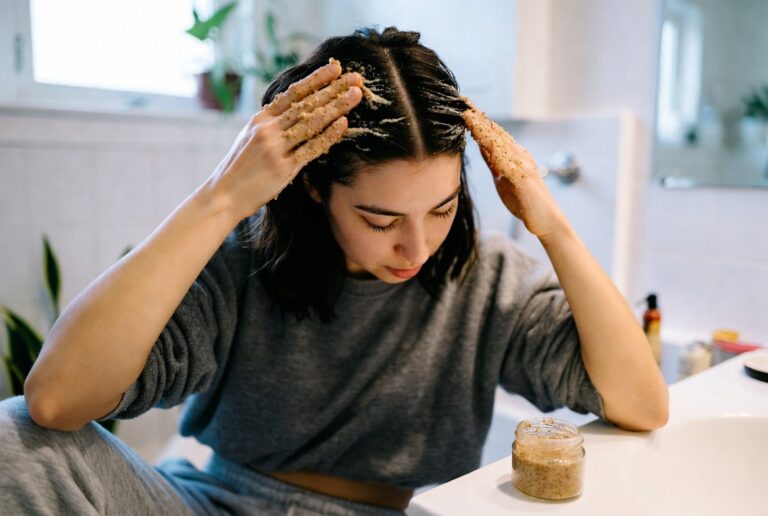
Regular exfoliation can help remove dead skin cells and excess oil from the scalp, preventing clogged pores and promoting healthy hair growth. Use a scalp scrub or exfoliating treatment once or twice a week to keep the scalp clean and refreshed.
3. Moisturizing
Just like the skin on the rest of your body, the scalp requires moisture to stay healthy. Use a lightweight, hydrating conditioner or scalp oil to moisturize the scalp and prevent dryness and flakiness.
4. Scalp Massage
Scalp massage can stimulate blood flow to the scalp, promoting circulation and delivering essential nutrients to the hair follicles. Incorporate scalp massage into your hair care routine by gently massaging the scalp with your fingertips or using a scalp massage tool.
Best Practices for Maintaining a Healthy Scalp
To maintain a healthy scalp, consistency is key. Here are some best practices for keeping your scalp in optimal condition:
- Use Gentle Shampoos: Harsh chemicals can irritate the scalp and strip away natural oils. Opt for gentle, sulfate-free shampoos that cleanse without causing dryness.
- Avoid Over-Washing: Washing your hair too frequently can strip the scalp of its natural oils, leading to dryness. Stick to a washing routine that suits your hair type, usually every 2-3 days.
- Incorporate Scalp Treatments: Scalp oils and masks can help nourish the scalp and address specific issues like dryness or oiliness.
- Protect from Sun Damage: The scalp is susceptible to sunburn. Wearing a hat or applying sunscreen to your scalp can prevent UV damage, which can weaken hair follicles.
- Watch Your Diet: A healthy diet rich in vitamins and minerals can improve scalp health from the inside out. Nutrients like biotin, zinc, and omega-3 fatty acids are particularly beneficial for scalp and hair health.
Conclusion
A healthy scalp provides the foundation for strong, resilient hair growth while neglecting scalp health can lead to a variety of issues, including dandruff, hair loss, and scalp dermatitis. By implementing an effective scalp care routine that includes gentle cleansing, exfoliation, moisturizing, and scalp massage, you can ensure that your scalp remains healthy and your hair thrives.
FAQs
1. How often should I wash my hair to maintain a healthy scalp?
It depends on your hair type and scalp condition, but generally, washing your hair every 2-3 days is sufficient for most people. Avoid overwashing, as it can strip the scalp of its natural oils and lead to dryness and irritation.
2. Can I use regular skincare products on my scalp?
While some skincare products may be suitable for the scalp, it’s best to use products specifically formulated for scalp care to ensure they address the unique needs of the scalp.
3. Are there any natural remedies for scalp issues like dandruff and scalp dermatitis?
Yes, several natural remedies, such as tea tree oil, apple cider vinegar, and aloe vera, may help alleviate scalp issues like dandruff and scalp dermatitis. However, it’s essential to consult with a dermatologist before trying any new treatments to ensure they’re safe and effective for your scalp condition.
5. Can stress affect scalp health and hair growth?
Yes, stress can impact scalp health and hair growth by disrupting the hair growth cycle and increasing the risk of scalp issues like dandruff and hair loss. Practicing stress-reducing techniques such as meditation, yoga, and deep breathing exercises may help promote scalp health and healthy hair growth.
6. Are there any dietary factors that can affect scalp health and hair growth?
Yes, a balanced diet rich in vitamins, minerals, and essential fatty acids is essential for maintaining scalp health and promoting healthy hair growth. Foods like salmon, avocado, nuts, and leafy greens are particularly beneficial for hair health.
7. How often should I exfoliate my scalp?
Exfoliating your scalp once a week is typically enough to remove dead skin cells and buildup without irritating the skin.
8. Can a dry scalp cause hair loss?
Yes, a dry scalp can lead to itching, irritation, and flaking, which can weaken hair follicles and result in hair loss over time.
9. Are scalp massages effective for promoting hair growth?
Scalp massages help stimulate blood circulation, delivering more nutrients to the hair follicles, which can encourage healthy hair growth.
10. What’s the best way to treat an oily scalp?
The best way to treat an oily scalp is to use a mild, clarifying shampoo to remove excess oil and avoid over-washing, which can trigger more oil production.
11. Does diet impact scalp health?
Absolutely. A diet rich in vitamins, minerals, and healthy fats can significantly improve scalp health, which in turn supports healthy hair growth.