An oily scalp is frustrating. You wash your hair in the morning, and by afternoon it looks greasy and limp like you haven’t showered in days.
The right shampoo makes all the difference between feeling fresh for hours versus constantly fighting oil buildup. The best shampoos for oily scalp remove excess sebum without stripping your scalp, which would trigger even more oil production. Here are formulas that actually work.
Top Shampoos for Controlling Scalp Oil
- Best Overall: Neutrogena Anti-Residue Clarifying Shampoo
- Best Daily Use: OGX Weightless Hydration Coconut Water Shampoo
- Best Clarifying: Paul Mitchell Tea Tree Special Shampoo
Best Shampoos for Oily Scalp Product Reviews
1. Neutrogena Anti-Residue Clarifying Shampoo
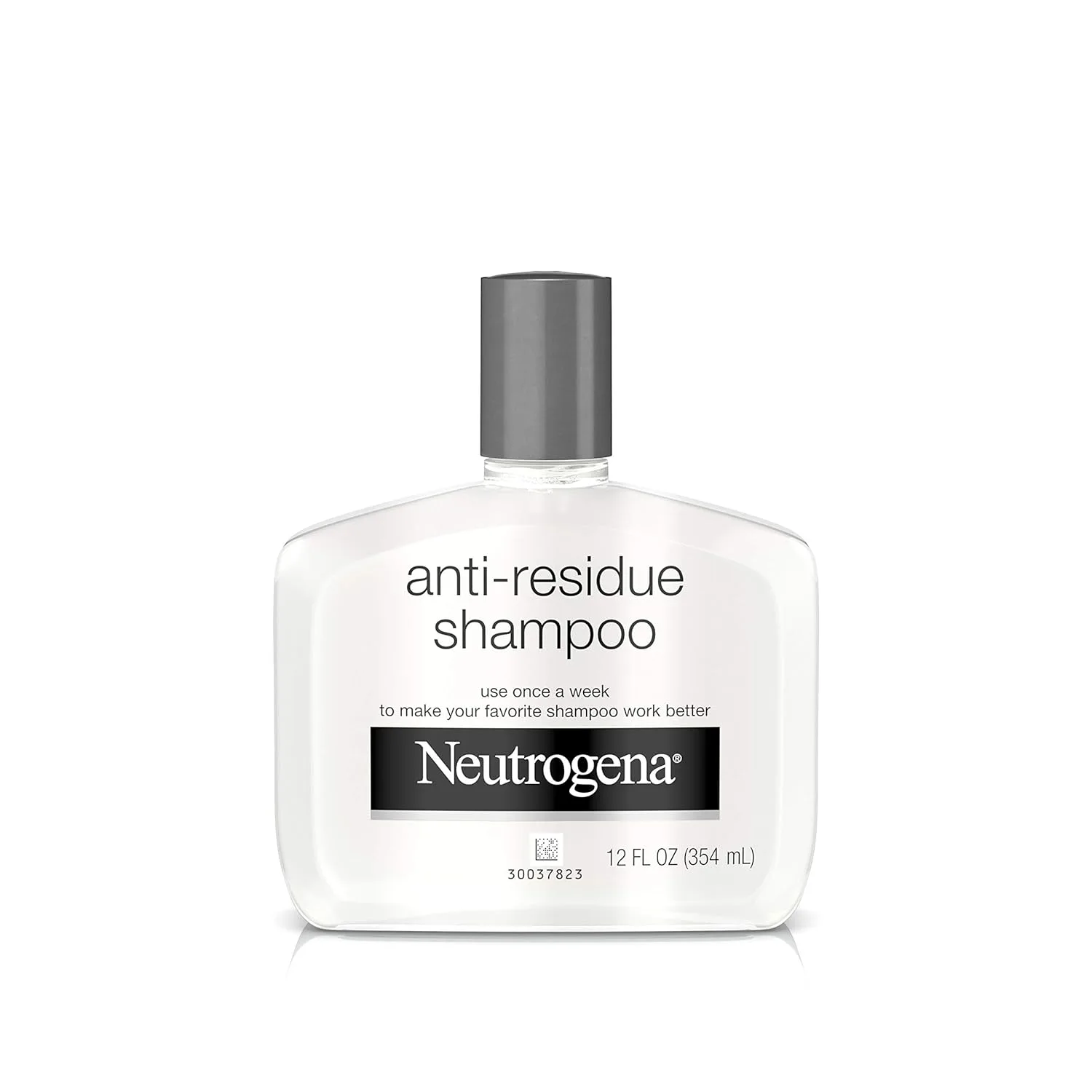
This clarifying shampoo cuts through oil and product buildup like nothing else at the drugstore. The gentle yet effective formula removes up to 90% of heavy, dulling residue without harsh sulfates that overdry your scalp.
The transparent gel texture lathers moderately and rinses clean without leaving any film. Your hair feels genuinely clean and light after use, not coated or weighed down.
What makes this particularly effective for oily scalps is how thoroughly it cleanses without triggering rebound oil production. Many harsh shampoos strip oil so aggressively that your scalp overcompensates by producing more.
This works best as a weekly clarifying treatment rather than daily use. Alternate with a gentler shampoo for regular washing to maintain balance.
Pros:
- Removes up to 90% of buildup
- Non-stripping formula
- Affordable drugstore pricing
- Works quickly and effectively
- Rinses clean completely
- Prevents rebound oil production
Cons:
- Too strong for daily use on most hair
2. OGX Weightless Hydration Coconut Water Shampoo
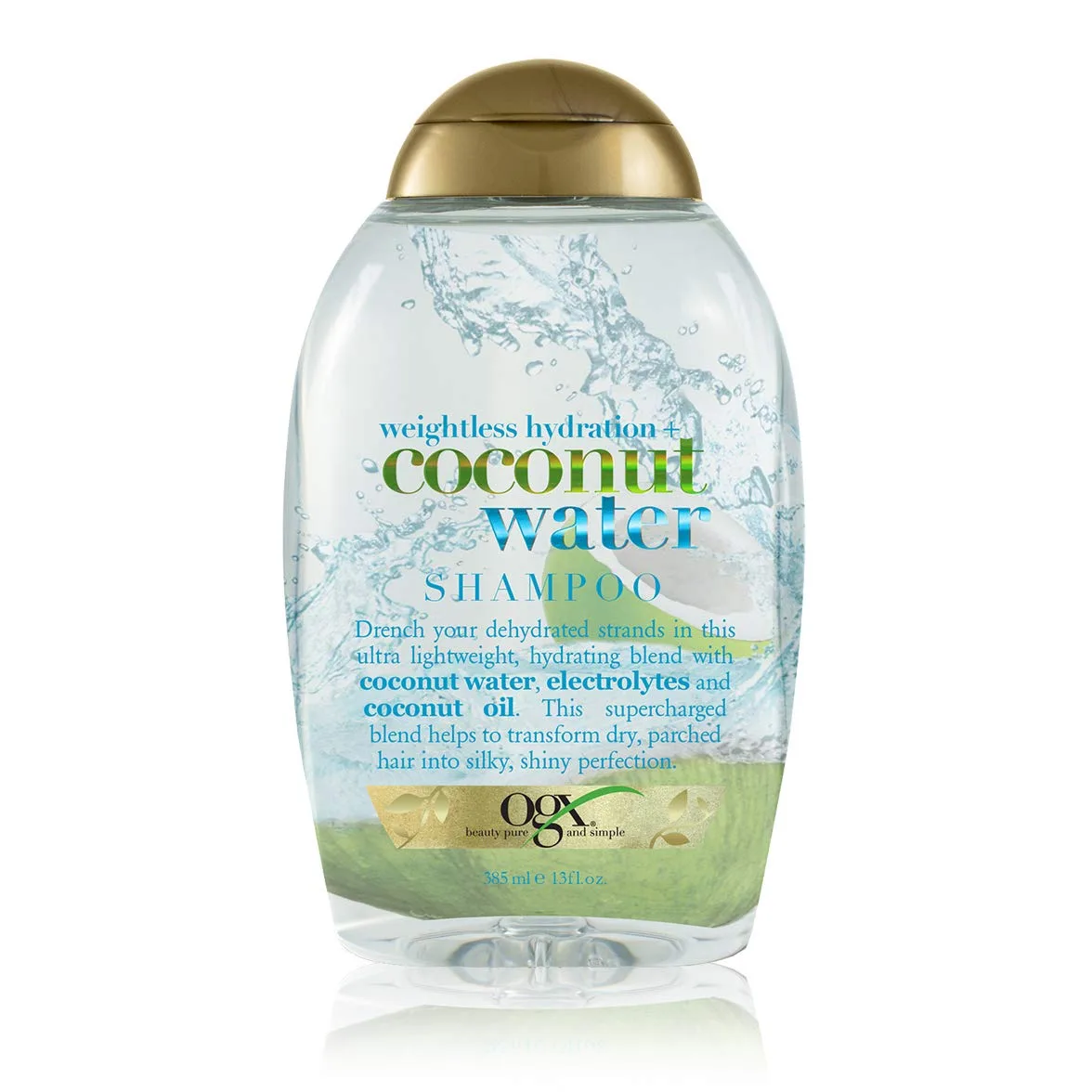
OGX created this lightweight formula specifically for hair that gets oily quickly. The coconut water base cleanses without heavy oils or butters that would weigh hair down.
The formula is sulfate-free but still creates a satisfying lather and removes oil effectively. It smells fresh and tropical without being overwhelming or artificial.
What’s clever is how this balances cleansing with enough moisture to prevent dryness. Your scalp stays balanced, which helps regulate oil production over time.
The shampoo works well for daily use without buildup or stripping. Hair feels clean and bouncy without that squeaky, stripped feeling.
Pros:
- Lightweight formula doesn’t weigh hair down
- Sulfate-free but still cleanses well
- Pleasant coconut water scent
- Suitable for daily use
- Balances scalp oil production
- Affordable and widely available
Cons:
- May not be strong enough for very oily scalps
3. Paul Mitchell Tea Tree Special Shampoo
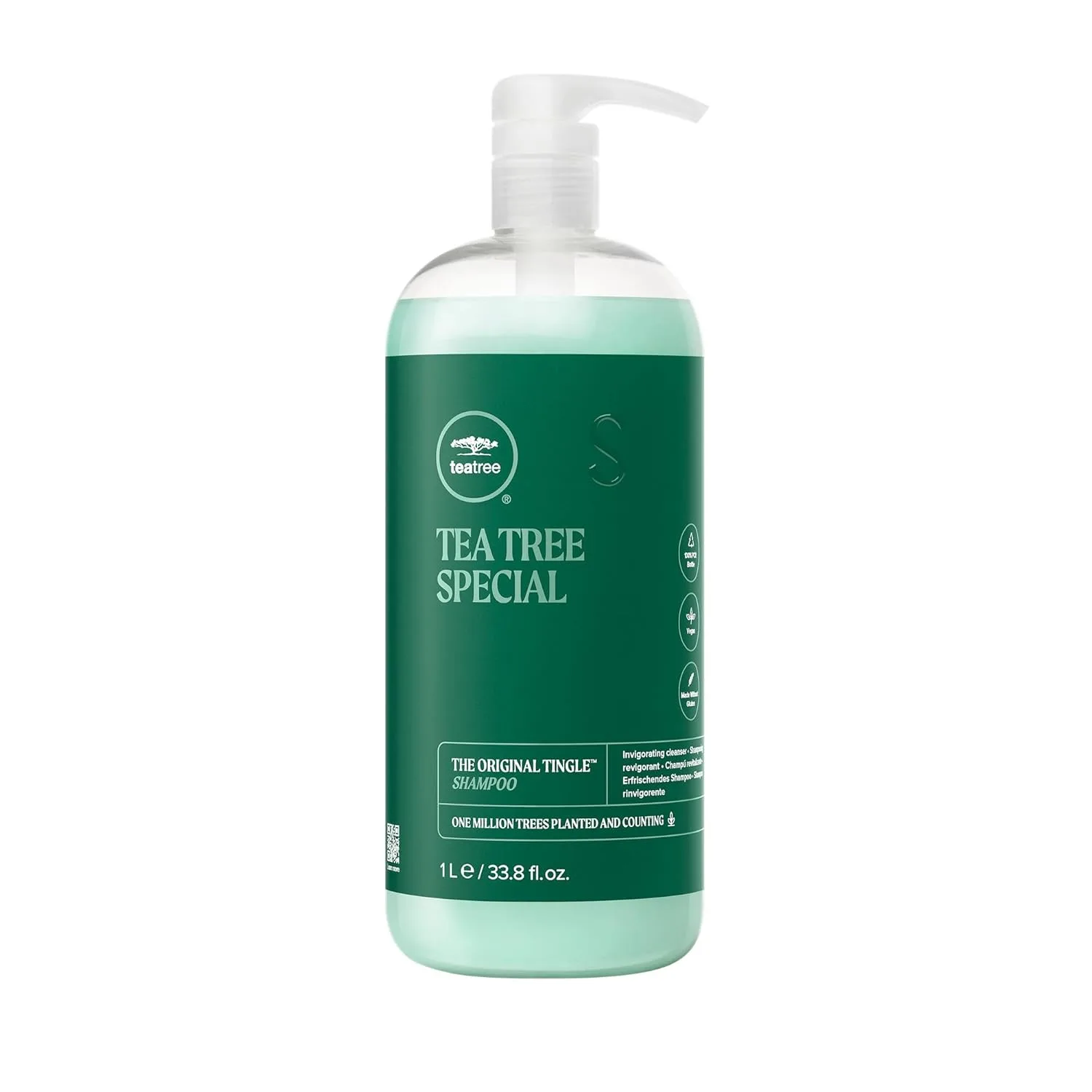
The tea tree oil in this formula is a natural oil regulator and scalp soother. The tingling sensation on your scalp feels refreshing and indicates the tea tree working.
This shampoo provides a deep clean that removes oil and buildup without harsh stripping. The combination of tea tree, peppermint, and lavender leaves your scalp feeling invigorated.
The formula is concentrated, so a little goes a long way. One bottle lasts significantly longer than drugstore shampoos, which justifies the higher price.
Your hair feels completely clean and light after washing. The fresh, herbal scent lingers subtly without being overpowering.
Pros:
- Tea tree oil regulates scalp oil
- Refreshing, tingly sensation
- Concentrated formula lasts long
- Deep cleans without stripping
- Pleasant herbal scent
- Professional-quality results
Cons:
- Higher price than drugstore options
4. Aveeno Apple Cider Vinegar Blend Shampoo
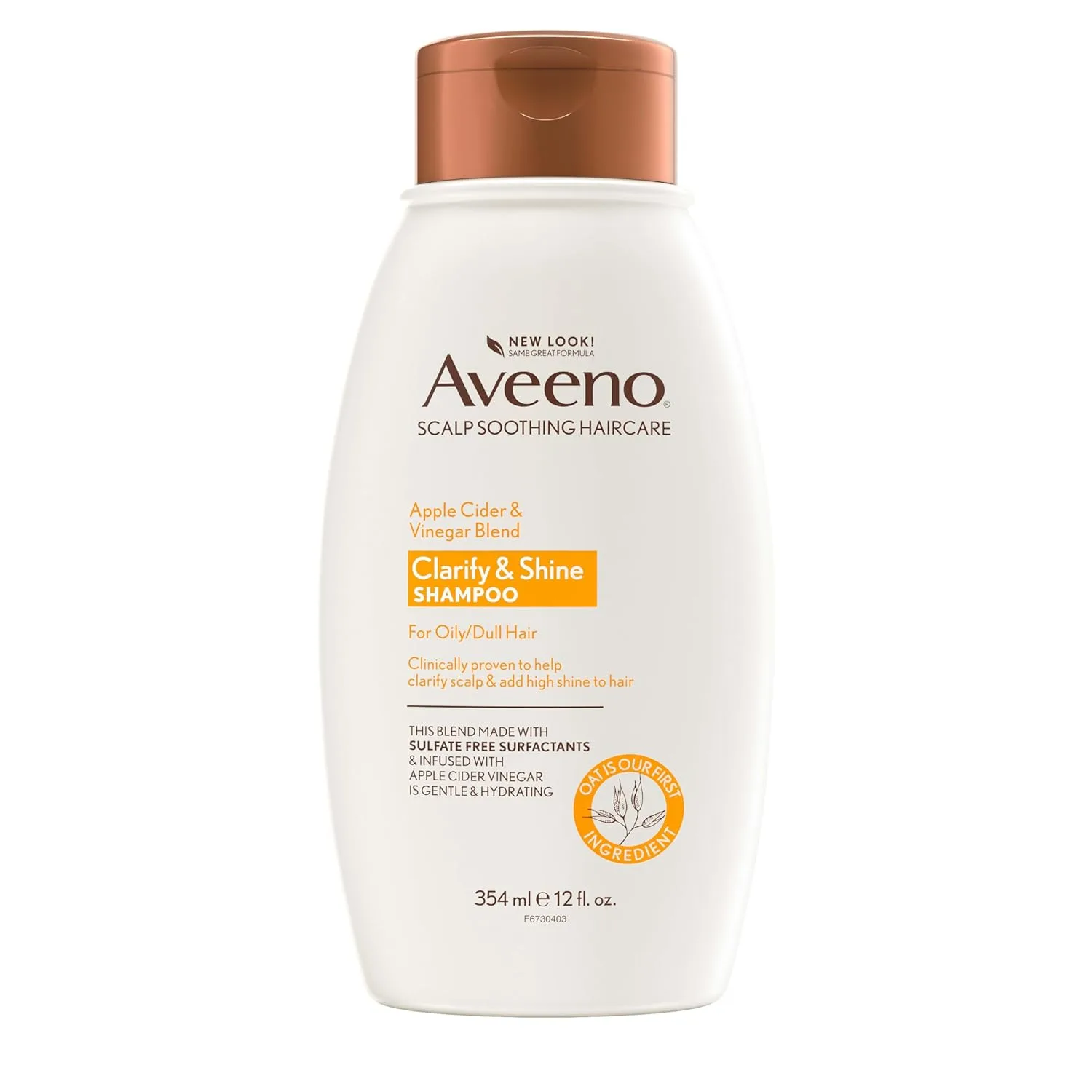
Apple cider vinegar is known for balancing scalp pH and cutting through oil naturally. Aveeno formulated this to harness those benefits in a gentle, daily-use shampoo.
The oat extract soothes any scalp irritation while the ACV clarifies and removes buildup. This combination works well for people whose oily scalps are also sensitive or prone to itching.
The shampoo has a light, fresh scent that doesn’t smell strongly of vinegar. It lathers well despite being sulfate-free and rinses clean without residue.
Regular use helps normalize oil production over time. Many users report being able to extend time between washes after using this consistently.
Pros:
- Apple cider vinegar balances pH
- Oat extract soothes scalp
- Gentle enough for daily use
- Sulfate-free formula
- Helps extend time between washes
- Pleasant, non-vinegar scent
Cons:
- May take weeks to see full balancing effects
5. Olaplex No. 4 Bond Maintenance Shampoo
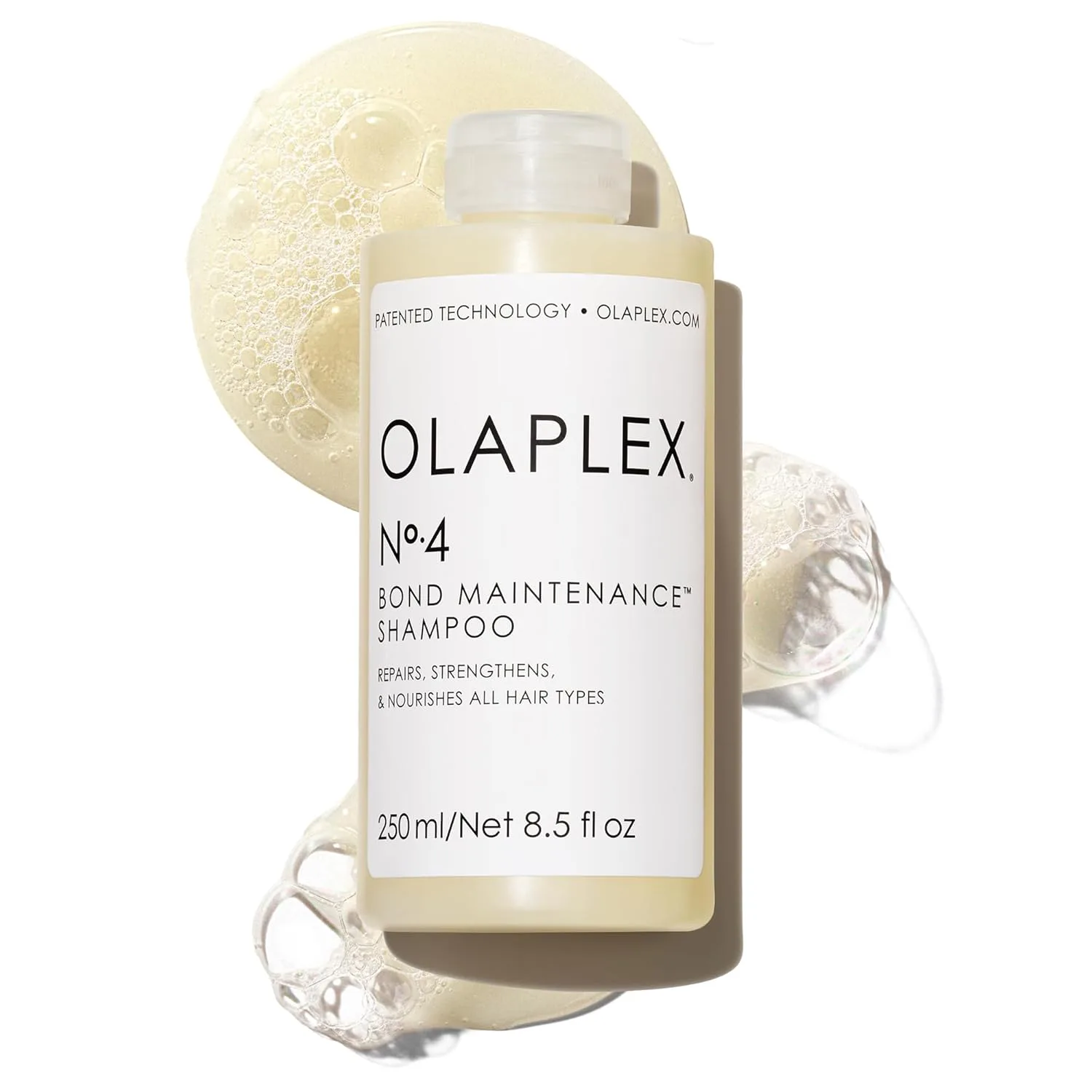
While known for bond-building technology, this shampoo is surprisingly excellent for oily scalps. The concentrated formula cleanses thoroughly with a small amount and doesn’t contain heavy conditioning agents.
The bond-building technology strengthens hair while cleansing, which is beneficial if you’re washing frequently. Frequent washing can damage hair, but this actually improves hair health simultaneously.
The pH-balanced formula maintains scalp health without triggering excess oil production. It’s gentle enough for color-treated hair while being effective enough for oily scalps.
This is a professional-quality shampoo that delivers salon results. The concentrated formula means the bottle lasts months despite the premium price.
Pros:
- Bond-building strengthens hair
- Concentrated, effective formula
- pH-balanced for scalp health
- Safe for color-treated hair
- Gentle yet thorough cleansing
- Long-lasting bottle
Cons:
- Premium pricing
- May be too gentle for extremely oily scalps
6. Head & Shoulders Deep Scalp Cleanse Shampoo
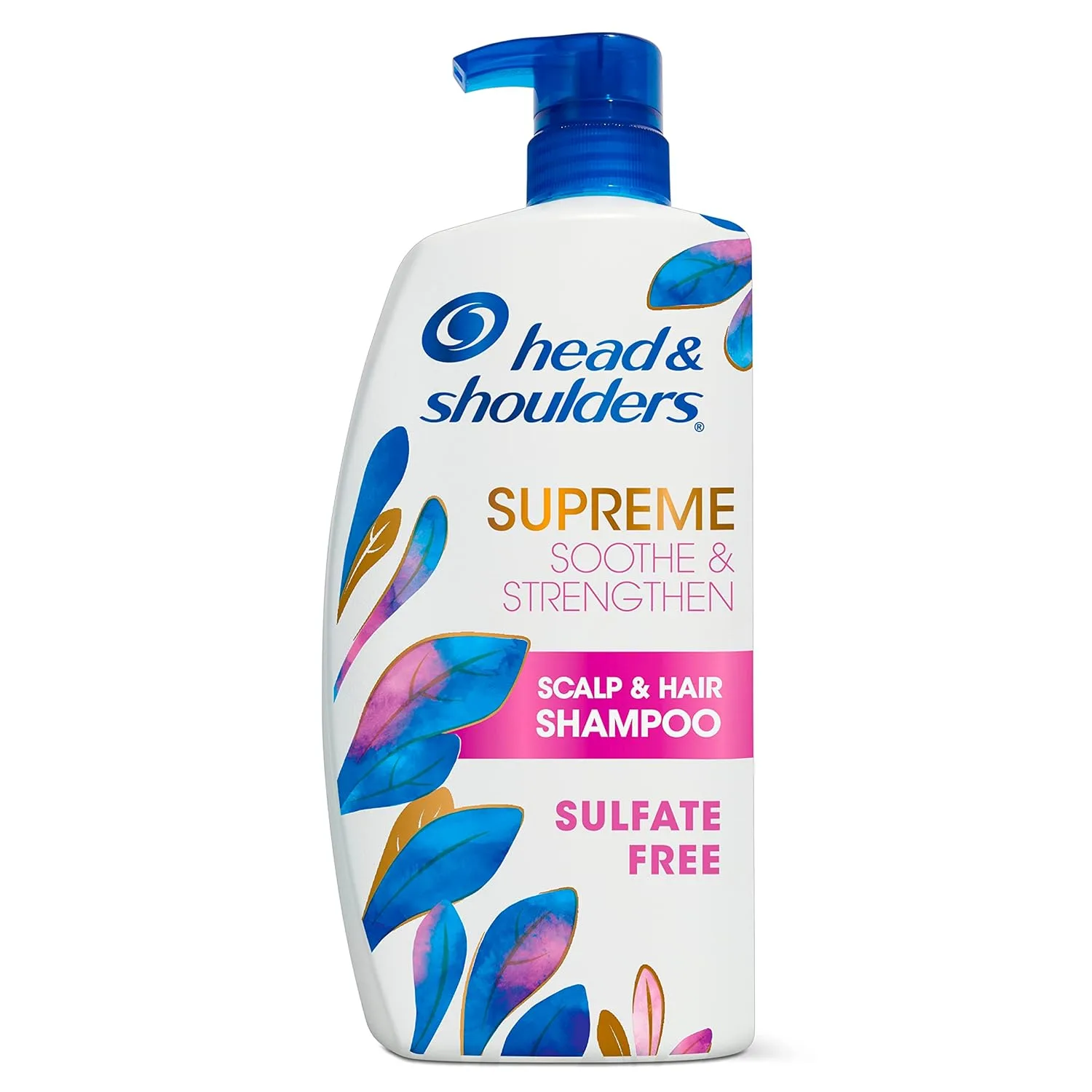
This formula combines dandruff-fighting technology with deep cleansing specifically for oily scalps. The zinc pyrithione controls both oil and flakes effectively.
The micro-exfoliating beads gently remove buildup without harsh scrubbing. Your scalp feels genuinely clean without any residue or coating.
What’s particularly effective is how this addresses multiple scalp issues at once. If your oily scalp also produces flakes, this tackles both problems in one step.
The formula is gentle enough for regular use while being strong enough to control excess oil. Hair feels light and clean without being stripped.
Pros:
- Zinc pyrithione controls oil and dandruff
- Micro-exfoliating beads remove buildup
- Addresses multiple scalp issues
- Gentle enough for frequent use
- Affordable drugstore pricing
- Leaves scalp feeling clean
Cons:
- Medicinal scent not for everyone
7. Maple Holistics Tea Tree Oil Shampoo
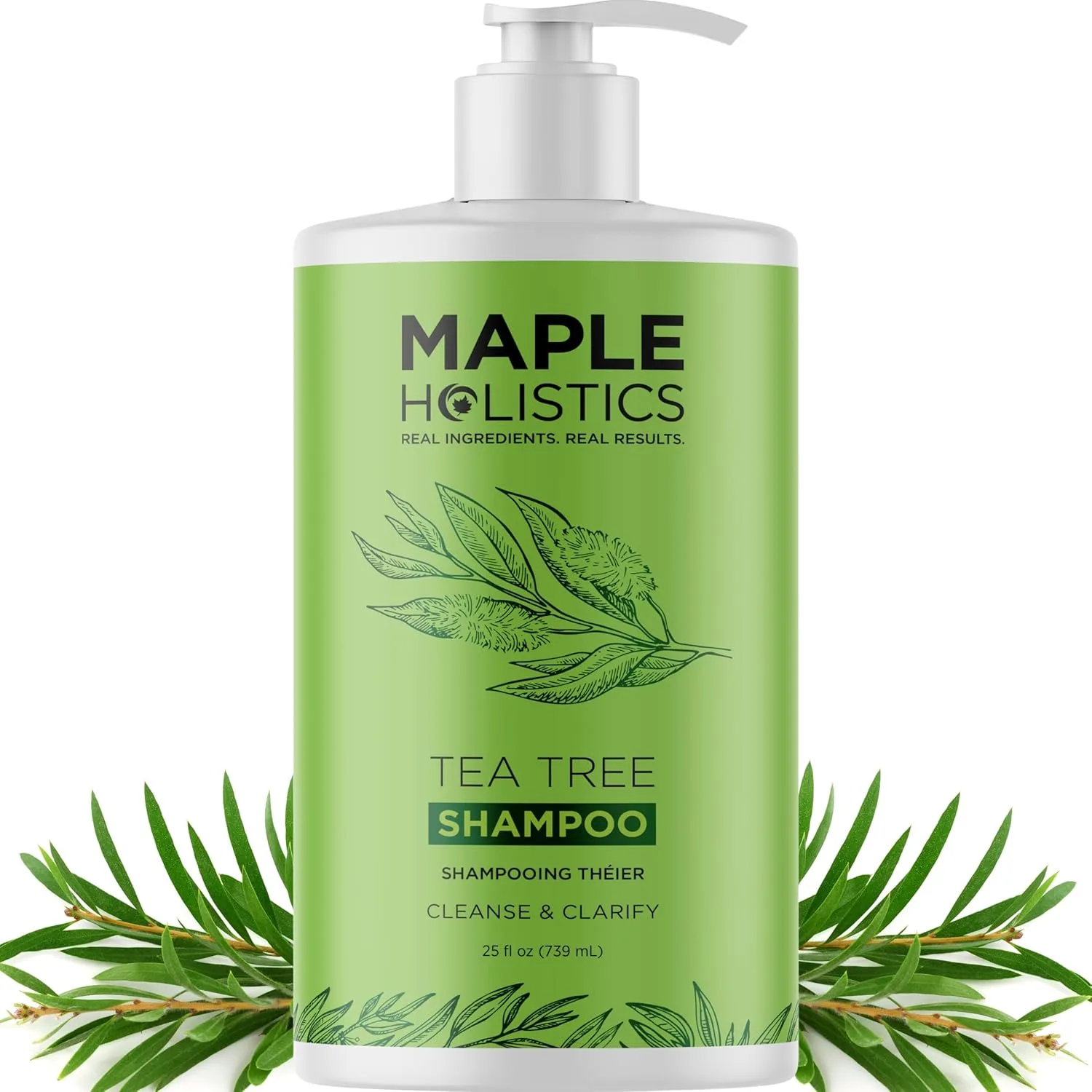
This natural formula uses tea tree oil, rosemary, and lavender to regulate oil production and cleanse the scalp. The botanical ingredients work synergistically to balance sebum without harsh chemicals.
The sulfate-free formula creates a decent lather and rinses clean without leaving residue. The essential oils provide antibacterial benefits while controlling oil.
The scent is strongly herbal, which some people love and others find too intense. It’s definitely a natural, essential oil scent rather than a synthetic fragrance.
Regular use helps reduce how often you need to wash your hair. The balancing effect becomes more noticeable with consistent use over several weeks.
Pros:
- Natural essential oil formula
- Sulfate and paraben-free
- Antibacterial tea tree benefits
- Helps balance oil production
- Cruelty-free and vegan
- Extends time between washes
Cons:
- Strong essential oil scent
- Takes time to see full benefits
Buying Guide
1. Understanding Scalp Oil Production
Your scalp produces sebum naturally to protect hair and skin. Oily scalps produce excess sebum due to genetics, hormones, or environmental factors.
Harsh shampoos that strip all oil trigger your scalp to overcompensate by producing even more. The goal is balancing oil, not eliminating it entirely.
The best shampoos for oily scalp cleanse thoroughly while maintaining enough natural oil to prevent rebound production. This balance takes some trial to find your sweet spot.
2. Key Ingredients to Look For
Tea tree oil is a natural sebum regulator with antibacterial properties. It controls oil while keeping scalp healthy and balanced.
Salicylic acid gently exfoliates the scalp, removing buildup that contributes to greasiness. It’s particularly helpful if your oily scalp also has flakes.
Clay minerals like kaolin or bentonite absorb excess oil without harsh chemicals. They cleanse deeply while being gentle on the scalp.
Witch hazel is a natural astringent that tightens pores and reduces oil production. It’s soothing and works well for sensitive, oily scalps.
3. Sulfate-Free vs Traditional Formulas
Sulfates create rich lather and cleanse powerfully but can strip natural oils too aggressively. This stripping may trigger increased oil production.
Sulfate-free shampoos clean more gently and maintain better scalp balance. They typically have less lather but are equally effective at removing oil.
For very oily scalps, some sulfate-containing formulas work better than gentle alternatives. The key is finding one that cleanses thoroughly without overdrying.
Experiment with both types to see what balances your specific scalp best. Everyone’s oil production responds differently to various cleansing strengths.
4. Clarifying vs Daily Shampoos
Clarifying shampoos provide deep cleansing for weekly or bi-weekly use. They remove stubborn buildup but are too strong for everyday washing.
Daily shampoos balance gentle cleansing with oil control for frequent use. The best shampoos for oily scalp often fall in this category.
Using clarifying shampoo weekly with a gentler daily option gives you the best of both. The clarifying treatment resets your scalp, while daily shampoo maintains balance.
Alternating shampoo types prevents buildup and keeps your scalp responding well to treatment. Scalps can adapt to single products and become less responsive.
5. pH Balance Importance
Healthy scalp pH sits between 4.5 and 5.5, slightly acidic. Shampoos that match this range maintain scalp health and regulate oil production better.
Alkaline shampoos can disrupt scalp pH, triggering increased oil as your scalp tries to restore balance. Check product descriptions for pH information.
Apple cider vinegar shampoos help restore proper pH naturally. They’re particularly effective if you’ve been using harsh, high-pH shampoos.
Maintaining proper pH reduces many scalp issues beyond just oiliness. You might notice less itching, fewer flakes, and healthier hair growth.
6. Washing Frequency Considerations
Overwashing can trigger rebound oil production. Most oily scalps benefit from washing every other day rather than daily.
Quality shampoo allows you to extend time between washes. As your scalp balances, you might find you can wash less frequently.
The best dry shampoo can help extend washes on days when you skip shampooing. Choose oil-absorbing formulas that don’t add heavy buildup.
Train your scalp gradually by extending washes slowly. Don’t jump from daily to every three days immediately.
Proper Washing Technique for Oily Scalps
Focus shampoo on your scalp, not your hair lengths. The scalp is where oil accumulates and needs cleansing.
Massage shampoo into your scalp for at least 60 seconds. This mechanical action helps break up oil and stimulate circulation.
Rinse thoroughly with lukewarm water. Hot water stimulates oil production, while cold water doesn’t remove oil effectively.
Avoid piling hair on top of your head while shampooing. Work in sections to ensure every part of your scalp gets cleaned.
Consider double shampooing if your scalp is very oily. The first wash removes surface oil, the second cleanses deeply.
Lifestyle Factors Affecting Scalp Oil
Diet impacts oil production significantly. High-glycemic foods and excessive dairy can increase sebum production.
Stress triggers hormonal changes that ramp up oil production. Managing stress through exercise or meditation can help regulate your scalp.
Touching your hair frequently transfers oil from your hands to your scalp and hair. Be mindful of how often you’re touching or playing with your hair.
Sleeping on dirty pillowcases redeposits oil and dirt onto your clean hair. Change pillowcases at least twice weekly.
Over-conditioning or using heavy products weighs hair down and can make oiliness more apparent. Choose lightweight, scalp-friendly products.
Conclusion
Finding the best shampoos for oily scalp transforms your daily routine from frustrating to manageable. Whether you choose clarifying formulas like Neutrogena or balancing options like Aveeno, the right shampoo keeps your scalp fresh and your hair looking clean longer.
Start with a shampoo that matches your oil level and hair type. Use proper washing techniques and be patient as your scalp adjusts. Within weeks, you’ll notice you can extend time between washes and enjoy fresher, lighter hair throughout the day.
Frequently Asked Questions
1. How often should I wash my oily scalp?
Most oily scalps benefit from washing every one to two days. Daily washing can work if you’re using a gentle, balanced formula designed for frequent use.
Very harsh daily washing may trigger your scalp to produce more oil. If you notice your scalp getting oilier faster, try extending washes slightly.
Use dry shampoo on non-wash days to absorb excess oil. This extends the time between washes without leaving your hair looking greasy.
2. Can I train my oily scalp to produce less oil?
Yes, gradually extending time between washes can help regulate oil production over time. Your scalp adjusts to less frequent washing by producing less excess oil.
This training process takes several weeks to months of consistency. Don’t expect overnight changes in oil production.
Using balanced, pH-appropriate shampoos helps this training process. Harsh shampoos that strip all oil will sabotage your efforts.
3. Why does my hair get oily so fast after washing?
Several factors contribute to fast oil buildup. Genetics play the biggest role in how much sebum your scalp produces.
Using the wrong shampoo can trigger rebound oil production. Harsh formulas that strip all oil cause your scalp to overcompensate.
Conditioning your scalp or using heavy products near your roots adds to visible oiliness. Keep conditioner on your mid-lengths and ends only.
4. Should I use conditioner if I have an oily scalp?
Yes, but apply it only to your hair lengths and ends, not your scalp. Your scalp produces enough natural oil and doesn’t need additional conditioning.
Choose lightweight conditioners that won’t weigh hair down. Avoid heavy, creamy formulas that coat hair and make oiliness more apparent.
Rinse conditioner thoroughly to prevent residue buildup. Any conditioner left on hair can contribute to a greasy appearance.
5. Do clarifying shampoos dry out hair?
Clarifying shampoos can be drying if used too frequently. They’re designed for deep cleansing, not daily use.
Use clarifying shampoo weekly or bi-weekly, followed by regular shampoo for other washes. This prevents excessive drying while still removing buildup.
Follow clarifying treatments with good conditioner on your lengths. The deep cleansing happens on your scalp, but your ends still need moisture.
6. Will changing shampoos help my oily scalp?
Yes, switching to a formula designed for oily scalps often makes a significant difference. Many people use shampoos that are too heavy or moisturizing for their scalp type.
Look for lightweight, balancing formulas rather than intensely hydrating ones. Your oily scalp needs oil control, not additional moisture.
Give new shampoos at least two weeks before judging effectiveness. Your scalp needs time to adjust to new formulas.
7. Can hormones cause oily scalp?
Yes, hormonal fluctuations significantly impact oil production. Puberty, menstrual cycles, pregnancy, and menopause all affect sebum levels.
If your oily scalp appeared suddenly or worsened dramatically, hormonal changes might be the cause. This is normal and manageable with the right shampoo.
While you can’t control hormonal oil production completely, proper hair care helps manage symptoms. Choose shampoos that balance rather than strip oil.