Your hair has been through it. Heat styling, coloring, chemical treatments, and environmental damage add up quickly. Regular conditioner isn’t cutting it anymore, and your hair feels dry, brittle, or just lifeless.
Hair repair masks go deeper than surface conditioning. They penetrate the hair shaft to rebuild bonds, restore moisture, and reverse damage at a structural level. The right mask can transform straw-like hair into soft, manageable strands.
Top 3 Hair Repair Masks
- Best Overall: Olaplex No. 8 Bond Intense Moisture Mask
- Best for Dry,Damaged hair: Briogeo Don’t Despair, Repair! Deep Conditioning Mask
- Best for Moisture: Shea Moisture Manuka Honey & Mafura Oil Hair Masque
Best Hair Repair Masks Product Reviews
1. Olaplex No. 8 Bond Intense Moisture Mask
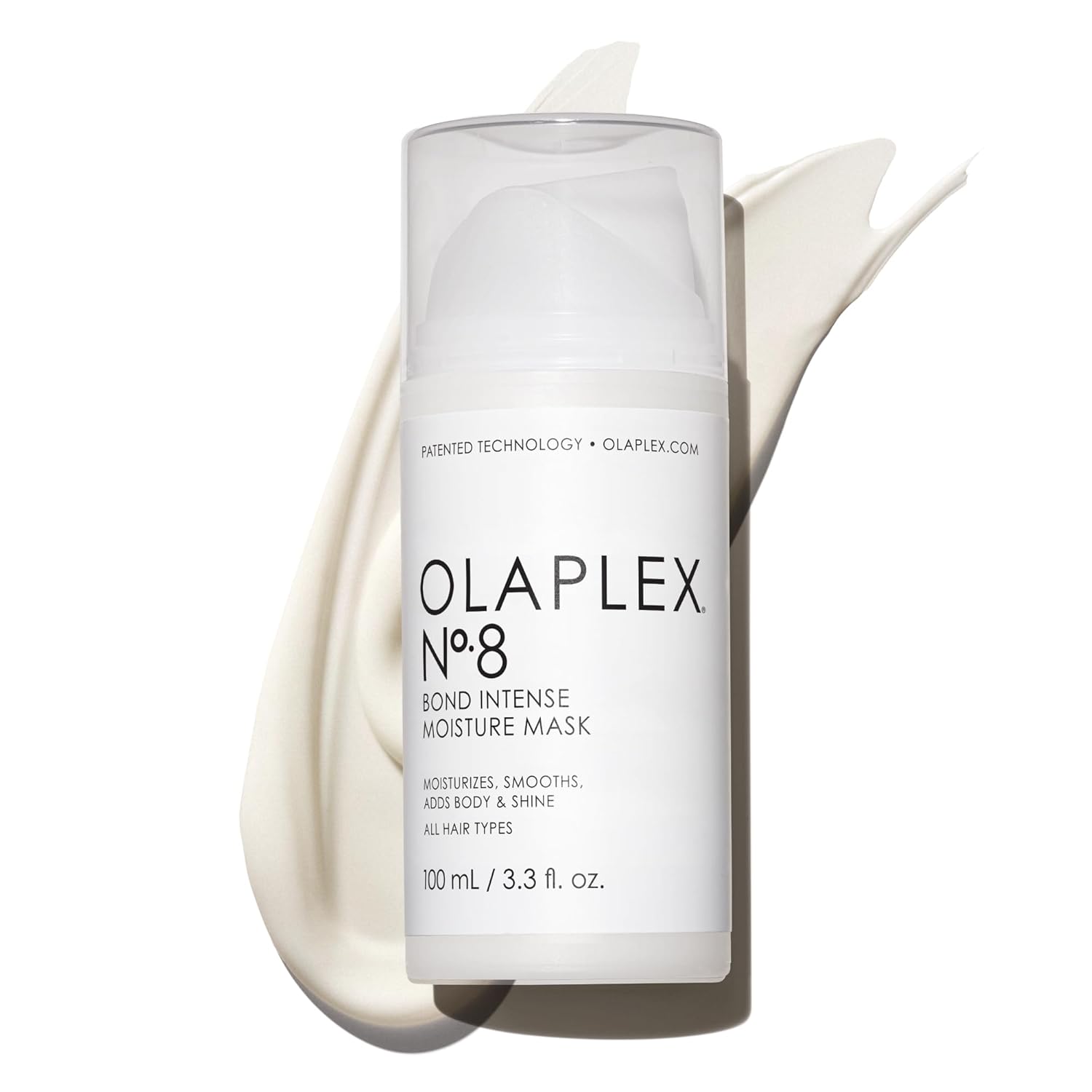
This mask uses Olaplex’s patented bond-building technology to repair hair from the inside out. The formula rebuilds broken disulfide bonds that chemical processing and heat damage destroy. It’s particularly effective for bleached or heavily colored hair.
The treatment works quickly, requiring only ten minutes to deliver visible results. Hair feels noticeably stronger, softer, and more manageable after a single use. The cumulative effect of regular use is dramatic transformation.
What sets this apart is the actual repair happening at a molecular level. This isn’t just coating hair with silicones for temporary smoothness. The bond-building technology creates lasting improvement in hair structure and strength.
The formula is concentrated, so a little product goes far. The mask works on all hair types from fine to coarse. Weekly use maintains healthy hair while more damaged hair benefits from twice-weekly application.
Pros:
- Patented bond-building technology
- Repairs chemical and heat damage
- Works in just 10 minutes
- Suitable for all hair types
- Concentrated formula lasts long
- Creates lasting structural repair
- Noticeably strengthens hair
Cons:
- Premium price point
2. Briogeo Don’t Despair, Repair! Deep Conditioning Mask
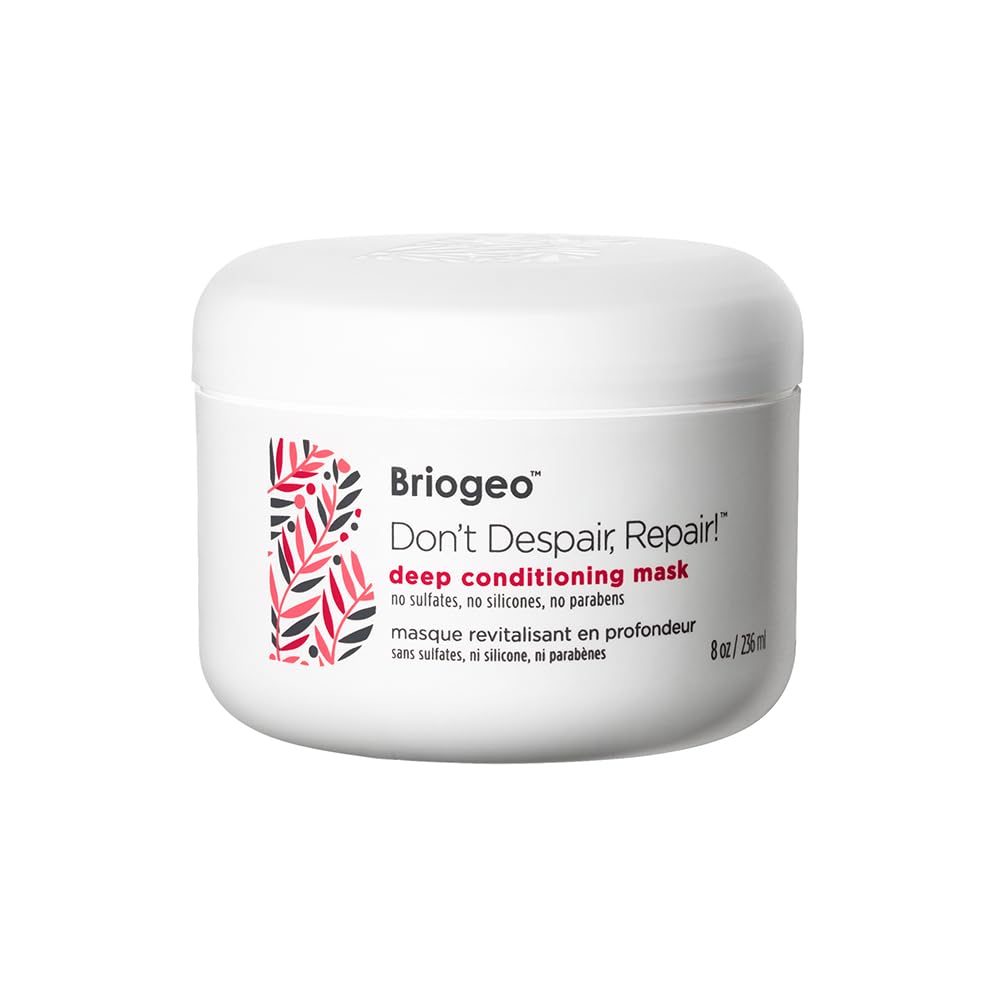
This clean beauty mask uses algae extract, biotin, and B-vitamins to repair damaged hair. The rich, creamy formula penetrates deeply to restore moisture and strength. It’s free from silicones, parabens, and sulfates.
The deep conditioner mask works quickly, delivering results in just five minutes for mild damage. Severely damaged hair benefits from ten to fifteen minute application. Hair emerges softer, shinier, and significantly more manageable.
What’s impressive is the clean formula that doesn’t sacrifice performance. The algae extract provides omega-3 fatty acids that nourish and strengthen. Biotin and B-vitamins support healthy hair structure and growth.
The mask rinses clean without leaving heavy residue. It doesn’t weigh hair down or create buildup with regular use. The rosehip and argan oils provide lightweight moisture without greasiness.
Pros:
- Clean formula without harsh chemicals
- Algae extract and biotin for repair
- Works in 5-10 minutes
- Suitable for color-treated hair
- Rinses clean without buildup
- Pleasant natural fragrance
- Lightweight moisture
Cons:
- May need longer processing for severe damage
3. Shea Moisture Manuka Honey & Mafura Oil Intensive Hydration Hair Masque
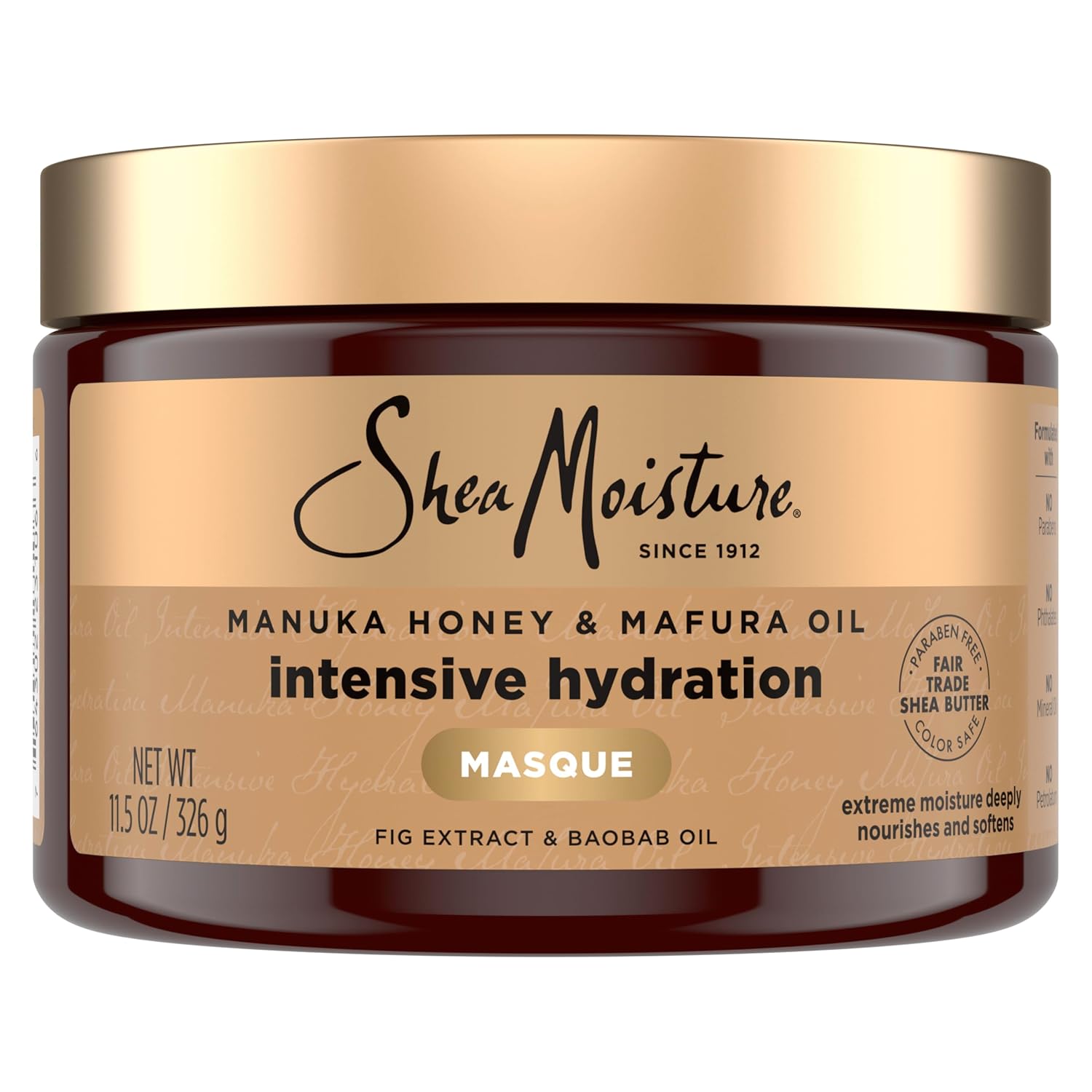
This deeply hydrating mask uses manuka honey and mafura oil to restore moisture to dry, damaged hair. The rich formula is particularly effective for curly, coily, and textured hair that needs serious moisture. The treatment provides slip that makes detangling easier.
The honey acts as a humectant, drawing moisture into hair and sealing it in. Mafura oil from Africa deeply nourishes and softens even the driest strands. Fig extract adds shine and manageability.
What makes this special is the affordability for the quality you get. This performs comparably to salon masks at a fraction of the price. The large jar provides excellent value for regular use.
The mask works best with heat for maximum penetration. Apply to damp hair, cover with shower cap, and let it work for fifteen to thirty minutes. The results are noticeably softer, more hydrated hair.
Pros:
- Deeply hydrating formula
- Manuka honey and mafura oil
- Excellent for textured hair
- Provides slip for detangling
- Affordable pricing
- Large jar for value
- Works well with heat
Cons:
- Rich formula may be heavy for fine hair
4. K18 Leave-In Molecular Repair Hair Mask
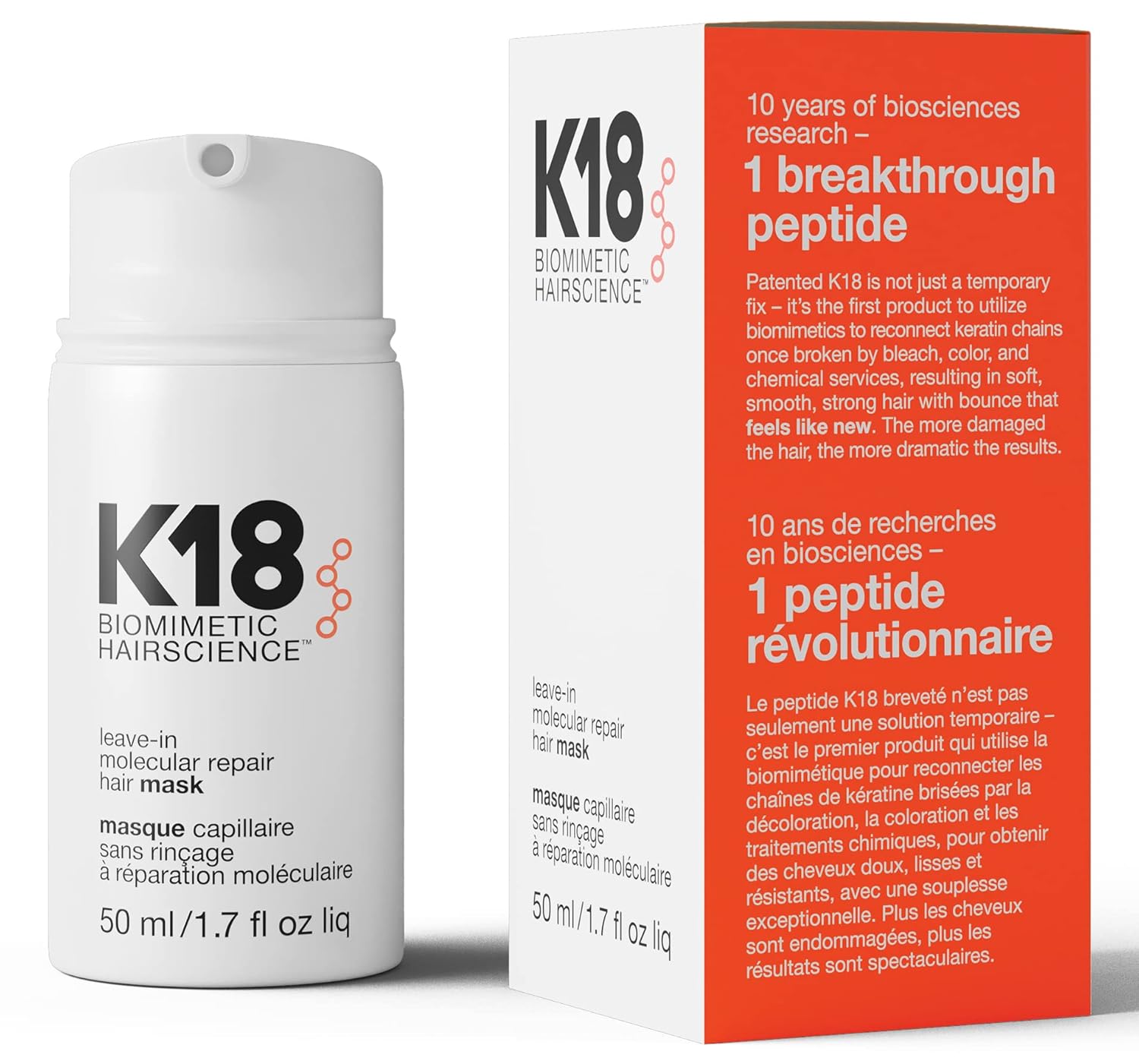
This innovative treatment works in just four minutes to reverse damage. The patented K18Peptide penetrates to the innermost layers of hair to repair damage from chemical services, thermal styling, and mechanical styling. It’s a leave-in treatment that doesn’t require rinsing.
The science behind this is impressive. The K18Peptide is small enough to reach the core of hair fibers where damage occurs. It reconnects broken keratin chains, reversing damage rather than just coating it.
What’s revolutionary is the four-minute processing time and leave-in format. You don’t need to rinse, which means the peptide continues working after you style. Hair becomes progressively healthier with each use.
The treatment works on all hair types and all types of damage. Results are visible immediately, with hair feeling stronger and looking shinier. Continued use shows cumulative improvement over time.
Pros:
- Revolutionary peptide technology
- Works in just 4 minutes
- Leave-in format continues working
- Reverses multiple damage types
- Suitable for all hair types
- Immediate visible results
- Cumulative improvement over time
Cons:
- Premium price for small bottle
5. Moroccanoil Intense Hydrating Mask
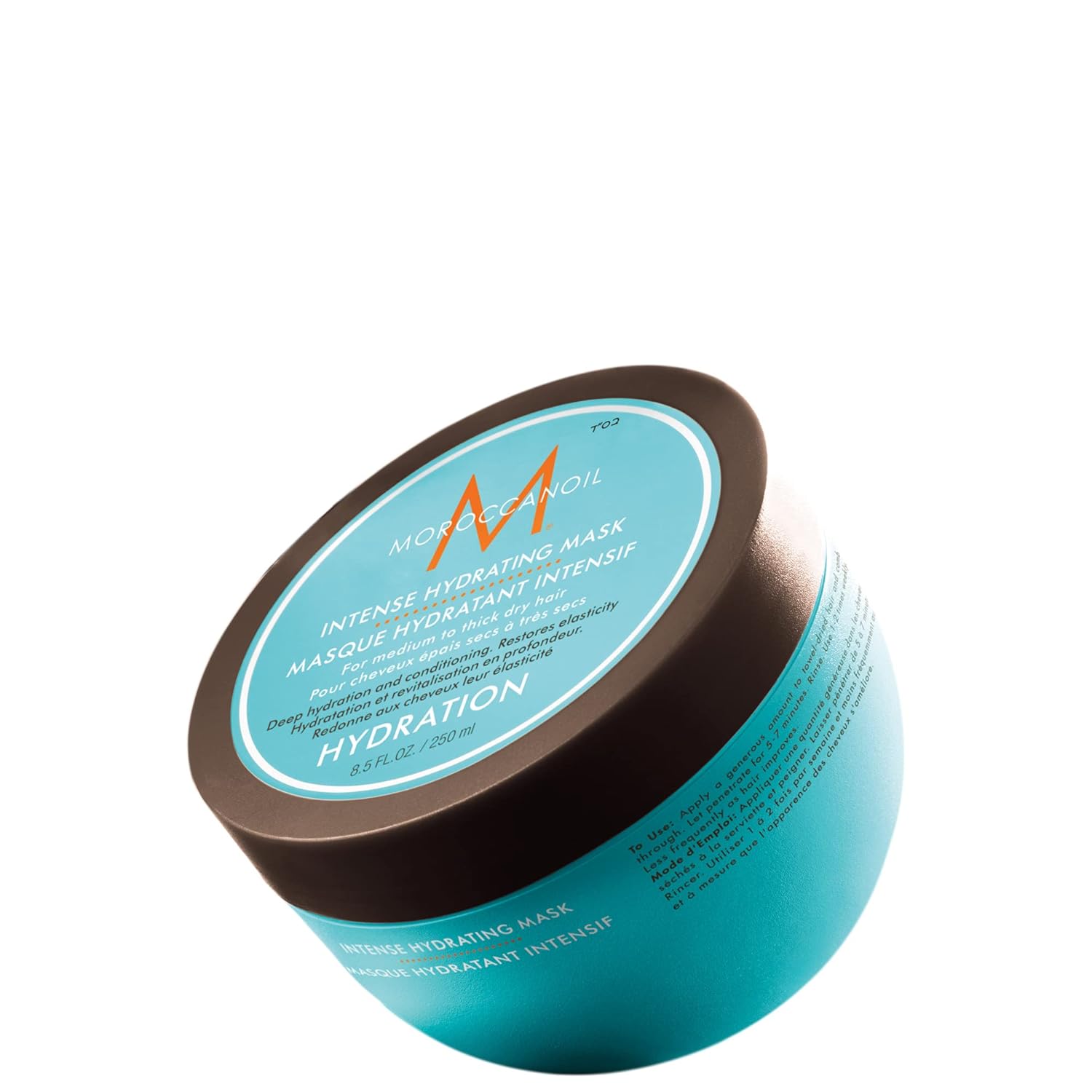
This argan oil-infused mask delivers serious hydration to dry, damaged hair. The formula uses the highest concentration of argan oil in the Moroccanoil line. It rebuilds hair from within while smoothing the cuticle for shine.
The treatment works quickly, requiring only five to seven minutes for noticeable results. Severely damaged hair benefits from longer application with heat. The mask transforms dry, brittle hair into soft, manageable strands.
What’s particularly effective is the combination of argan oil with protein-rich ingredients. This dual approach addresses both moisture loss and structural damage. Hair gains strength while becoming silkier.
The formula rinses clean without leaving greasy residue. It doesn’t build up with regular use, making it suitable for weekly or bi-weekly treatments. The signature Moroccanoil scent is pleasant and subtle.
Pros:
- Highest argan oil concentration
- Rebuilds and smooths simultaneously
- Works in 5-7 minutes
- No greasy residue
- Suitable for regular use
- Pleasant signature scent
- Effective on multiple damage types
Cons:
- May be too rich for very fine hair
6. Aussie 3 Minute Miracle Moist Deep Conditioner
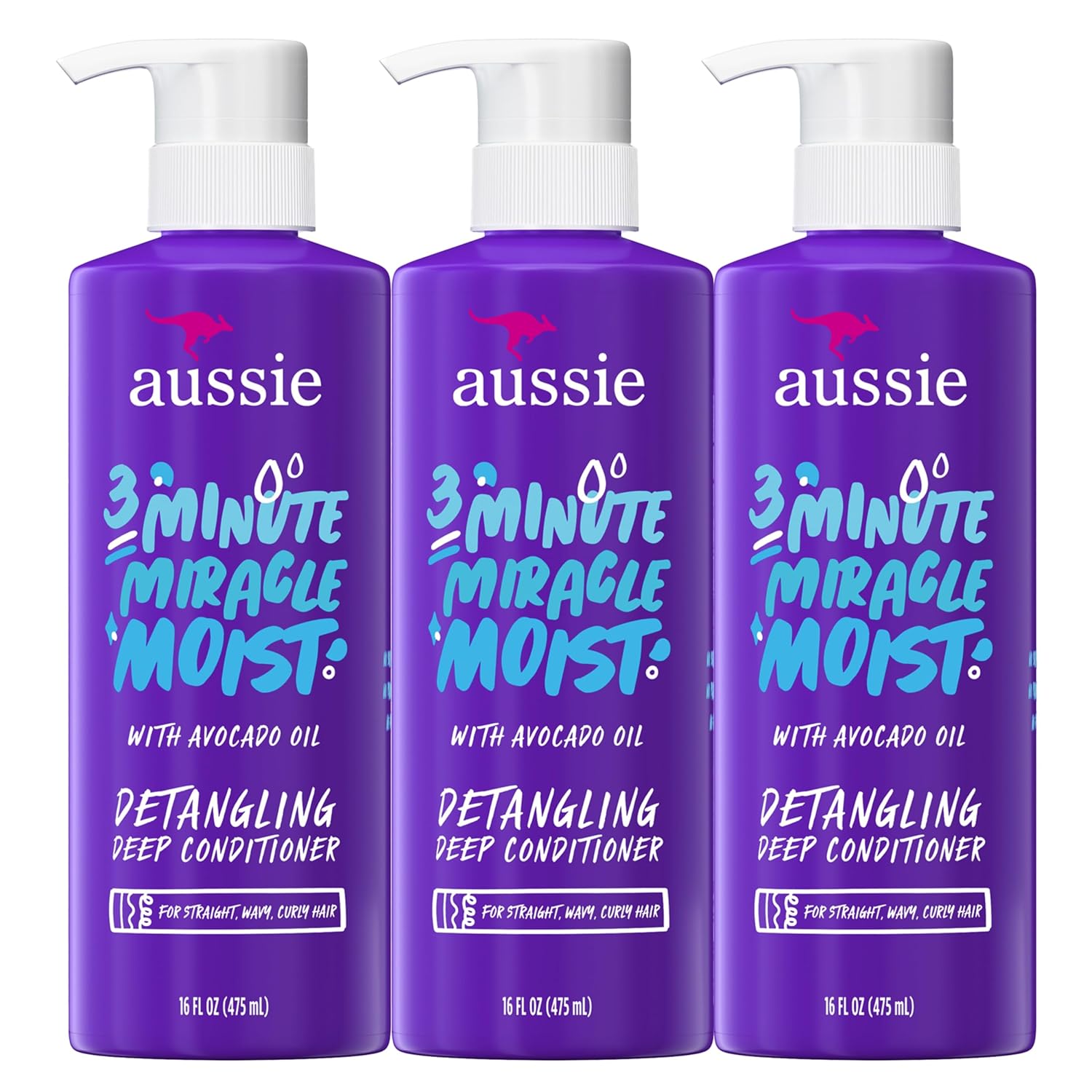
This drugstore hero delivers impressive results at an unbeatable price. The formula uses Australian macadamia nut oil and aloe to deeply condition dry hair. True to its name, it works in just three minutes.
The treatment provides noticeable softness and manageability after a single use. While not as transformative as salon treatments for severe damage, it maintains healthy hair and repairs minor damage effectively.
What’s remarkable is the value. This costs less than many regular conditioners while performing as a treatment mask. The large bottle lasts months even with twice-weekly use.
The formula works particularly well on normal to thick hair that needs moisture boost. It rinses clean and doesn’t weigh hair down. The fresh scent is pleasant without being overwhelming.
Pros:
- Extremely affordable
- Works in 3 minutes
- Australian macadamia nut oil
- Large bottle for value
- Pleasant fresh scent
- Doesn’t weigh hair down
- Good for regular maintenance
Cons:
- Not intensive enough for severe damage
7. Verb Ghost Prep Mask
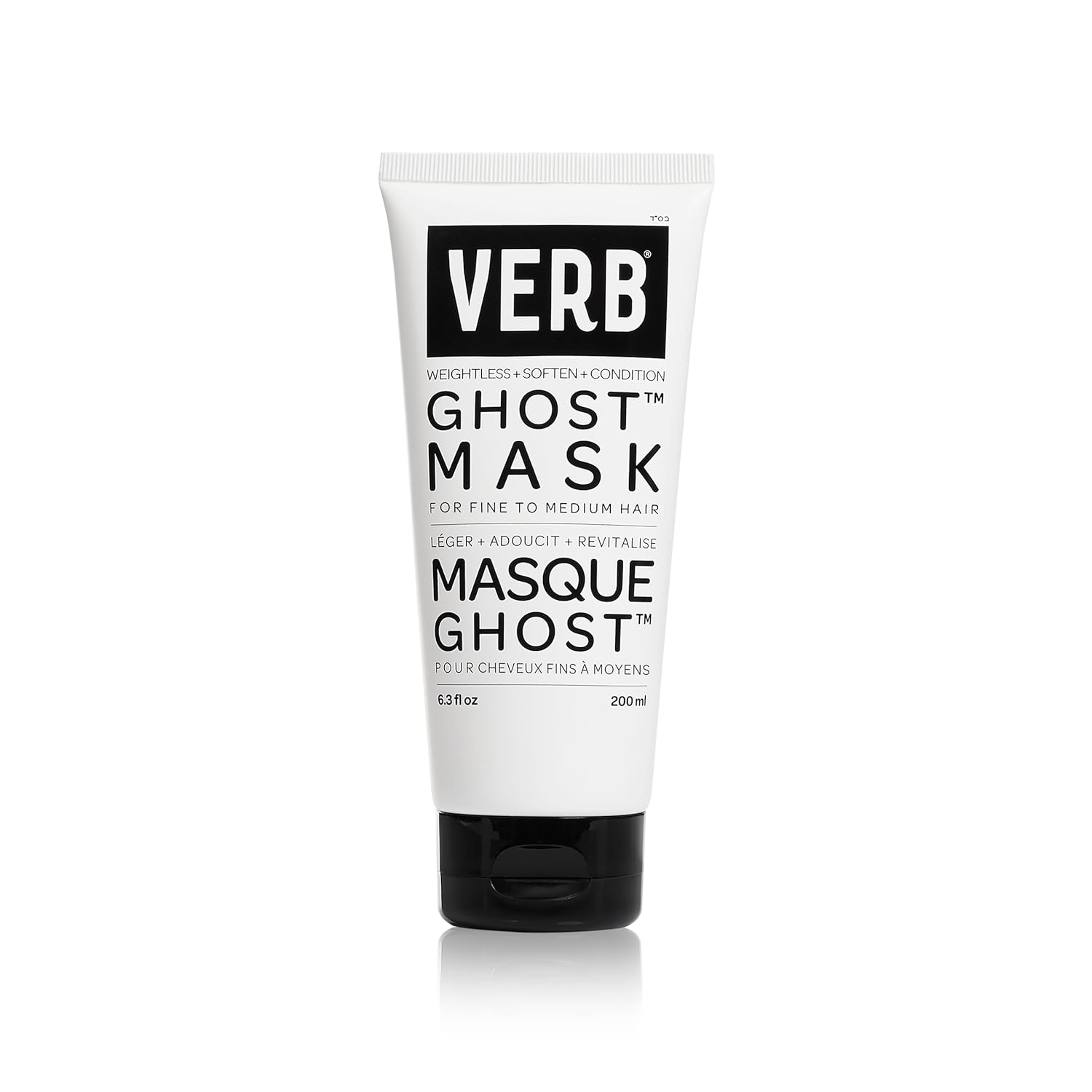
This lightweight treatment mask is perfect for fine or thin hair that needs repair without weight. The formula uses moringa seed oil to strengthen and nourish without heaviness. It works on damp hair before styling.
The treatment acts as both a mask and a heat protectant, simplifying your routine. Apply before blow-drying for protection and conditioning in one step. Hair dries softer and more manageable.
What’s unique is the weightless formula that suits hair types that typically can’t handle heavy masks. Fine hair gets strengthening benefits without becoming limp or greasy. The moringa oil is packed with nutrients.
The mask works quickly, requiring no specific processing time. Apply to damp hair, comb through, and style as normal. Results are immediate with ongoing improvement from regular use.
Pros:
- Lightweight formula for fine hair
- Acts as heat protectant
- No processing time needed
- Moringa seed oil for strength
- Won’t weigh hair down
- Works on damp hair
- Simplifies styling routine
Cons:
- May not be intensive enough for severe damage
Buying Guide for the Best Hair Repair Masks
1. Identifying Your Damage Type
Different types of damage require different repair approaches. Chemical damage from coloring or relaxing needs bond-building treatments. Heat damage from styling tools benefits from protein and moisture restoration. Mechanical damage from brushing or tight hairstyles requires strengthening formulas.
Environmental damage from sun and pollution needs antioxidants and moisture. Color-treated hair needs color-safe formulas that won’t strip dye. Identify your primary damage source to choose the most effective treatment.
2. Understanding Key Repair Ingredients
Bond-building ingredients like bis-aminopropyl diglycol dimaleate repair broken protein bonds in hair. Proteins like keratin and collagen strengthen hair structure. Peptides penetrate deeply to repair from within.
Oils like argan, coconut, and marula provide moisture and nourishment. Humectants like honey and glycerin draw moisture into hair. Ceramides seal the cuticle to prevent future damage. Look for these ingredients based on your hair’s needs.
3. Treatment Time Considerations
Quick masks work in three to ten minutes, perfect for busy schedules. Deep conditioning treatments require fifteen to thirty minutes but provide more intensive repair. Leave-in masks offer convenience without rinsing.
Consider your typical routine when choosing. If you shower quickly, opt for fast-acting formulas. If you enjoy longer self-care sessions, intensive masks maximize that time. Overnight treatments work while you sleep for ultimate convenience.
4. Hair Type Compatibility
Fine hair needs lightweight formulas that strengthen without weighing down. Look for protein-rich masks that build strength. Thick or coarse hair can handle rich, heavy masks with oils and butters.
Curly and coily hair benefits from extremely moisturizing formulas with slip for detangling. Straight hair needs balanced formulas that condition without creating limpness. Porosity also matters: high porosity hair needs protein, low porosity needs lightweight moisture.
5. Frequency of Use
Severely damaged hair benefits from twice-weekly masking until improvement shows. Moderately damaged hair needs weekly treatments. Healthy hair maintains condition with bi-weekly or monthly masks.
Over-masking can cause buildup or protein overload. Pay attention to how your hair responds. If it becomes limp, greasy, or stiff, reduce frequency. Hair that stays dry needs more frequent treatments.
6. Application Method Matters
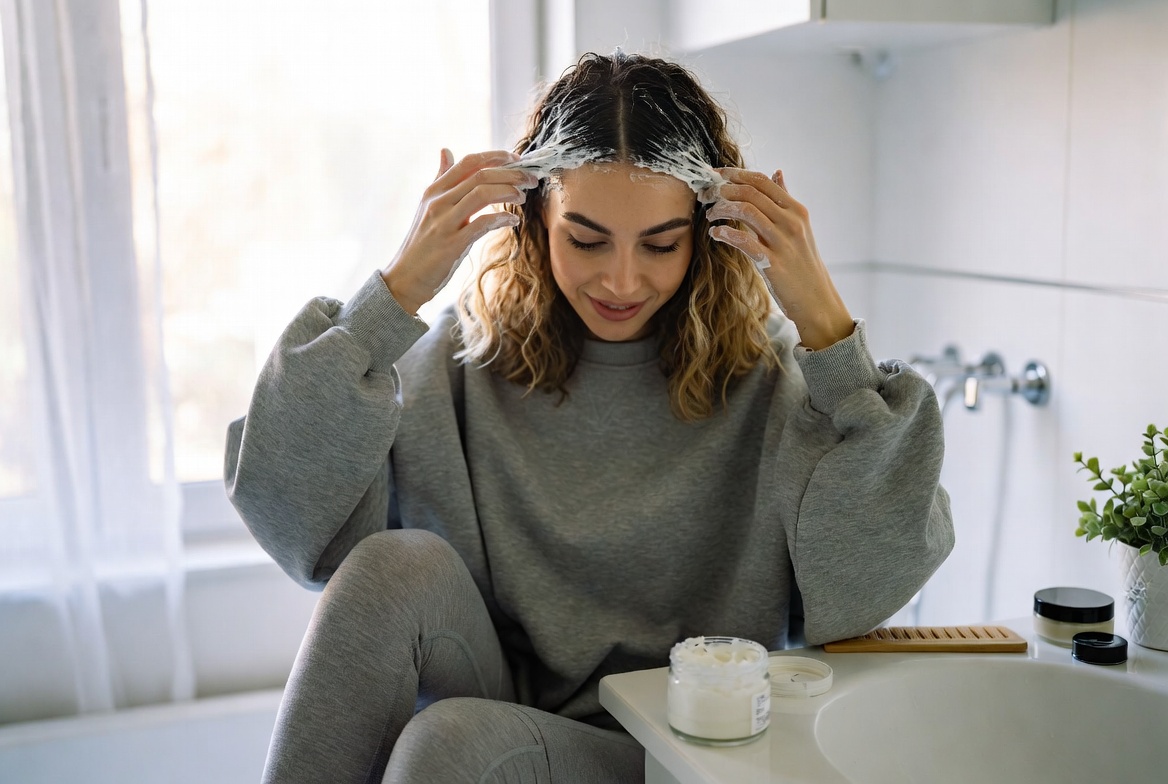
Most masks work on freshly shampooed, towel-dried hair. Apply from mid-length to ends, avoiding roots unless specifically directed. Use a wide-tooth comb to distribute evenly through hair.
Heat enhances penetration for most masks. Cover with a shower cap and use a hair dryer for five minutes or wrap in a warm towel. Some treatments specify no heat. Always follow product instructions for best results.
Maximizing Hair Mask Effectiveness
1. Proper Preparation
Shampoo hair thoroughly before masking to remove product buildup and oils. Clean hair allows better mask penetration. Towel-dry hair so it’s damp but not dripping wet.
Squeeze excess water from hair before applying mask. Too much water dilutes the treatment and reduces effectiveness. Hair should be damp enough to distribute product but not so wet that it runs off.
2. Strategic Application
Focus mask application on mid-lengths and ends where damage concentrates. Avoid roots unless you have very dry scalp or the mask specifically states root application. Too much product at roots causes greasiness.
Use a wide-tooth comb or fingers to distribute mask evenly through hair. Section hair if it’s very thick to ensure all strands get treatment. Don’t skimp on product, you need adequate coverage for results.
3. Processing Optimization
Follow recommended processing times as minimum, not maximum. Hair can benefit from longer treatment time especially with heat. However, leaving certain protein masks on too long can cause stiffness.
Add heat when possible for deeper penetration. Wrap hair in a warm towel, use a hair dryer for five to ten minutes, or wear a heated cap. Heat opens the cuticle allowing ingredients to penetrate deeper.
4. Thorough Rinsing
Rinse mask completely from hair with lukewarm water. Incomplete rinsing leaves residue that causes buildup, weighing hair down and making it look greasy. Rinse until water runs clear.
Finish with a cool water rinse to seal the cuticle. This locks in treatment benefits and adds shine. Cool water closes the cuticle which was opened during treatment.
Conclusion
Hair repair masks are non-negotiable for damaged hair recovery. Whether you invest in Olaplex’s bond-building technology or work with affordable Shea Moisture, consistent masking transforms hair health dramatically.
Choose your mask based on your specific damage type and hair needs. Apply properly with adequate processing time. Your hair will reward your efforts with renewed strength, shine, and manageability.
Frequently Asked Questions
1. How often should I use a hair repair mask?
Severely damaged hair benefits from twice-weekly masking until you see improvement. Moderately damaged hair needs weekly treatments. Healthy hair maintains condition with masks every two to four weeks.
Pay attention to how your hair responds rather than following rigid schedules. If hair feels limp or greasy, reduce frequency. If it stays dry and damaged, increase treatments. Adjust based on your hair’s actual needs.
2. Can I leave a hair mask on overnight?
Some masks are designed for overnight use and specify this in instructions. Regular rinse-out masks aren’t formulated for overnight application and may cause protein overload or greasiness if left on too long.
Check product instructions before overnight use. Leave-in treatments or overnight-specific masks work while you sleep. Protect your pillowcase with an old towel or sleep cap when using overnight treatments.
3. Do I need regular conditioner if I use hair masks?
Yes, hair masks are intensive treatments, not replacements for daily conditioning. Use regular conditioner after every shampoo for baseline moisture and detangling. Masks are supplemental treatments used weekly or bi-weekly for deeper repair.
Think of conditioner as daily maintenance and masks as intensive repair sessions. Both serve different purposes in hair care. Masks alone won’t provide adequate daily conditioning for most hair types.
4. Why isn’t my hair mask working?
Several factors affect mask effectiveness. You might not be using the right mask for your damage type. Protein-overloaded hair won’t improve with more protein masks. Buildup from styling products can prevent mask penetration.
Ensure you’re applying enough product and processing for adequate time. Use heat if recommended. Some severely damaged hair needs professional treatment beyond at-home masks. Consider clarifying shampoo before masking to remove buildup.
5. Can hair masks repair split ends?
Hair masks cannot repair split ends once they’ve formed. Split ends are permanent damage requiring trimming. However, masks prevent further splitting and improve overall hair condition to minimize future splits.
Regular masking strengthens hair to resist splitting. It also smooths the cuticle which reduces friction that causes splits. While masks won’t magically mend splits, they prevent new damage from occurring.
6. Should I use heat with my hair mask?
Heat enhances most hair masks’ effectiveness by opening the hair cuticle for better ingredient penetration. Wrap hair in a warm towel, use a hair dryer, or wear a heated cap during processing.
Some treatments specifically advise against heat. Always check product instructions. If no heat guidance is given, adding warmth typically improves results without causing harm.
7. Can I use hair masks on oily scalp?
Apply masks from mid-length to ends only if you have oily scalp. Avoid roots and scalp unless the mask specifically targets scalp treatment. Focus on the damaged ends that need moisture and repair.
Some masks designed for scalp health can be applied to roots. Read instructions carefully. Most hair repair masks are too rich for oily scalps and will cause greasiness if applied at roots.