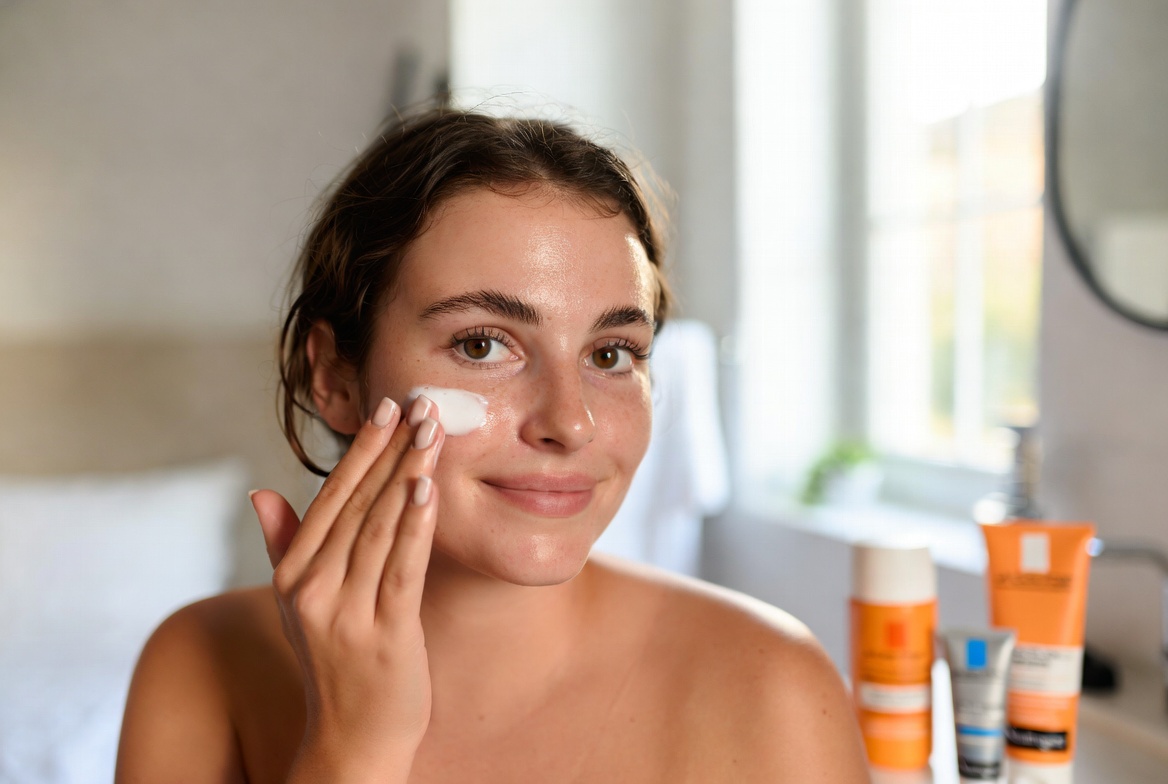
Slathering on sunscreen shouldn’t turn your face into an oil slick by lunchtime. If you’ve got oily skin, you know the struggle of finding SPF that protects without making you look like you dipped your face in grease. The right sunscreen exists, and it won’t sabotage your skin or your confidence.
Here’s what you need: formulas that absorb fast, control shine, and protect your skin without triggering breakouts. We’ve tested and researched the sunscreens that actually work for oily complexions.
Top Picks at a Glance
- Best Overall: La Roche-Posay Anthelios Clear Skin Dry Touch SPF 60
- Best Drugstore: Neutrogena Clear Face SPF 50
- Best Lightweight: EltaMD UV Clear SPF 46
Product Reviews: Best Sunscreens for Oily Skin
1. La Roche-Posay Anthelios Clear Skin Dry Touch SPF 60
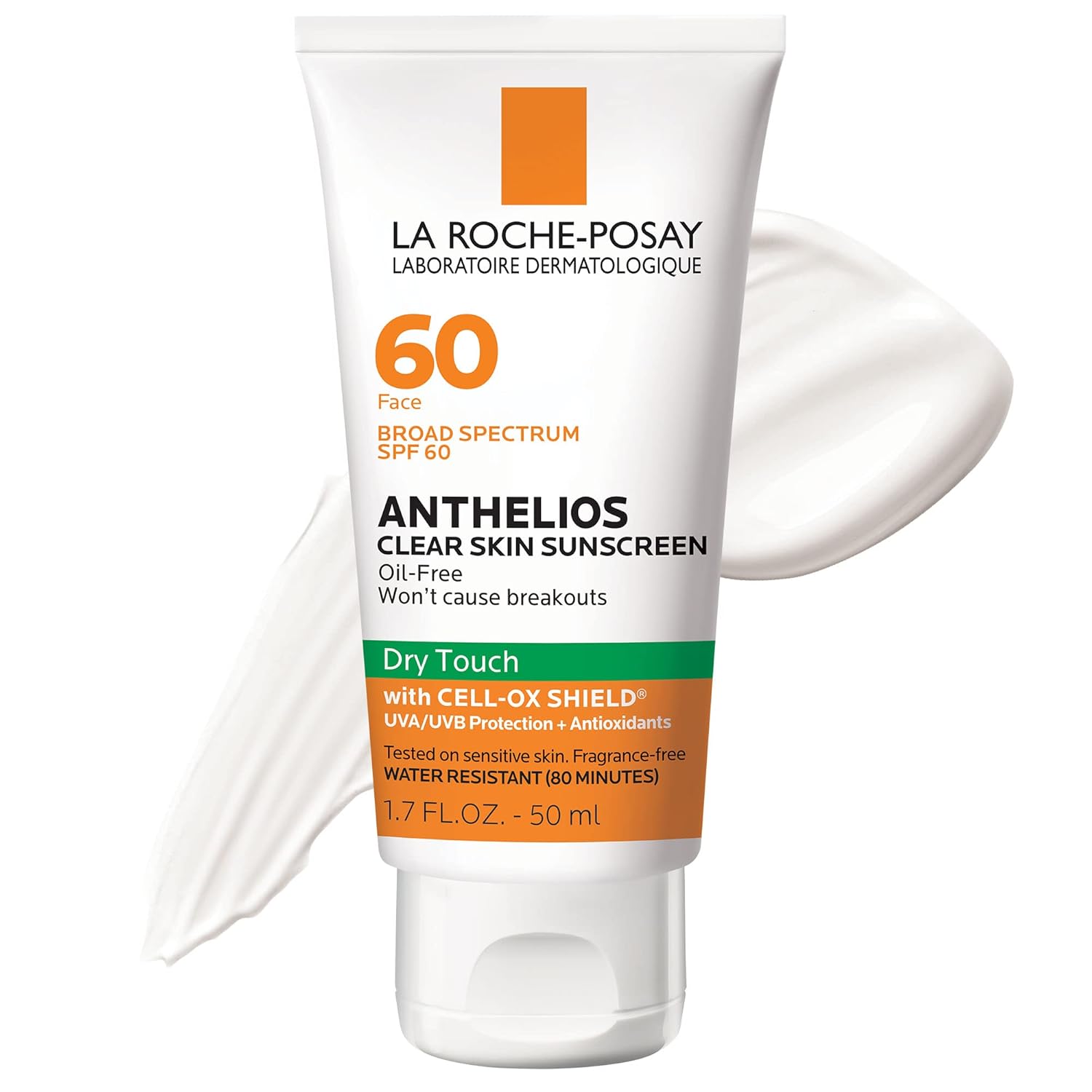
This French pharmacy staple earns its cult following. The dry-touch formula absorbs within seconds, leaving behind a genuinely matte finish that actually controls oil throughout the day. At SPF 60, you’re getting serious protection that doesn’t quit when temperatures rise.
The formula uses Cell-Ox Shield technology, which combines broad-spectrum filters with antioxidants. What does that mean for you? Protection against both UV damage and free radicals that age your skin. The perlite and silica absorb excess oil as it appears, keeping shine under control even in humid weather.
Oil-free and non-comedogenic labels get slapped on lots of products, but this one delivers on those promises. The texture feels like a lightweight primer, which makes it work beautifully under makeup. Many users report their foundation actually lasts longer when applied over this sunscreen.
The packaging deserves mention too. The tube dispenses product cleanly without getting messy, and the 1.7-ounce size lasts about two months with daily face and neck application. Some people find they need less product than with other sunscreens because it spreads so easily.
Pros:
- True matte finish that controls oil for hours
- SPF 60 provides excellent protection
- Works as a makeup primer
- Won’t cause breakouts or clog pores
- Fragrance-free formula for sensitive skin
Cons:
- Higher price point than drugstore options
2. Neutrogena Clear Face SPF 50

If you’re watching your budget, this is your sunscreen. Don’t let the low price fool you, this formula punches way above its weight class. The Helioplex technology provides stable broad-spectrum protection that doesn’t break down in sunlight the way some cheaper filters do.
The liquid-lotion consistency feels almost like water when you first apply it. It sinks in quickly without leaving any white cast, which is huge if you’ve got deeper skin tones. The matte finish appears within a minute of application and holds up for several hours before you might need blotting papers.
This sunscreen is water-resistant for 80 minutes, making it practical for outdoor activities beyond just sitting at your desk. The oil-free formula contains no fragrance, which reduces the risk of irritation. The 3-ounce bottle seems small, but you get a surprising amount of use from it since the thin consistency means you don’t need to apply layers.
One thing to note: while it’s labeled for oily and acne-prone skin, some people with extremely sensitive or reactive skin report mild stinging if they apply it immediately after shaving or exfoliating. Give your skin a few minutes to calm down first.
Pros:
- Budget-friendly price point
- Lightweight, water-like texture
- No white cast on any skin tone
- Water-resistant for active lifestyles
- Fragrance and oil-free formula
Cons:
- May cause slight stinging on freshly shaved skin
3. EltaMD UV Clear SPF 46

Dermatologists recommend this one constantly, and for good reason. The formula combines chemical and physical filters for broad-spectrum protection that feels absolutely weightless on skin. Niacinamide, hyaluronic acid, and lactic acid turn this from basic sunscreen into a treatment product.
The niacinamide deserves special attention. At a meaningful concentration, it helps control oil production, reduce redness, and minimize the appearance of pores. You’re essentially getting skincare benefits while protecting from UV damage. The hyaluronic acid provides hydration without adding any oily feel.
The transparent tint blends into most skin tones invisibly, though very deep or very pale complexions might notice a slight color shift. The pump bottle dispenses a controlled amount, which helps you use the right quantity without wasting product. Two pumps typically cover your face and ears.
This sunscreen works particularly well for people dealing with rosacea or sensitivity alongside oiliness. The fragrance-free formula won’t inflame reactive skin, and the gentle ingredients actually help calm redness over time with consistent use.
Pros:
- Medical-grade formula trusted by dermatologists
- Niacinamide helps control oil and redness
- Weightless feel despite high protection
- Works for sensitive and rosacea-prone skin
- Pump dispenser prevents contamination
- Tinted formula blends seamlessly
Cons:
- Premium pricing reflects medical-grade quality
4. CeraVe AM Facial Moisturizing Lotion SPF 30

This multitasker combines sunscreen with genuine moisturizing benefits. The ceramides and hyaluronic acid in the formula support your skin barrier while the SPF 30 protects from UV damage. For people who hate applying multiple layers, this kills two birds with one stone.
The texture sits somewhere between a lotion and a cream, substantial enough to moisturize but light enough to absorb quickly. The formula uses both chemical and mineral filters for broad-spectrum protection. Niacinamide rounds out the ingredient list, helping to regulate oil production throughout the day.
The MVE Technology releases moisturizing ingredients slowly over time, which means your skin stays comfortable for hours instead of getting that tight, dry feeling some sunscreens cause. This extended release also helps control the rebound oil production that happens when skin gets too dry.
At SPF 30, this offers adequate daily protection for most people. If you’re spending extended time outdoors, you might want higher SPF. But for commuting, running errands, and typical indoor-outdoor activity, this level works well. The generous bottle size makes it economical for daily use.
Pros:
- Combines sunscreen and moisturizer effectively
- Ceramides support skin barrier health
- MVE Technology provides lasting hydration
- Fragrance-free and non-comedogenic
- Large bottle offers excellent value
Cons:
- SPF 30 may be insufficient for extended sun exposure
5. Supergoop! Unseen Sunscreen SPF 40

This completely invisible formula changed the game for makeup wearers. The gel texture feels like a primer because it basically is one. It creates a smooth, matte base that grips makeup without any tackiness or slip. The red-tinted gel goes on clear, leaving zero white cast.
The oil-free formula uses chemical filters that absorb UV rays rather than reflecting them. This keeps the feel weightless and imperceptible. Meadowfoam seed extract provides antioxidant protection without adding any oily residue. The formula also contains red algae, which offers blue light protection for people concerned about screen exposure.
The airless pump keeps the product fresh and ensures you get every last drop. One pump covers your face; two pumps handle face and neck comfortably. The small bottle seems expensive for the size, but you need less product than with traditional sunscreens, so it lasts longer than you’d expect.
This works beautifully for touch-ups over makeup. The invisible formula won’t disturb your foundation or create that cakey, reapplied-sunscreen look. Just pat it gently over your makeup and you’re protected without ruining your look.
Pros:
- Completely invisible on all skin tones
- Doubles as a makeup primer
- Weightless gel texture
- Can be reapplied over makeup
- Blue light protection included
- Reef-safe formula
Cons:
- Premium price for small bottle size
Buying Guide: Best Sunscreens for Oily Skin
1. Understand Chemical vs. Physical Filters
Chemical sunscreens absorb UV rays and convert them to heat. They feel lighter and blend invisibly, making them popular for oily skin. Common chemical filters include avobenzone, octinoxate, and homosalate. These work well under makeup and won’t leave white residue.
Physical sunscreens use zinc oxide or titanium dioxide to reflect UV rays away from skin. Modern formulations have improved, but they can still feel heavier and may leave a slight white cast. Some people with very oily skin find physical filters too thick, while others appreciate their gentle nature.
Hybrid formulas combine both types of filters. You get the lightweight feel of chemical protection with the gentle broad-spectrum coverage of physical blockers. Many dermatologist-recommended sunscreens use this approach for balanced protection.
2. Look for Oil-Control Ingredients
Perlite and silica act like tiny sponges, absorbing excess oil as your skin produces it. These ingredients give sunscreens that matte, powder-like finish that lasts. They’re particularly effective in hot, humid conditions where other formulas might break down.
Niacinamide does double duty. It controls oil production at the source while also minimizing pores and reducing redness. Finding a sunscreen with meaningful niacinamide concentration means you’re treating oily skin while protecting it.
Mattifying polymers create that blurred, soft-focus effect on skin. They fill in pores slightly and scatter light to reduce the appearance of shine. This cosmetic benefit makes sunscreen feel more like skincare and less like a chore.
3. Check the Formula Type
Lotions spread easily and absorb quickly, making them ideal for daily use. They typically feel lightweight and work well under makeup. Most oil-control sunscreens come in lotion form because it’s the easiest texture to formulate for matte results.
Gels feel even lighter than lotions and often have a cooling effect on application. They’re excellent for very oily skin or hot climates. The transparent nature of gel formulas means no white cast ever.
Fluids and serums represent the lightest option available. They layer beautifully under other products and disappear into skin completely. The trade-off is you might need to apply more product to get adequate coverage compared to thicker formulas.
4. Consider Additional Skin Benefits
Antioxidants like vitamin C, vitamin E, and green tea extract fight free radical damage beyond just UV protection. They help prevent aging and support overall skin health. Quality sunscreens increasingly include these ingredients for comprehensive protection.
Hyaluronic acid provides hydration without adding oil. This helps prevent the dry, tight feeling that can trigger excess oil production. Well-hydrated skin actually produces less oil than dehydrated skin.
Soothing ingredients like allantoin, bisabolol, and centella asiatica calm inflammation and redness. If your oily skin also tends toward sensitivity, these additions make a real difference in how comfortable sunscreen feels throughout the day.
5. Pay Attention to Finish
Matte finishes actively absorb oil and create a powder-like surface on skin. They’re perfect for very oily complexions and photograph beautifully without shine. Matte sunscreens typically need reapplication every few hours to maintain oil control.
Satin finishes provide subtle radiance without looking greasy. They work for combination skin that’s oily in some areas but normal elsewhere. This finish looks natural and healthy without crossing into shiny territory.
Dewy finishes aren’t ideal for oily skin, obviously. But some people with oily skin prefer them in winter when skin behaves differently. Choose based on current season and skin behavior rather than labels alone.
6. Test for Makeup Compatibility
Some sunscreens pill when layered with other products. This happens when formulas don’t blend well together, creating little balls of product on your skin. Test new sunscreens under your regular makeup to ensure compatibility.
Primers work differently with various sunscreen bases. Silicone-based primers might slide around on water-based sunscreens, while water-based primers can ball up over silicone sunscreens. Match your primer base to your sunscreen base for best results.
Wait times matter too. Give sunscreen a full minute to set before applying makeup. Rushing this step increases pilling and reduces both protection effectiveness and makeup longevity. Build the wait into your routine so it becomes automatic.
Frequently Asked Questions
1. What SPF level do I need for oily skin?
SPF 30 provides adequate protection for most daily activities, blocking approximately 97% of UVB rays. SPF 50 blocks about 98% and makes sense if you spend significant time outdoors. Higher SPF numbers offer marginally better protection but don’t dramatically change effectiveness. Choose based on sun exposure rather than skin type.
2. Will sunscreen make my oily skin worse?
The wrong sunscreen will, but formulas designed for oily skin actually help control excess oil production. Non-comedogenic, oil-free sunscreens with mattifying ingredients won’t contribute to breakouts. Skipping sunscreen causes damage that leads to inflammation, which can trigger more oil production, so wearing the right SPF actually improves oily skin over time.
3. How often should I reapply sunscreen on oily skin?
Reapply every two hours when outdoors, after swimming or sweating, and immediately after toweling off. For indoor office work, morning application usually suffices unless you’re near windows. Blot excess oil before reapplying to prevent product buildup. Powder sunscreens or invisible gel formulas work well for touch-ups over makeup.
4. Can I skip moisturizer if my sunscreen is hydrating?
If your sunscreen contains moisturizing ingredients like hyaluronic acid, glycerin, or ceramides, you might not need separate moisturizer, especially in warmer months. Test this approach for a week to see how your skin responds. Winter or air-conditioned environments might require additional moisture. Listen to your skin rather than following rigid rules.
5. Why does my sunscreen make my makeup slide off?
Incompatible product bases cause this issue. Silicone-based makeup applied over water-based sunscreen won’t grip properly. Match your product bases or use a primer designed to bridge the gap between your sunscreen and foundation. Also ensure sunscreen has fully absorbed before applying makeup, wait at least 60 seconds.
6. Do I need different sunscreens for summer and winter?
Seasonal adjustment makes sense for many people. Summer calls for maximum oil control with higher SPF for extended outdoor time. Winter allows for more moisturizing formulas with adequate but not excessive oil control. Your skin’s needs change with temperature and humidity, so your sunscreen can too.
7. Will chemical or physical sunscreen work better for my oily skin?
Chemical sunscreens typically feel lighter and blend invisibly, making them popular for oily complexions. Physical sunscreens can feel heavier but work instantly upon application. Modern physical formulas have improved dramatically, so test both types to see which your skin prefers. Hybrid formulas offer benefits of both approaches.
8. Can sunscreen help reduce my enlarged pores?
Sunscreen itself doesn’t shrink pores, but formulas containing niacinamide help minimize pore appearance over time. Preventing sun damage also stops collagen breakdown that can make pores look larger. Mattifying sunscreens with blur-effect ingredients create the optical illusion of smaller pores immediately upon application.
9. Is tinted sunscreen better than regular sunscreen for oily skin?
Tinted sunscreen offers additional protection against visible light and can reduce the need for foundation. The tint also helps blend the product seamlessly without white cast. For oily skin, tinted formulas work well as light coverage that controls shine. However, finding the right shade match is crucial or you’ll look ashy or orange.
10. How do I remove sunscreen from oily skin properly?
Double cleansing works best. Start with an oil-based cleanser or micellar water to break down sunscreen and sebum, then follow with your regular face wash. This ensures complete removal without stripping skin, which can trigger more oil production. Skipping thorough cleansing leads to clogged pores and breakouts.
Conclusion
Finding the best sunscreen for oily skin means matching protection with oil control, comfort with effectiveness. The options we’ve covered offer proven performance across different price points and preferences. Whether you choose pharmaceutical elegance or drugstore reliability, what matters is consistent daily use.
Start with your skin’s specific needs. Extremely oily? Go for maximum matte formulas. Combination oily? Try satin finishes. Sun-sensitive? Prioritize higher SPF. The perfect sunscreen exists for your skin, it just takes a bit of trial to find it. Your future self will thank you for protecting your skin today.