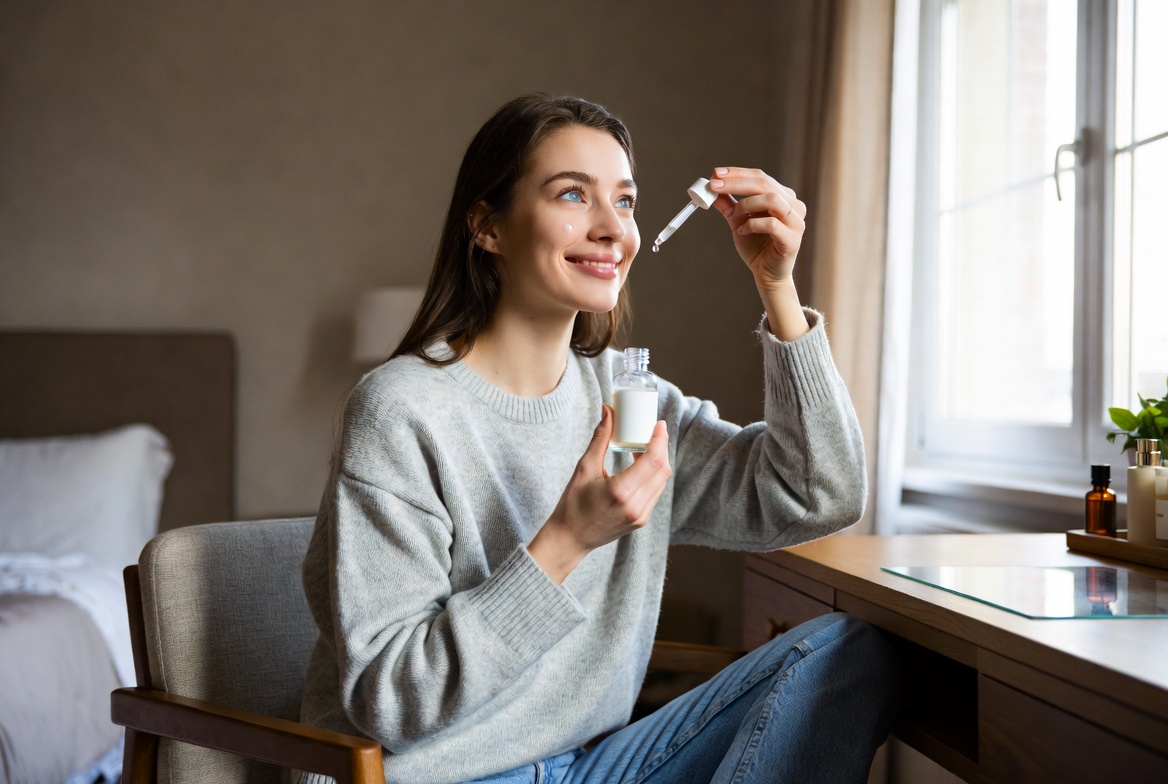
Retinol converts to retinoic acid in your skin, triggering cell turnover and collagen production. Beginners should start with concentrations between 0.25% and 0.5% to build tolerance before progressing to stronger formulations.
The best retinol serums for beginners include stabilizing ingredients, proper packaging to prevent oxidation, and supporting actives that reduce irritation. Expect an adjustment period of 2-4 weeks where your skin may experience dryness or mild peeling before showing improvement.
The Short Answer: Top 3 Picks
- Best Overall: The Ordinary Retinol 0.5% in Squalane
- Best Budget: CeraVe Resurfacing Retinol Serum
- Best Premium: Drunk Elephant A-Passioni Retinol Cream
Best Retinol Serums for Beginners: Full Reviews
1. The Ordinary Retinol 0.5% in Squalane
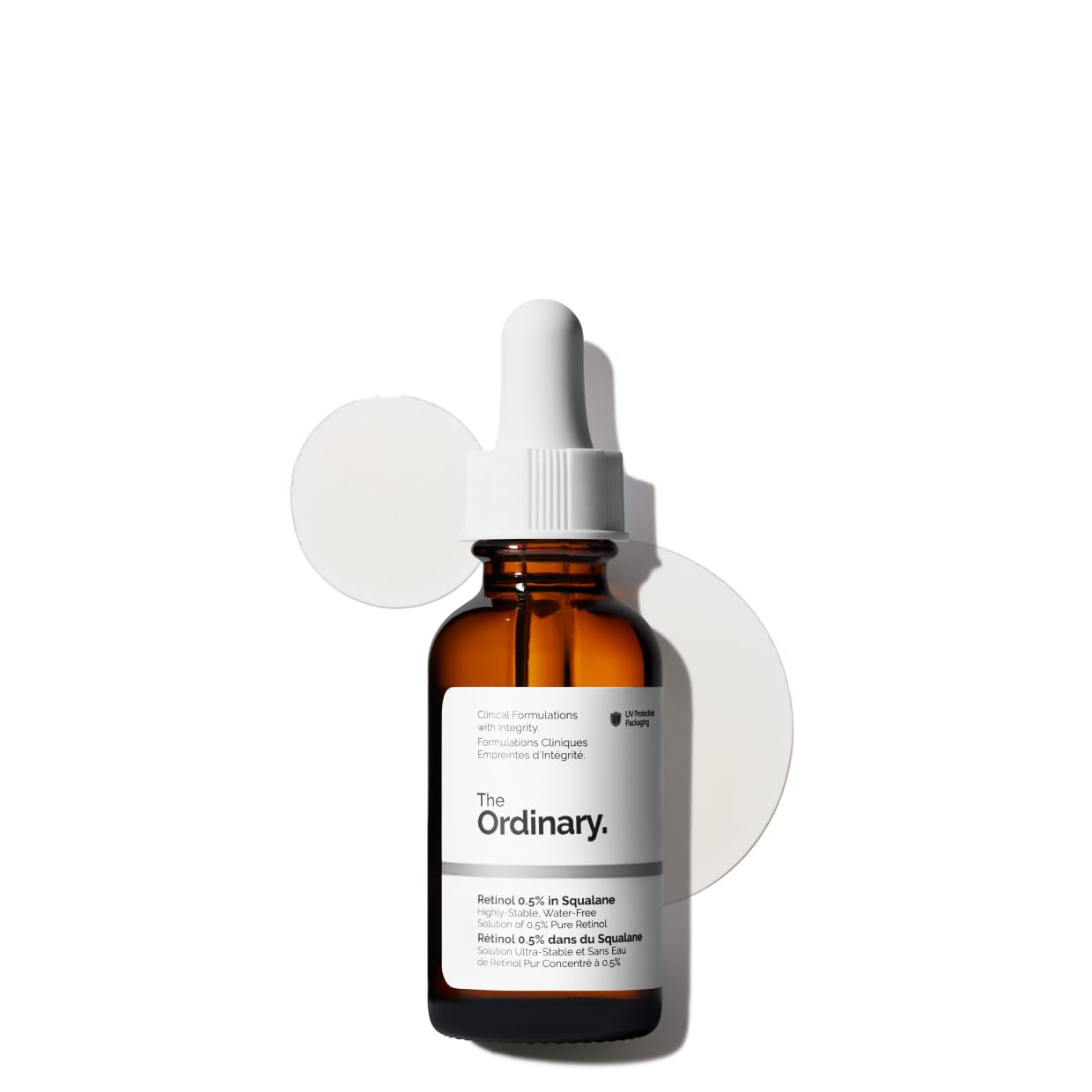
This straightforward formula combines 0.5% pure retinol with squalane, a deeply moisturizing oil that buffers irritation. The concentration sits in the sweet spot for beginners: strong enough for visible results but gentle enough for most skin types to tolerate with gradual introduction.
The squalane base prevents the dryness and flaking common with retinol use. The Ordinary uses a stable retinol form suspended in an airless pump bottle that prevents oxidation. The formula contains no water, which extends shelf life and maintains potency.
This serum works for all skin types except very oily. Apply 2-3 drops to clean skin before moisturizer, starting twice weekly and increasing frequency as tolerance builds. Results typically appear within 4-6 weeks.
Pros
- Clinical strength 0.5% concentration
- Squalane base hydrates and buffers irritation
- Airless pump prevents oxidation and degradation
- No fragrance, dyes, or unnecessary additives
- Affordable at $8-10 per bottle
- 30ml bottle lasts 2-3 months with nightly use
- Beginner-friendly concentration with proven results
Cons
- Oil-based formula may be too heavy for very oily skin
- No additional anti-aging ingredients beyond retinol
2. CeraVe Resurfacing Retinol Serum
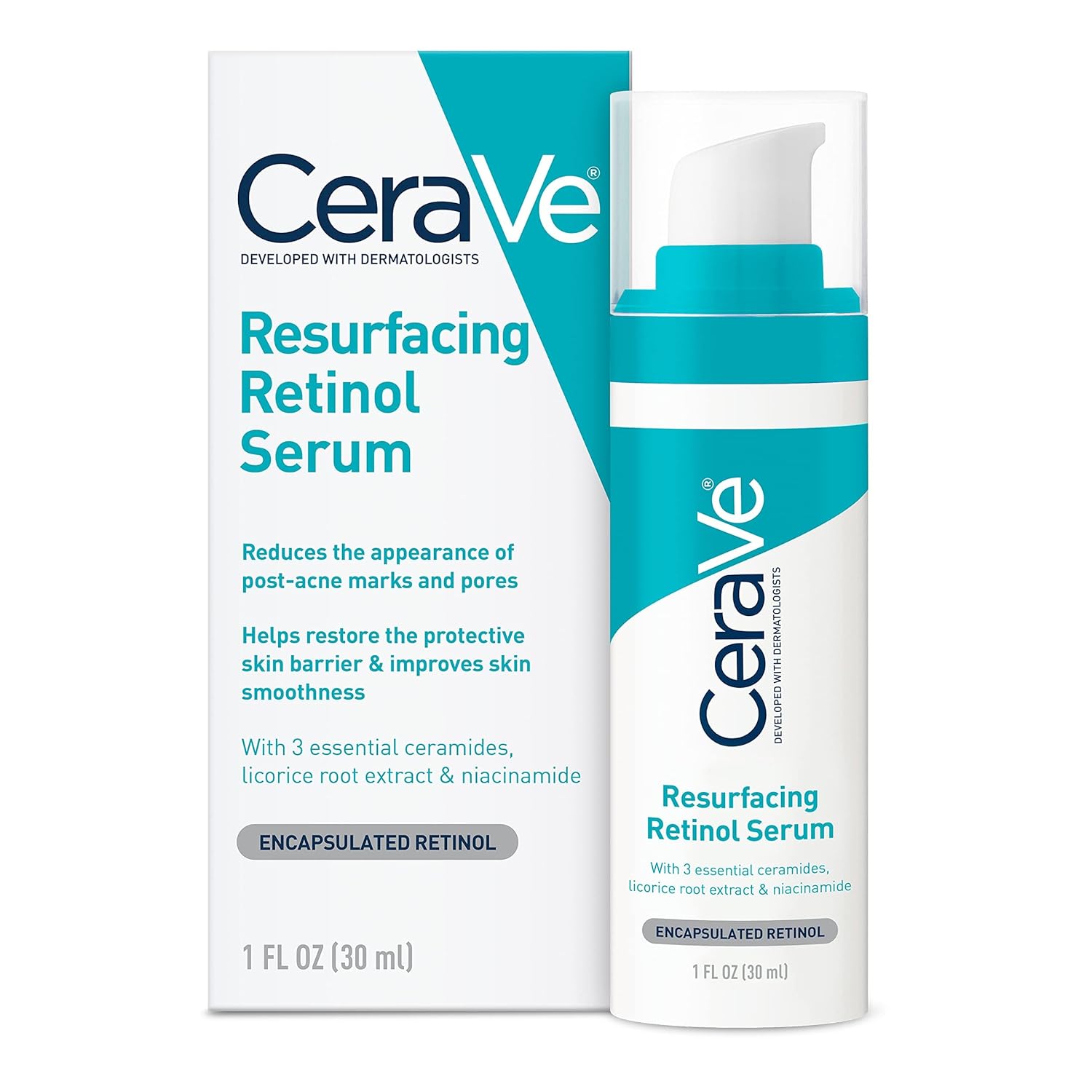
This gel-cream formula combines encapsulated retinol with three essential ceramides and niacinamide. The encapsulation technology releases retinol gradually over several hours, reducing the irritation spike that happens with immediate-release formulas. The ceramides repair and maintain skin barrier function while retinol works.
Niacinamide at 5% concentration provides additional benefits: reduces inflammation, minimizes pore appearance, and evens skin tone. This combination makes the serum particularly effective for those dealing with post-acne marks or uneven texture alongside early aging signs.
CeraVe developed this formula with dermatologists specifically for retinol-sensitive skin. The texture absorbs quickly without pilling under moisturizer or leaving residue.
Pros
- Encapsulated retinol minimizes irritation
- Ceramides strengthen skin barrier during adjustment
- Niacinamide adds brightening and pore-refining benefits
- Lightweight gel-cream suits most skin types
- Fragrance-free and non-comedogenic
- Dermatologist-developed formula
- Excellent value under $20
Cons
- Retinol percentage not disclosed (estimated 0.3-0.5%)
- May require longer timeline for visible results due to encapsulation
3. Drunk Elephant A-Passioni Retinol Cream
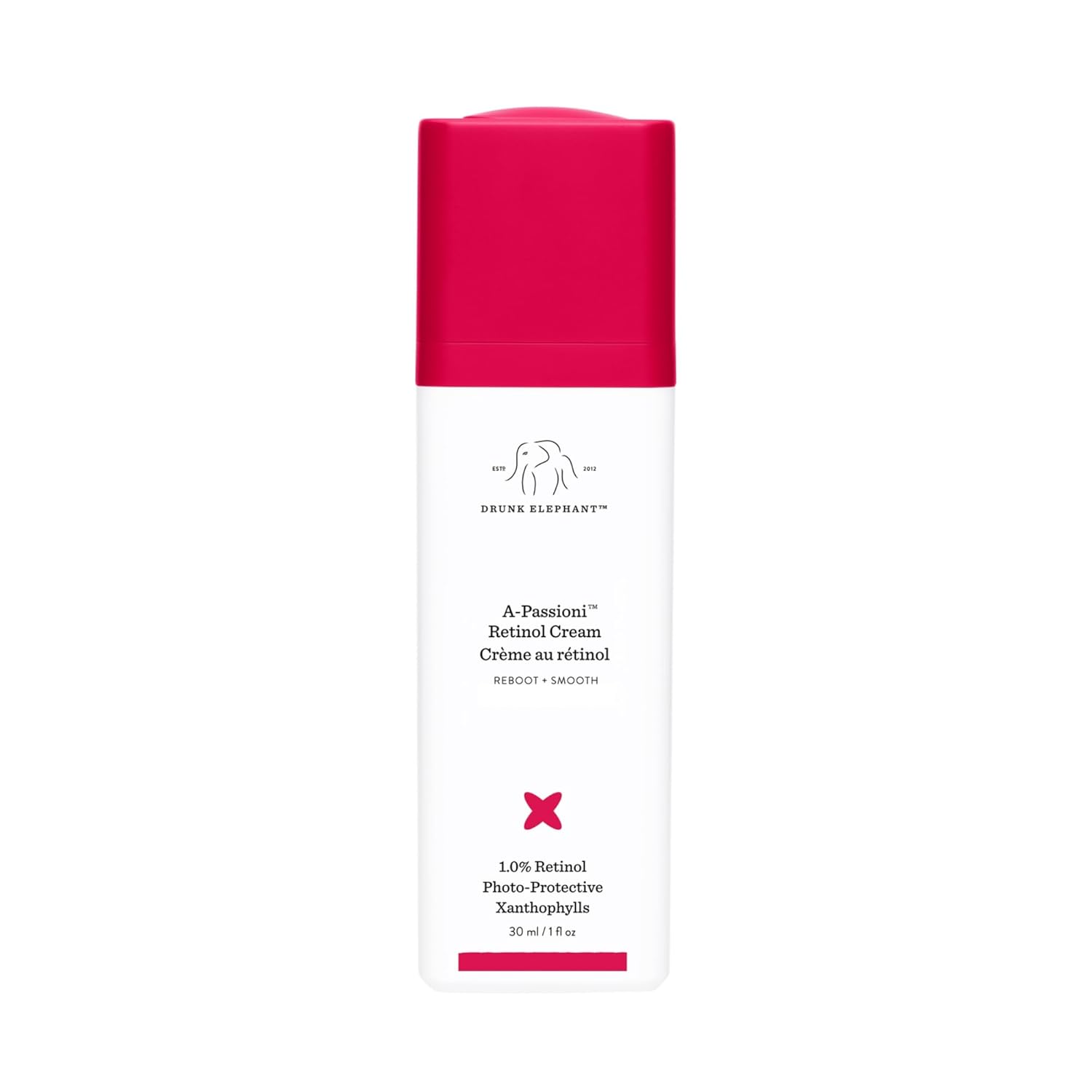
This 1% retinol cream includes a superfood blend of passionfruit, apricot, marula, and jojoba oils. While 1% is higher than typical beginner recommendations, the nourishing oil blend and peptide complex buffer the intensity significantly. The formula also includes vitamin F to support barrier function.
The vegan cream texture feels luxurious and provides substantial moisture. Drunk Elephant avoids the Suspicious 6 (essential oils, drying alcohols, silicones, chemical screens, SLS, and fragrance), making it suitable for sensitive skin despite the higher retinol content.
This option works for beginners with very dry skin who can tolerate starting with a moderate-high concentration when properly buffered. Introduce slowly, starting with once or twice weekly application.
Pros
- Nutrient-rich oil blend buffers 1% retinol
- Peptides provide additional anti-aging benefits
- Luxurious cream texture ideal for dry skin
- Free from common irritants
- Vegan and cruelty-free
- Airless pump maintains stability
Cons
- 1% concentration may overwhelm true beginners
- Premium price at $75
- Rich texture unsuitable for oily skin
- Higher purging risk due to strength
4. Neutrogena Rapid Wrinkle Repair Retinol Serum
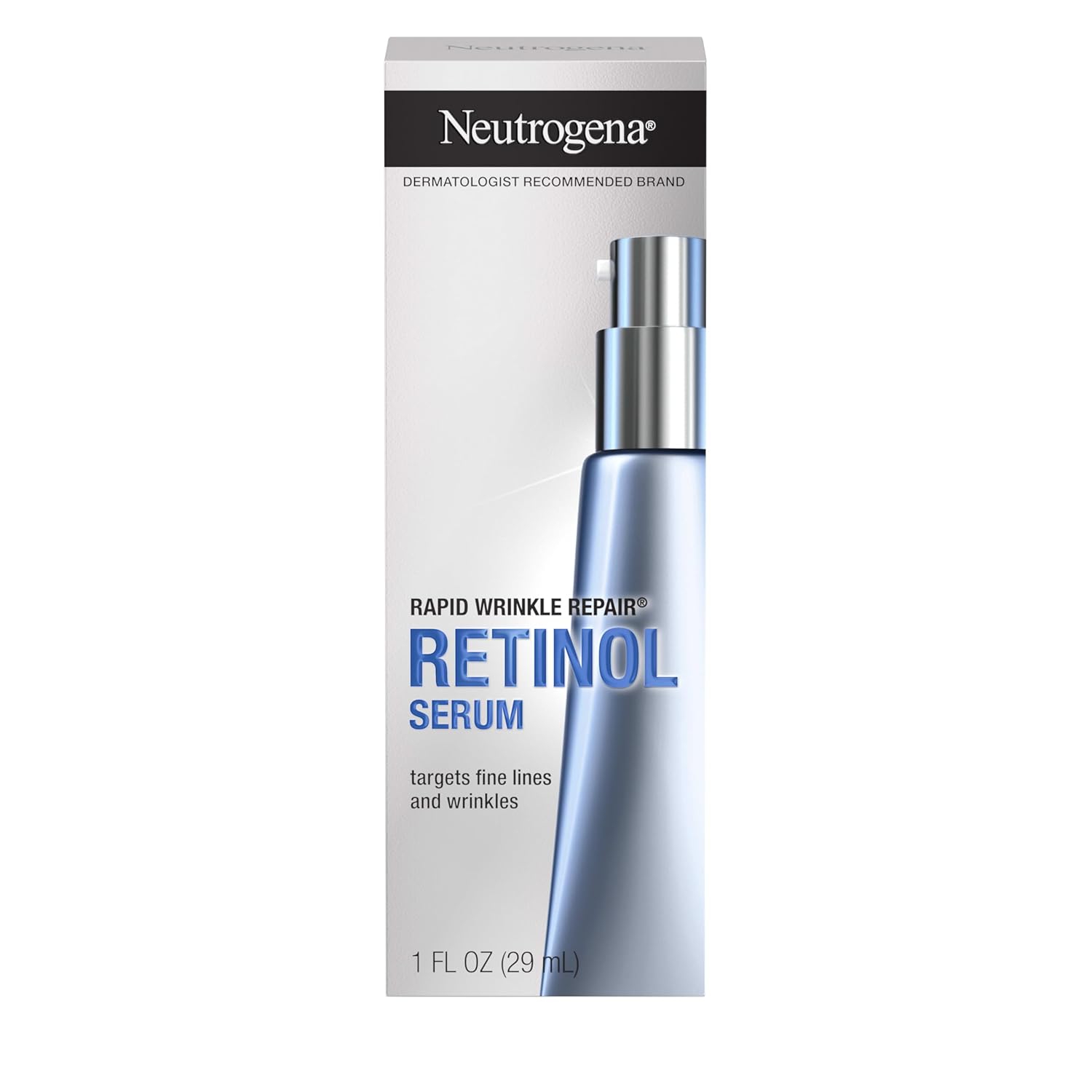
This drugstore option uses a proprietary Accelerated Retinol SA formula combining retinol with sustained action (SA) technology. The glucose complex helps stabilize retinol and allows for faster penetration. Hyaluronic acid adds intense hydration to counteract retinol’s drying effects.
Neutrogena claims visible results in one week, though realistic expectations place initial improvements around 2-3 weeks. The serum works well under makeup and doesn’t pill with other products. The pump dispenser prevents contamination and oxidation.
This formula suits impatient beginners who want quick results but should still introduce it gradually to avoid overwhelming skin. The combination of speed and gentleness makes it unique in the drugstore category.
Pros
- Accelerated formula shows results faster than standard retinol
- Hyaluronic acid prevents dehydration
- Lightweight serum texture absorbs quickly
- Works well under makeup
- Widely available in drugstores
- Affordable at $20-25
- Fragrance-free formula
Cons
- Exact retinol percentage not disclosed
- Accelerated delivery may increase initial irritation
- Results may plateau without progression to stronger retinol
5. Paula’s Choice Clinical 0.3% Retinol + 2% Bakuchiol Treatment
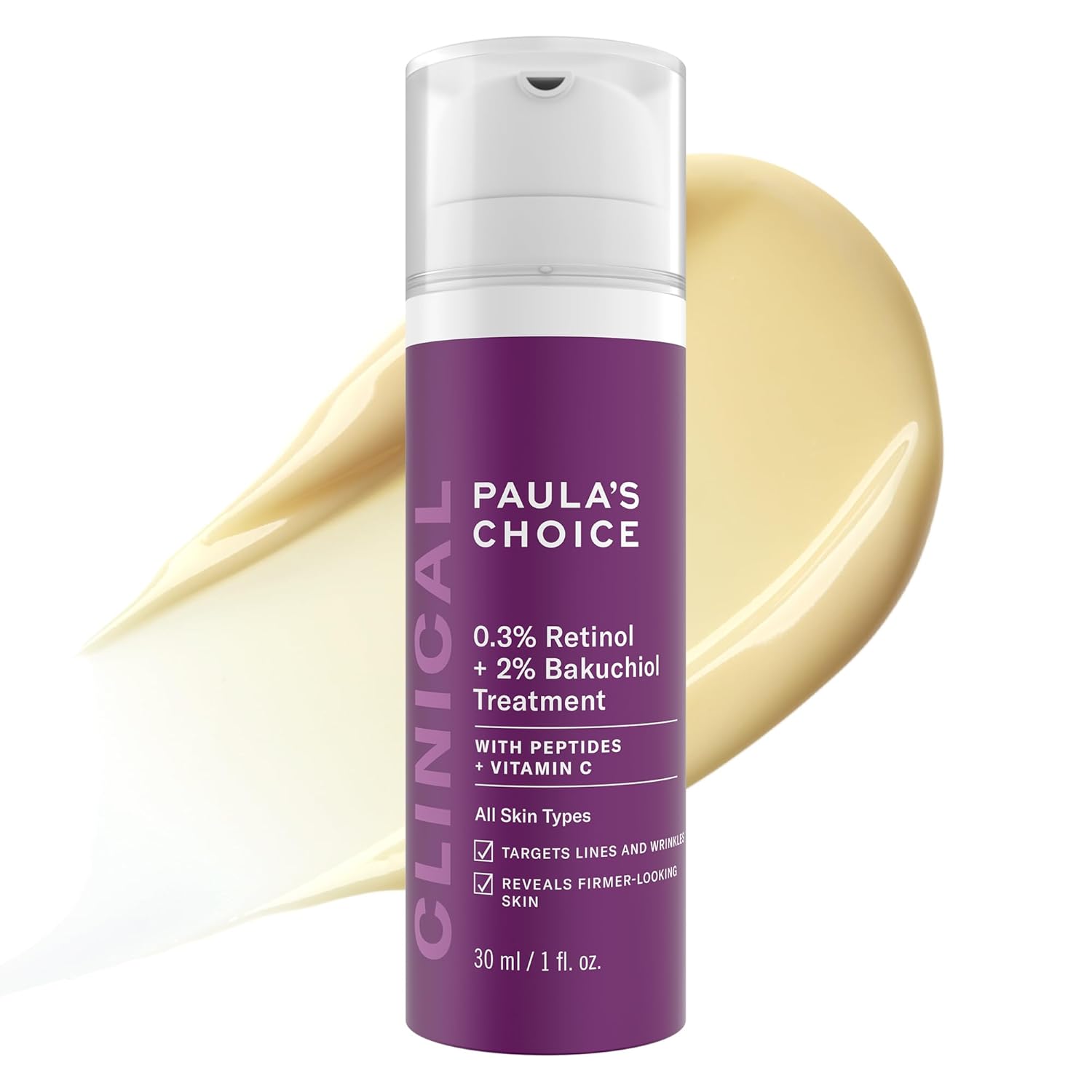
This innovative formula combines 0.3% retinol with 2% bakuchiol, a plant-derived retinol alternative that provides similar benefits. The pairing allows for lower retinol concentration while maintaining effectiveness. Oat extract and allantoin soothe skin during the adjustment period.
The lightweight lotion texture absorbs quickly and works for all skin types. Paula’s Choice includes peptides and vitamin C derivatives for comprehensive anti-aging action. The opaque bottle with pump dispenser protects light-sensitive ingredients.
This product bridges the gap between pure retinol and gentler alternatives, perfect for those who experience significant irritation with standard retinol but want proven results.
Pros
- Bakuchiol enhances results of lower retinol dose
- Soothing botanicals minimize irritation
- Lightweight lotion suits all skin types
- Includes peptides and vitamin C derivatives
- Comprehensive anti-aging approach
- Good value at $55-60
- Less purging than higher retinol concentrations
Cons
- 0.3% retinol may be too mild for some
- Results appear slower than 0.5% formulas
- Bakuchiol research is newer than retinol
6. RoC Retinol Correxion Deep Wrinkle Night Cream
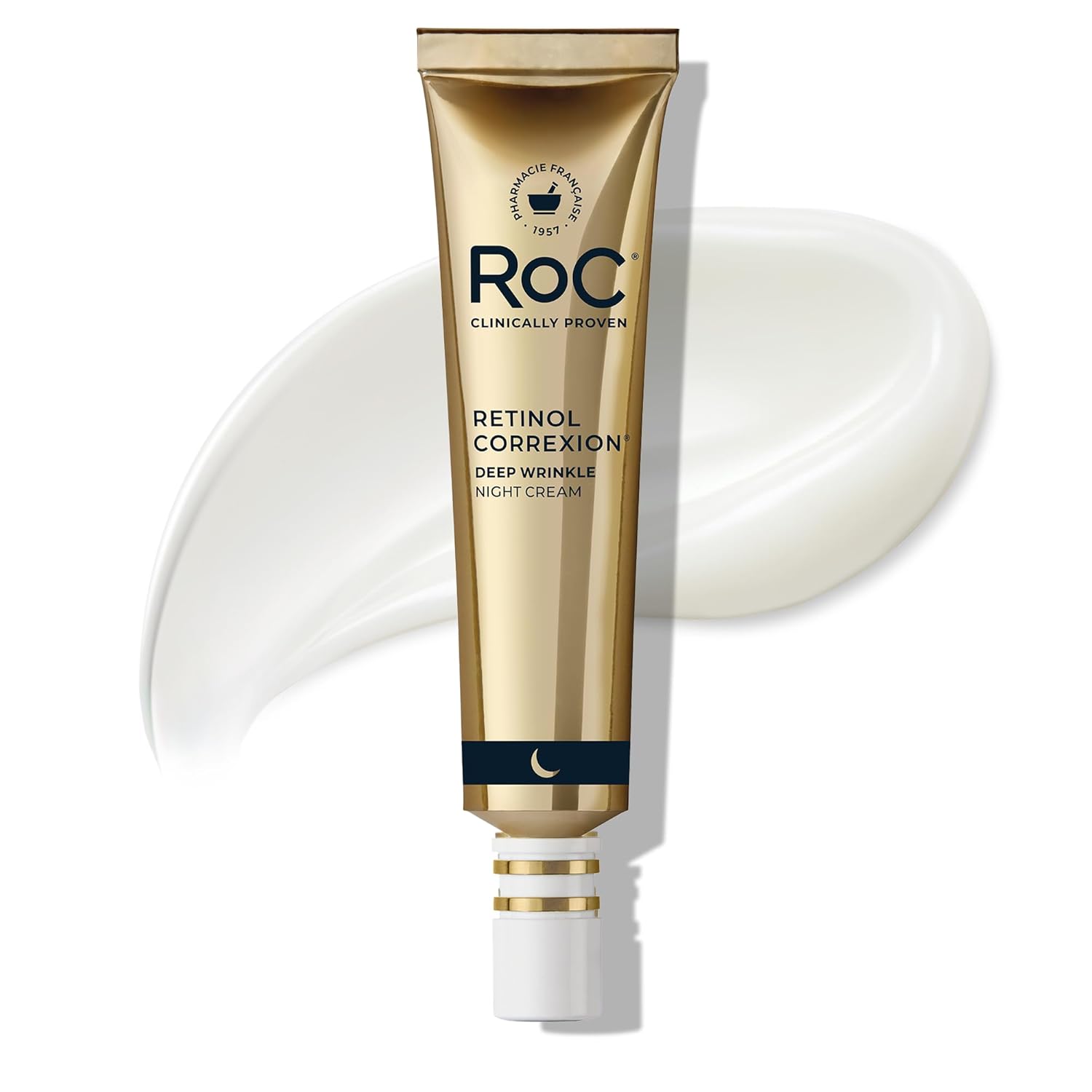
This classic drugstore retinol cream uses RoC’s exclusive retinol formula combined with an essential mineral complex. The cream targets deep wrinkles and age spots specifically. The formula has decades of brand history and consumer trust behind it.
The rich night cream texture provides substantial moisture alongside retinol. The mineral complex claims to enhance retinol’s effectiveness and speed results. This product works well for mature skin just starting retinol or those with very dry complexions.
RoC includes detailed usage instructions and expects visible results within 12 weeks of consistent use. The cream is widely available and frequently on sale at drugstores.
Pros
- Established brand with long track record
- Rich cream ideal for dry, mature skin
- Mineral complex supports retinol function
- Widely available at drugstores
- Frequently discounted to $15-20
- Targets deep wrinkles specifically
- Includes detailed usage guide
Cons
- Retinol concentration not disclosed
- Heavy texture clogs pores on oily skin
- Contains fragrance that may irritate sensitive skin
- Jar packaging exposes retinol to air and light
Buying Checklist: What Actually Matters
1. Start with the Right Retinol Concentration
Concentration determines both effectiveness and irritation risk.
- 0.25% for very sensitive skin or retinoid beginners
- 0.3-0.5% for most beginners balancing results and tolerance
- 1% only if you have resilient skin and dry skin type
- Build up gradually: start low even if you think you can handle more
- You can always increase strength, but damage takes time to repair
2. Check for Stabilizing and Supporting Ingredients
Retinol works better and causes less irritation with proper support.
- Look for niacinamide to reduce inflammation
- Hyaluronic acid prevents dehydration
- Ceramides repair barrier damage
- Peptides add anti-aging benefits without irritation
- Antioxidants protect retinol from degradation
- Avoid pairing with acids, vitamin C, or other actives initially
3. Verify Packaging Prevents Degradation
Retinol breaks down when exposed to light and air.
- Opaque bottles or light-blocking packaging required
- Airless pumps better than jars or droppers
- Check expiration dates and PAO symbols
- Small bottles ensure you finish before degradation
- Avoid clear glass or plastic containers
- Store in cool, dark place regardless of packaging
4. Assess Formula Texture for Your Skin Type
Different bases suit different skin needs.
- Oil-based serums for dry or mature skin
- Gel or gel-cream for oily or combination skin
- Cream formulas for very dry skin needing extra moisture
- Lightweight lotions for all skin types
- Consider climate: humid areas need lighter formulas
- Test texture before committing to full-size
5. Plan Your Introduction Strategy
How you start retinol matters as much as which product you choose.
- Begin with twice-weekly application
- Increase to every other night after 2 weeks
- Progress to nightly use only after 4-6 weeks
- Use a pea-sized amount for entire face
- Apply to completely dry skin (wait 20 minutes after cleansing)
- Always use sunscreen during the day
Common Questions Answered
1. How long does retinol purging last?
Purging typically lasts 4-6 weeks as retinol accelerates cell turnover and brings underlying congestion to the surface. Breakouts should gradually decrease, not worsen. If new acne appears after 6 weeks or gets progressively worse, you’re experiencing irritation, not purging.
2. Can I use retinol every night from the start?
No, start with 2-3 nights per week even if your skin feels fine initially. Retinol damage accumulates over days before becoming visible. Build up slowly over 4-6 weeks to minimize irritation and allow skin to develop tolerance.
3. Should I use retinol in the morning or at night?
Always use retinol at night. It degrades in sunlight, and your skin is more vulnerable to UV damage while using retinol. Morning retinol application wastes product and increases sun sensitivity without additional benefit.
4. Can I use retinol with vitamin C or acids?
Avoid combining retinol with vitamin C, AHAs, or BHAs when starting out. After building tolerance for 6-8 weeks, you can introduce acids in your morning routine while keeping retinol at night. Always separate potentially irritating actives by at least 12 hours.
5. Do I need to stop retinol if my skin gets red and peels?
Reduce frequency rather than stopping completely. Scale back to once or twice weekly, increase moisturizer use, and add a barrier repair cream. Once irritation resolves, slowly rebuild frequency. Complete cessation means starting tolerance-building from scratch.
6. What’s the difference between retinol and retinoid?
Retinoid is the umbrella term for all vitamin A derivatives. Retinol is a specific over-the-counter retinoid that converts to retinoic acid in your skin. Prescription retinoids like tretinoin are already in retinoic acid form, making them stronger but more irritating.
7. Can I use retinol if I have rosacea or eczema?
Consult a dermatologist first. Some people with rosacea tolerate low-dose encapsulated retinol, but it can trigger flares in others. Active eczema is a contraindication for retinol use. Wait until skin barrier is intact and inflammation controlled.
8. How long before I see results from retinol?
Initial improvements in skin texture appear around 4-6 weeks. Significant changes in fine lines and tone require 12 weeks minimum. Deeper wrinkles and sun damage may take 6-12 months. Consistency matters more than concentration for long-term results.
Bottom Line
The Ordinary Retinol 0.5% in Squalane offers the best combination of effectiveness, gentleness, and value for retinol beginners. The 0.5% concentration provides clinical-strength results without overwhelming skin, while squalane buffers the drying effects that cause most people to quit retinol early. At $8-10, you can test tolerance without significant financial commitment, and the airless pump packaging keeps the formula stable throughout use.