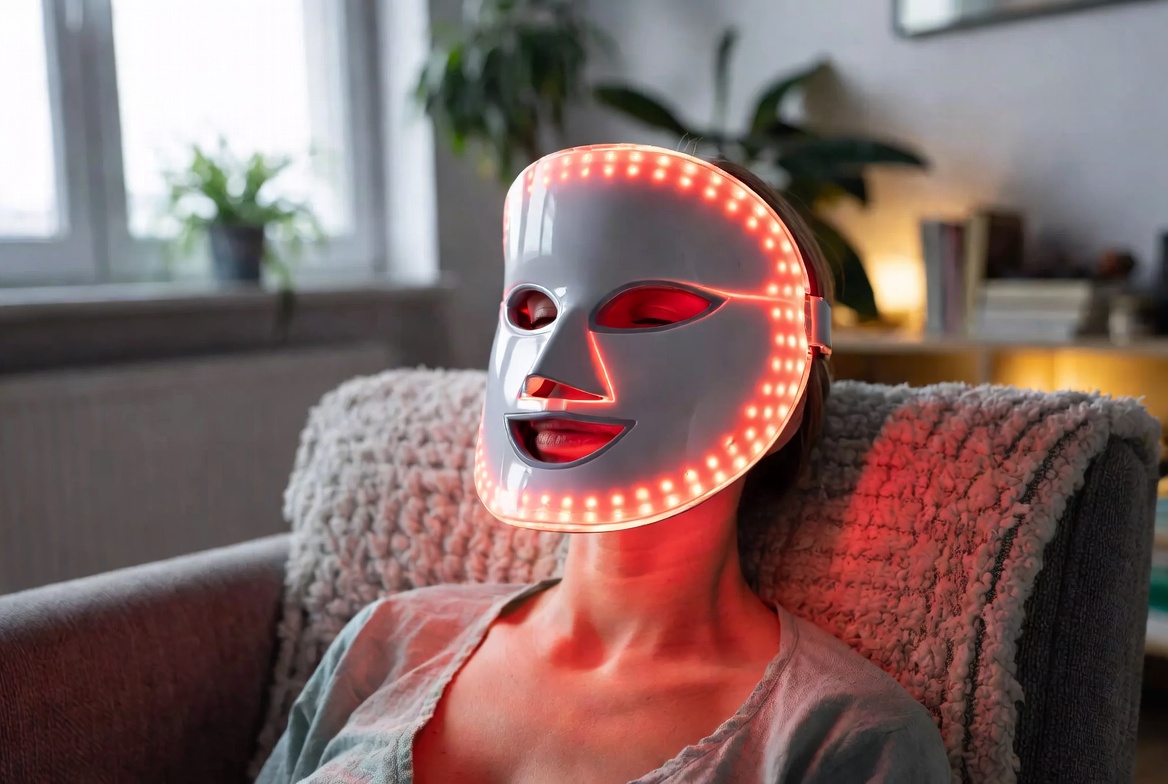
Red light therapy has moved from dermatologist offices into your bathroom, and the results aren’t just hype. These LED masks deliver wavelengths of light that penetrate your skin to stimulate collagen production, reduce inflammation, and accelerate healing.
The question isn’t whether light therapy works: research confirms it does. The question is which mask actually delivers professional-grade results at home.
Spending anywhere from $300 to $700 on a light therapy mask feels like a leap. You want to know that your investment will pay off with visible improvements in fine lines, skin firmness, and overall tone.
We’re comparing the best red light therapy masks for home use, that have clinical backing and the features that separate effective masks from expensive placebos.
Top Picks at a Glance
- Best Overall: CurrentBody Skin LED Light Therapy Mask Series 2
- Best Clinical Results: Omnilux Contour Face Mask
- Best for Quick Sessions: Dr. Dennis Gross DRx SpectraLite FaceWare Pro
Best Red Light Therapy Masks for Home Use (Reviews)
1. CurrentBody Skin LED Light Therapy Mask Series 2
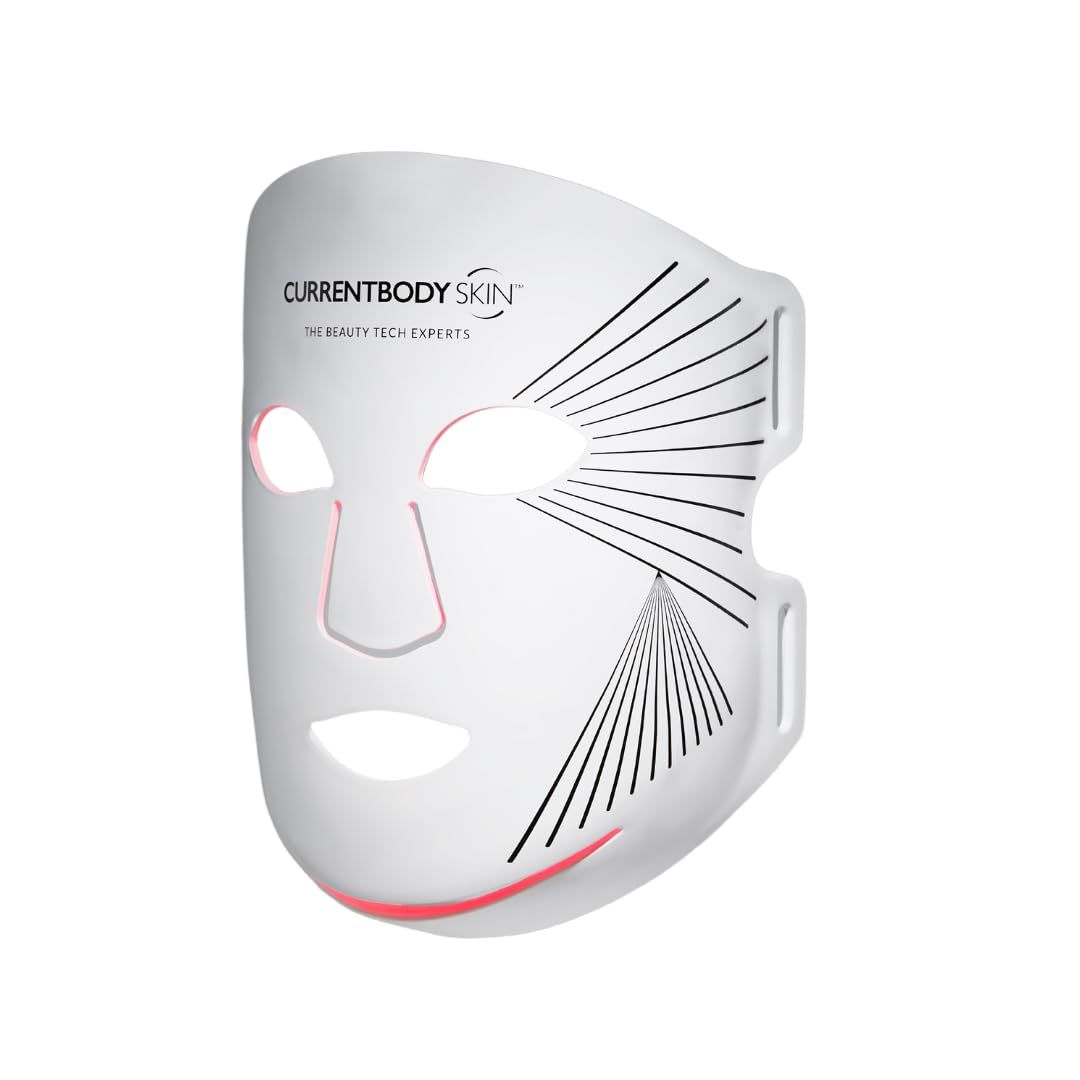
This latest version represents the cutting edge of home LED therapy. The mask includes 236 individual LEDs across three wavelengths: 633nm red light, 830nm near-infrared, and 1072nm deep near-infrared. That third wavelength is the game-changer.
The flexible silicone design molds to your face rather than sitting stiffly. This creates better LED-to-skin contact, which matters enormously for light therapy effectiveness. Light doesn’t penetrate properly if there are gaps between the LEDs and your skin. The CurrentBody mask’s soft construction eliminates this problem, ensuring every LED works at full capacity.
Each LED in this mask goes through individual testing before assembly. This quality control means you’re getting precise wavelengths, not approximations. The included Veritace NFC card lets you verify your specific mask’s test results. This level of quality assurance is unique in the consumer LED market and explains the professional-grade results people achieve.
The 10-minute treatment time fits easily into any routine. The mask connects to a controller that automatically shuts off after one session. You can wear it while doing other tasks since the eye area is protected and you can keep your eyes open. The hands-free design lets you scroll your phone, read, or just relax while treatment happens.
Pros:
- 236 LEDs with three wavelengths including 1072nm
- Individual LED testing ensures precision
- Flexible silicone creates optimal skin contact
- Covers full face and jawline
- Eye protection allows eyes-open use
- FDA-cleared for safety and effectiveness
- 10-minute treatment sessions
Cons:
- Premium price point
- Requires consistent use for results
2. Omnilux Contour Face Mask
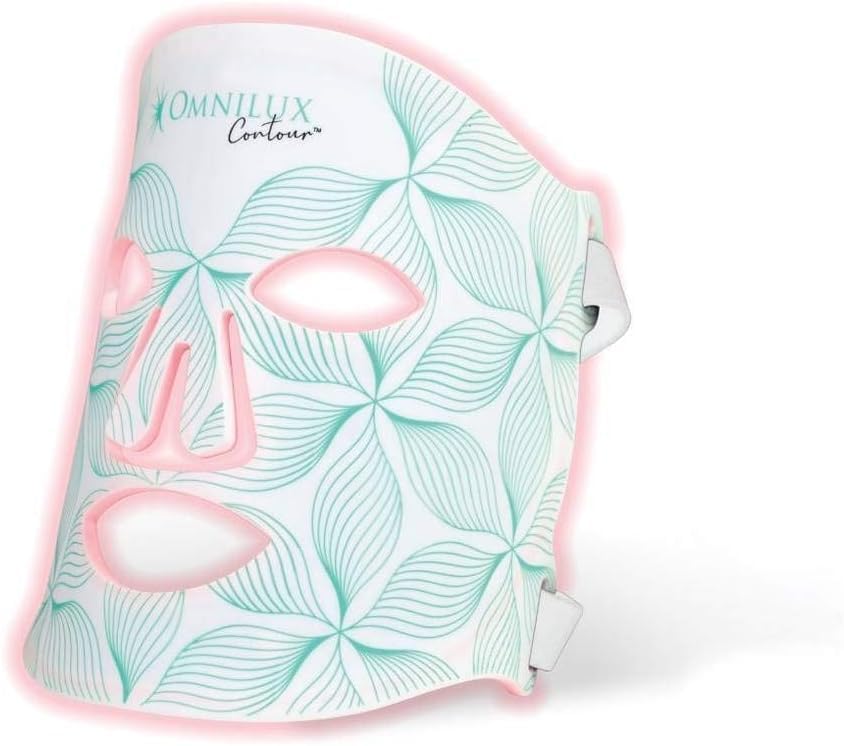
This mask brings two decades of clinical research from Omnilux’s professional devices into a home-use format. The company didn’t just shrink their medical device, they optimized the wavelengths and LED density specifically for at-home anti-aging. You’re getting 132 medical-grade LEDs delivering 633nm red light and 830nm near-infrared light in the exact parameters proven effective in clinical studies.
The silicone construction is firmer than CurrentBody’s but still flexible enough to conform to most face shapes. The snug fit ensures consistent LED contact across your entire face. Some people find the tighter fit more secure and less likely to shift during treatment, while others prefer softer, more flexible materials. Both approaches work, it’s personal preference.
The 10-minute treatment protocol is based on extensive clinical testing. Omnilux published numerous peer-reviewed studies demonstrating that these specific wavelengths at this duration produce measurable improvements in skin texture, tone, and firmness. You’re not guessing about whether it works, the research already proved it does when used as directed.
The mask includes an extended neck attachment option, though most people find face coverage alone provides excellent results. The power controller is simple with just an on/off function, no complicated settings or modes to navigate. This simplicity ensures you can’t accidentally use the wrong setting or duration.
Pros:
- Backed by 20 years of clinical research
- 132 medical-grade LEDs
- Proven wavelengths from professional devices
- Firm fit ensures consistent contact
- Simple operation with no complex settings
- FDA-cleared device
- Optional neck attachment available
Cons:
- Firmer fit may feel less comfortable for some
- Doesn’t include the 1072nm wavelength
3. Dr. Dennis Gross DRx SpectraLite FaceWare Pro
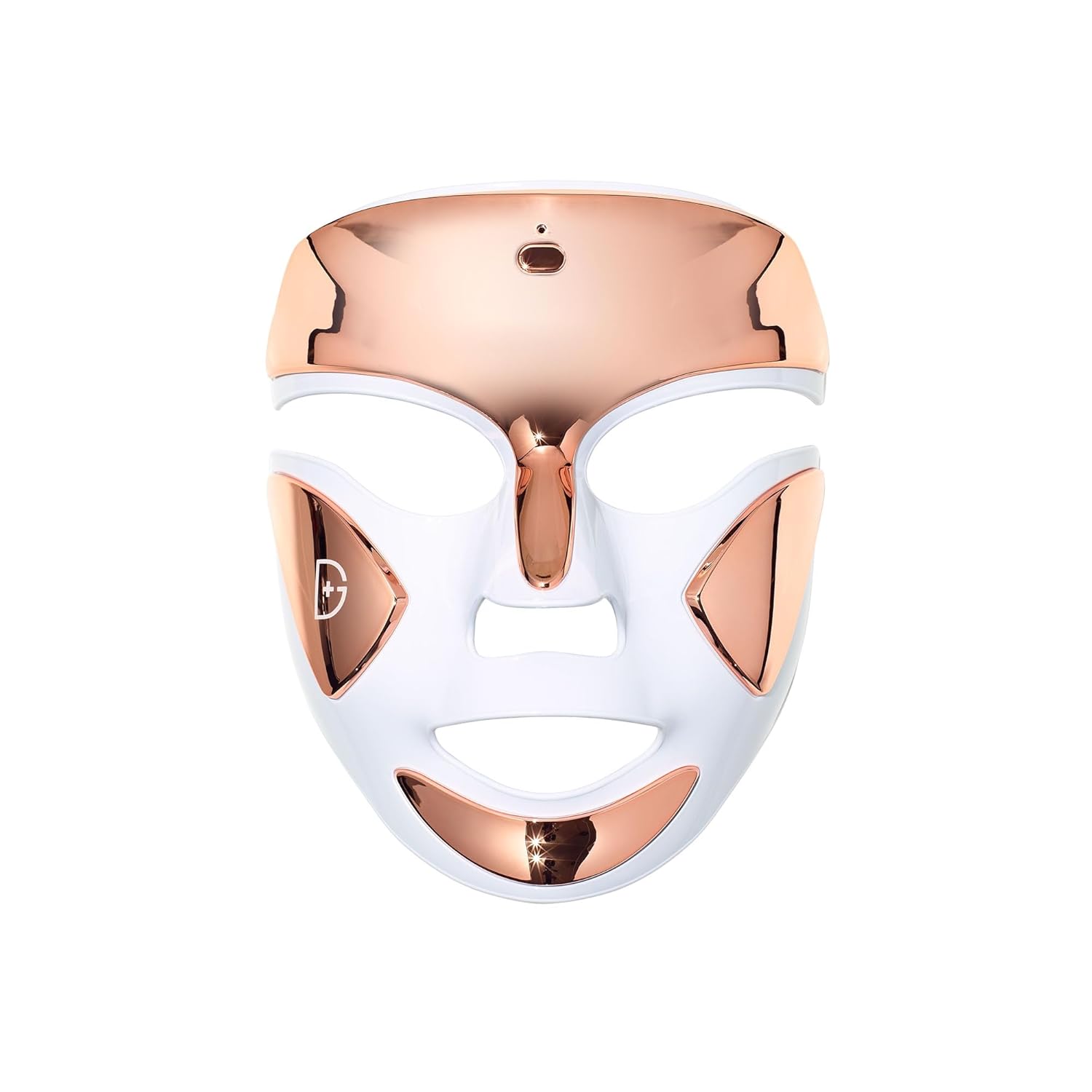
The main appeal here is the three-minute treatment time, the shortest among professional-grade masks. The mask includes 100 red LEDs and 60 blue LEDs, giving you both anti-aging red light and acne-fighting blue light in one device. You can use them separately or together depending on your skin concerns. This versatility makes it valuable for people dealing with both aging signs and occasional breakouts.
The red light operates at multiple wavelengths: 605nm, 630nm, 660nm, and 880nm near-infrared. This spectrum approach targets different skin depths simultaneously. The 605nm works at the surface for tone and texture, while 880nm penetrates deeper for collagen stimulation. You’re getting comprehensive treatment in a fraction of the time other masks require.
The mask wraps around your face and secures with straps rather than being held in place. This hands-free design lets you move around during treatment if needed. The three-minute duration makes it easy to use even during hectic mornings when 10 minutes feels impossible. Consistency matters more than duration for LED therapy, a shorter session you actually complete beats a longer one you skip.
The blue light mode (415nm) kills acne-causing bacteria when used regularly. If you’re experiencing hormonal breakouts or stress-related acne alongside aging concerns, having both light options in one device eliminates the need for multiple tools. The combination mode uses both simultaneously for people wanting anti-aging and acne treatment together.
Pros:
- Only 3-minute treatment sessions
- Includes both red and blue light modes
- Multiple red light wavelengths
- Hands-free strap design
- Treats both aging and acne
- FDA-cleared device
- Auto-shutoff after treatment
Cons:
- Blue light may be unnecessary for users without acne
- Shorter session may require more frequent use
4. TheraFace LED Mask
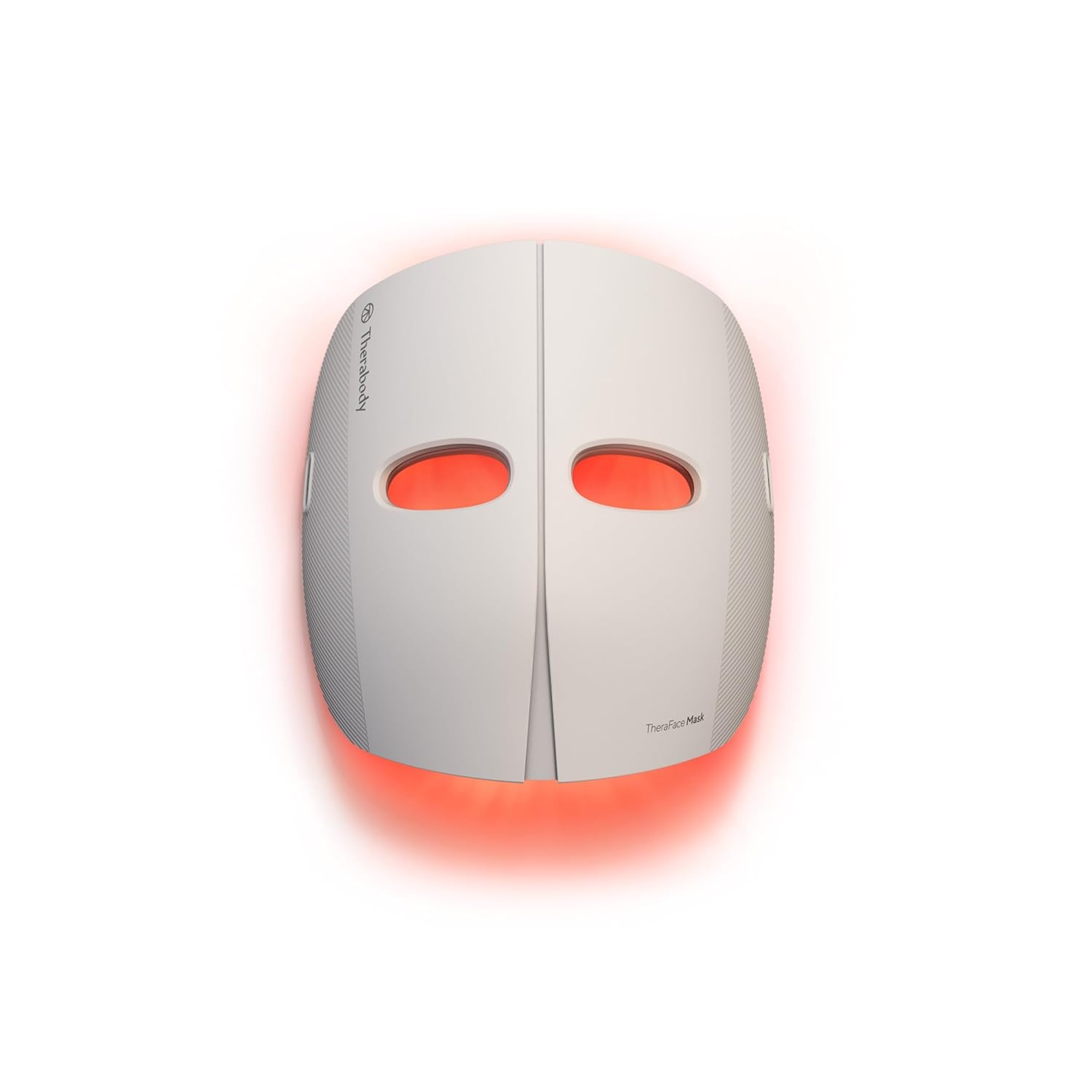
This mask combines LED therapy with microcurrent and massage functions, creating a multi-technology approach to skin rejuvenation. The LED component includes 660nm red light and 415nm blue light. While these wavelengths are effective, the mask’s strength is the additional features rather than LED therapy alone. If you want an all-in-one device that addresses multiple concerns, this versatility appeals.
The built-in percussion massage increases circulation and helps products absorb better. The microcurrent function lifts and tones facial muscles, working on a different level than LED light. You can use these features independently or combine them with LED therapy. This modularity lets you customize each session based on what your skin needs that day.
The mask fits larger faces better than many competitors. If other masks feel too small or don’t reach your hairline and jawline adequately, this one might solve that problem. The additional coverage means more of your face receives treatment. The trade-off is that it’s bulkier and less packable than single-function LED masks.
Treatment time runs 10 minutes for LED therapy alone, or you can extend it by adding the massage and microcurrent functions. The mask connects to an app that guides you through different treatment protocols. Some people appreciate the structure this provides, while others find it unnecessary. You can ignore the app entirely and just use the mask manually if you prefer.
Pros:
- Combines LED, microcurrent, and massage
- Fits larger face shapes well
- App-guided treatment protocols available
- Modular functions allow customization
- Larger coverage area
- Can use features independently
Cons:
- Higher price point for multi-function device
- Bulkier than LED-only masks
- More complex operation than simple masks
5. LightStim for Wrinkles
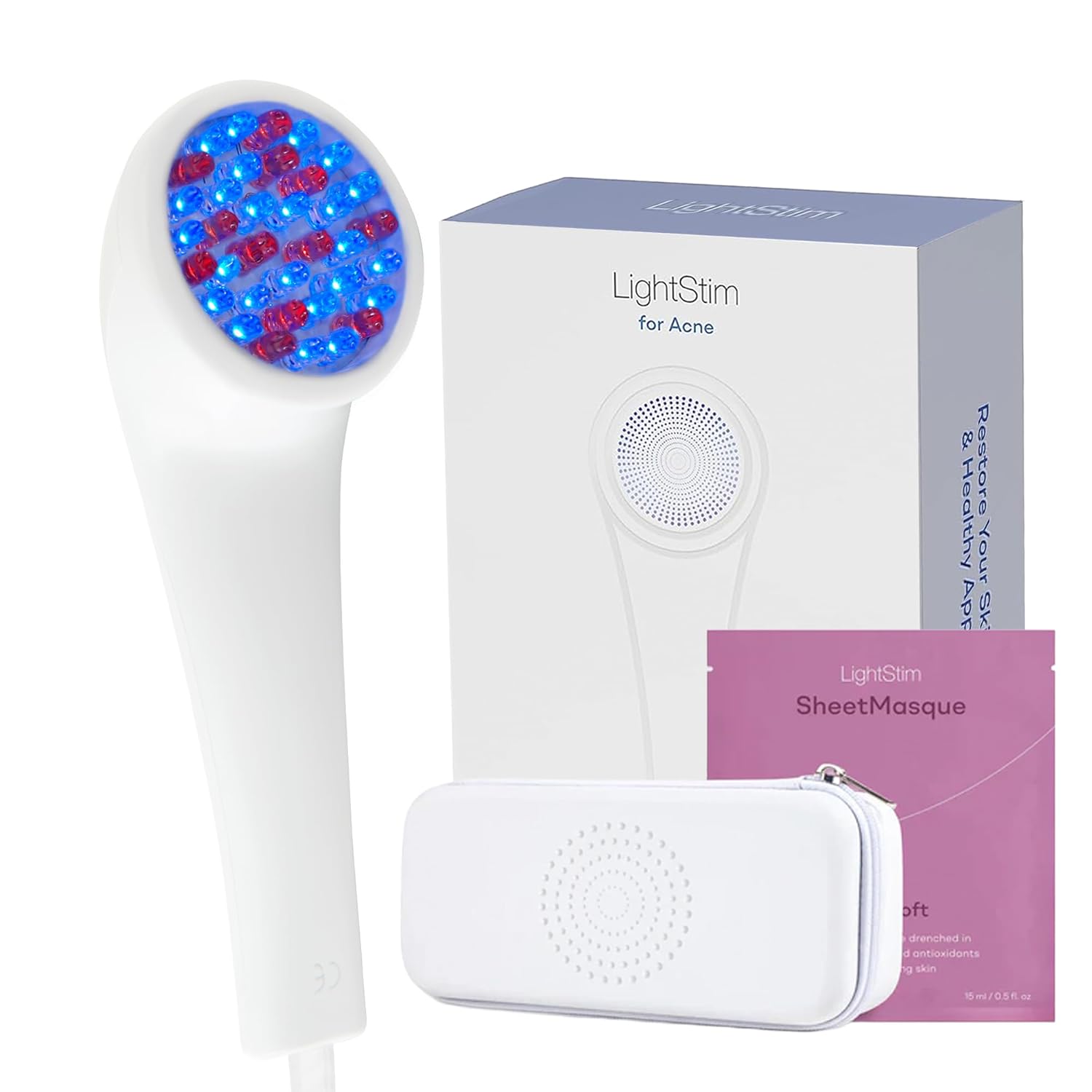
This mask takes a different design approach, targeting the lower face specifically. Rather than covering your entire face, it focuses on the areas where aging signs typically appear first; around the mouth, jawline, and cheeks. The concentrated LED placement in these zones delivers intensive treatment where you need it most.
The device uses multiple wavelengths of light including red, amber, and infrared. This proprietary combination stimulates collagen and elastin while improving circulation. LightStim has been making LED devices for over 20 years, refining their wavelength ratios based on decades of customer feedback and results.
The treatment time is flexible, you can use it for 3 minutes on each treatment area. For a full lower face session, plan on 9-12 minutes total. The device is handheld rather than a mask, giving you precise control over which areas receive treatment. This allows you to spend extra time on specific concerns like nasolabial folds or marionette lines.
The handheld format makes this device particularly travel-friendly. It packs into a small bag easily, unlike full face masks that require dedicated storage. If you travel frequently and want to maintain your LED therapy routine on the go, the compact size matters. The rechargeable battery eliminates the need for cords during treatment.
Pros:
- Targets lower face where aging appears first
- Multiple wavelengths in proprietary ratio
- Handheld design allows precise placement
- Flexible treatment time
- Travel-friendly compact size
- 20+ years of LED device experience
Cons:
- Requires manual holding during treatment
- Doesn’t cover full face simultaneously
- Must move device to treat different areas
Buying Guide for the Best Red Light Therapy Masks for Home Use
1. Understand How LED Wavelengths Work
Red light in the 630-660nm range works at the skin’s surface and upper dermis. This wavelength stimulates collagen production, improves circulation, and enhances cell turnover. You’ll see improvements in skin tone, texture, and fine lines from consistent red light use. It’s the most researched and proven wavelength for anti-aging benefits.
Near-infrared light (800-850nm) penetrates deeper into skin than red light. It reaches the dermis and subcutaneous layers where it stimulates fibroblasts to produce collagen and elastin. This deeper action addresses structural aging that surface treatments can’t reach. The combination of red and near-infrared light produces better results than either wavelength alone.
Deep near-infrared (1070-1072nm) is the newest addition to consumer LED masks. This wavelength penetrates even further, reaching facial muscles and bone. While research is still emerging, early results suggest benefits for deep wrinkles and volume loss. Not all masks include this wavelength yet, making it a premium feature worth considering if targeting advanced aging signs.
2. Verify FDA Clearance
FDA-cleared LED masks have undergone testing to prove they’re safe and effective for their claimed purposes. This clearance means the device does what the manufacturer claims without causing harm. Always choose FDA-cleared devices rather than unregulated products from unknown manufacturers. The FDA clearance process ensures proper wavelengths and energy output.
Look for Class II medical device designation in product information. This classification indicates the FDA reviewed clinical data demonstrating safety and efficacy. Products without this designation haven’t been tested to medical standards. While they might work, you have no guarantee they deliver accurate wavelengths or safe energy levels.
Be cautious of masks claiming wavelengths or features that seem too good to be true. If a $50 mask claims to deliver the same technology as a $500 FDA-cleared device, it’s probably not telling the truth. Quality LED bulbs, precision wavelengths, and medical-grade construction cost money. Extremely cheap masks cut corners somewhere, usually in ways that compromise results.
3. Consider Treatment Time Commitment
Three-minute treatments are easiest to maintain consistently, but 10-minute sessions often deliver stronger results per session. If you have trouble sticking to routines, the shorter option increases the likelihood you’ll actually use it daily. Consistency matters more than individual session duration, regular three-minute sessions outperform sporadic 10-minute treatments.
Calculate your ideal schedule realistically. Can you commit to daily 10-minute sessions, or would you be more consistent with three minutes every day? Some people prefer longer sessions fewer times per week, three or four 10-minute treatments weekly. LED therapy is flexible, allowing you to find a schedule that fits your lifestyle.
Morning or evening doesn’t matter for LED therapy effectiveness. Choose whichever time you’re more likely to remember and complete. Many people prefer evenings after cleansing, so treatment becomes part of their existing skincare routine. Others do morning sessions while coffee brews or emails load. The best time is whenever you’ll actually do it.
4. Evaluate Comfort and Fit
Soft, flexible silicone masks feel more comfortable for longer wear. If you’re wearing your mask for 10 minutes, comfort matters. Rigid masks can create pressure points that become uncomfortable partway through treatment. The flexibility also helps the mask conform to your unique face shape, ensuring LED contact across your entire surface area.
Eye protection determines whether you can keep your eyes open during treatment. Some masks have built-in eye shields that block light from entering your eyes, allowing you to read or use your phone during treatment. Others require closed eyes for safety. If multitasking during sessions appeals to you, verify the mask includes proper eye protection.
Strap systems versus handheld operation affects how you use the device. Straps free your hands but must be adjusted properly to maintain positioning. Handheld devices give you control over placement but require holding throughout treatment. Neither is superior; choose based on whether you want hands-free operation or precise manual control.
5. Calculate Long-Term Value
Compare professional LED therapy costs to home device investment. A single professional session costs $150-300. If you’d get treatments monthly, that’s $1800-3600 annually. A quality home device costs $400-700 once, paying for itself within a few months. Over years of use, home devices provide enormous value compared to ongoing professional treatments.
Consider lifespan and warranty coverage. LED bulbs have finite lifespans, typically rated for thousands of hours. A mask used 10 minutes daily might last 5-10 years before LED degradation becomes noticeable. Check warranty duration, longer warranties indicate manufacturer confidence in durability. One-year warranties are standard, while two-year or longer coverage suggests premium construction.
Factor in potential sharing with family members. If multiple people in your household want LED therapy, a home device allows everyone to benefit from one investment. Professional treatments require separate appointments and fees for each person. The per-person value of home devices increases significantly when shared.
6. Determine Additional Features Value
Blue light adds acne-fighting capability if needed. If you only want anti-aging benefits, blue light is unnecessary and might complicate the device needlessly. However, if you occasionally deal with breakouts or have family members with acne, dual-function devices provide more versatility. Evaluate honestly whether you’ll use additional features or if they’ll go ignored.
Microcurrent and massage features enhance results through different mechanisms. Microcurrent tones facial muscles while LED stimulates collagen. Massage improves circulation and product absorption. If you’re interested in comprehensive anti-aging beyond LED alone, combined devices make sense. If you specifically want light therapy and prefer keeping treatments simple, stick with LED-only masks.
App connectivity adds guided routines and progress tracking. This appeals to people who want structured protocols and enjoy data tracking. If you prefer simple on/off operation without phone involvement, app-connected masks add unnecessary complexity. Most masks work perfectly fine without apps, the connectivity is optional, not essential.
Maximizing LED Therapy Results
Prepare Your Skin Properly
Cleanse thoroughly before each session to remove makeup, sunscreen, and oils. LED light penetrates better through clean skin. Products on your skin’s surface can block or scatter light, reducing treatment effectiveness. Double cleanse if you wear heavy makeup or sunscreen to ensure completely clean skin.
Skip products between cleansing and LED therapy. Apply your serum and moisturizer after treatment, not before. Some people believe applying products before LED helps them penetrate deeper, but this is counterproductive. Light energy is wasted heating products on your skin’s surface rather than reaching targeted depths. Clean, product-free skin allows maximum light penetration.
Consider a hydrating toner after cleansing if your skin feels tight. The slight moisture won’t interfere with light penetration like oils or creams would. Let the toner dry completely before starting your LED session. Your skin should feel clean and barely damp, not wet or coated with products.
Create Consistent Treatment Schedule
Daily sessions produce fastest visible results, typically within 4-6 weeks. Most clinical studies testing LED therapy use daily protocols. If you can commit to daily treatments for at least 8 weeks, you’ll see the most dramatic improvements. After initial results appear, you can reduce to maintenance sessions 3-4 times weekly.
Three to four sessions weekly maintains results after your initial treatment course. Once you’ve completed 8-12 weeks of daily or near-daily treatments, you can scale back frequency. Your skin continues benefiting from regular LED exposure, but doesn’t require daily sessions to maintain improvements. Think of it like exercise; you built fitness with intensive training, now you maintain with regular but less frequent workouts.
Take before photos to track progress accurately. LED therapy produces gradual changes that you might not notice day-to-day. Photos in consistent lighting from the same angles reveal improvements your brain adapts to and overlooks. Take new photos every four weeks to document changes objectively.
Frequently Asked Questions
1. What is the best red light therapy mask for home use?
The best red light therapy mask for home use is the CurrentBody Skin LED Mask Series 2 for advanced technology with three wavelengths including 1072nm deep near-infrared. The Omnilux Contour Face Mask is also excellent, backed by 20 years of clinical research. For quick sessions, Dr. Dennis Gross DRx SpectraLite FaceWare Pro offers 3-minute treatments that fit any schedule.
2. Does red light therapy really work for wrinkles?
Yes, red light therapy works for wrinkles when used consistently. Clinical studies show LED therapy stimulates collagen production, improves skin firmness, and reduces fine lines within 8-12 weeks of regular use. Wavelengths between 630-660nm and 830-850nm penetrate skin to activate fibroblasts, which produce new collagen and elastin. Results are gradual but measurable with proper device and protocol.
3. How often should I use a red light therapy mask?
Use a red light therapy mask daily for 8-12 weeks to see optimal results. Most clinical studies showing effectiveness used daily treatment protocols. After initial results appear, reduce to 3-4 sessions weekly for maintenance. Each session should last 10 minutes for most devices, though some require only 3 minutes. Consistency matters more than individual session duration.
4. How long does it take to see results from LED mask?
Most people see initial results from LED masks within 4-6 weeks of consistent daily use. Skin appears brighter and texture feels smoother first. Reduction in fine lines becomes visible around week 8-12. Maximum benefits appear after 12-16 weeks of regular treatment. Results are gradual and cumulative, the longer you use it consistently, the more improvement you’ll notice.
5. Can red light therapy damage your eyes?
Quality LED masks with proper eye protection won’t damage your eyes when used as directed. FDA-cleared devices include appropriate shielding or wavelengths that don’t harm eyes at the energy levels used. Never look directly at LED bulbs, and always use masks with built-in eye protection. If a device doesn’t specify eye safety features, avoid it.
6. Is red light therapy better in the morning or night?
Red light therapy works equally well morning or night, choose whichever time fits your schedule best. Some people prefer evening treatments after cleansing their face for the day. Others like morning sessions for an energizing start. The important factor is consistency, not timing. Use your mask when you’re most likely to remember and complete treatment regularly.
7. Can you use red light therapy with other skincare?
Apply skincare products after red light therapy, not before. Clean, product-free skin allows optimal light penetration. Products on your skin’s surface can block or scatter light, reducing effectiveness. Cleanse, use your LED mask, then apply serums and moisturizers. The increased circulation from LED therapy may help products absorb better when applied afterward.
8. Are there any side effects of red light therapy?
Red light therapy has minimal side effects when used properly with FDA-cleared devices. Some people experience temporary redness immediately after treatment that fades within 30 minutes. Rarely, very sensitive skin might feel slightly warm during treatment. If you experience pain, burning, or persistent redness, discontinue use and consult a dermatologist. Most people tolerate LED therapy without any adverse effects.
9. How much does a good red light therapy mask cost?
Quality red light therapy masks cost $300-700 for FDA-cleared, clinically-backed devices. Cheaper options under $200 often lack proper wavelengths, sufficient LED count, or quality control. While the initial investment seems high, home masks pay for themselves quickly compared to professional LED treatments costing $150-300 per session. Over years of use, home devices provide excellent value.
10. Do you need to keep using red light therapy forever?
Red light therapy provides lasting improvements, but maintenance sessions preserve results long-term. After completing an initial 8-12 week daily treatment course, reduce to 3-4 sessions weekly indefinitely. If you stop completely, your skin won’t regress beyond where it started, but it will continue aging naturally. Regular maintenance sessions keep skin looking its best year after year.
Conclusion
Finding the best red light therapy masks for home use means choosing FDA-cleared devices with proven wavelengths like 633nm and 830nm. CurrentBody Skin Series 2 and Omnilux Contour Face lead the category with clinical backing and quality construction. Dr. Dennis Gross SpectraLite offers the same technology in shorter sessions for busy schedules.
Your investment in LED therapy pays dividends when you commit to consistent use. Daily 10-minute sessions for 8-12 weeks produce visible improvements in fine lines, skin firmness, and overall tone. After initial results, maintain with regular sessions 3-4 times weekly. The gradual, cumulative benefits of LED therapy create lasting improvements that justify the initial cost many times over.