Eye shading is a transformative makeup technique that uses graduated colors to enhance the natural shape and depth of the eyes. Whether you want to make your eyes appear larger, more defined, or brighter, mastering the gradient effect can elevate your entire look.
With the right tools, techniques, and color combinations, the art of eye shading becomes something that anyone can perfect.
What is Eye Shading?
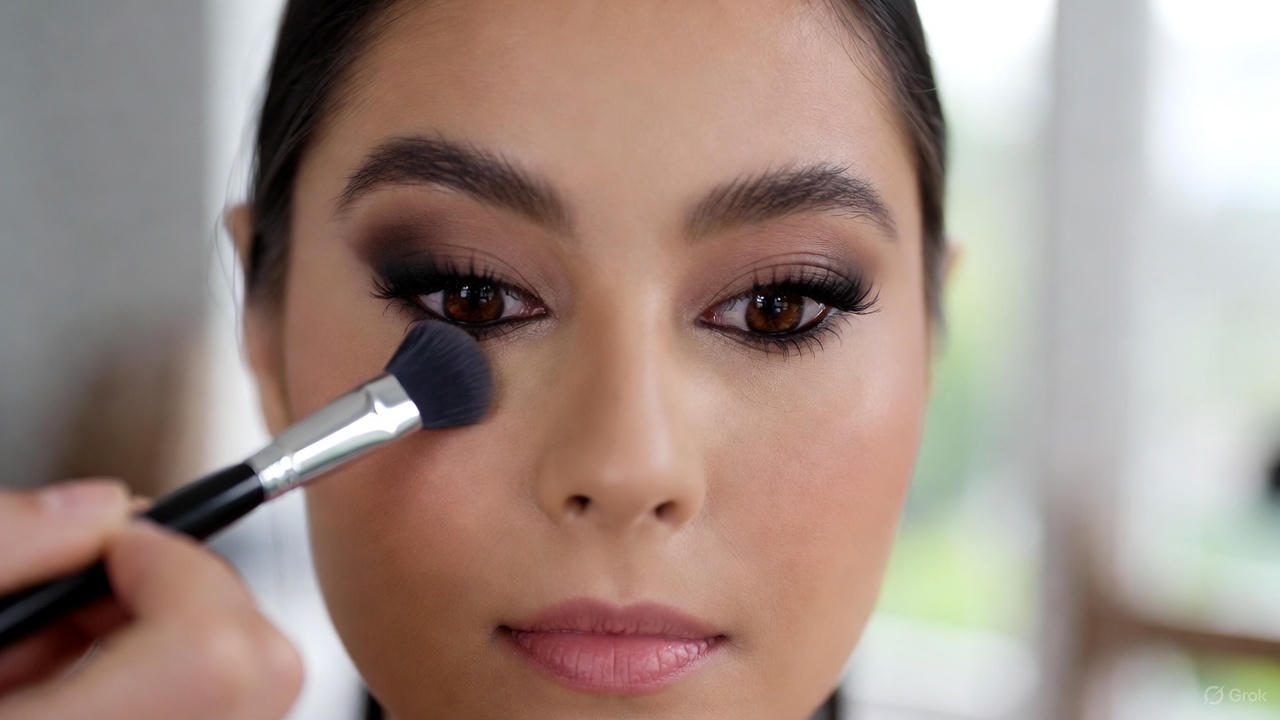
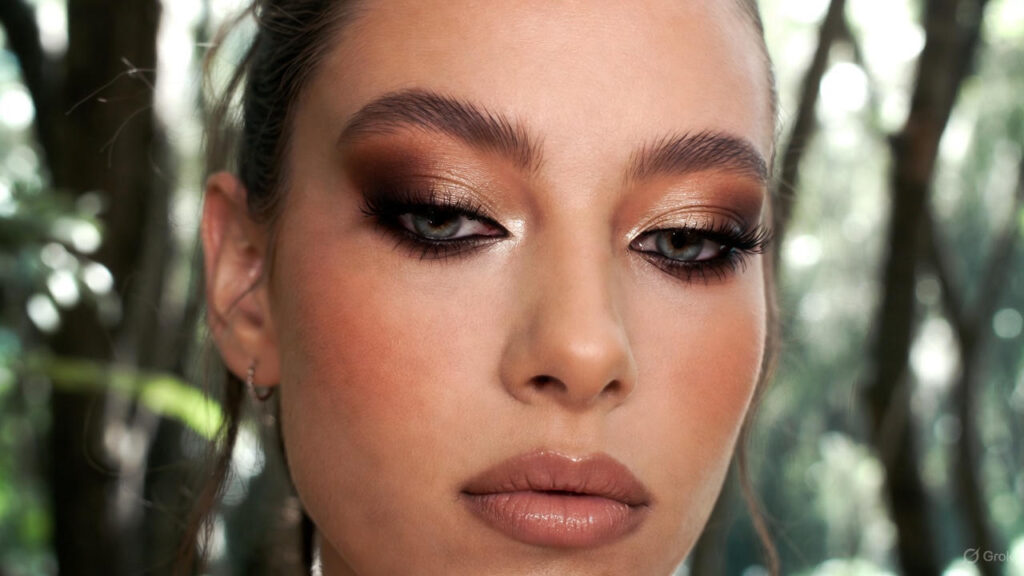
Eye shading involves blending multiple shades of eyeshadow to create a gradient effect that enhances the natural contours of the eyes. The process typically starts with lighter shades in the inner corner, transitioning to deeper tones on the outer corners.
This technique not only defines the eyes but also adds dimension, making them appear more expressive and captivating. It’s a versatile approach, perfect for both everyday looks and dramatic evening styles.
How Graduated Colors Enhance Eye Shape
Using graduated colors allows you to manipulate light and shadow, creating the illusion of a more sculpted eye. Different eye shapes can benefit from specific shading techniques to accentuate their natural beauty.
1. Adds Depth and Dimension
Gradually blending colors from light to dark creates a 3D effect, making the eyes appear deeper and more defined. This is particularly useful for flatter eye shapes that lack natural depth.
2. Highlights Natural Contours
Light shades bring attention to specific areas, such as the brow bone and inner corners, while darker tones recede areas like the crease and outer corners. This contrast highlights the natural curves of the eye.
3. Corrects and Balances Eye Shape
Graduated shading can balance asymmetrical eyes, lift drooping outer corners, or elongate smaller eyes. It’s a versatile tool for tailoring looks to suit individual features.
Tools and Products for Effective Eye Shading
Achieving professional results requires the right tools and products. Here are the essentials:
- Eyeshadow Palette: Choose a palette with a mix of light, medium, and dark shades.
- Brushes for eyeshadow: A flat brush for application, a fluffy brush for blending, and a precision brush for details are must-haves.
- Primer: Prepping the eyelids with primer ensures long-lasting color and smooth blending.
- Setting Spray: Locks the look in place for hours without fading or creasing.
Techniques for Flawless Eye Shading
Prep and Prime
Start with a clean, moisturized eyelid. Apply an eyeshadow primer to ensure the colors blend seamlessly and last longer.
1. Light Shade for the Base
Begin by applying a light shade across the entire lid to create a smooth base. This evens out the skin tone and allows other colors to stand out.
2. Mid-Tone for the Crease
Use a medium shade to define the crease, blending it in a windshield wiper motion. This step creates depth and serves as a transition between the light and dark shades.
3. Dark Shade for Outer Corners
Apply a darker shade to the outer corners of the eyes, focusing on a V-shape for a lifting effect. Blend it into the mid-tone shade for a seamless gradient.
4. Highlight Inner Corners and Brow Bone
Add a shimmer or light shade to the inner corners and brow bone to brighten the eyes and give them a more open appearance.
Blend, Blend, Blend
Blending is the key to professional-looking eye shading. Use a clean fluffy brush to soften harsh lines and ensure a smooth transition between colors.
Customizing Eye Shading for Different Eye Shapes
Every eye shape benefits from a tailored approach to shading. Here’s how to customize the technique:
Almond Eyes
Enhance their naturally balanced shape by emphasizing the outer corners with a darker shade and keeping the center light.
Hooded Eyes
Focus on blending the mid-tone shade slightly above the natural crease to create the illusion of a more open eye.
Round Eyes
Elongate the eyes by extending the darker shade outward into a cat-eye shape.
Monolid Eyes
Use a gradient from lash line to brow bone to add depth and dimension, focusing on vertical blending.
Common Mistakes to Avoid
- Skipping Primer: Without a primer, colors can fade or crease quickly.
- Overloading the Brush: Too much product makes blending difficult. Start with a small amount and build up.
- Harsh Lines: Always blend to avoid visible lines between shades.
- Using the Wrong Brushes: The right tools make all the difference in achieving a polished look.
Conclusion
The art of eye shading with graduated colors is a powerful way to enhance your eye shape and express your style. With the right techniques and tools, you can achieve a flawless, professional look that highlights your natural beauty. Practice and experimentation are key to mastering this skill and making it your own.
Frequently Asked Questions (FAQs)
1. What’s the best eyeshadow palette for beginners?
Look for a neutral palette with a mix of matte and shimmer shades. This allows you to experiment with different looks while keeping it simple.
2. How can I prevent eyeshadow from creasing?
Always use an eyeshadow primer before applying any product. Setting sprays can also help lock the look in place.
3. How do I choose the right shades for my eye color?
For brown eyes, warm tones like gold and bronze work well. Blue eyes pop with cool tones like gray and taupe. Green eyes shine with purples and mauves.
4. How long does it take to master eye shading?
Mastery depends on practice. Start with simple looks and gradually build your skills. With consistent effort, you’ll see improvement within weeks.
5. Can I use the same technique for day and night looks?
Yes, but adjust the intensity of the colors. For a daytime look, stick to lighter shades. For evening, deepen the gradient with richer tones.