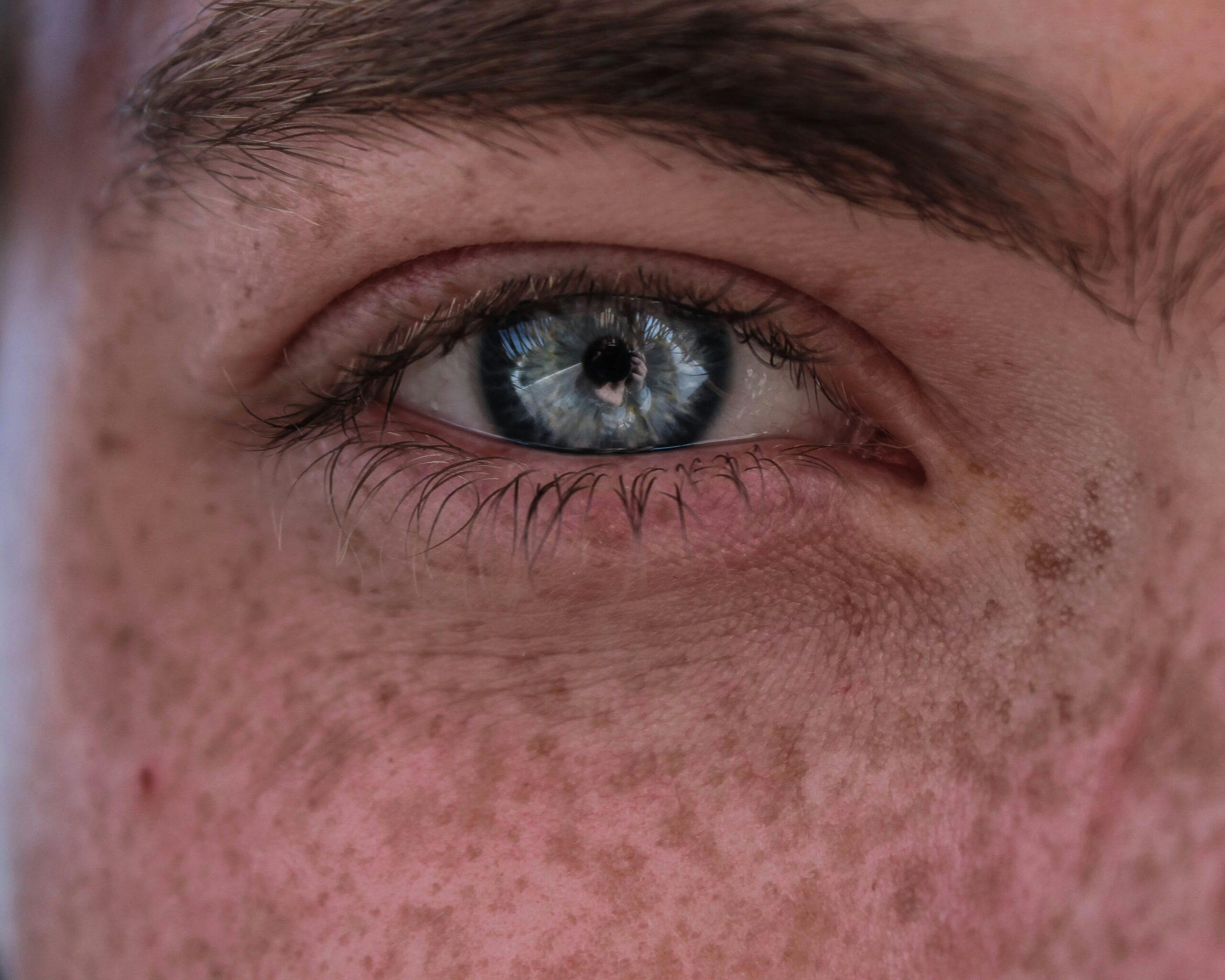
You wash your face every day, wear sunscreen sometimes, and still notice those stubborn dark patches that refuse to fade. That is hyperpigmentation, and it is more common than most people realize.
Hyperpigmentation happens when certain areas of the skin produce too much melanin, the pigment that gives skin its color. The result is patches or spots that appear darker than your surrounding skin tone. It is not harmful, but it can be persistent and frustrating.
Knowing how to treat hyperpigmentation naturally starts with understanding what triggered it in the first place. Without that, you are guessing.
Types of Hyperpigmentation You Should Know About
Not all dark spots are the same. The cause affects how you treat them, and treating the wrong type the wrong way wastes time.
Post-inflammatory hyperpigmentation (PIH) is the dark mark left behind after a pimple, cut, or irritation heals. It is common in deeper skin tones and is triggered by the skin’s inflammatory response. If you have had acne, you have likely dealt with this.
Melasma appears as larger patches of discoloration, often on the cheeks, forehead, or upper lip. It is closely linked to hormonal changes, which is why it frequently shows up during pregnancy or with oral contraceptive use. Sun exposure makes it significantly worse.
Sun spots, also called solar lentigines, are flat brown spots caused by years of unprotected UV exposure. They tend to appear on areas most exposed to the sun, like the face, hands, and shoulders.
Why Natural Treatment Works for Hyperpigmentation
Prescription treatments for hyperpigmentation exist, and they work. But they are not always accessible or suitable for every skin type, especially sensitive skin. Natural ingredients are often gentler, and when used consistently, they deliver real results.
The key is patience. Natural treatment takes longer than a prescription, but it is less likely to cause irritation, dryness, or rebound darkening, which can happen with some stronger interventions.
If you want to understand more about the connection between skin health and how products penetrate and perform, reading about what is skin barrier and how to repair it is a useful starting point, because a compromised barrier slows down how well any treatment actually works.
Natural Ingredients That Help Treat Hyperpigmentation
Some natural ingredients have strong research behind them for fading dark spots. Others have been used in traditional skincare for generations with consistently good results. Here are the ones worth knowing about.
Vitamin C
Vitamin C is one of the most well-studied brightening ingredients available. It works by inhibiting an enzyme called tyrosinase, which plays a central role in melanin production. Less melanin production means new dark spots form more slowly, and existing ones begin to fade.
It also doubles as an antioxidant, protecting your skin from the environmental damage that triggers pigmentation in the first place. For anyone trying to treat hyperpigmentation naturally, vitamin C deserves a place in your morning routine.
Look for stabilized forms like ascorbic acid, sodium ascorbyl phosphate, or ascorbyl glucoside. Apply it in the morning before sunscreen. The benefits of using vitamin C serum for brightening and firming go beyond just dark spots, making it one of the most versatile additions to any skincare routine.
Niacinamide
Niacinamide, also called vitamin B3, is a gentle and highly effective ingredient for hyperpigmentation. It works by interrupting the transfer of melanin to the skin’s surface cells. Over time, this reduces the visibility of existing dark spots.
It is also anti-inflammatory, which matters especially for post-inflammatory hyperpigmentation. Calming the skin reduces the inflammatory signals that trigger excess melanin in the first place. The benefits of using niacinamide for brightening and clarifying make it a go-to ingredient for almost every skin type.
Niacinamide is gentle enough to use twice daily, which gives it an edge over more potent but irritating alternatives.
Rosehip Oil
Rosehip oil is a natural source of trans-retinoic acid, a form of vitamin A, along with vitamin C and essential fatty acids. Together, these compounds help accelerate skin cell turnover, which gradually brings fresher, more evenly toned skin to the surface.
It is particularly helpful for post-inflammatory hyperpigmentation and is well-tolerated by most skin types including sensitive skin. Use it at night when skin repair naturally speeds up. Exploring the best rosehip oils for skin repair can help you find a quality product without the guesswork.
Turmeric
Turmeric contains curcumin, a compound with strong anti-inflammatory and antioxidant properties. Research suggests it can inhibit melanin production and reduce the appearance of dark patches, particularly melasma and PIH.
You can use it topically as a mask ingredient or take it internally through food. Both approaches have merit. If you use it topically, keep application time short, around 10 to 15 minutes, since turmeric can temporarily stain skin and surfaces.
A DIY turmeric face mask is simple to make at home using ingredients you probably already have.
Licorice Root Extract
Licorice root contains glabridin, a compound that blocks the enzyme responsible for pigmentation after UV exposure. It is one of the most effective natural brighteners available and has the added benefit of being anti-inflammatory.
It works well in serums and moisturizers and is safe for daily use. If you see “Glycyrrhiza glabra root extract” on an ingredient list, that is licorice root. It is worth seeking out, especially for melasma.
Aloe Vera
Aloe vera contains a compound called aloesin, which has been shown in studies to suppress excess melanin production. It is also deeply soothing, making it ideal for post-inflammatory hyperpigmentation where the skin is still recovering from acne or irritation.
Apply pure aloe vera gel directly to affected areas, or look for products where it is a primary ingredient. It works well layered under a moisturizer.
Alpha Arbutin
Alpha arbutin is derived from bearberry plants and is one of the most respected natural brightening agents in skincare. It works similarly to hydroquinone (a prescription brightener) but without the same irritation or controversy.
It inhibits tyrosinase and reduces melanin synthesis without being harsh on the skin. Concentrations of 1 to 2% are effective for most people. It pairs well with vitamin C and niacinamide for a more comprehensive brightening approach.
How to Treat Hyperpigmentation Naturally and Effectively: Building a Natural Routine
Knowing which ingredients help is only part of the equation. How you use them matters just as much.
Morning Routine
Your morning routine should focus on protection and treatment. Cleanse gently, apply a vitamin C serum, follow with a lightweight moisturizer, and finish with a broad-spectrum SPF 30 or higher. Every single morning.
Sun exposure is the single biggest reason hyperpigmentation worsens and fails to fade. Skipping SPF undoes the progress you made the night before. Understanding how to build a morning skincare routine that works for you makes it easier to stay consistent, which is what actually produces results.
Evening Routine
Nighttime is when your skin repairs itself most actively. Use this window to apply more targeted treatments.
A niacinamide serum, rosehip oil, or a product with alpha arbutin applied at night allows these ingredients to work without UV interference. If you are also using any exfoliating acids, the evening is the right time for those too.
Keep your routine consistent. Applying a brightening serum three nights a week is far less effective than applying it every night.
Exfoliation
Exfoliation removes the surface layers of skin where excess melanin has accumulated. This reveals fresher skin underneath and helps brightening ingredients absorb more effectively.
Alpha hydroxy acids (AHAs) like glycolic acid and lactic acid are the most commonly used chemical exfoliants for hyperpigmentation. They gently dissolve dead skin cells without the physical irritation of scrubs.
Use exfoliants two to three times a week at most. Over-exfoliating can trigger inflammation, which circles back to causing more hyperpigmentation, the opposite of what you want.
Sunscreen Is the Foundation of Every Hyperpigmentation Treatment
There is no effective natural treatment for hyperpigmentation without consistent sun protection. This is not optional.
Ultraviolet (UV) rays stimulate melanocytes, the cells that produce pigment. Even a few minutes of unprotected sun exposure each day can keep existing spots dark and cause new ones to form. The importance of sun protection for preventing melasma applies to all forms of hyperpigmentation, not just melasma specifically.
Use SPF 30 minimum, broad-spectrum, and reapply every two hours when outdoors. Mineral sunscreens with zinc oxide provide strong protection and are less likely to irritate sensitive or reactive skin.
Wear a hat when you are in direct sunlight for extended periods. That one habit alone can significantly speed up your results.
Diet and Lifestyle Factors That Affect Hyperpigmentation
What you put into your body affects your skin in measurable ways. Antioxidant-rich foods help combat the oxidative stress that contributes to melanin overproduction.
Vitamin C-rich foods like citrus, bell peppers, and strawberries support skin from the inside. Omega-3 fatty acids from fish, walnuts, and flaxseed help reduce systemic inflammation. Green tea contains polyphenols that protect skin from UV damage.
Eating a diet that supports healthy, glowing skin does not replace topical treatment, but it absolutely supports it.
Sleep consistently, because skin cell renewal is highest during deep sleep.
Stress management also matters. Elevated cortisol promotes inflammation, and chronic inflammation is directly linked to excess melanin production. Any consistent stress reduction practice, whether exercise, meditation, or time outside, is genuinely useful for your skin.
How Long Does It Take to Treat Hyperpigmentation Naturally
This is the question most people want answered, and the honest answer is: it depends.
Superficial dark spots in lighter skin tones may show noticeable improvement in six to eight weeks of consistent treatment. Deeper pigmentation, particularly melasma or stubborn PIH, can take three to six months. In some cases longer.
Natural treatments are slower than prescriptions. That is the trade-off. But they are far less likely to irritate your skin or cause new problems while you treat existing ones.
Take progress photos every two weeks in the same lighting. Progress is gradual enough that you might miss it without documentation. This also helps you evaluate whether a specific ingredient is working for your skin.
What to Avoid While Treating Hyperpigmentation
Some habits actively slow down or reverse your progress, and they are worth knowing upfront.
Picking at pimples or skin irritations leaves behind post-inflammatory marks that can take months to fade. As difficult as it is, hands off.
Using too many active ingredients at once can cause irritation and inflammation, which triggers more melanin. Introduce one new ingredient at a time and give it three to four weeks before assessing results.
Skipping sunscreen on cloudy days, through glass indoors, or during short outdoor trips still allows UV damage to accumulate. Consistent SPF use is the single habit with the most impact on your results.
According to the National Institutes of Health (NIH), combining topical brightening agents with strict photoprotection consistently produces better outcomes than either approach used alone.
Frequently Asked Questions
1. Can hyperpigmentation be treated naturally at home?
Yes. Natural ingredients like vitamin C, niacinamide, rosehip oil, and alpha arbutin have solid evidence supporting their ability to fade dark spots over time. Consistent application alongside daily SPF use is essential for results.
2. How long does it take for natural hyperpigmentation treatments to work?
Mild surface pigmentation may improve in six to eight weeks. Deeper or more stubborn pigmentation like melasma or long-standing PIH can take three to six months or more. Consistency is the deciding factor.
3. Does sunscreen really make a difference for hyperpigmentation?
Absolutely. Sunscreen is the single most important product when treating hyperpigmentation. Without it, UV exposure keeps stimulating melanin production, which cancels out the progress you make with other treatments.
4. Is it possible to treat hyperpigmentation without any products at all?
Not effectively. Dietary changes and sun avoidance can help prevent worsening, but fading existing pigmentation requires topical treatment that interferes with melanin production or accelerates cell turnover.
5. Can hyperpigmentation come back after it fades?
Yes. Hyperpigmentation can recur if you stop using SPF or if the original trigger, such as hormonal changes or recurring acne, is still active. Maintenance with sunscreen and occasional brightening products helps prevent it from returning.
6. Are DIY natural remedies safe for treating dark spots?
Some are, and some are not. Turmeric, aloe vera, and rosehip oil are generally safe. However, ingredients like undiluted lemon juice or baking soda can irritate or damage skin. Stick with well-researched options and always patch test first.
7. Is hyperpigmentation the same as melasma?
No. Melasma is a specific type of hyperpigmentation linked to hormonal changes and UV exposure. Hyperpigmentation is the broader term that covers all forms of excess skin darkening, including sun spots and post-inflammatory marks.
Conclusion
Learning how to treat hyperpigmentation naturally and effectively is a long game, but it is absolutely winnable with the right approach. Focus on proven ingredients, protect your skin from the sun every single day, and give your routine enough time to work before switching things up. Start with one or two targeted ingredients, build a consistent routine, and take progress photos to track what is changing. Your skin can get there.