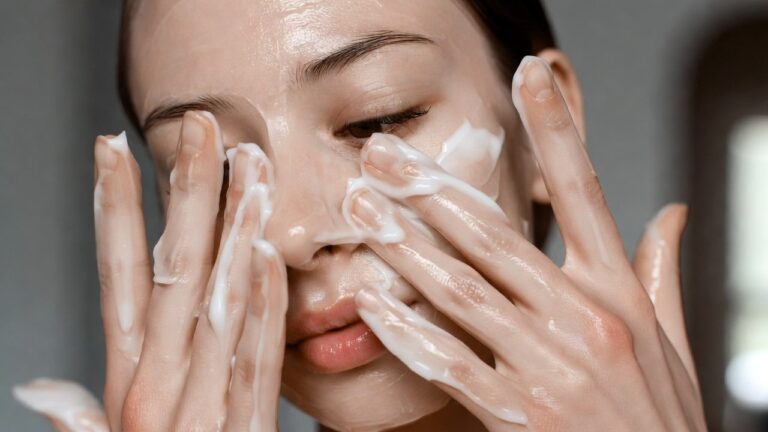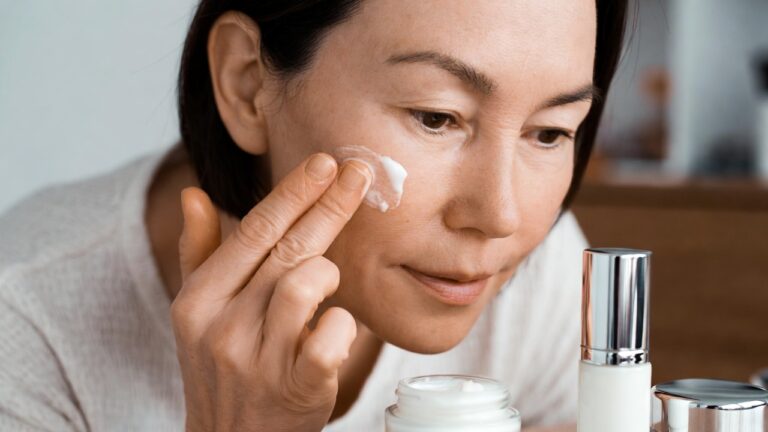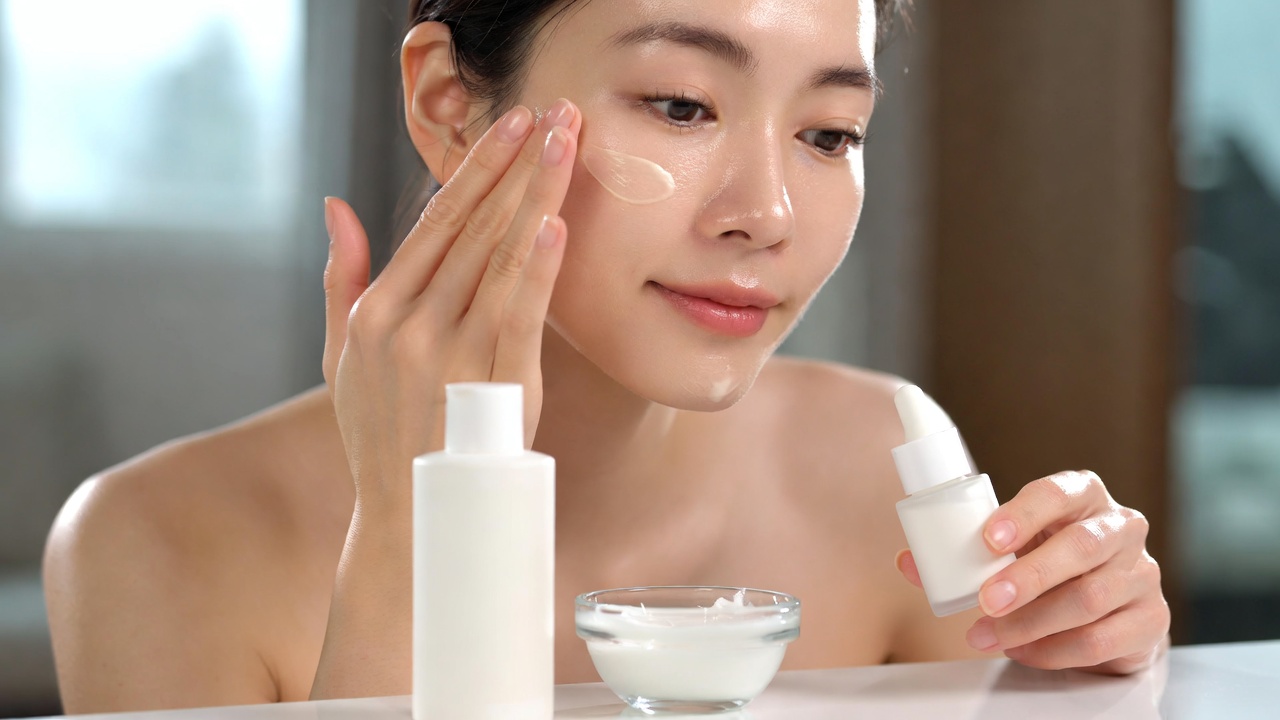
You have probably seen it on social media: skin so smooth, hydrated, and luminous it almost looks like glass. That is exactly where the name comes from.
The glass skin routine is a Korean skincare-inspired approach focused on deep hydration, a strong skin barrier, and a refined skin texture. The goal is not glowing skin from highlighter. It is skin that reflects light naturally because it is genuinely healthy and well-hydrated from the inside out.
Achieving glass skin is not about one miracle product. It is about building a consistent, layered routine that addresses hydration, texture, and brightness together.
Is Glass Skin Achievable for Every Skin Type?
Yes, with the right adjustments. Glass skin is often shown on people with naturally smooth complexions, but the routine behind it works across most skin types.
Oily skin can absolutely achieve a dewy, clear finish without looking greasy. Dry skin benefits enormously from the hydration-layering approach that sits at the heart of a glass skin routine. Combination skin just needs a bit more attention to balance.
The technique matters more than your starting point. Give your skin the right building blocks and it will move toward that luminous, healthy finish over time.
The Glass Skin Routine: Step by Step
The glass skin routine is more involved than a basic three-step regimen. It emphasizes layering lightweight hydration and keeping the skin barrier intact. Here is how to build it properly.
1. Double Cleanse
Double cleansing is a cornerstone of Korean skincare and a non-negotiable step in any glass skin routine.
Start with an oil-based cleanser or balm to dissolve sunscreen, makeup, and excess sebum. Oil attracts oil, so this step lifts away everything a water-based cleanser cannot reach on its own. Massage it gently into dry skin, then rinse.
Follow with a gentle, water-based cleanser to wash away anything left behind. This second step cleans the skin without stripping it. You want your face to feel soft and comfortable after cleansing, not tight or squeaky.
Double cleansing at night is essential. In the morning, a single gentle cleanse or even a cool water rinse is enough for most skin types.
2. Exfoliate (Two to Three Times a Week)
Smooth, radiant skin cannot happen if dead skin cells are piling up on the surface. Exfoliation is how you keep texture refined and products absorbing properly.
Chemical exfoliants work better than physical scrubs for glass skin because they dissolve dead cells evenly without causing micro-tears. AHAs (alpha hydroxy acids) like glycolic acid and lactic acid work on the skin’s surface and brighten dull skin. BHAs (beta hydroxy acids) like salicylic acid go deeper into pores and help with congestion.
Do not exfoliate every day. Two to three times a week is enough for most people. Over-exfoliating is one of the fastest ways to damage your skin barrier, which is directly at odds with everything a glass skin routine is trying to build.
3. Toner
After cleansing, your skin is clean but slightly depleted. Toner is the first hydration layer you add back.
For glass skin, skip any toners with alcohol or astringent ingredients. You want hydrating toners packed with ingredients like hyaluronic acid, glycerin, beta-glucan, or centella asiatica. These calm, soothe, and begin the process of plumping the skin.
Apply toner by patting it gently into your skin with clean hands rather than wiping it with a cotton pad. The patting motion encourages absorption and adds a light warmth that helps the product settle in faster.
4. Essence
This is where the glass skin routine starts to feel different from a standard Western routine. Essences are a staple in Korean skincare and they are genuinely effective.
An essence is thinner than a serum but more concentrated than a toner. It delivers a burst of active hydration and often contains fermented ingredients, niacinamide, or skin-brightening compounds. It prepares the skin to absorb everything that follows.
Apply essence by pressing a few drops between your palms and then pressing your palms gently against your face. Repeat two or three times until it absorbs fully. The technique is gentle and effective.
5. Serum
Now you layer in your targeted treatment. For glass skin, the serum you choose depends on your main concern.
For brightening and an even complexion, vitamin C is one of the best options available. It reduces hyperpigmentation, neutralizes free radicals, and adds a natural luminosity to skin over time. Use it in the morning for best results since it provides antioxidant protection against environmental damage throughout the day.
For intense hydration, a hyaluronic acid serum adds deep moisture that makes skin look visibly plumper. For texture and pore appearance, niacinamide is reliable and well-tolerated. You can layer a hydrating serum with a targeted one, applying the thinnest formula first.
6. Sheet Mask (Two to Three Times a Week)
Sheet masks are not just a self-care indulgence. In the context of a glass skin routine, they deliver a concentrated dose of hydration and active ingredients that regular products cannot match in a single application.
Use a sheet mask after your serum, two to three times a week. Look for masks soaked in essences containing hyaluronic acid, ceramides, or snail mucin. Leave the mask on for 15 to 20 minutes, then pat the remaining essence into your skin rather than rinsing it off.
The boost you get from consistent masking is visible over time. Skin looks plumper, more even, and more luminous with regular use.
7. Eye Cream
The area around your eyes is one of the first places that dullness and dehydration show up. A good eye cream addresses both.
For glass skin, look for an eye cream with peptides, hyaluronic acid, or caffeine. Peptides support firmness and help with fine lines. Caffeine reduces puffiness and dark circles that can make your overall complexion look tired.
Use your ring finger to tap a small amount gently around the orbital bone. Avoid dragging or pulling at this delicate area. Apply morning and night for consistent results.
8. Moisturizer
After all those hydrating layers, your moisturizer acts as a seal. It locks everything in and prevents water loss throughout the day.
For glass skin, lightweight gel moisturizers or water-cream hybrids work beautifully. They add moisture without heaviness and give skin that fresh, dewy finish that is central to the glass skin look. If your skin is on the drier side, a richer cream is perfectly fine and actually necessary to prevent transepidermal water loss (TEWL), which is the evaporation of water from the skin’s surface.
Ceramide-rich moisturizers are particularly effective here because they also reinforce your skin barrier, the foundational layer that makes everything else in the routine perform better.
9. Face Oil (Optional)
This step is optional but worth considering if your skin leans dry or if you want to add extra luminosity.
A few drops of a lightweight face oil like rosehip, squalane, or marula pressed gently into the skin adds a natural sheen that mimics the glass skin effect visually while also providing nourishment.
Squalane is especially popular because it is non-comedogenic, meaning it does not clog pores, and it mimics your skin’s own natural oils. Apply it as the last step before SPF in the morning or as the final step in your evening routine.
10. Sunscreen
This step is the most important protective measure in your entire glass skin routine. No amount of hydration and brightening work will show its full potential if UV (ultraviolet) radiation is breaking down your collagen and causing pigmentation daily.
Use a broad-spectrum SPF (sun protection factor) of at least 30 every morning without exception. For glass skin, there are excellent lightweight, non-greasy sunscreens that sit perfectly under makeup or simply on their own. Korean and Japanese sunscreen formulas are worth exploring as many have a beautiful skin-finish quality that actually enhances the dewy look you are going for.
Apply sunscreen as the final step in your morning routine after moisturizer or face oil.
Key Ingredients That Power the Glass Skin Routine
The glass skin routine relies heavily on a specific set of ingredients. Knowing these helps you shop smarter and build a routine that genuinely works.
Hyaluronic acid holds up to 1,000 times its weight in water and is the hydration engine behind most glass skin routines. Glycerin is a reliable, affordable humectant that draws moisture into the skin consistently. Niacinamide tightens pores, evens skin tone, and boosts ceramide production. Ceramides reinforce the skin barrier and prevent moisture loss. Snail mucin, commonly found in Korean skincare products, is rich in glycoproteins and hyaluronic acid and helps with texture and repair. Vitamin C brightens the complexion and protects against environmental damage.
None of these ingredients are new or trendy for their own sake. They have solid research behind them and a long track record of results.
Morning vs. Evening Glass Skin Routine
The morning and evening routines share many steps but serve different purposes.
Your morning glass skin routine focuses on protection and hydration. Cleanser, toner, essence, vitamin C serum, moisturizer, and SPF cover everything you need before heading out.
Your evening glass skin routine is where the real repair happens. Double cleanse, exfoliate when needed, toner, essence, treatment serum, sheet mask a few times a week, eye cream, moisturizer, and face oil. Night-time is when your skin regenerates most actively, so layering richer hydration products in the evening accelerates results.
You do not need to do every step every single day. Consistency with the core steps matters far more than doing the full routine perfectly every time.
Common Mistakes That Slow Down Glass Skin Progress
People often start a glass skin routine with enthusiasm and then plateau. Usually, one of these habits is the reason.
Using too many active ingredients at once is a frequent problem. Vitamin C, retinol, AHAs, and BHAs are all valuable, but layering all of them in one routine causes irritation and damages the very barrier you are trying to build. Space them out and introduce new actives slowly.
Skipping sunscreen is perhaps the single biggest mistake. Hyperpigmentation and UV damage directly undermine the clear, even-toned complexion that glass skin requires. No glass skin routine works without daily SPF.
Not giving products enough time is also a common issue. Most people expect results in a week. For skin texture and tone improvements, you realistically need six to twelve weeks of consistent effort before you see meaningful change. Stay patient and keep going.
Frequently Asked Questions
1. What is a glass skin routine?
A glass skin routine is a multi-step skincare approach, rooted in Korean beauty, that focuses on deep hydration, a healthy skin barrier, and refined texture to achieve a smooth, luminous, almost translucent complexion.
2. How long does it take to get glass skin?
With a consistent routine, you can notice improvements in skin texture and hydration within two to four weeks. For a fully refined, luminous complexion, most people see significant results after six to twelve weeks of regular practice.
3. Can oily skin follow a glass skin routine?
Yes. Oily skin benefits from the hydration layering in a glass skin routine because well-hydrated skin is less likely to overproduce oil. Use gel-based, non-comedogenic formulas and lightweight moisturizers to avoid heaviness.
4. Do I need to use Korean skincare products specifically?
No. The glass skin routine is inspired by Korean skincare principles, but you can build an effective routine using products from any brand as long as they contain the right ingredients like ceramides, hyaluronic acid, niacinamide, and a good SPF.
5. Is the glass skin routine suitable for sensitive skin?
Yes, with modifications. Sensitive skin should avoid heavy exfoliation and stick with soothing ingredients like centella asiatica, beta-glucan, and ceramides. Introduce new products one at a time and patch-test everything before applying it to your full face.
6. What is the difference between glass skin and glazed donut skin?
Both trends focus on a dewy, hydrated finish, but glass skin emphasizes a smooth, refined, almost flawless texture with visible pores minimized. Glazed donut skin, popularized more recently, leans into a shinier, more intensely moisturized look that focuses less on texture refinement.
7. Can I achieve glass skin without a ten-step routine?
Yes. A simplified version with double cleansing, a hydrating toner, a serum, a good moisturizer, and SPF will still move you meaningfully toward the glass skin result. The fuller routine accelerates and deepens those results, but it is not a strict requirement.
Conclusion
The glass skin routine is not about chasing perfection. It is about building genuinely healthy, well-hydrated skin that looks luminous because it actually is. Start with the core steps, layer in more over time, and trust that consistent daily care adds up faster than you expect. Pick two or three products from this guide, build your routine, and give it eight weeks. Your skin will show you exactly what it needed all along.