Choosing the right hair color for your skin tone can be a daunting task. With so many options available, it can be difficult to know where to start. However, the key to finding the perfect hair color is to understand the undertones of your skin and how they interact with different hair colors.
In this article, we will discuss the different skin tones and the hair colors that complement them best.
Things to Consider When Choosing the Right Hair Color
1. Skin Tone
First, it is important to determine your skin tone. There are three main skin tones: warm, cool, and neutral.
To determine your skin tone, look at the veins in your wrist. If your veins appear blue or purple, you have cool undertones. If your veins appear green, you have warm undertones. If you can’t tell whether your veins are blue or green, you have a neutral undertone.
a. Warm Undertones
If you have warm undertones, your skin has a yellow, peachy, or golden color. Warm undertones are typically complemented by hair colors with red, orange, or yellow undertones.
The best hair colors for warm skin tones are warm colors, such as red, golden blonde, caramel, honey, and copper. These colors will enhance the warm undertones in your skin and give you a glowing, sun-kissed look.
When selecting a hair color for warm undertones, it’s essential to consider the intensity of the color. Opt for rich, saturated shades that will make your skin glow and bring out the warmth in your complexion.
Avoid hair colors with cool undertones, such as ash brown or platinum blonde, as they can clash with your warm skin tone and appear unnatural.
b. Cool Undertones
Cool undertones have hints of pink, blue, or purple beneath the surface. The best hair colors for cool skin tones are cool colors, such as ash blond, platinum, silver, and dark brown. These colors will enhance the cool undertones in your skin and give you a crisp, polished look.
When selecting a hair color for cool undertones, it’s essential to avoid warm or brassy hues, as they can clash with your cool complexion and appear unflattering. Instead, opt for colors with blue or violet undertones, which can enhance the natural coolness of your skin and create a flattering contrast.
c. Neutral Undertones
Some individuals have neutral undertones, meaning their skin has a balanced mix of warm and cool tones. Neutral undertones offer more flexibility when choosing hair colors, as they can complement both warm and cool hues.
The best hair colors for neutral skin tones are natural colors, such as sandy blond, light brown, and dark blond. These colors will enhance the natural undertones in your skin and give you a balanced, natural look.
When choosing a hair color for neutral undertones, consider your personal preferences, as well as any specific features you want to highlight. Whether you opt for a warm, sun-kissed blonde or a cool, ash brown, choose a hair color that makes you feel confident and enhances your natural beauty.
2. Natural Hair Color
In addition to your skin tone, it is also important to consider your natural hair color when choosing a new hair color. If you have naturally dark hair, it may be difficult to achieve a light hair color without using bleach or lightening products.
On the other hand, if you have naturally light hair, it may be difficult to achieve a dark hair color without using darkening products.
3. Eye Color
Another important factor to consider is your eye color. If you have blue or green eyes, you will want to choose a hair color that complements your eye color. For example, if you have blue eyes, you should avoid hair colors that are too warm, as they will clash with your eye color. Instead, you should choose a cool hair color that will enhance the blue in your eyes.
Tips for Choosing the Right Hair Color
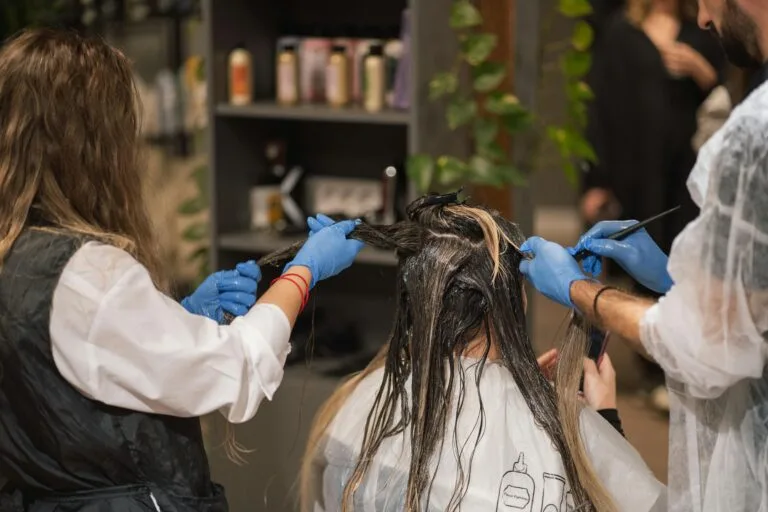
- Consult a Professional: If you’re unsure about which hair color will best complement your skin tone, consider consulting a professional hairstylist. A trained stylist can assess your skin tone and recommend hair colors that will flatter your complexion.
- Consider Your Lifestyle: When choosing a hair color, consider your lifestyle and maintenance preferences. If you lead a busy lifestyle or prefer low-maintenance hair, opt for a hair color that requires minimal upkeep.
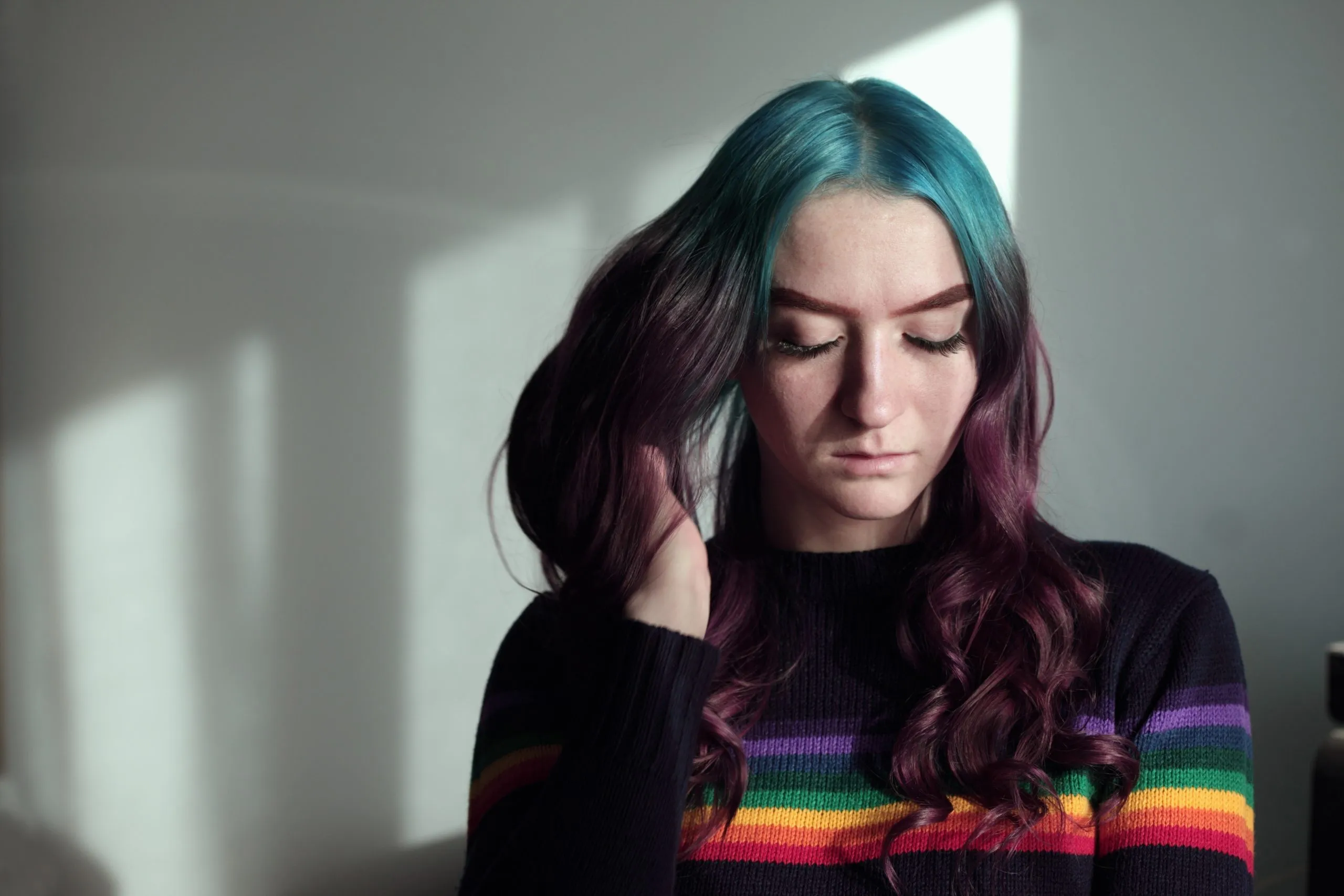
- Experiment with Temporary Colors: If you’re hesitant to commit to a permanent hair color, experiment with temporary hair dyes or semi-permanent colors. Temporary colors allow you to test out different shades without making a long-term commitment.
- Take Your Eye Color into Account: Consider your eye color when choosing a hair color, as certain shades can enhance your eye color and create a striking contrast.
- Embrace Your Natural Beauty: Above all, choose a hair color that makes you feel confident and comfortable in your own skin. Embrace your natural beauty and choose a hair color that reflects your personality and style.
Conclusion
When it comes to choosing the right hair color for your skin tone, it is important to keep in mind that the final result will depend on your natural hair color, eye color, and personal style. It is always best to consult with a professional stylist who can help you find the perfect hair color for you.
Choosing the right hair color for your skin tone is all about understanding the undertones of your skin and how they interact with different hair colors. Warm skin tones should opt for warm colors, cool skin tones should opt for cool colors, and neutral skin tones should opt for natural colors.
It is also important to consider your natural hair color, eye color, and personal style before making a final decision. With a little bit of knowledge and the help of a professional stylist, you can find the perfect hair color to complement your skin tone and enhance your natural beauty.
FAQs
1. Can I dye my hair a drastically different color from my natural hair if I have warm undertones?
Yes, individuals with warm undertones can experiment with a wide range of hair colors, including shades of red, copper, and honey blonde. However, it’s essential to choose a hair color that complements your warm undertones and enhances your natural beauty.
2. How can I determine my skin undertone?
One way to determine your skin undertone is to look at the veins on the inside of your wrist. If your veins appear greenish, you likely have warm undertones. If your veins appear bluish or purplish, you likely have cool undertones. If you can’t discern whether your veins appear greenish or bluish, you may have neutral undertones.
3. Can I change my hair color at home, or should I visit a salon?
While it’s possible to change your hair color at home using DIY hair dye kits, visiting a salon is often recommended, especially if you’re making a significant change or if you’re unsure about which hair color will best complement your skin tone. A professional hairstylist can assess your skin tone and recommend hair colors that will flatter your complexion.
4. How often do I need to touch up my hair color?
The frequency of hair color touch-ups depends on several factors, including the type of hair dye used, your hair growth rate, and your personal preferences. Generally, permanent hair colors may require touch-ups every 4-6 weeks to maintain the color’s vibrancy and coverage.