Jojoba oil has become a go-to ingredient for those seeking natural solutions for hair repair and hydration. Extracted from the seeds of the jojoba plant, this versatile oil mimics the natural sebum produced by the scalp. Its ability to nourish, moisturize, and protect the hair makes it an essential addition to your hair care routine.
Let’s dive into the key benefits of jojoba oil and how it can transform your hair health.
What is Jojoba Oil?
Jojoba oil is a liquid wax extracted from the seeds of the jojoba plant, native to arid regions of North America. It’s known for its lightweight texture and compatibility with human skin and hair. Unlike many oils, it doesn’t feel greasy and is packed with vitamins, minerals, and antioxidants that promote healthy hair.
Its chemical structure closely resembles the natural oils produced by the scalp. This makes it an ideal choice for moisturizing, repairing damage, and maintaining a balanced scalp environment.
Key Benefits of Jojoba Oil for Hair
Jojoba oil offers a wide range of benefits for hair repair and hydration. Here’s how it works to improve hair health:
Hydrates and Moisturizes Hair
Jojoba oil is an excellent natural moisturizer. Its lightweight formula penetrates the hair shaft, delivering hydration without weighing the hair down. It’s particularly beneficial for dry or brittle strands, helping to restore softness and manageability.
Repairs Damaged Hair
Damaged hair often lacks essential nutrients. Jojoba oil replenishes lost moisture and nutrients, repairing split ends and strengthening weak strands. Its nourishing properties help protect the hair from further damage caused by styling tools, heat, or environmental factors.
Balances Scalp Health
A healthy scalp is the foundation for healthy hair. Jojoba oil mimics natural sebum, helping to regulate scalp oil production. This prevents excessive dryness or greasiness while soothing issues like itchiness and flakiness.
Promotes Hair Growth
Jojoba oil supports hair growth by maintaining a healthy scalp environment. Its ability to clear clogged hair follicles and improve blood circulation promotes healthier, thicker hair over time.
Reduces Frizz and Enhances Shine
Jojoba oil smooths the hair cuticle, reducing frizz and improving shine. Its ability to seal in moisture makes hair appear smoother and more polished, even in humid conditions.
How to Use Jojoba Oil for Hair Repair and Hydration
Adding jojoba oil to your hair care routine is simple and versatile. Here are some effective ways to use it:
1. As a Pre-Wash Treatment
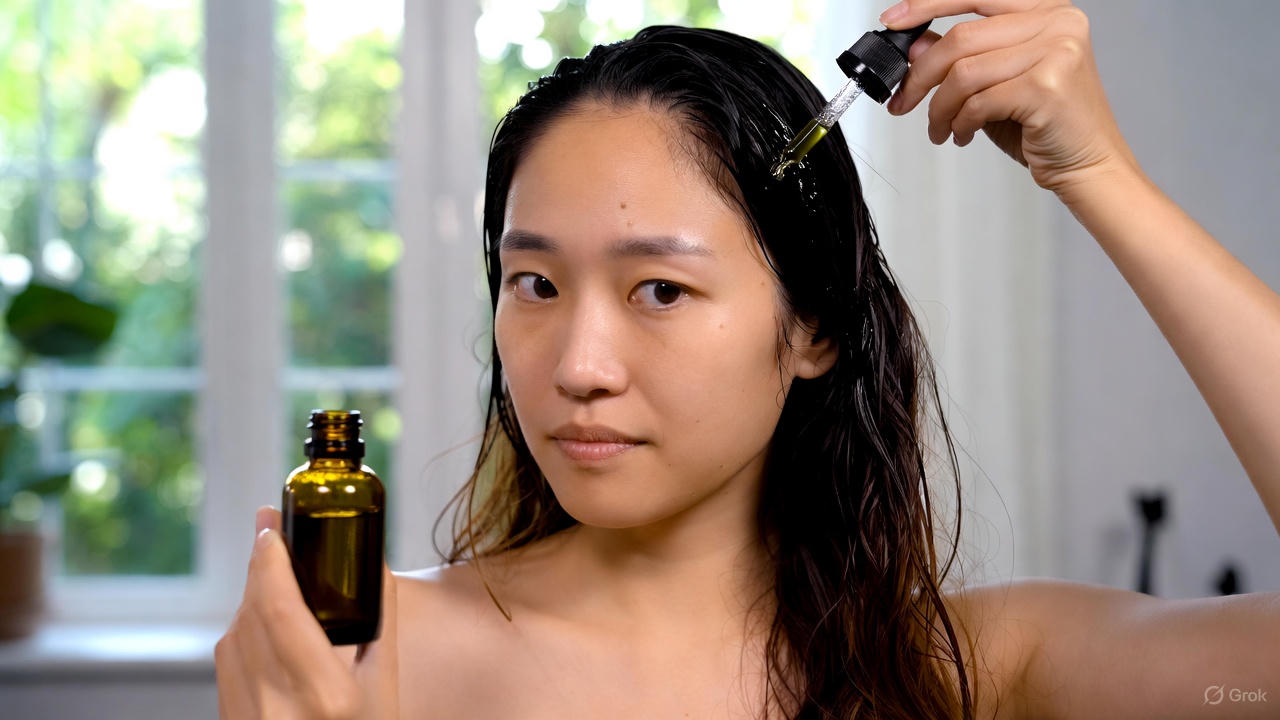
Apply a few drops of jojoba oil to your hair and scalp before washing. Let it sit for 15-20 minutes to deeply hydrate and nourish. This pre-wash treatment prevents shampoo from stripping away natural oils.
2. As a Scalp Massage Oil
Warm a small amount of jojoba oil and massage it into your scalp using circular motions. This boosts blood circulation, unclogs hair follicles, and soothes dryness.
3. Mixed with Conditioner
Add a few drops of jojoba oil to your regular conditioner for an extra boost of hydration. This combination leaves your hair softer and more manageable.
4. As a Leave-In Treatment
Use jojoba oil as a leave-in conditioner by applying a small amount to damp hair. Focus on the mid-lengths and ends to prevent frizz and add shine.
5. As a Heat Protectant
Apply a thin layer of jojoba oil before using heat-styling tools. Its protective barrier minimizes heat damage while keeping hair hydrated.
Why Jojoba Oil Stands Out
Jojoba oil is unique because it’s non-comedogenic, meaning it won’t clog pores or weigh down your hair. It’s suitable for all hair types, including straight, curly, and color-treated hair. Additionally, its lightweight texture makes it easy to incorporate into daily routines without leaving a greasy residue.
Unlike synthetic products, jojoba oil is free from harsh chemicals and additives. This makes it a safe, natural choice for those seeking effective and gentle hair care solutions.
Who It’s Best Suited For
Jojoba oil is considered non-comedogenic, meaning it won’t clog pores even with regular use near the scalp. That quality, combined with its lightweight texture, makes it suitable across straight, curly, and color-treated hair types alike. Most people can introduce it without needing to adjust their existing products or routine.
It’s also free from the synthetic additives found in many commercial hair treatments, which appeals to anyone trying to simplify their ingredient list. For color-treated hair specifically, its gentle profile makes it less likely to strip or fade dye compared to harsher treatments.
What to Look for When Buying
Not all bottles labeled “jojoba oil” are created equal, so a quick look at the label is worth the extra minute. Cold-pressed, unrefined versions tend to retain more of the natural vitamins and antioxidants than heavily processed ones. A golden color and a light, nutty scent are generally good signs you’re getting a purer product rather than a diluted blend.
Price can vary quite a bit between brands, but a higher price doesn’t automatically mean better quality. Checking for clear labeling of the extraction method and looking at the ingredient list for added fillers will usually tell you more than the price tag alone.
Precautions When Using Jojoba Oil
While jojoba oil is generally safe, there are a few precautions to consider:
- Perform a patch test before use to ensure you’re not allergic.
- Use it sparingly, as a little goes a long way.
- Store it in a cool, dark place to maintain its quality.
If you’re dealing with severe hair or scalp issues, consult a dermatologist before introducing new products.
Conclusion
Jojoba oil is a powerhouse ingredient for repairing and hydrating hair. Its ability to nourish, protect, and balance makes it a must-have for anyone looking to improve their hair’s health and appearance. Whether you use it as a pre-wash treatment, scalp massage oil, or leave-in conditioner, jojoba oil delivers noticeable results with regular use.
Frequently Asked Questions (FAQs)
1. Can jojoba oil be used on all hair types?
Yes, jojoba oil is suitable for all hair types, including straight, curly, and color-treated hair. Its lightweight texture ensures it doesn’t weigh hair down.
2. How often should I use jojoba oil on my hair?
You can use jojoba oil 2-3 times a week, depending on your hair’s needs. Adjust the frequency based on how your hair responds.
3. Does jojoba oil help with dandruff?
Yes, jojoba oil can help reduce dandruff by moisturizing the scalp and soothing dryness. Its antibacterial properties may also address minor scalp irritations.
4. Can jojoba oil promote faster hair growth?
While jojoba oil doesn’t directly speed up hair growth, it creates a healthy scalp environment, which supports natural hair growth over time.
5. Is it safe to leave jojoba oil on my hair overnight?
Yes, leaving jojoba oil on your hair overnight is safe. It allows the oil to deeply nourish and hydrate your hair and scalp. Just make sure to use a shower cap or cover your pillow to avoid stains.