Your skin tells a story. Sunspots from last summer. A faded scar that just won’t disappear. Fine lines that crept in quietly. If you’ve been searching for something that actually helps repair your skin without a complicated ten-step routine, rosehip oil might be the one ingredient worth your attention.
The best rosehip oils for skin repair are packed with vitamins A and C, essential fatty acids, and antioxidants that work together to fade discoloration, smooth texture, and rebuild the skin barrier. This guide breaks down exactly which ones are worth it, what to look for, and how to use them right.
Top 3 Quick Picks
- Best Overall: Trilogy Certified Organic Rosehip Oil
- Best Budget Pick: Kate Blanc Cosmetics Rosehip Seed Oil
- Best for Sensitive Skin: Leven Rose 100% Pure Organic Rosehip Oil
Product Reviews: Best Rosehip Oils for Skin Repair
1. Trilogy Certified Organic Rosehip Oil
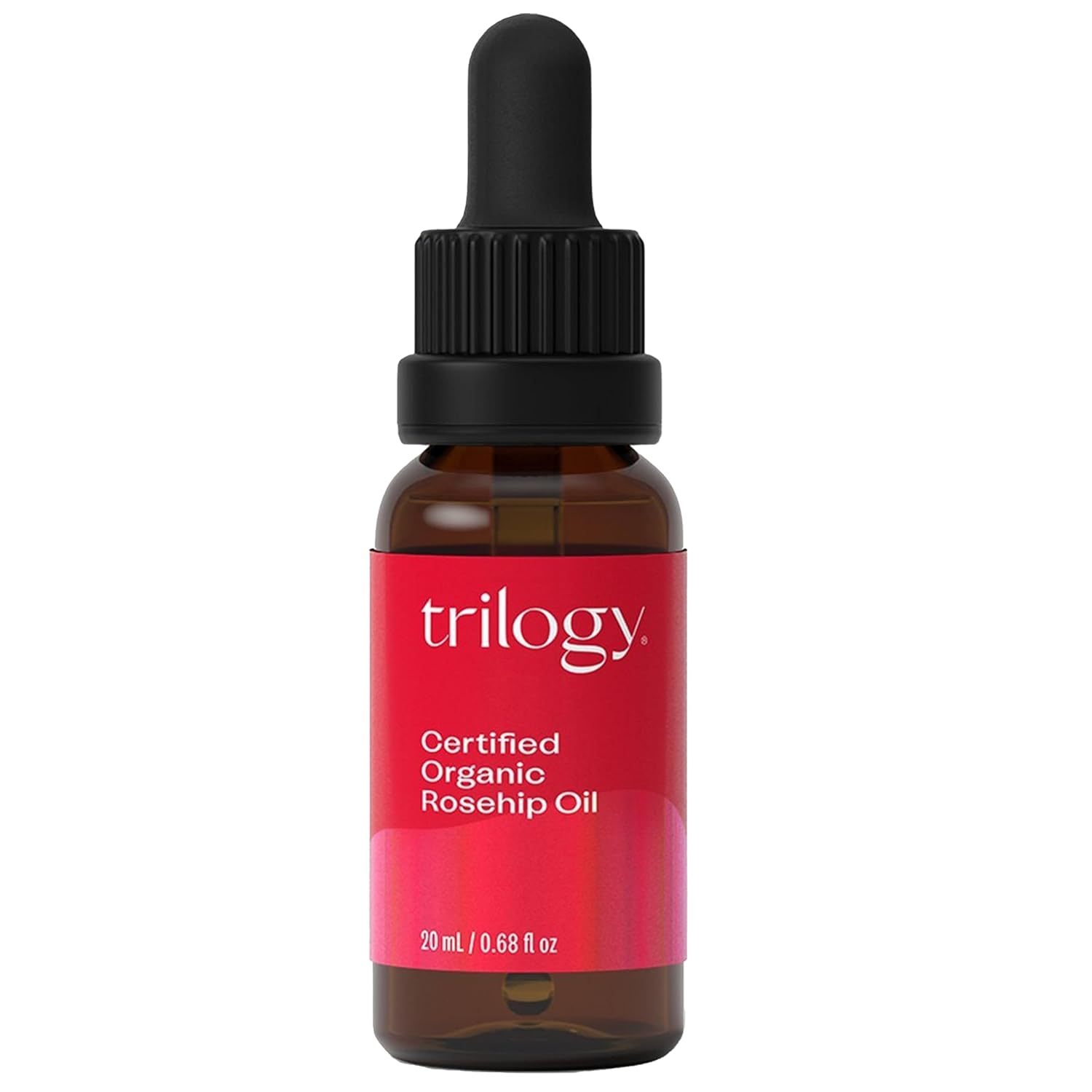
Trilogy has built a reputation in the natural skincare world, and their rosehip oil is often the first product dermatologists and estheticians point to. Cold-pressed from certified organic rosehips sourced in Chile, this oil retains a high concentration of trans-retinoic acid, which is the naturally occurring form of vitamin A.
What sets Trilogy apart from cheaper options is consistency. Each batch goes through rigorous testing to maintain the same concentration of essential fatty acids, primarily linoleic and alpha-linolenic acid. These work on the skin barrier, reinforcing it from the inside out. If you’ve dealt with dry, reactive, or compromised skin, you’ll notice a real difference in how well your skin holds moisture after a few weeks of use.
The color is a deep amber-orange, which is a good sign. Rosehip oil that’s been heavily processed or refined loses both its color and its active compounds. Trilogy’s oil looks and smells exactly how it should: earthy, slightly nutty, undeniably natural. Users frequently report visible improvement in acne scars, hyperpigmentation, and post-sun damage after consistent use over four to eight weeks.
One thing to keep in mind: this oil oxidizes faster than synthetic alternatives. Trilogy addresses this with an airless pump that limits oxygen exposure. Still, once opened, storing it away from direct light is smart. It’s a small habit for a product that genuinely delivers.
Pros:
- Certified organic and cold-pressed for maximum nutrient retention
- High trans-retinoic acid content for effective skin cell renewal
- Airless pump minimizes oxidation and extends shelf life
- Absorbs quickly without greasiness
- Clinically tested for efficacy and purity
Cons:
- Pricier than most rosehip oils on the market
2. Kate Blanc Cosmetics Rosehip Seed Oil
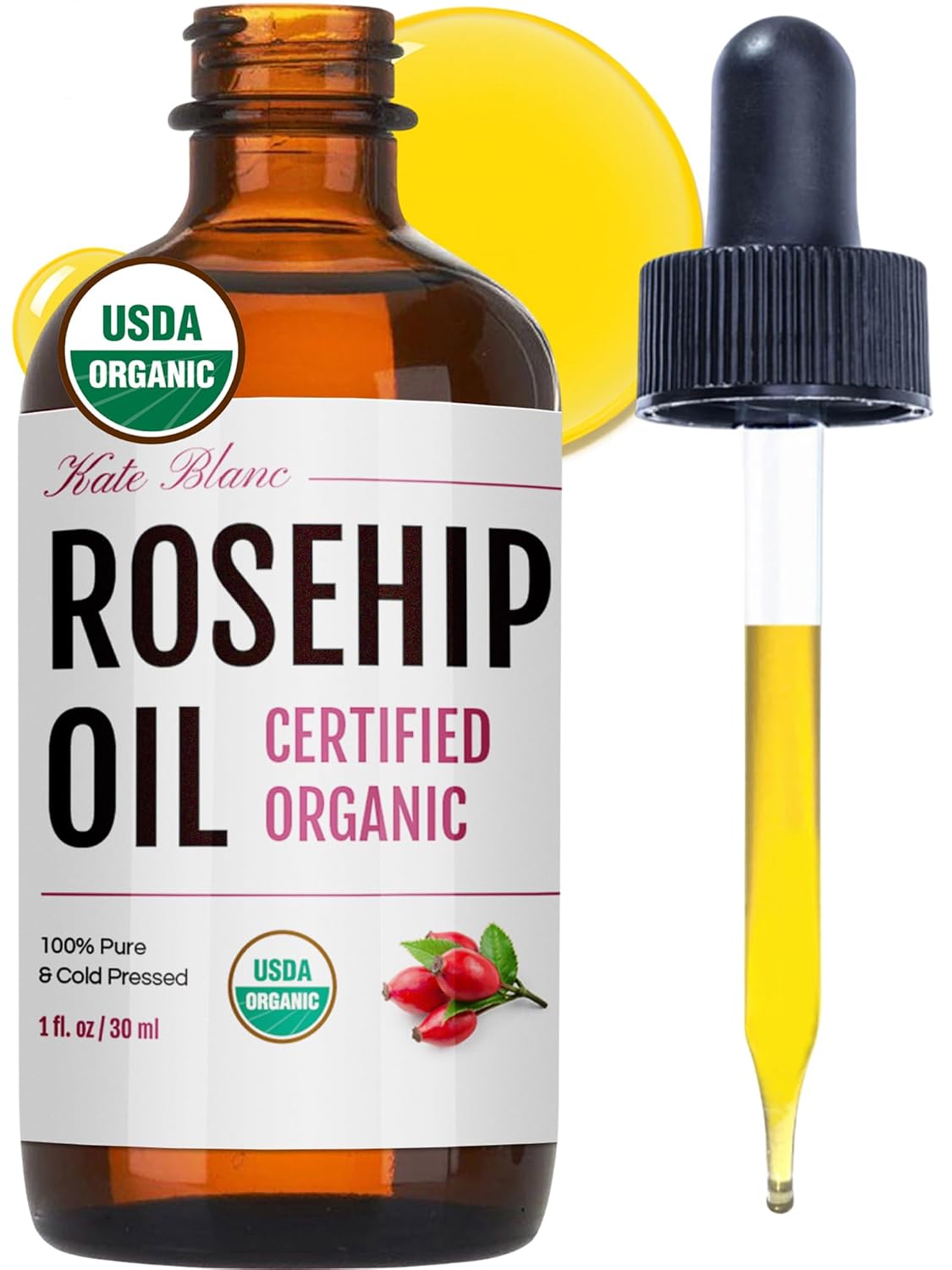
If you want a high-performing rosehip oil without spending a lot, Kate Blanc is where most people land. This cold-pressed, 100% pure rosehip seed oil is USDA certified organic and comes in a simple dropper bottle that makes application easy to control.
The oil is lightweight and sinks into skin faster than you’d expect. It works well under moisturizer or mixed into your existing serum, and it doesn’t pill or interfere with makeup application when used as part of a morning routine. The rosehip seed oil contains both vitamin C and beta-carotene, which together address uneven pigmentation from the outside while supporting collagen production.
Kate Blanc’s sourcing is transparent, and the brand is upfront about what’s in the bottle: one ingredient, nothing added. That simplicity matters more than people think. Some rosehip oils on the market include carrier fillers, fragrance, or synthetic preservatives that dilute the active compounds and irritate sensitive skin types. This one skips all of that. What you get is a clean, versatile oil that works well on the face, body, and even hair.
The dropper mechanism is functional but not the most precise. You might get too much oil on the first squeeze if you’re not careful. It’s a minor issue, but worth mentioning. Store the bottle upright and away from sunlight, and it should stay fresh for up to a year after opening.
Pros:
- USDA certified organic with no additives or fillers
- Very affordable for daily long-term use
- Works on face, body, and hair for versatile skin repair
- Lightweight texture that absorbs quickly
- Effective on acne scars, stretch marks, and uneven skin tone
Cons:
- Dropper can be slightly imprecise, leading to product waste
3. Radha Beauty Rosehip Oil
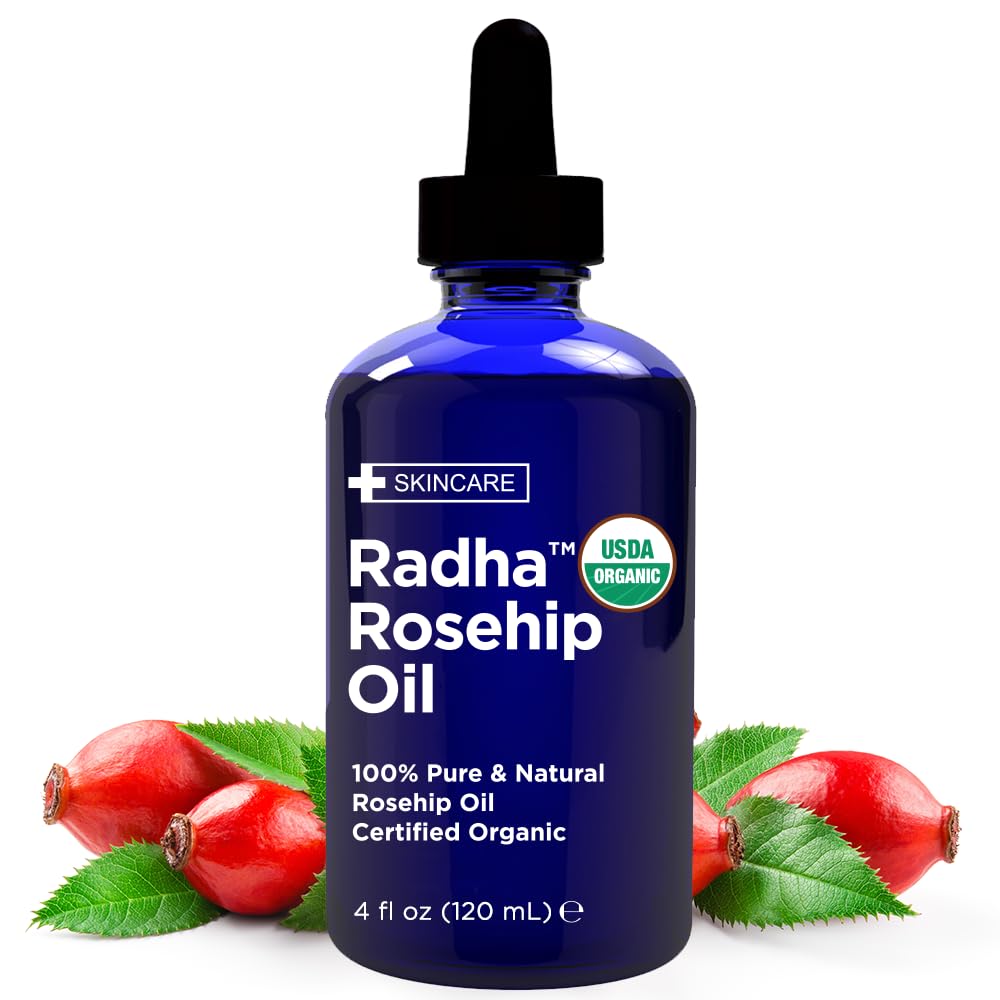
Radha Beauty has been a consistent name in the natural beauty space, and their rosehip oil earns its place here for good reason. Cold-pressed and unrefined, it retains a full spectrum of nutrients including vitamins A, C, and E, plus essential omega fatty acids that make it genuinely effective for skin repair.
This oil is particularly effective for users dealing with dry or mature skin. The combination of vitamins A and E works together here in a meaningful way: vitamin A accelerates cell turnover, while vitamin E acts as a stabilizer and antioxidant, protecting the new skin cells that emerge.
Radha’s oil comes in a dark glass bottle with a dropper, which is the right call for preserving potency. Glass doesn’t leach chemicals into the oil the way some plastics can, and the dark color filters out UV light that would otherwise degrade the active compounds. The scent is mild and natural, which most users appreciate, especially those who are sensitive to strong smells.
The texture sits slightly richer than some competitors. It absorbs well but takes a minute or two longer than ultra-light options. For nighttime use, this is a non-issue. For morning routines, just give it a moment before layering your SPF or moisturizer on top.
Pros:
- Unrefined and cold-pressed for full nutrient retention
- Vitamins A, C, and E provide a broad spectrum of skin-repair benefits
- Dark glass bottle protects oil potency and reduces oxidation
- Noticeable improvement in fine lines and texture with consistent use
- Backed by a satisfaction guarantee
Cons:
- Slightly richer texture may feel heavy for oily skin types in the morning
4. Leven Rose 100% Pure Organic Rosehip Oil
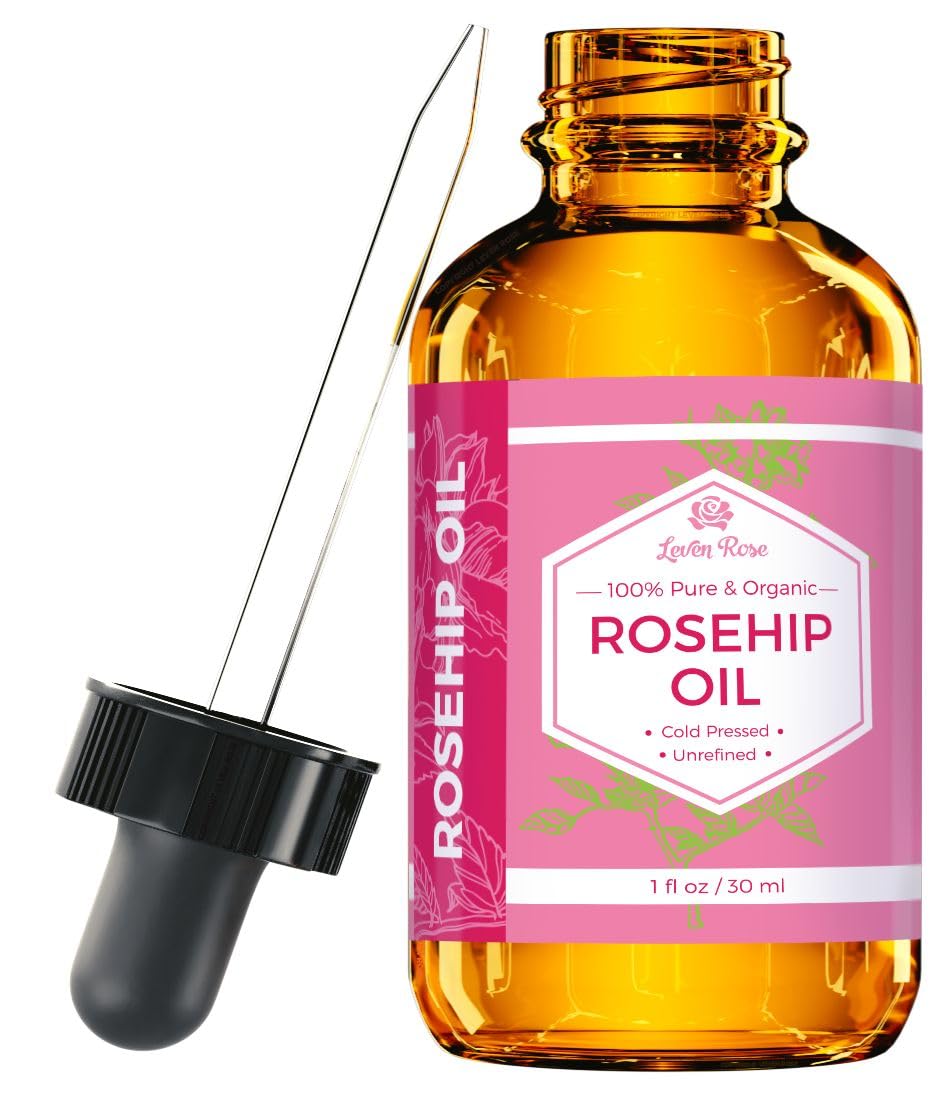
Leven Rose is worth knowing about if you have sensitive or reactive skin. Their rosehip oil is cold-pressed, certified organic, and completely free of additives, making it one of the cleanest options available. The single-ingredient formula means there’s nothing extra to react to, which matters enormously for anyone dealing with rosacea, eczema, or post-procedure skin that needs gentle support.
The oil is rich in essential fatty acids, particularly linoleic acid, which is one of the key nutrients that compromised skin barriers are often deficient in. When you apply a linoleic-rich oil consistently, the skin slowly repairs its own lipid matrix, resulting in better moisture retention, less redness, and improved resilience. That’s not skincare marketing. It’s basic skin biology. Leven Rose delivers this in a form that’s easy to use and easy to absorb.
What’s notable about this particular oil is how well it works for rosehip oil beginners. It’s not overwhelming in scent, not heavy in texture, and not intimidating to work with. A few drops warmed between your fingertips and pressed gently into skin is all it takes. The dropper bottle makes that process intuitive, and the price is low enough that experimenting with your routine doesn’t feel risky.
For skin repair specifically, users who deal with hyperpigmentation, post-acne marks, and sun damage report real progress over six to eight weeks. Don’t expect overnight magic. But stick with it, and the rosehip seed oil shows its value in gradually brighter, smoother, and more even skin.
Pros:
- Completely pure and certified organic with zero additives
- Ideal for sensitive, reactive, or post-procedure skin
- High linoleic acid content supports skin barrier repair
- Gentle scent and light texture suitable for daily use
- Budget-friendly for long-term use
Cons:
- Results may take longer to appear compared to more concentrated formulas
5. Majestic Pure Rosehip Oil
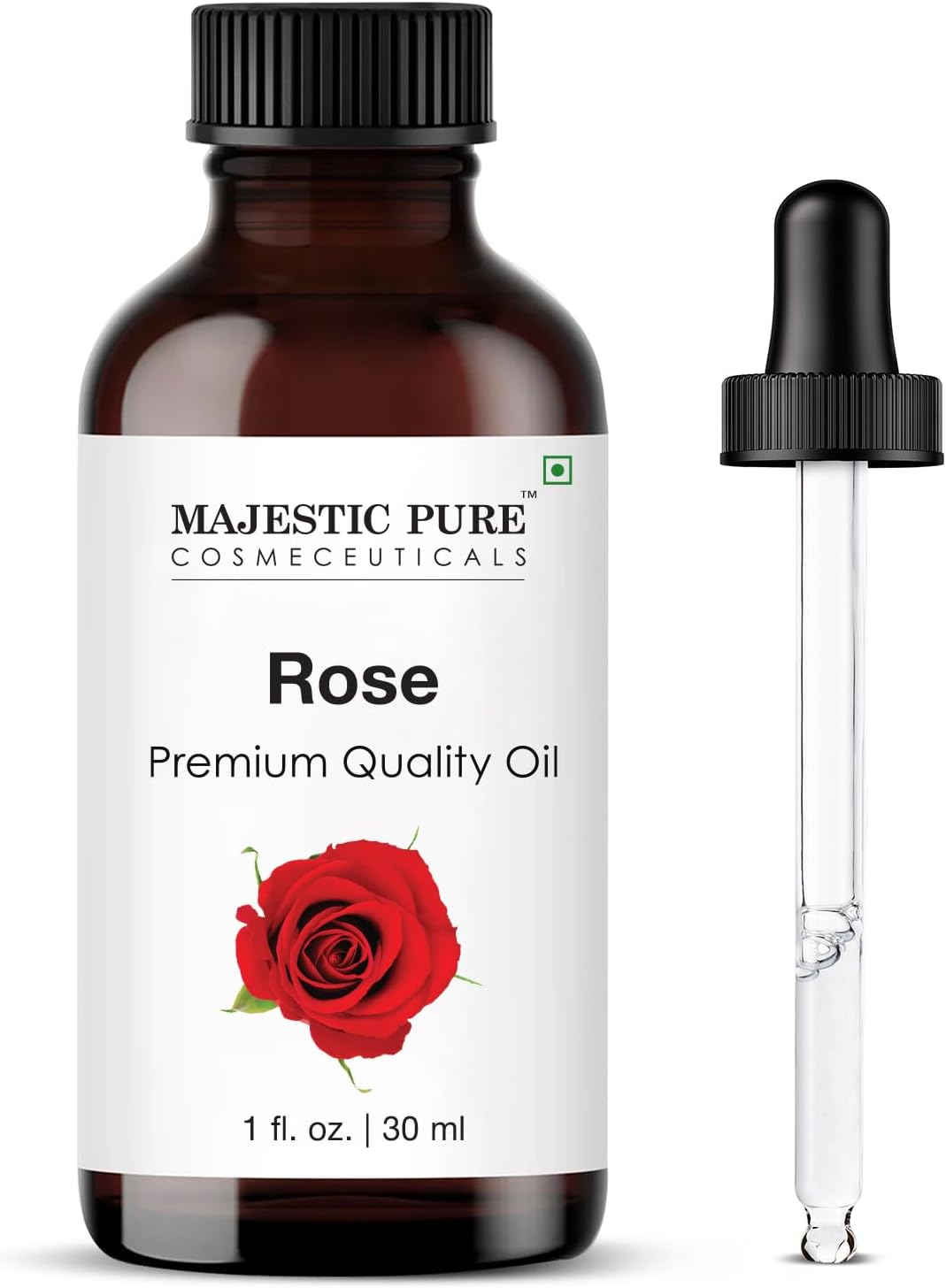
Majestic Pure offers a cold-pressed rosehip seed oil that hits a sweet spot between quality and affordability. The oil is 100% pure with no synthetic additives, and it works across a wide range of skin concerns: scarring, dry patches, uneven texture, and dullness. If you want one oil that covers multiple bases without breaking the bank, this one earns serious consideration.
The vitamin A content in this oil is particularly notable for skin repair purposes. Vitamin A, in its natural form in rosehip oil, encourages faster cell turnover without the irritation often associated with retinol products. That makes it a gentler but still effective alternative for people who can’t tolerate prescription or over-the-counter retinoids. You get the benefits of accelerated renewal with far less risk of dryness, peeling, or sensitivity.
Majestic Pure has put thought into the bottle design too. The amber glass bottle with a dropper limits light exposure and keeps the oil fresher for longer. The dropper dispenses cleanly, which makes portion control easy and reduces waste. Three to four drops is typically enough for the entire face. A little really does go a long way, which stretches the value even further.
The scent is earthy and characteristic of unrefined rosehip oil. Some people love it; others find it strong at first but get used to it quickly. Either way, it fades within a few minutes of application. For nighttime use, it’s a complete non-issue.
Pros:
- Cold-pressed and 100% pure with no synthetic additives
- Natural vitamin A content promotes gentle cell renewal without irritation
- Amber glass bottle preserves freshness and oil potency
- Effective for multiple skin concerns including scars and dullness
- Excellent value for the quality delivered
Cons:
- Earthy scent may be strong for users accustomed to refined or scented oils
6. Foxbrim Naturals Rosehip Oil
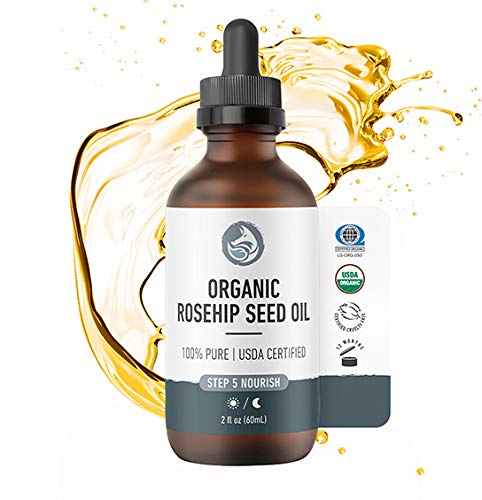
Foxbrim Naturals positions their rosehip oil as a premium offering, and there’s enough behind it to justify the claim. Cold-pressed from organic rosehips, this oil contains a potent mix of vitamins C and E, antioxidants, and essential fatty acids. The brand uses amber glass packaging with a pipette dropper, and they prioritize cold-pressing over heat extraction to preserve as many active compounds as possible.
One area where Foxbrim stands out is skin brightening. The naturally occurring vitamin C in rosehip oil does a quiet but consistent job of inhibiting melanin overproduction, which is what causes dark spots and uneven skin tone in the first place. Used nightly over several weeks, users report that sun damage and post-inflammatory hyperpigmentation become visibly lighter.
The oil absorbs well and feels balanced on the skin, neither too light to feel effective nor too heavy to cause congestion. For those with normal to combination skin, it works well both morning and night. For oily skin types, sticking to evening use is probably wiser to avoid any mid-day shine. Foxbrim also recommends layering it under a moisturizer, which helps seal in the oil’s nutrients and prevents them from evaporating off the skin surface.
The brand is transparent about sourcing and testing, which is increasingly important when so many beauty brands make organic claims that don’t hold up to scrutiny. Foxbrim’s commitment to cold-pressed, certified organic rosehip oil gives buyers confidence that what’s on the label reflects what’s actually in the bottle.
Pros:
- Premium cold-pressed formula retains high levels of vitamins C and E
- Effective for brightening dark spots and post-inflammatory hyperpigmentation
- Balanced texture works well for normal to combination skin
- Amber glass and pipette dropper preserve oil quality
- Transparent sourcing and quality standards
Cons:
- Slightly higher price than comparable budget options
7. Eve Hansen Organic Rosehip Seed Oil
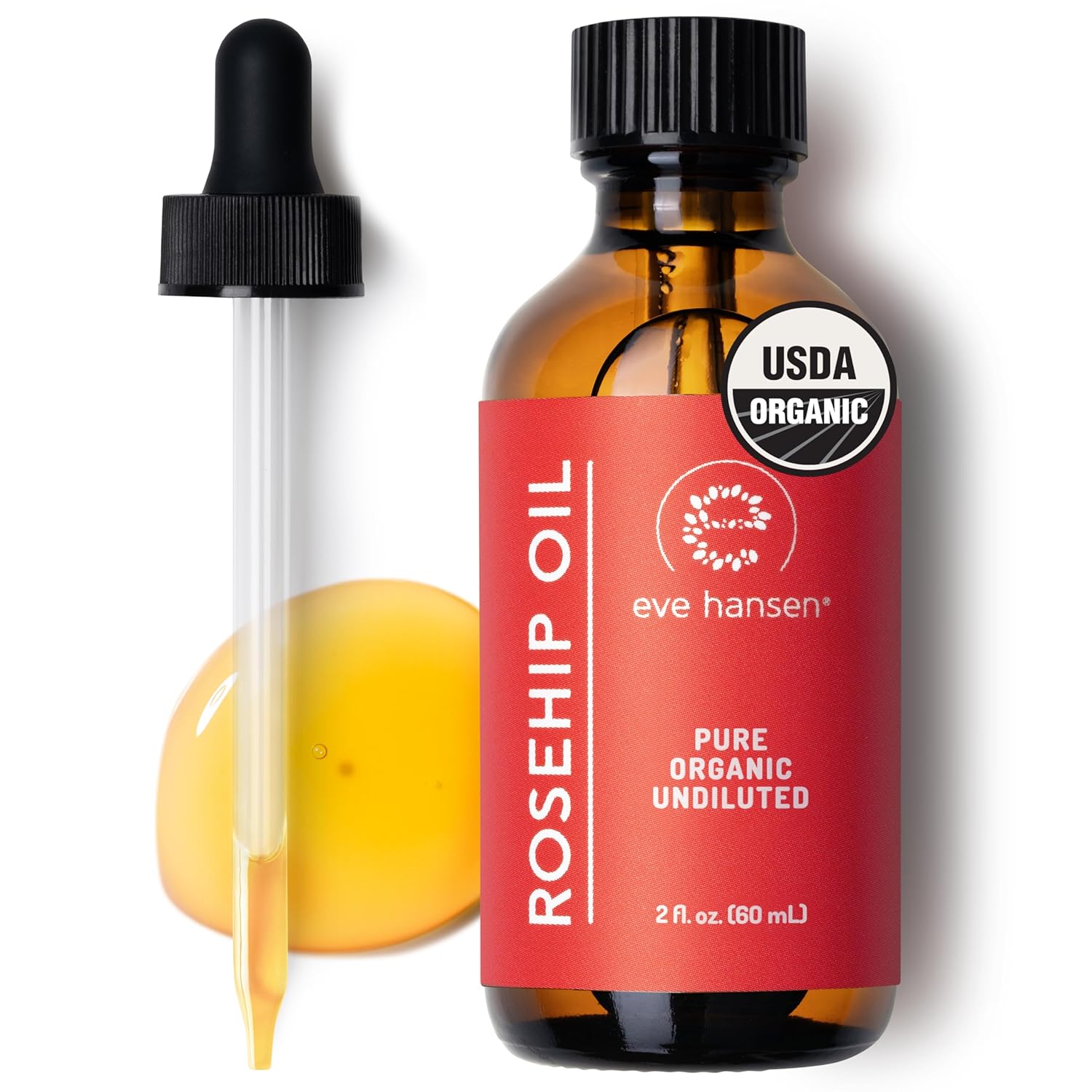
Eve Hansen rounds out this list with a rosehip oil that’s built for simplicity and accessibility. It’s cold-pressed, USDA certified organic, and free from any synthetic ingredients. The brand focuses on clean beauty, and their rosehip oil is a strong example of that philosophy done right. At a reasonable price point, it delivers a genuinely effective product that supports skin repair without unnecessary additions.
The fatty acid profile of this oil is well-suited to dry and damaged skin. Omega-3 and omega-6 fatty acids work as building blocks for the skin’s lipid layer, which is the outermost protective barrier. When that barrier is damaged by sun exposure, harsh products, or environmental stress, the skin becomes reactive, dry, and prone to inflammation.
Users with post-pregnancy stretch marks or surgical scars have found this oil particularly helpful. The combination of fatty acids and vitamin A works on both the surface texture and the deeper structural layers of the skin over time. Results are gradual rather than dramatic, but consistent use over eight to twelve weeks typically shows meaningful improvement in scar visibility and skin smoothness.
The packaging is functional: a dropper bottle in dark glass that protects the oil from light degradation. The scent is mild and fades quickly. For an everyday skin-repair oil that doesn’t demand much from you other than consistency, Eve Hansen is a solid, dependable choice.
Pros:
- USDA certified organic with no synthetic ingredients
- Fatty acid profile specifically supports skin barrier repair
- Effective for stretch marks, scars, and environmentally damaged skin
- Mild scent and lightweight texture for daily use
- Accessible price point for long-term consistent use
Cons:
- Results on deeper scars take longer to appear than surface-level benefits
Buying Guide: What to Look for in a Rosehip Oil for Skin Repair
1. Cold-Pressed Extraction Is Non-Negotiable
The way a rosehip oil is extracted makes a significant difference in what ends up in the bottle. Cold-pressing means the oil is pressed from the rosehip seeds using mechanical pressure at low temperatures. No heat, no solvents, no stripping of nutrients.
Heat extraction is faster and cheaper, but it destroys the trans-retinoic acid, vitamin C, and much of the essential fatty acid content that makes rosehip oil effective for skin repair. When you see “cold-pressed” on the label, it’s not just a nice-sounding phrase. It tells you the nutrients survived the extraction process intact.
2. Check the Color and Opacity
High-quality, unrefined rosehip oil is naturally amber to deep orange in color. This comes from the carotenoids and beta-carotene present in the oil, both of which contribute to skin-repair benefits.
If you pick up a rosehip oil that’s nearly clear or pale yellow, it’s been refined, bleached, or diluted. Refined oils are cheaper to produce, but the refining process removes the very compounds you’re paying for. Trust the color. A rich, amber-toned oil is a good sign.
3. Packaging Protects Potency
Rosehip oil is highly susceptible to oxidation. Exposure to light, air, and heat breaks down the fatty acids and reduces the oil’s effectiveness over time. Look for dark amber or violet glass bottles with minimal air exposure.
Airless pump dispensers are even better because they eliminate oxygen contact entirely. Avoid rosehip oils sold in clear plastic bottles: they offer no UV protection and can leach chemicals into the oil. The packaging isn’t cosmetic. It’s functional.
4. Read the Ingredient List
A pure rosehip oil should have exactly one ingredient: Rosa canina seed oil, Rosa rubiginosa seed oil, or a similar Latin name for rosehip. Some products label themselves as rosehip oil but are actually rosehip blends that contain carrier oils, synthetic preservatives, or fragrance.
These additions aren’t always harmful, but they dilute the active compounds and reduce the oil’s repair potential. If skin repair is your goal, single-ingredient purity gives you the most predictable and powerful results.
5. Organic Certification Adds Accountability
The word “natural” means almost nothing in skincare because it has no regulated definition. Organic certification, on the other hand, is verified by a third party.
USDA Certified Organic or equivalent certifications tell you that the rosehips were grown without synthetic pesticides and that the production process met specific standards.
This matters for skin repair because pesticide residue can be inflammatory, and the last thing damaged skin needs is an added irritant. Choosing certified organic rosehip oil adds a layer of accountability that “natural” just doesn’t provide.
6. Match the Product to Your Skin Type
Not all rosehip oils behave the same way on different skin types. Unrefined, rich rosehip oils work beautifully for dry, mature, or normal skin types. If you have oily or acne-prone skin, you’ll want a lighter-textured option and consider evening-only application to avoid excess shine.
Sensitive skin types should prioritize single-ingredient oils with no fragrance or essential oils added. Combination skin often responds well to rosehip oil applied only to dry or damaged areas rather than all over the face. A little awareness about your own skin type goes a long way in choosing the right product.
How Long Does Rosehip Oil Take to Repair Skin?
This is probably the most common question, and it deserves an honest answer. Rosehip oil works gradually. It’s not a quick-fix product. Most people start noticing subtle improvements in skin texture and tone within two to four weeks of consistent use. Significant changes to scars, hyperpigmentation, and fine lines typically take six to twelve weeks.
The repair process happens at the cellular level, which means it takes time for new, healthier cells to surface. Don’t quit after two weeks because the results aren’t dramatic yet. That’s exactly when the oil is doing its job.
Here’s what you can generally expect in terms of a timeline:
- Weeks 1 to 2: Skin feels more hydrated; texture may begin to smooth out
- Weeks 3 to 4: Some users notice early brightening or reduction in redness
- Weeks 6 to 8: Visible improvement in post-acne marks, sun damage, and fine lines
- Weeks 10 to 12: Significant changes in deeper scars and more established hyperpigmentation
Individual results vary based on skin type, severity of concerns, and how consistently the oil is used.
Rosehip Oil vs. Rosehip Seed Oil: Is There a Difference?
Technically, yes. Rosehip oil can refer to oil extracted from either the seeds or the fruit of the Rosa canina plant. Rosehip seed oil, specifically, is pressed from the seeds inside the rosehip fruit, and it’s this seed oil that contains the highest concentration of trans-retinoic acid and essential fatty acids.
Some products blend both, while others use seed oil exclusively. For skin repair purposes, rosehip seed oil is what you’re after. Most high-quality products use this form, even if they label the product simply as “rosehip oil.”
Conclusion
Finding the best rosehip oils for skin repair doesn’t have to be complicated. What it does require is knowing what to look for and what to avoid. Cold-pressed, certified organic, single-ingredient rosehip oils consistently outperform cheaper, refined alternatives.
The products reviewed here all meet those standards in their own way, and choosing between them often comes down to your specific skin concerns, your budget, and how your skin tends to respond to richer versus lighter textures.
Frequently Asked Questions
1. What is rosehip oil good for on the face?
Rosehip oil for skin repair works on several levels simultaneously. It fades hyperpigmentation and dark spots through its natural vitamin C content, smooths fine lines with vitamin A-driven cell turnover, and repairs the skin barrier using essential fatty acids. It’s also effective for hydration, redness reduction, and evening out overall skin tone. People with acne scars, sun damage, stretch marks, and dry or mature skin get the most visible results.
2. Can I use rosehip oil every day?
Yes. Daily use is actually what makes rosehip oil effective for skin repair. Most skin-care professionals recommend applying it once or twice daily, with nightly use being the most impactful because the skin’s regenerative processes are most active during sleep. Consistent daily application over several weeks is what produces visible changes in scarring, tone, and texture.
3. Should I apply rosehip oil before or after moisturizer?
Apply rosehip oil before moisturizer when using it as a serum, or mix a drop or two into your moisturizer directly. Oil molecules are smaller than many moisturizer components and penetrate the skin more effectively when applied first. Alternatively, applying oil after moisturizer can work as a sealant, locking in hydration. Either method works; it’s mostly a matter of personal preference and skin response.
4. Does rosehip oil really fade scars?
Yes, but with the caveat that results take time and depend on the type and age of the scar. Fresh scars and post-inflammatory marks from acne respond faster than older, deeper scars. The trans-retinoic acid in rosehip oil supports collagen remodeling and cell renewal, which gradually reduces the appearance of scarring over weeks to months. Studies have shown measurable improvements in scar color and texture with consistent rosehip oil application over twelve weeks.
5. Can rosehip oil cause breakouts?
For most people, rosehip oil does not cause breakouts. It has a very low comedogenic rating and is actually linoleic acid-rich, which may help regulate acne-prone skin over time. However, some individuals are sensitive to even low-comedogenic oils. If you’re trying rosehip oil for the first time, do a patch test on your jaw or inner arm for a few days before applying it all over your face.
6. Is rosehip oil good for aging skin?
Rosehip oil is one of the more effective natural options for aging skin. Its vitamin A content stimulates cell turnover and collagen production, which reduces fine lines and improves firmness over time. The antioxidants in rosehip oil also help neutralize free radical damage, which is one of the primary drivers of premature aging. Regular use on mature skin typically shows improvements in texture, tone, and overall radiance within six to eight weeks.
7. How many drops of rosehip oil should I use per application?
Two to four drops is sufficient for the entire face. Warming the oil between your palms and pressing it gently into the skin, rather than rubbing, ensures better absorption. Using too much oil doesn’t speed up results; it just increases the chance of a heavy, greasy feel and potential for irritation around the eyes or on already-oily areas.
8. Can I use rosehip oil with vitamin C serum?
Yes. Rosehip oil and vitamin C serums actually complement each other. Vitamin C serums provide a more concentrated dose of ascorbic acid for brightening, while the natural vitamin C in rosehip oil adds a supportive boost. Apply water-based vitamin C serum first, allow it to absorb fully, then apply rosehip oil to seal in the serum and add its own skin-repair benefits. This layering approach works well for hyperpigmentation and uneven skin tone.
9. Does rosehip oil expire?
Yes. Rosehip oil has a shelf life of roughly one to two years unopened, and six to twelve months once opened, depending on storage conditions. Heat, light, and air exposure accelerate oxidation, which turns the oil rancid. Signs that your rosehip oil has gone off include a sharp, unpleasant smell and a darker or cloudier appearance than usual. Store it in a cool, dark place and use the cap or pump properly after each use to maximize freshness.
10. Can men use rosehip oil for skin repair?
Absolutely. Rosehip oil has no gender-specific ingredients and benefits all skin types. Men dealing with shaving irritation, razor bumps, acne scars, or general dryness can get real results from consistent rosehip oil use. It absorbs quickly enough that it doesn’t interfere with grooming routines, and a few drops after shaving can significantly reduce redness and help repair the small irritations that come with daily shaving.
11. Is Rosehip Oil Safe to Use During Pregnancy?
Rosehip oil is generally considered safe for topical use during pregnancy because the natural vitamin A it contains, trans-retinoic acid, is present in very low concentrations and is not the same as synthetic retinoids, which are typically avoided during pregnancy. That said, every pregnancy is different, and it’s always a good idea to check with your midwife or doctor before adding any new skincare product to your routine.
12. Can Rosehip Oil Clog Pores?
Rosehip oil has a comedogenic rating of one on a scale of zero to five, meaning it’s extremely unlikely to clog pores. In fact, the high linoleic acid content in rosehip oil can actually help regulate sebum production over time, which benefits acne-prone skin. The key is using a small amount and applying it correctly.