If your hair feels dry or stiff no matter what you try, you might be using too much protein. Protein overload can sneak up on you. One day your hair feels great, then suddenly it starts acting stubborn. The best protein-free conditioners helps you bring back softness plus balance.
You may be avoiding protein for a reason. Maybe your curls snap easily or your strands feel hard after wash day. Or maybe you just want a simple formula that moisturizes without any surprises. Protein-free conditioners give you that calm space.
Why Protein-Free Products Matter
Not all hair thrives on added protein. Too much can make your strands feel rough since protein strengthens but can stiffen hair when overdone. A protein-free formula focuses on moisture.
Here are a few moments when a protein-free conditioner helps:
- Your hair feels overly firm.
- Your wash routine feels repetitive but not rewarding.
- Your strands break from the slightest tug.
A gentle formula can refresh your routine.
1. Alaffia Everyday Coconut Conditioner
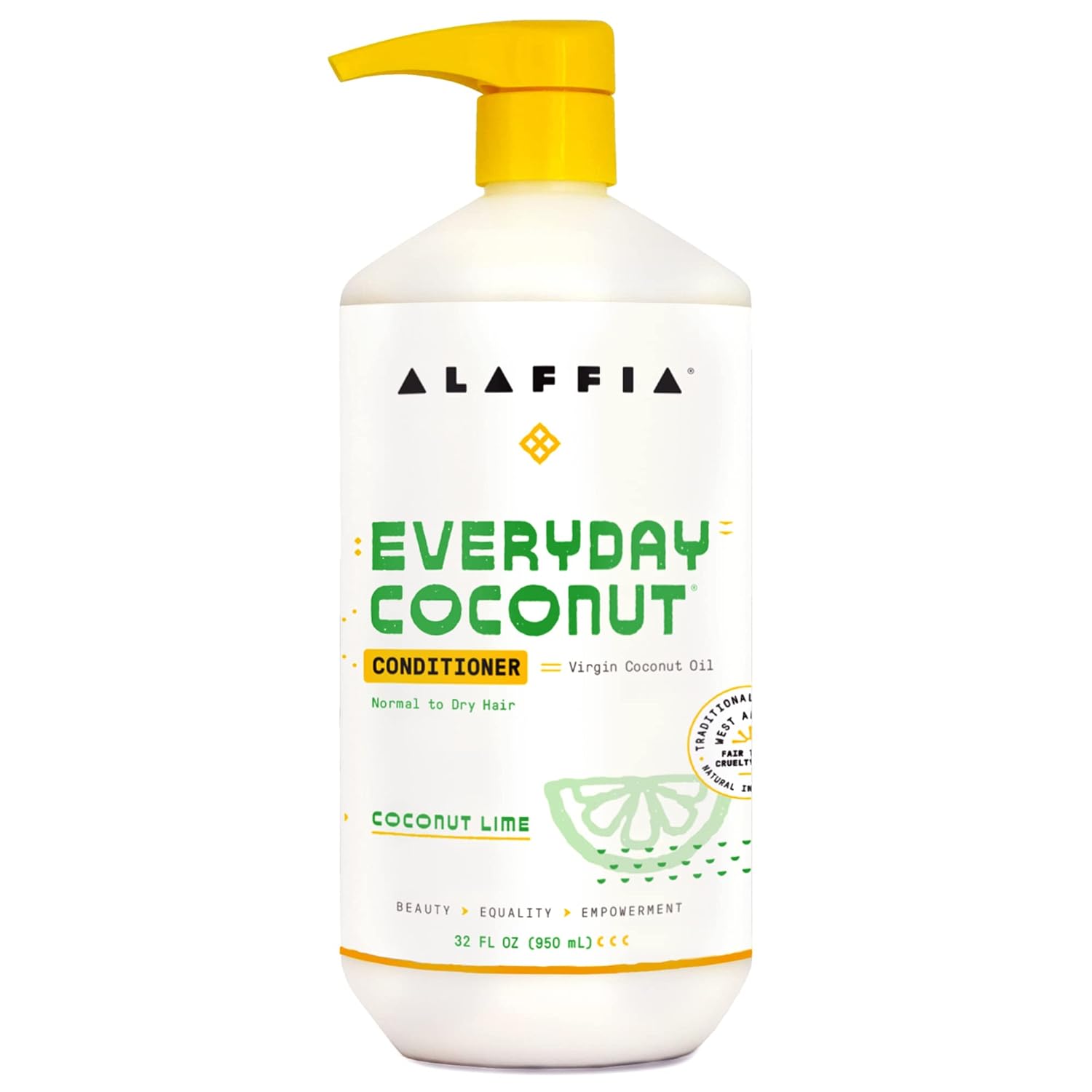
This pick is a simple moisture-packed option that focuses on nourishment. The blend uses coconut water plus a lightweight feel that helps soften your hair without leaving buildup. If you want a conditioner that feels dependable on busy mornings, this might be it.
You feel the slip as soon as it hits your strands. It spreads easily and makes detangling less of a chore. The scent is mild which helps if you’re sensitive to strong fragrances.
During my own trial, I noticed how quickly it rinsed out without that heavy waxy feel. It leaves a clean softness behind that works well for both thick and fine hair.
Pros:
- Helps soften dry strands.
- Great slip for easier detangling.
- Light formula that rinses clean.
- Comfortable scent.
Cons:
- Might feel too light for extremely parched hair.
2. Curl Junkie Beauticurls Strengthening Conditioner
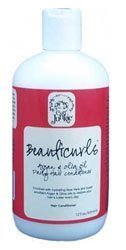
This formula supports moisture without relying on protein. The creamy texture hugs every strand which can help calm frizz. It feels gentle and thoughtful, especially when your hair needs a reset.
You might notice how quickly your hair absorbs this formula. It’s comforting plus steady which makes wash day less stressful. It’s easy to distribute and helps balance softness with smoothness.
Many users enjoy how it keeps their curls bouncy. It adds moisture without heaviness and works nicely with most styling routines.
Pros:
- Creamy texture that spreads well.
- Helps reduce frizz.
- Leaves curls soft plus springy.
- Gentle for frequent use.
Cons:
- The scent may feel strong if you’re scent-sensitive.
3. Jessicurl Aloeba Daily Conditioner
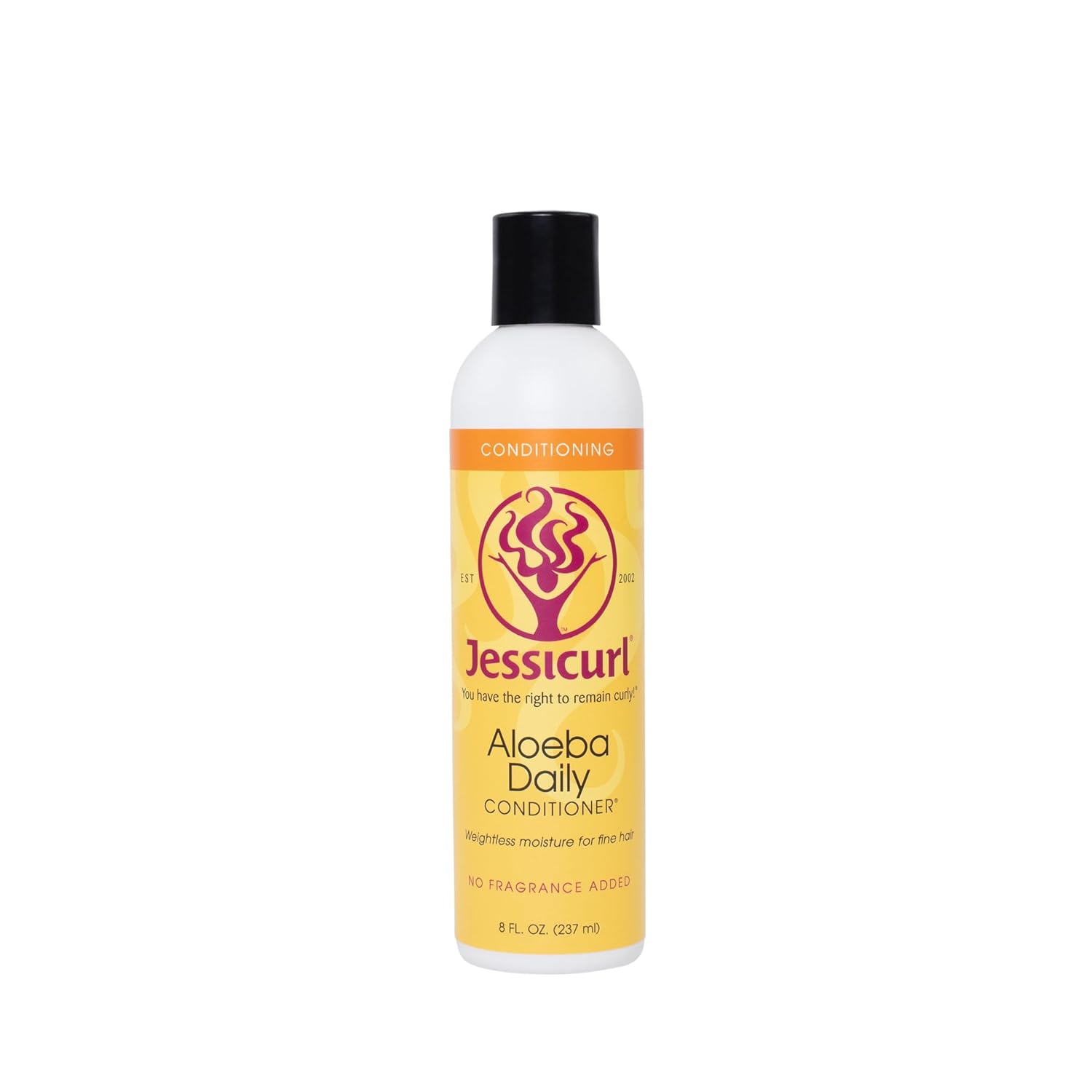
This one is popular for its smooth slip and gentle ingredients. You can use it daily since it doesn’t rely on protein. The blend feels light but still supports moisture.
It has that classic Jessicurl softness that gives you control while detangling. The formula sinks in quickly which makes quick wash days easier. It’s flexible enough for co-washing or daily conditioning.
From my experience, it works nicely on hair that tangles quickly. It gives you that soft, flexible feeling without weighing anything down.
Pros:
- Great slip for detangling.
- Works for daily use.
- Light moisture that doesn’t overwhelm fine strands.
- Pleasant texture.
Cons:
- Might not be rich enough for very coarse textures.
4. Not Your Mother’s Naturals Tahitian Gardenia Conditioner
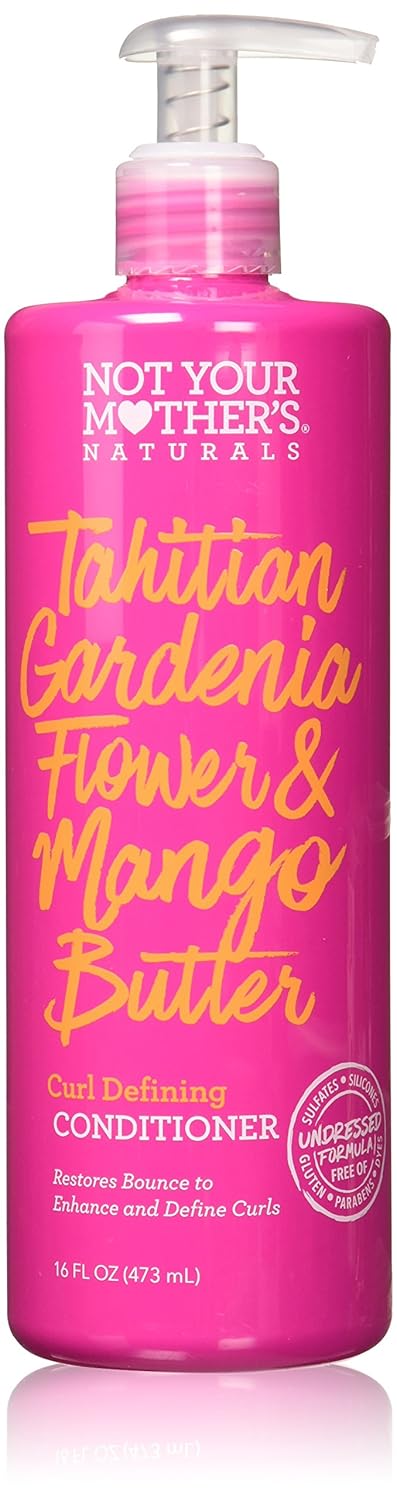
This option focuses on moisture and smoothness. The floral scent feels uplifting plus subtle. The formula doesn’t depend on protein to improve softness.
It coats your strands with a silky layer that helps reduce frizz and increase shine. The conditioner offers a nice balance of hydration with a slightly creamy feel.
It works well if you want simple hydration with a touch of glossiness. You may need a deeper conditioner if your strands are extremely dry.
Pros:
- Smooth, creamy feel.
- Nice floral scent.
- Adds subtle shine.
- Helps with frizz control.
Cons:
- Might feel too mild for coarse hair.
5. MopTop Daily Conditioner
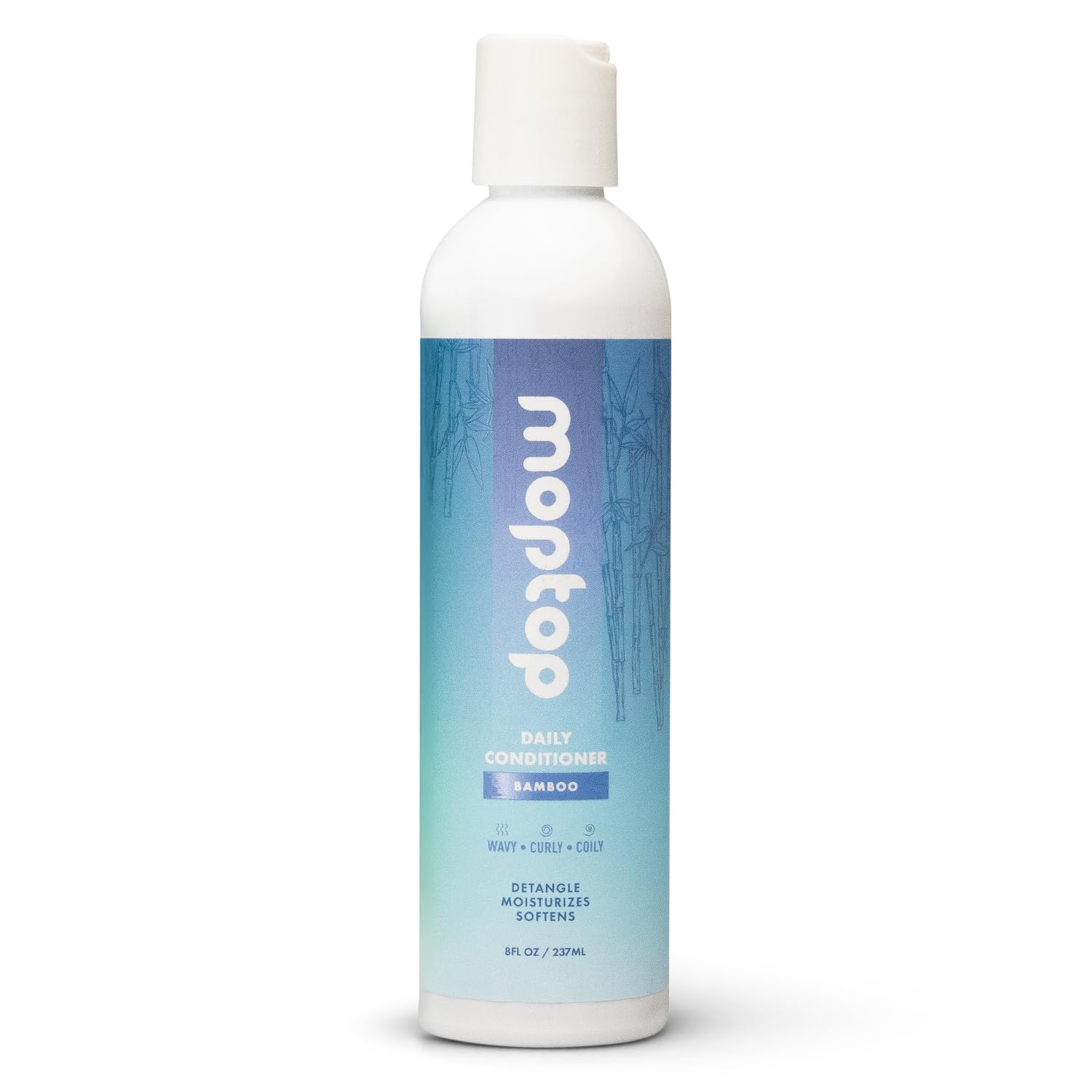
This formula helps hydrate without relying on protein. It gives a medium-weight feel which works for many hair types. The scent is light which helps if you prefer gentle fragrance.
It offers enough slip to detangle without making hair feel greasy. The conditioner sinks in quickly and helps support smoother strands.
People often mention how balanced it feels. Not heavy, not too light. Just enough to keep your hair manageable.
Pros:
- Balanced moisture.
- Easy to rinse.
- Helps reduce frizz.
- Good slip for detangling.
Cons:
- Might not provide long-lasting moisture for very dry hair.
6. Pacifica Coconut Water Weightless Conditioner
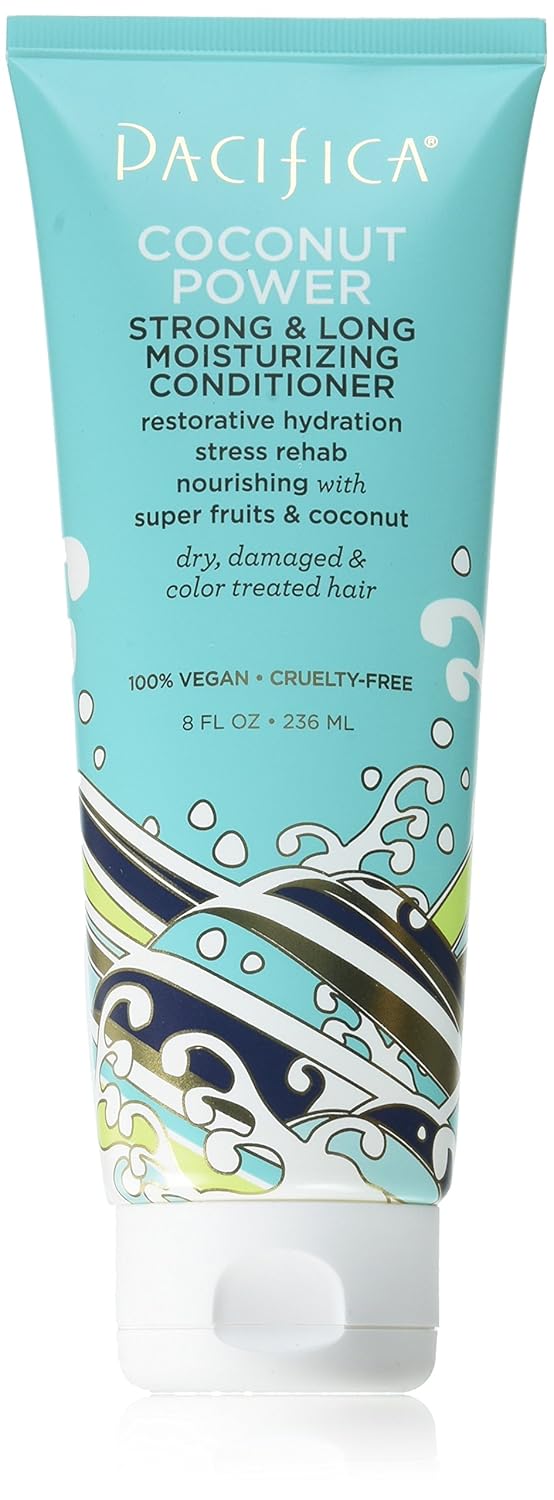
This conditioner focuses on hydration with a refreshing feel. It smells tropical plus clean. Since it is protein-free, it helps if your hair reacts poorly to strengthening ingredients.
It has a water-light feel that still softens your strands. If you like breezy formulas that never feel sticky, this one fits well. It’s great for fine or medium hair.
The formula helps maintain softness during warm months when heavy conditioners feel overwhelming.
Pros:
- Lightweight moisture.
- Lovely coconut scent.
- Doesn’t weigh hair down.
- Smooth feel after rinsing.
Cons:
- Might lack depth for very thick textures.
Buying Guide: What To Look For In The Best Protein-Free Conditioners
1. Ingredient List
Check the list to confirm that no strengthening ingredients sneak in. Look for hydrating options like aloe, glycerin, coconut water plus lightweight oils.
2. Slip
If your hair tangles easily, you need good slip. This helps make wash day simpler and prevents breakage.
3. Weight
Consider your hair type. Fine strands prefer lightweight formulas. Thick or coarse textures might need richer conditioners.
4. Scent Preferences
Some formulas have strong fragrances. If your scalp is sensitive, pick one with milder scent.
5. Texture
Creamy formulas usually give deeper moisture. Watery formulas feel light plus breezy.
When Do You Need a Protein-Free Conditioner?
You might notice signs like:
- A straw-like texture even after conditioning.
- Curls that stop clumping and sit apart.
- Unexpected frizz that feels rough instead of soft.
If you’ve seen these shifts, choosing a product without protein can help your hair settle again.
Tips For Using Protein-Free Conditioners Effectively
Protein-free conditioners work best when you pair them with habits that support moisture balance.
Here are a few helpful ideas:
- Use warm water before applying the conditioner to help open your cuticles.
- Detangle with your fingers first to avoid breakage.
- Leave the conditioner on for a few minutes to let your hair drink up the moisture.
Pro Tip: If your strands feel too soft or fluffy, alternate between a protein-free formula and a protein-rich product. Balance is everything.
Conclusion
Protein-free conditioners offer relief when your hair feels stiff or overwhelmed. They help keep your strands soft and hydrated. If you’ve been struggling with dryness or too much crunch, switching to a protein-free formula can shift everything.
Softness grows when you understand your hair. These options help you return to balance.
Frequently Asked Questions
1. Is a protein-free conditioner good for dry hair?
Yes. A protein-free formula helps hydrate your hair when protein overload makes it feel stiff.
2. Can I use a protein-free conditioner every wash day?
You can. These formulas focus on moisture, so frequent use is usually fine.
3. How do I know if my hair needs protein-free products?
If your strands feel hard or resist moisture, you may need to reduce protein-based products.
4. Do protein-free conditioners help with frizz?
Many do. Moisture balance reduces dryness which often leads to frizz.
5. Can fine hair use protein-free conditioners?
Yes. Just choose a lightweight option so your hair stays airy plus soft.
6. Do protein-free conditioners help reduce breakage?
They help your hair stay flexible which reduces breakage.
7. Can I mix protein-free and protein-rich products?
Yes, as long as you balance them based on how your hair reacts.