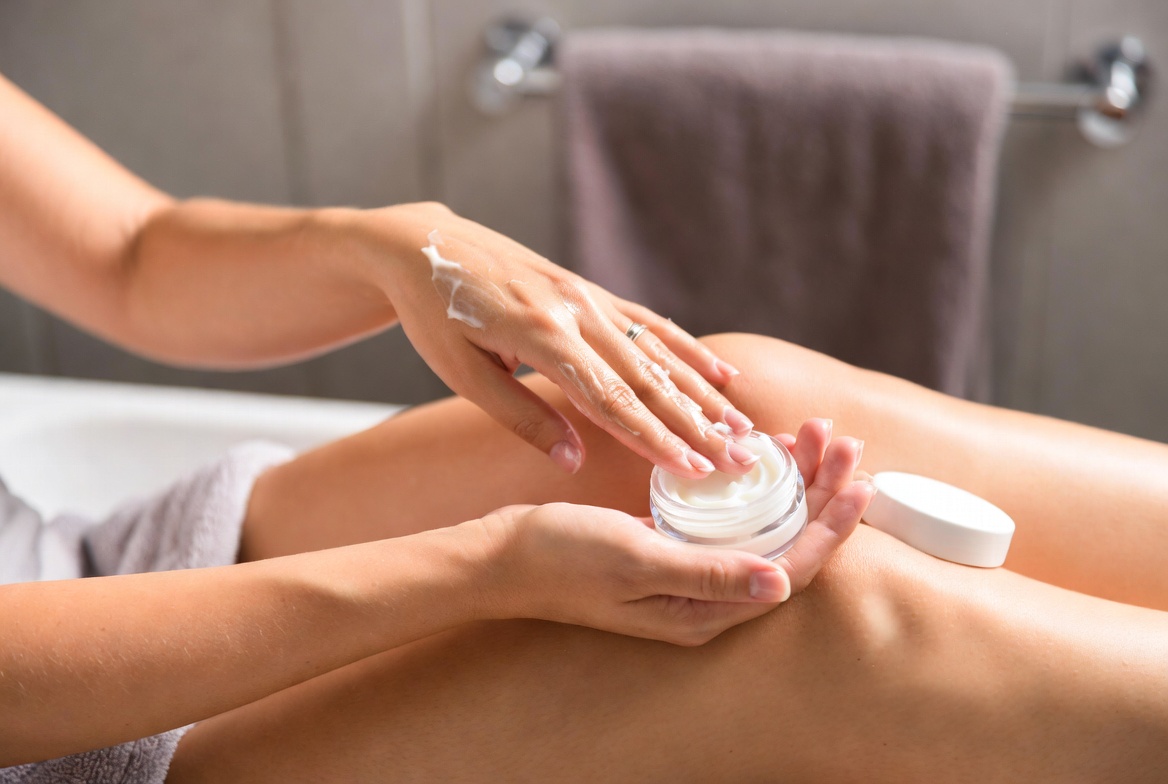
Dry skin needs more than surface-level hydration. It requires formulas that repair your skin barrier, lock in moisture, and prevent water loss throughout the day. The right moisturizer transforms rough, parched skin into soft, comfortable skin that actually feels healthy.
You’ve probably tried countless creams that promise intense hydration only to leave your skin feeling dry again within hours. The difference between a moisturizer that works and one that disappoints often comes down to ingredients and formulation rather than marketing claims.
Let’s the best moisturizer for dry skin, find what actually delivers lasting moisture for your dry skin.
Top Picks at a Glance
- Best Overall: CeraVe Moisturizing Cream
- Best for Very Dry Skin: La Roche-Posay Lipikar Balm AP+
- Best Lightweight Option: Neutrogena Hydro Boost Gel-Cream
1. CeraVe Moisturizing Cream
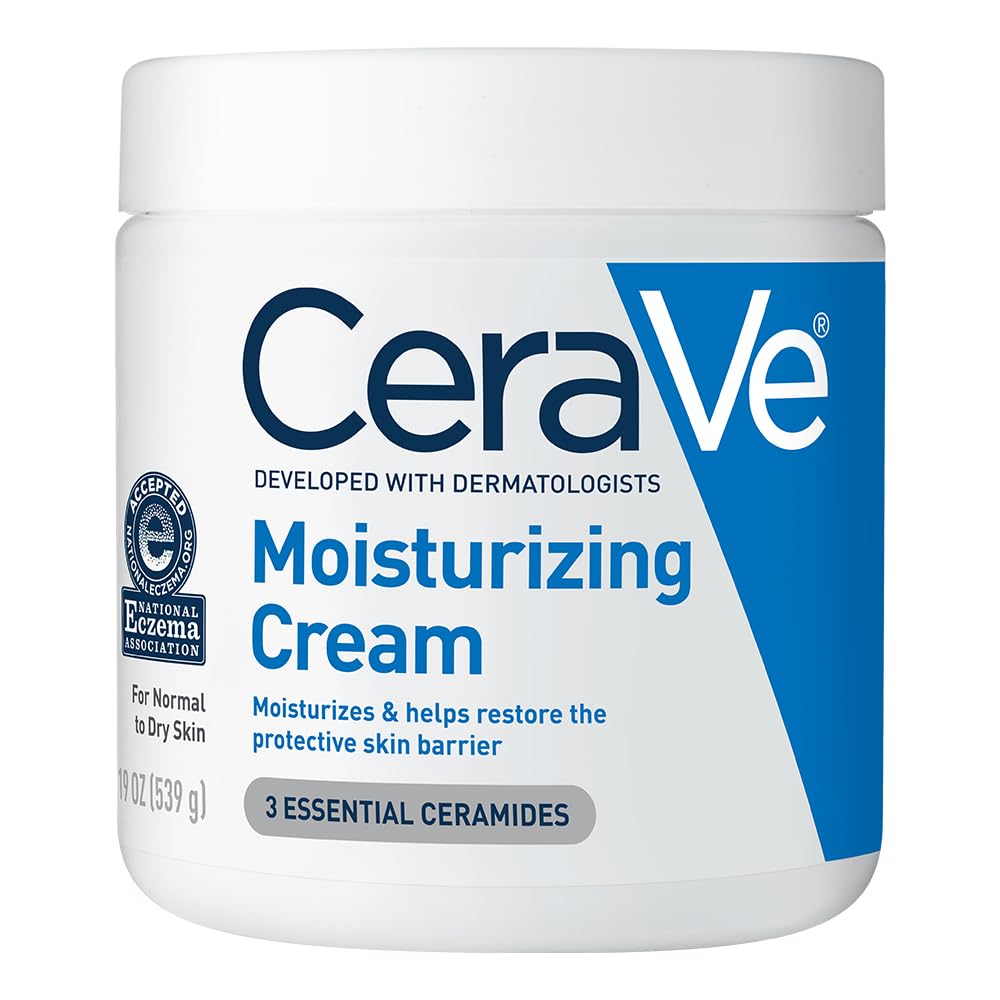
This cream has earned its status as a dermatologist favorite for good reason. The formula centers on three essential ceramides that match what your skin naturally produces. These ceramides repair and restore your skin barrier, which is often compromised in chronically dry skin. When your barrier functions properly, it holds onto moisture instead of letting it evaporate throughout the day.
The texture is rich without being heavy or greasy. It spreads easily across your skin and absorbs within two minutes, leaving a smooth, protected feel. The MVE delivery technology is the secret weapon here, it releases moisturizing ingredients slowly over time rather than all at once. This means you get continuous hydration for 24 hours from a single application, not just temporary relief.
Hyaluronic acid in the formula pulls moisture from the environment into your skin, while petrolatum creates an occlusive seal that prevents water loss. This dual approach addresses dry skin from multiple angles. You’re not just adding moisture, you’re keeping it where it belongs. The fragrance-free, non-comedogenic formula won’t trigger breakouts even though it’s quite rich.
The jar packaging comes in multiple sizes, from small travel versions to large tubs. One 16-ounce jar lasts months with daily face and body use. You can apply this cream anywhere you experience dryness\u2014face, hands, elbows, knees. The National Eczema Association endorses it because the gentle formula works even on severely compromised skin without causing irritation.
Pros:
- Contains three essential ceramides for barrier repair
- MVE technology provides 24-hour hydration
- Suitable for face and body use
- Fragrance-free and non-comedogenic
- Endorsed by National Eczema Association
- Available in multiple sizes for convenience
Cons:
- Jar packaging less hygienic than pump dispenser
2. La Roche-Posay Lipikar Balm AP+
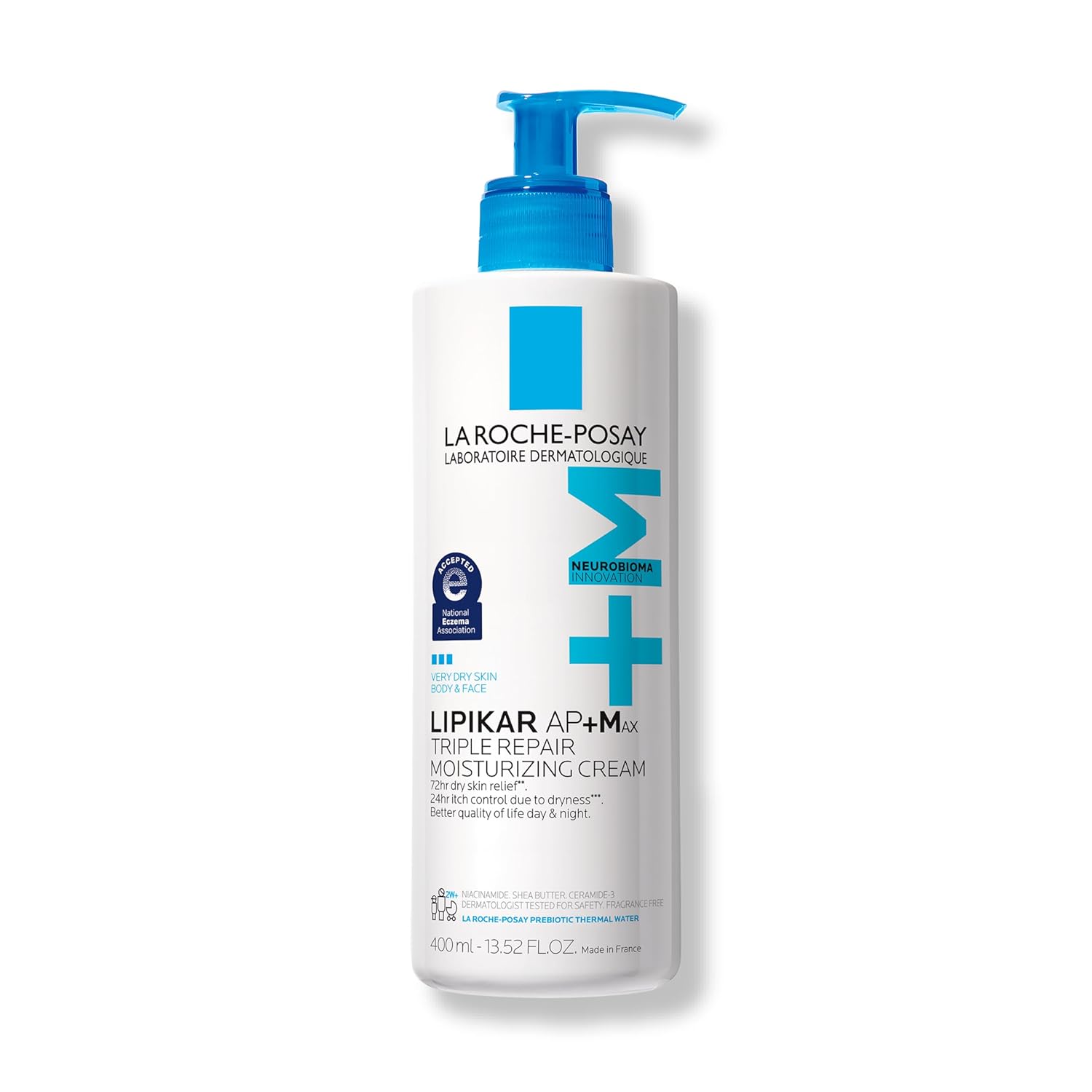
When your skin goes beyond dry into severely parched territory, this balm delivers the intensive moisture you need. The formula combines shea butter, glycerin, and niacinamide with La Roche-Posay thermal spring water. This creates an ultra-rich texture that feels more substantial than typical moisturizers. Your skin drinks it up despite the thickness.
The balm includes prebiotic thermal water that helps balance your skin’s microbiome. Emerging research shows that skin microbiome health directly affects moisture retention and barrier function. By supporting beneficial bacteria on your skin’s surface, this balm addresses dryness at a deeper level than simple hydration alone.
Niacinamide works multiple ways to improve dry skin. It strengthens barrier function, reduces inflammation, and helps skin retain moisture more effectively. The 4% concentration in this formula is clinically proven to make a difference you can see and feel. Red, irritated patches that often accompany severe dryness calm down noticeably within a few days of consistent use.
The pump dispenser keeps the formula sanitary and makes one-handed application easy. One pump covers your face adequately, though you might need two for neck and colletage. The balm takes slightly longer to absorb than lighter creams (about five minutes) but it’s worth the wait. Your skin feels cushioned and protected all day without any sticky residue once fully absorbed.
Pros:
- Ultra-rich formula for severe dryness
- Includes prebiotic thermal spring water
- Contains 4% niacinamide for barrier support
- Calms redness and irritation
- Pump packaging maintains hygiene
- Suitable for eczema-prone skin
Cons:
- Takes longer to absorb than lighter formulas
- Rich texture may be too heavy for oily zones
3. Cetaphil Rich Hydrating Cream
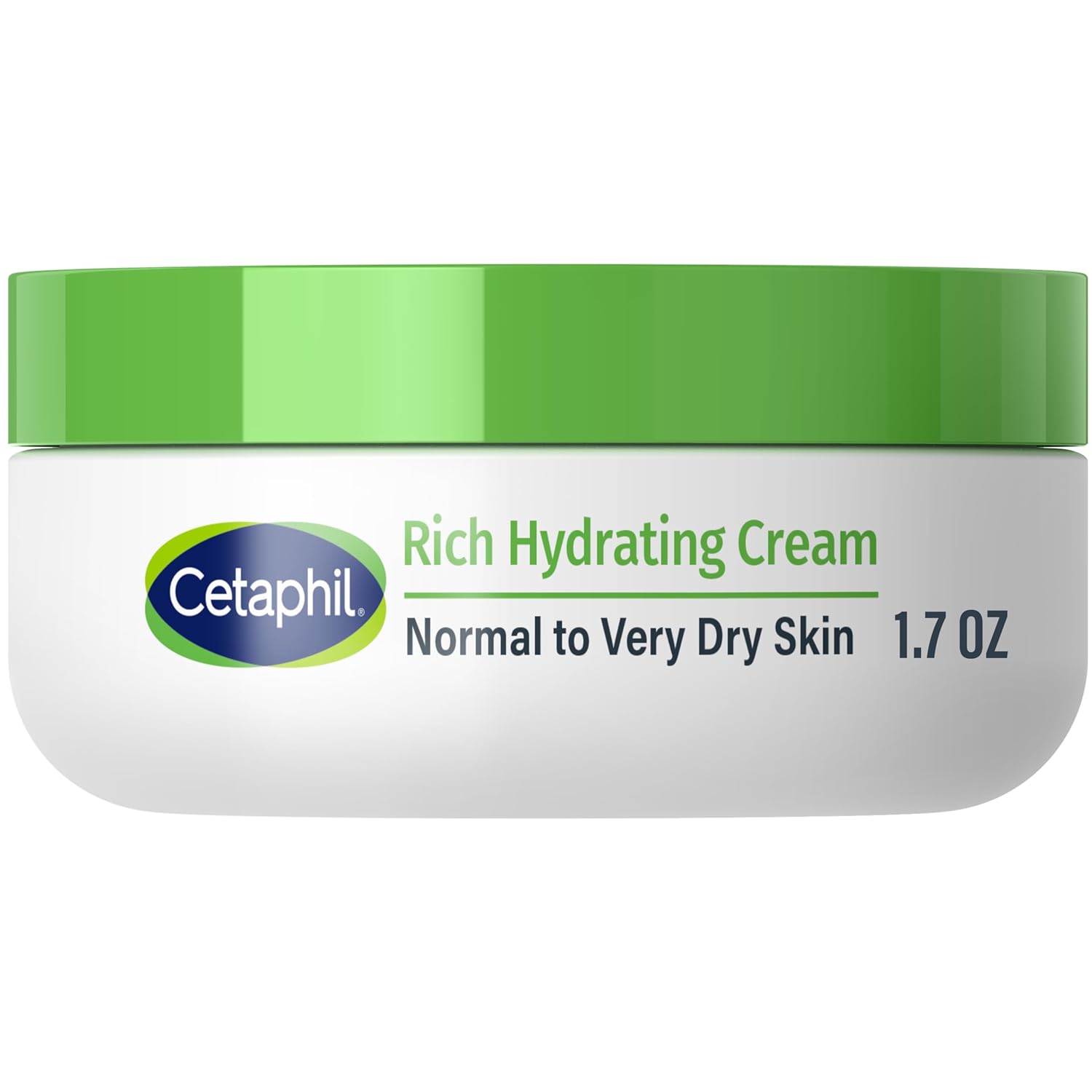
This cream targets dry to very dry skin with a formula built around hyaluronic acid and vitamin B5. The combination provides both immediate and sustained hydration. Hyaluronic acid pulls moisture into your skin from the environment, while vitamin B5 supports natural moisture retention. You get quick relief from tightness plus longer-term improvement in skin hydration levels.
The texture hits a sweet spot between thick and absorbable. It feels substantial when you scoop it out, giving you confidence that it’ll provide real moisture. But it spreads smoothly and sinks into skin within three minutes, not sitting on the surface indefinitely. This makes it suitable for daytime use under makeup, unlike some heavy creams that create a greasy base.
Glycerin and shea butter round out the hydrating ingredients, creating multiple layers of moisture. The formula uses a blend of humectants that attract water and emollients that soften skin. This dual approach means your skin feels better immediately and continues improving with regular use. After two weeks, dry patches that resisted other creams finally smooth out.
The jar packaging includes a protective seal that keeps the product fresh until first use. Once opened, the wide opening makes it easy to scoop out product, though some people prefer pump dispensers for hygiene. The cream works beautifully as a night cream, giving your skin hours to absorb all the nourishing ingredients while you sleep.
Pros:
- Balances rich hydration with absorbability
- Contains both hyaluronic acid and vitamin B5
- Suitable for daytime and nighttime use
- Gentle formula for sensitive skin
- Noticeable improvement in dry patches
- Dermatologist tested and recommended
Cons:
- Jar packaging requires clean hands for hygiene
4. Neutrogena Hydro Boost Gel-Cream
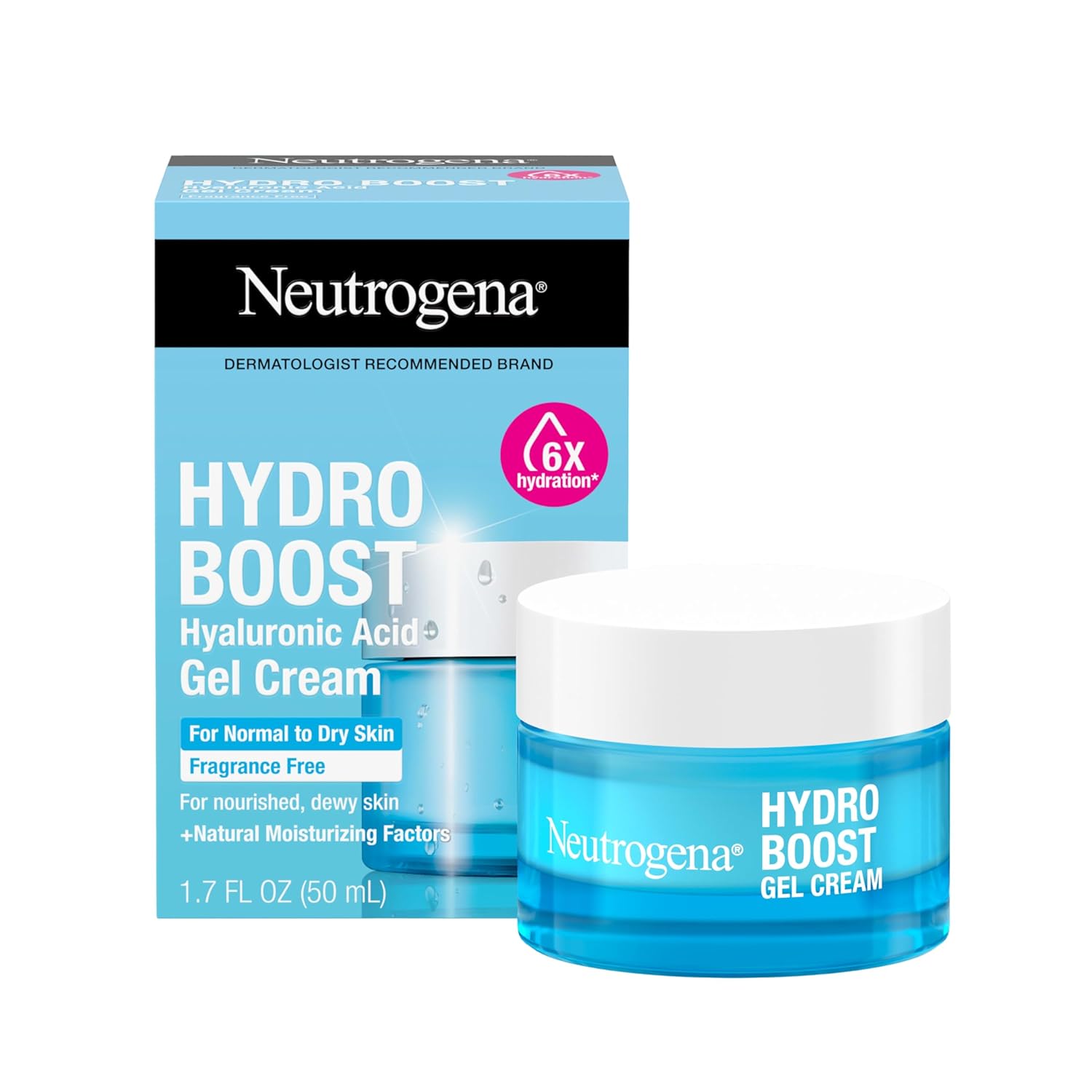
People with dry skin who can’t tolerate heavy creams find their solution here. This gel-cream uses hyaluronic acid as its hero ingredient, delivering serious hydration in a surprisingly lightweight formula. The unique texture feels cool and refreshing on contact, then absorbs completely within seconds. You’d never guess something so light could handle truly dry skin, but it does.
The formula locks in moisture for 48 hours according to the brand’s testing. The key is the combination of hyaluronic acid and olive extract, which work together to prevent moisture loss while continuously replenishing hydration. Your skin stays comfortable from morning application through the next day’s shower without that tight, dry feeling creeping back.
The oil-free formulation means it won’t clog pores or create shine. This matters for people with combination skin who experience dryness in some areas but don’t want to trigger breakouts in others. The lightweight texture layers beautifully under makeup without pilling or interfering with foundation application. Many makeup artists keep this in their kits for that reason.
The gel-cream comes in a jar with a protective seal. The texture is bouncy and almost jiggly when you scoop it out, which makes application genuinely enjoyable. A little goes a long way, one small dollop covers your entire face. The formula contains no fragrances, dyes, or parabens, making it suitable for sensitive skin that reacts to common additives.
Pros:
- Lightweight gel-cream texture absorbs instantly
- Oil-free formula won’t clog pores
- Provides 48-hour hydration
- Suitable for combination skin
- Works beautifully under makeup
- Fragrance-free formulation
Cons:
- May not be rich enough for extremely dry skin
5. Vanicream Moisturizing Cream
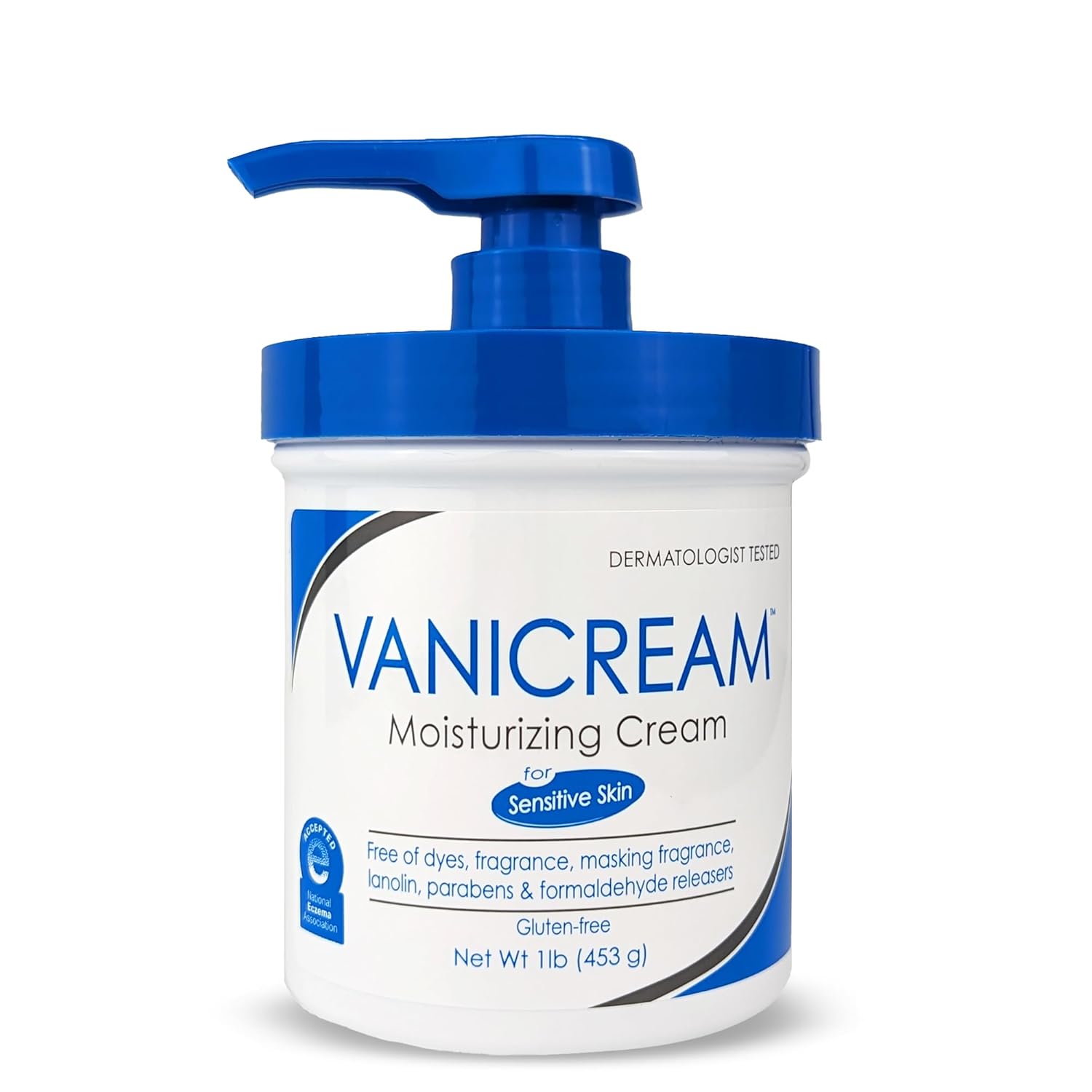
This no-frills cream focuses on what matters,effective ingredients without potential irritants. The formula excludes fragrance, dyes, lanolin, parabens, and formaldehyde. What remains is pure moisture support for even the most reactive dry skin. If your skin has rejected other creams due to sensitivity, this one likely won’t trigger problems.
Petrolatum creates an occlusive barrier that prevents water loss from your skin’s surface. Glycerin and sorbitol pull moisture into skin, while emollients soften and smooth rough texture. The ingredient list is refreshingly short, focusing on proven moisturizers rather than trendy additions. Sometimes simple formulas outperform complex ones, especially when skin is irritated and reactive.
The texture is quite thick and takes some warming between your palms before it spreads easily. Once warmed, it glides across skin and absorbs within three to four minutes. The finish isn’t completely matte, you’ll have a slight sheen that signals your skin is well-moisturized. This disappears once makeup is applied if you use this as a daytime cream.
The pump dispenser on some sizes makes application more convenient than jar packaging. The cream works particularly well as a nighttime treatment when you don’t need to worry about makeup application. Your skin has hours to absorb all the beneficial ingredients, and you wake up with noticeably softer, more comfortable skin.
Pros:
- Free from common irritants and allergens
- Extremely gentle for sensitive skin
- Contains proven moisturizing ingredients
- Available with pump dispenser
- Suitable for face and body
- Recommended for eczema-prone skin
Cons:
- Thick texture requires warming before application
- Leaves slight sheen on skin
6. Aveeno Eczema Therapy Daily Moisturizing Cream
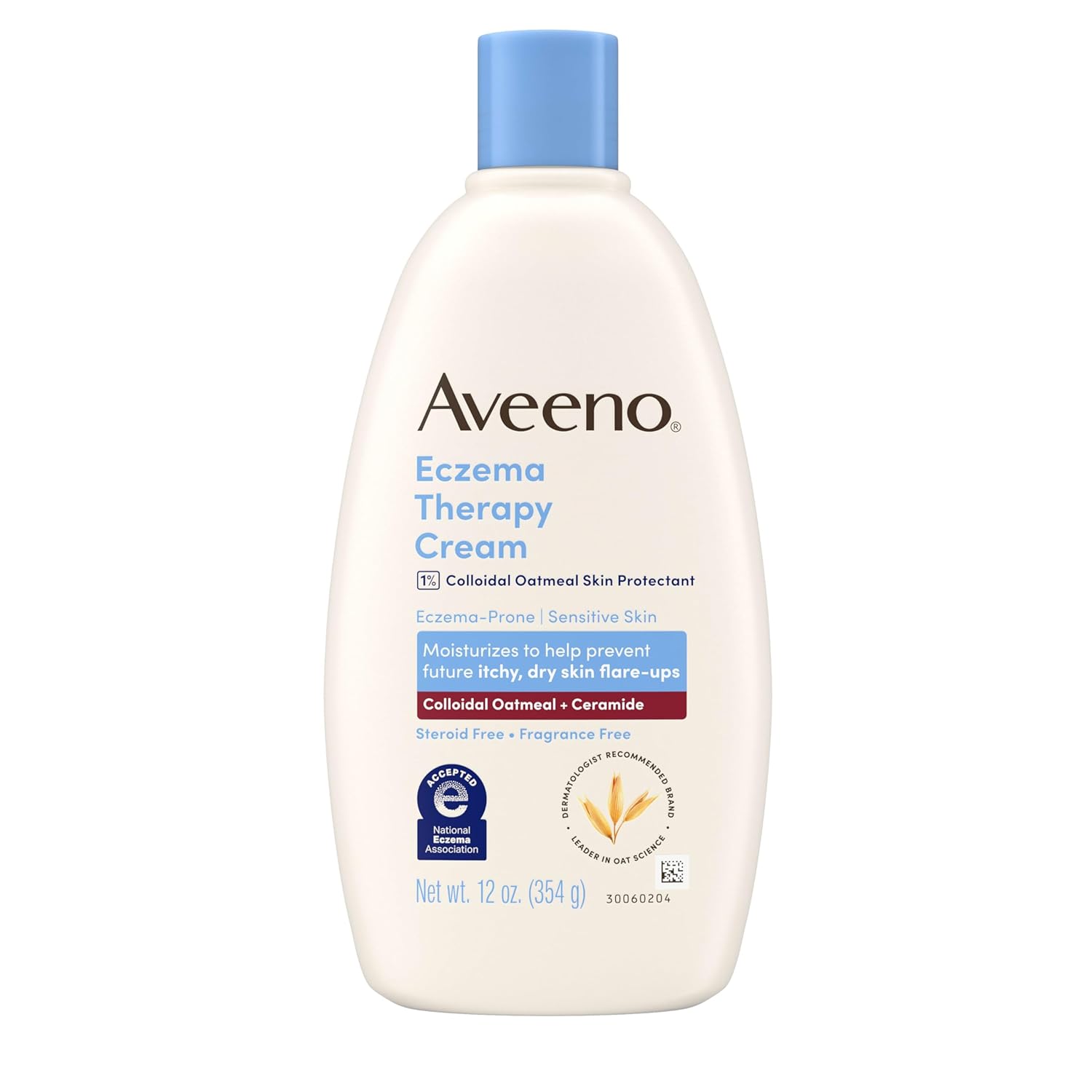
This cream goes beyond basic moisturizing to actually soothe and repair damaged skin. Colloidal oatmeal is the star ingredient, it’s been used for decades to calm itchy, irritated skin. The oatmeal forms a protective barrier on your skin’s surface while delivering anti-inflammatory benefits. If your dry skin comes with redness, itching, or sensitivity, these properties make a real difference.
The formula combines the colloidal oatmeal with ceramides and shea butter for comprehensive moisture support. Ceramides repair your skin barrier, shea butter provides rich emollience, and the oatmeal calms any inflammation. This triple action addresses the root causes of severe dryness rather than just masking symptoms temporarily.
The cream has a medium-thick texture that feels substantial without being heavy. It absorbs more quickly than you’d expect from such a rich formula, within two to three minutes, your skin feels moisturized but not greasy. The slight natural scent from the oatmeal is barely noticeable and fades completely once the cream absorbs.
This cream is steroid-free, which matters for people who need to avoid cortisone creams but still want eczema relief. The National Eczema Association has awarded it their seal of acceptance, indicating it meets their standards for safety and efficacy. You can use it daily without the concerns associated with long-term steroid use.
Pros:
- Colloidal oatmeal soothes and protects
- Combines moisture with anti-inflammatory benefits
- Suitable for eczema and severely dry skin
- Steroid-free formula for daily use
- National Eczema Association seal of acceptance
- Absorbs well despite rich texture
Cons:
- Slight natural oatmeal scent
- Higher price point than basic moisturizers
Buying Guide: Best Moisturizers for Dry Skin
1. Identify the Type of Dryness You Have
Not all dry skin is the same. Dehydrated skin lacks water, while dry skin lacks oil. Dehydrated skin often feels tight and looks dull but might still produce oil in your T-zone. True dry skin lacks sebum production across your entire face and feels rough, flaky, and uncomfortable. Understanding which type you have guides your product selection.
Environmentally-induced dryness responds well to humectants like hyaluronic acid and glycerin that pull moisture into skin. This type of dryness often worsens in winter when indoor heating removes humidity from the air. Look for moisturizers that include multiple humectants plus occlusives to seal in the moisture they attract.
Barrier-damaged dryness requires more intensive repair with ceramides, cholesterol, and fatty acids. This dryness doesn’t improve much with basic hydration alone, you need ingredients that actually rebuild your skin’s protective barrier. If your skin stings when you apply products or if it’s red and irritated, barrier repair should be your priority.
2. Understand Key Moisturizing Ingredients
Humectants attract water from the environment into your skin. Hyaluronic acid, glycerin, aloe vera, and honey are common humectants. They work best in moderate to high humidity environments. In very dry climates, humectants might actually pull moisture from your skin if there isn’t enough water in the air.
Emollients fill in the gaps between skin cells, creating a smooth surface. Shea butter, squalane, plant oils, and fatty acids are effective emollients. They make your skin feel soft and supple immediately upon application. Dry skin benefits from generous amounts of emollients to counter the rough, flaky texture.
Occlusives form a protective seal on your skin’s surface that prevents water loss. Petrolatum, dimethicone, and mineral oil are powerful occlusives. While they feel heavy, they’re extremely effective at locking in moisture. For very dry skin, using an occlusive as the final step in your routine traps all the hydrating products underneath.
3. Consider Texture and Absorption Time
Creams are thicker than lotions and generally provide more intensive moisture. They contain less water and more oils, making them ideal for dry skin. Creams take longer to absorb but provide superior hydration compared to lightweight lotions. If your skin is truly dry, don’t settle for a lotion when you need a cream.
Gel-creams bridge the gap between lotions and creams. They provide substantial hydration with a lighter feel and faster absorption. This texture works well for combination skin that’s dry in some areas but doesn’t want heavy products. Gel-creams layer beautifully under makeup without creating a greasy base.
Balms and ointments are the heaviest options, designed for extremely dry or damaged skin. They create a thick protective barrier that’s almost waterproof. These work best as overnight treatments or on specific problem areas rather than all-over daily use. The intensive moisture they provide can transform severely dry skin within a few days.
4. Choose Appropriate Packaging
Pump dispensers keep creams sanitary and fresh. Every time you open a jar and dip your fingers in, you introduce bacteria that can compromise the formula. Pumps also make one-handed application easier during your morning routine. Look for airless pump bottles that prevent air from degrading active ingredients.
Jar packaging makes sense for very thick creams and balms that won’t pump easily. The wide opening lets you scoop out substantial amounts quickly. Just make sure to use clean, dry hands or a spatula to maintain hygiene. Some brands include a small spatula with jar products for this purpose.
Tube packaging works well for creams you’ll use on both face and body. You can squeeze out exactly the amount you need without waste. Tubes protect the product from air and light exposure better than jars. The main downside is difficulty getting the last bit of product out when the tube is nearly empty.
5. Layer Products Correctly
Apply moisturizer to damp skin for better absorption. Your skin absorbs products more effectively when slightly moist. After cleansing or toning, gently pat your face with a towel but leave it slightly damp. Apply moisturizer within 60 seconds of cleansing while your skin is still receptive.
If you use serums, apply them before moisturizer. Serums contain concentrated actives that should go directly on clean skin. Wait one minute for serum absorption, then layer your moisturizer on top. The moisturizer seals in the serum and provides additional hydration and protection.
For very dry skin, consider the sandwich method. Apply a hydrating toner or essence, then moisturizer, then a few drops of facial oil. The oil creates an occlusive seal that locks in all the moisture underneath. This layering technique provides serious hydration without requiring heavy products at every step.
6. Adjust Your Routine Seasonally
Winter dryness requires richer formulas than summer hydration. Cold weather and indoor heating strip moisture from your skin more aggressively. Switch to heavier creams during winter months even if lighter gel-creams work fine in summer. Your skin’s needs change with the seasons, and your moisturizer should too.
Summer might allow lighter textures, but don’t skip moisturizer entirely. Even oily or combination skin needs proper hydration. The right summer moisturizer hydrates without creating excess shine or interfering with sunscreen. Oil-free gel-creams work particularly well during hot, humid months.
Travel often means encountering different climates and water quality that affect your skin’s moisture levels. Bring a richer backup moisturizer when traveling to dry climates or high altitudes. Airplane travel is especially dehydrating, apply extra moisturizer before flights and bring a travel-size tube for reapplication during long flights.
Maximizing Moisturizer Effectiveness
1. Prep Your Skin Properly
Gentle cleansing preserves your skin’s natural moisture barrier. Harsh cleansers strip away the oils your skin needs, making dryness worse. Choose cream or milk cleansers that clean without leaving your skin feeling tight. Avoid foaming cleansers with sulfates if you have dry skin, they’re too stripping.
Exfoliation removes dead skin cells that prevent moisturizer absorption. When dry, flaky skin builds up on the surface, even the best moisturizer can’t penetrate effectively. Use a gentle chemical exfoliant with lactic acid or PHA once or twice weekly. This allows your moisturizer to reach living skin cells where it can actually make a difference.
Toners and essences prep your skin to receive moisturizer more effectively. Hydrating toners add an extra layer of moisture that your moisturizer can seal in. Look for toners with hyaluronic acid, glycerin, or aloe rather than astringent alcohol-based formulas that dry out skin further.
2. Enhance with Facial Oils
Facial oils boost moisturizer performance when used correctly. Apply a few drops of oil after your moisturizer to seal everything in. Oils create an occlusive barrier that prevents moisture loss throughout the day. Squalane, marula oil, and rosehip seed oil work particularly well for dry skin.
Mixing a drop or two of facial oil into your moisturizer creates a custom blend that’s richer than the cream alone. This works especially well if your favorite moisturizer isn’t quite rich enough but you don’t want to switch products. The oil enhances without completely changing the formula you already like.
Some oils can replace moisturizer entirely for minimal routines. If you prefer simple skincare, applying facial oil to damp skin after cleansing provides surprising amounts of hydration. The water on your skin mixes with the oil, creating an emulsion that absorbs better than oil alone. This technique works best at night when you don’t need to apply makeup over it.
Frequently Asked Questions
1. What is the best moisturizer for dry skin?
The best moisturizer for dry skin contains ceramides, hyaluronic acid, and occlusives like petrolatum. CeraVe Moisturizing Cream is a top choice because it includes all these ingredients plus MVE technology for 24-hour hydration. For very dry skin, La Roche-Posay Lipikar Balm AP+ provides ultra-rich moisture. Your ideal choice depends on how dry your skin is and whether you prefer lighter or richer textures.
2. Should I use cream or lotion for dry skin?
Use cream for dry skin, not lotion. Creams contain more oils and less water than lotions, providing more intensive moisture. The thicker texture of creams creates a better barrier against moisture loss. Lotions work for normal or slightly dry skin, but truly dry skin requires the superior hydration that creams deliver. Save lotions for body application or summer use when lighter textures suffice.
3. How often should I moisturize dry skin?
Moisturize dry skin twice daily, once in the morning and once at night. Morning application protects your skin throughout the day, while nighttime application allows intensive moisture repair while you sleep. If your skin feels tight during the day, reapply as needed. Some people with very dry skin benefit from applying moisturizer three times daily, adding a midday application for extra support.
4. Can moisturizer make dry skin worse?
The wrong moisturizer can make dry skin worse. Products containing alcohol, fragrance, or harsh preservatives can irritate and dehydrate skin further. Lightweight lotions that don’t provide enough moisture leave dry skin tight and uncomfortable. If your moisturizer stings, causes redness, or makes your skin feel drier within hours, switch to a gentler, richer formula designed specifically for dry skin.
5. What ingredients should I look for in a moisturizer for dry skin?
Look for ceramides to repair skin barrier, hyaluronic acid to attract moisture, glycerin for hydration, and occlusives like petrolatum or dimethicone to prevent water loss. Niacinamide strengthens barrier function and reduces inflammation. Shea butter and plant oils provide rich emollience. Avoid products listing alcohol, fragrance, or sulfates high in the ingredient list as these can dry out skin further.
6. Is it better to apply moisturizer to damp or dry skin?
Apply moisturizer to slightly damp skin for better absorption and effectiveness. Damp skin absorbs products more readily than completely dry skin. After cleansing, gently pat your face with a towel but leave it slightly moist. Apply moisturizer within 60 seconds while your skin is still damp. The moisturizer will seal in the water on your skin’s surface, providing extra hydration.
7. Can you over-moisturize dry skin?
Yes, over-moisturizing can disrupt your skin’s natural moisture production. Excessive product application can clog pores, cause milia, or make skin dependent on external moisture. Use the amount recommended on the product packaging, usually a dime-sized amount for your face. If you apply moisturizer but your skin still feels dry, you need a different formula, not more of the same product.
8. Why is my skin still dry after using moisturizer?
Your skin remains dry after moisturizing for several reasons: the formula doesn’t match your dryness level, you’re not applying enough product, you’re applying to completely dry skin instead of damp, or your skin barrier is severely damaged and needs repair-focused ingredients. Environmental factors like low humidity, harsh cleansers, or hot showers can also counteract moisturizer effectiveness.
9. Should I use different moisturizers for day and night?
Using different moisturizers for day and night can benefit dry skin. Daytime moisturizers should absorb quickly, work under makeup, and ideally include SPF. Nighttime moisturizers can be richer and more intensive since absorption time and texture don’t matter. Night creams often contain higher concentrations of repair ingredients that work best while your skin regenerates during sleep.
10. How long does it take for dry skin to improve with moisturizer?
You should notice some improvement within 3-7 days of using the right moisturizer. Your skin will feel more comfortable and look less flaky almost immediately. Visible improvements in texture and smoothness typically appear after 2-3 weeks of consistent use. Severely dry or barrier-damaged skin may take 4-6 weeks to fully recover with proper moisturizer use and gentle skincare practices.
Conclusion
Finding the best moisturizer for dry skin requires understanding your specific dryness type and choosing formulas with proven ingredients like ceramides, hyaluronic acid, and occlusives. Whether you need the intensive moisture of La Roche-Posay Lipikar Balm or the lightweight hydration of Neutrogena Hydro Boost, consistency matters more than price.
Your dry skin can transform with the right moisturizer and proper application technique. Apply to damp skin twice daily, layer products correctly, and adjust your routine seasonally. Give your chosen moisturizer at least two weeks of consistent use before judging its effectiveness. With patience and the right formula, comfortable, hydrated skin is absolutely achievable.