Skin in your 40s is physiologically different from skin in your 20s or even your 30s. The best anti-aging moisturizers for the 40s address those specific changes rather than applying generic hydration.
The moisturizer market is saturated with products that claim transformative results but do not disclose which active ingredients they contain, at what concentration, and with what evidence behind them. That information gap leads many people to spend on products that feel luxurious but do not meaningfully address what is happening in the dermis.
Understanding a few key ingredient categories, retinoids, peptides, ceramides, and humectants like hyaluronic acid, will help you cut through the noise. These are not interchangeable. Each works through a different mechanism, and the best products in this category combine two or more of them strategically.
At a Glance: 3 Recommended Picks
- Best Overall: Olay Regenerist Micro-Sculpting Cream, a well-researched peptide-based moisturizer at an accessible price point.
- Best for Tight Budgets: CeraVe Skin Renewing Night Cream, a ceramide-rich night formula that repairs the skin barrier effectively.
- Best with Retinol: RoC Retinol Correxion Line Smoothing Cream, a reliable drugstore retinol product with a long track record of clinical use.
Best Anti-Aging Moisturizers for 40s: In-Depth Reviews
1. Olay Regenerist Micro-Sculpting Cream
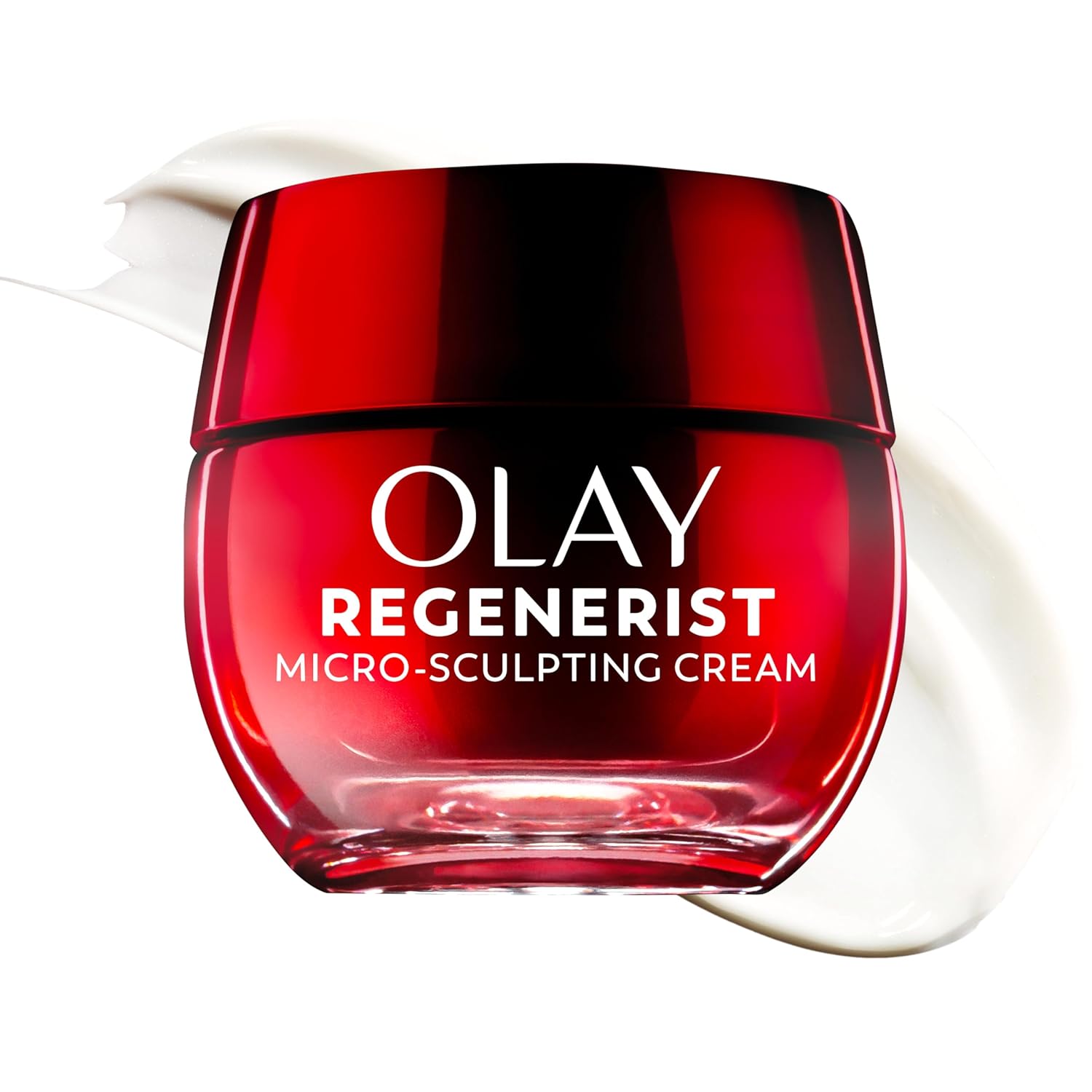
Olay’s Regenerist line has been formulated and refined over decades, and the Micro-Sculpting Cream remains one of the most evidence-backed accessible moisturizers available. The formula centers on amino-peptide technology combined with niacinamide (vitamin B3) and hyaluronic acid. Niacinamide improves skin texture, reduces the appearance of pores, and helps even skin tone, which is particularly relevant in your 40s when sun damage begins to surface more visibly.
The texture is a medium-weight cream that absorbs without leaving residue. It is designed for daytime use, though many users incorporate it into both morning and evening routines. The lack of SPF (sun protection factor) in the original formula means you will need a separate sunscreen, which is actually preferable since actives can be layered more precisely that way.
Clinical testing by Olay shows measurable improvements in skin firmness and smoothness within four weeks of consistent use. Those results are derived from proprietary studies, so independent verification is limited, though the ingredient list aligns with what the published literature supports.
This is best for someone in their early to mid-40s who wants a one-stop moisturizer with active ingredients at an accessible price.
Advantages
- Amino-peptide complex for skin firming
- Contains niacinamide for tone and texture
- Hyaluronic acid for surface hydration
- Fragrance-free formulation available
- Absorbs quickly without heaviness
- Wide availability in drugstores and supermarkets
Drawbacks
- No built-in SPF
- Proprietary studies have limited independent replication
2. CeraVe Skin Renewing Night Cream
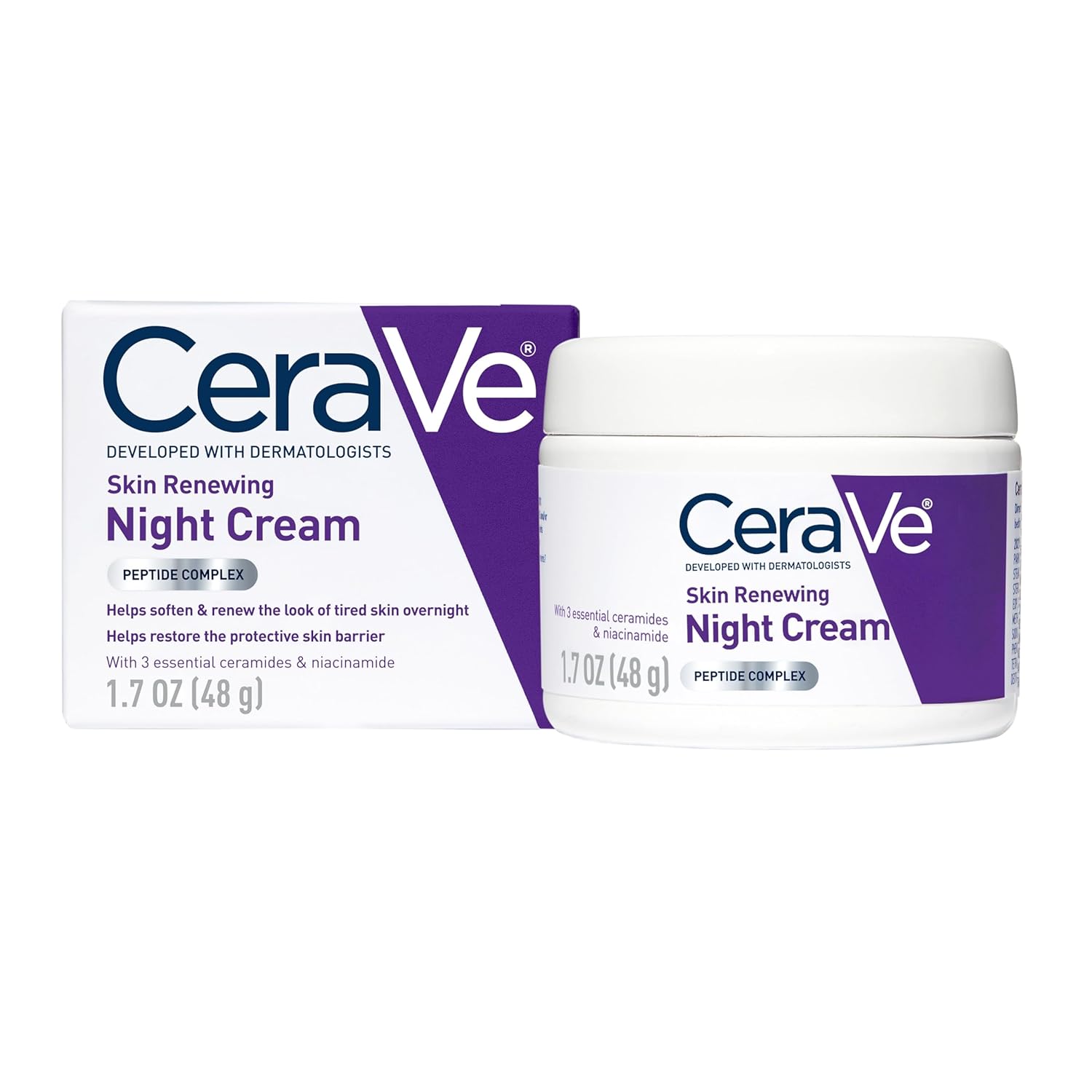
CeraVe was developed with dermatologist input and their product formulations reflect that foundation. The Skin Renewing Night Cream is built around three essential ceramides (ceramides 1, 3, and 6-II), niacinamide, and peptide technology. Ceramides are lipids that form a critical part of the skin barrier, and their concentration in the skin decreases with age. Replenishing them through a topical product has clear mechanistic support.
The night formula is slightly richer than CeraVe’s daytime products and delivers sustained hydration through the brand’s proprietary MVE (Multivesicular Emulsion) technology. This system releases moisturizing ingredients gradually overnight rather than all at once. The result is better hydration retention through the hours your skin is in active repair mode.
This is a straightforward, unscented, non-comedogenic cream that suits sensitive skin as well as normal to dry skin. For those whose skin has become more reactive in their 40s, the minimal-irritant formulation is a significant practical advantage.
This is best for someone with dry or sensitive skin who wants reliable barrier repair and overnight hydration.
Advantages
- Three essential ceramides for barrier repair
- MVE technology for sustained overnight release
- Contains niacinamide for skin texture
- Fragrance-free and non-comedogenic
- Dermatologist-developed formulation
- Well-suited to sensitive or reactive skin
Drawbacks
- No active retinol or exfoliating component
- Rich texture may feel heavy in humid climates
3. RoC Retinol Correxion Line Smoothing Cream
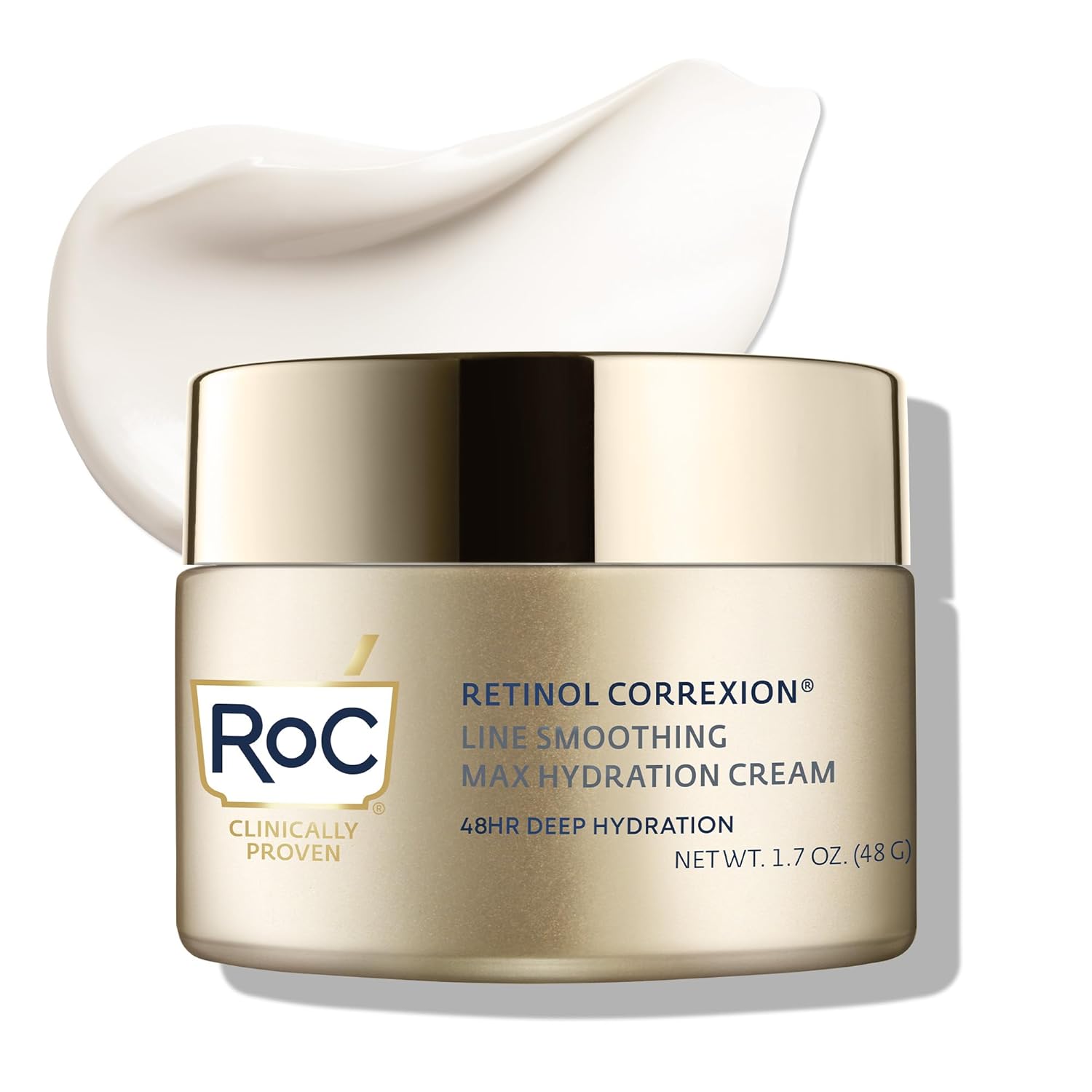
RoC is one of the most established brands in over-the-counter retinol, and the Retinol Correxion Line Smoothing Cream has been a consistent performer in this category for many years. Retinol is a form of vitamin A and the most clinically studied ingredient for reducing visible signs of aging. It accelerates cell turnover, stimulates collagen production in the dermis, and reduces the depth of established wrinkles over consistent use.
The formula uses stabilized retinol, which is important because retinol degrades rapidly when exposed to air and light. The cream comes in opaque, sealed packaging that protects the retinol from degradation. The supporting ingredients include mineral complex and moisturizing agents that help offset the initial dryness and flaking that new retinol users often experience.
New users should introduce this product slowly, starting with two to three nights per week and building frequency over four to six weeks. Skin in the 40s is generally more tolerant of retinol than sensitive skin in younger users, but the adjustment period is still real.
This is best for someone ready to commit to a retinol routine and willing to navigate a short adjustment period for long-term results.
Advantages
- Clinically validated retinol as the active ingredient
- Stabilized formula in protective packaging
- Long track record of efficacy research
- Supporting moisturizing complex to reduce dryness
- Available without a prescription
- Suitable for nightly use once skin adjusts
Drawbacks
- Initial dryness and flaking during adjustment period
- Retinol should not be used with some other actives without guidance
- No SPF, so daytime sunscreen is essential
4. La Roche-Posay Redermic R Anti-Wrinkle Treatment
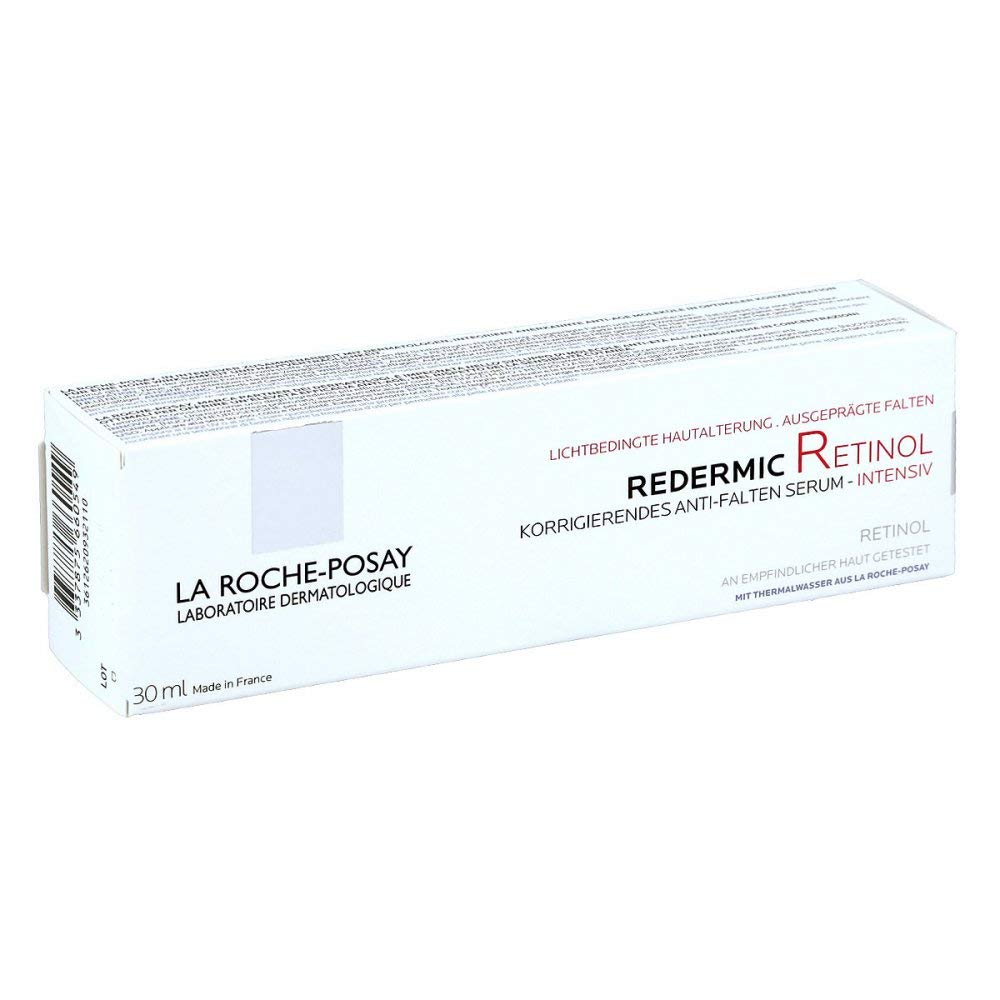
La Roche-Posay is a dermatologist-recommended French pharmacy brand known for formulating actives at levels that are effective without being harsh. The Redermic R Anti-Wrinkle Treatment contains pure retinol stabilized in their unique formula system alongside neurosensine, a peptide that helps minimize the irritation response common with retinol use. This makes it a particularly practical option for those with skin that has become more sensitive during hormonal changes in the 40s.
The texture is lighter than a traditional cream, sitting between a serum and moisturizer consistency. It is designed to be layered under a separate moisturizer rather than used as a standalone product, which adds a step to the routine but allows for better customization of hydration levels.
The Redermic R is available in different formulations for the face and eyes. The face version delivers retinol with a lower risk of irritation than many comparable products, making it a strong entry point for retinol beginners or those who have found other retinol products too harsh.
This is best for those with sensitive or reactive skin who want the benefits of retinol with a reduced likelihood of irritation.
Advantages
- Pure retinol with neurosensine irritation buffer
- Formulated for sensitive skin tolerance
- Dermatologist-tested and recommended
- Light texture layers well under moisturizer
- La Roche-Posay’s thermal spring water base
Drawbacks
- Requires a separate moisturizer on top
- Lower retinol concentration than some competitors
- Higher price than drugstore retinol alternatives
5. Neutrogena Rapid Wrinkle Repair Retinol Cream
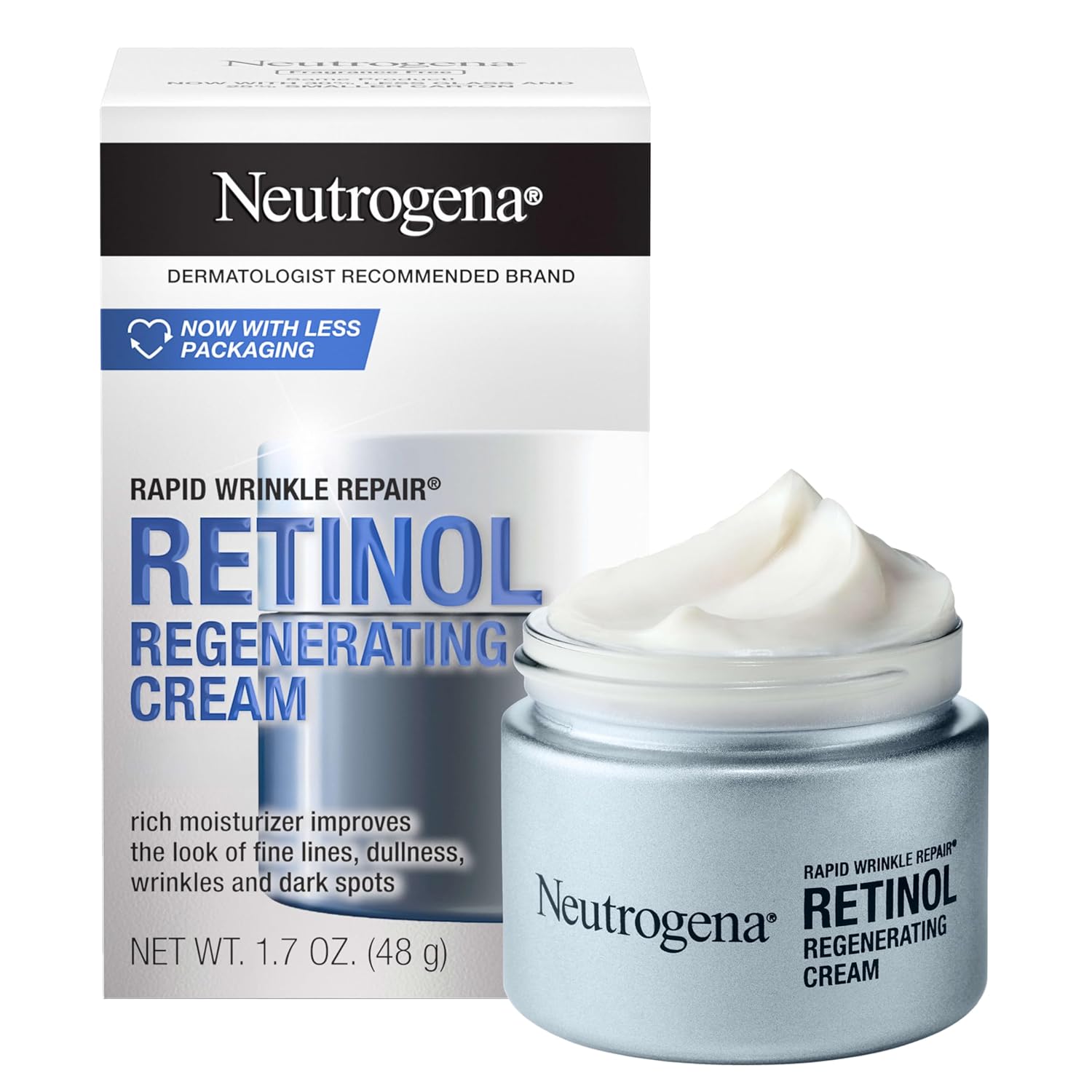
Neutrogena’s Rapid Wrinkle Repair line uses accelerated retinol SA (retinol with salicylic acid in a stabilized complex) to deliver faster visible results than traditional retinol formulations.
The accelerated delivery system is a genuine formulation difference, not just a marketing claim. The combination of retinol with glucose complex and hyaluronic acid addresses both collagen stimulation and surface hydration simultaneously.
The cream is designed for nighttime use and has a moisturizing texture that suits normal to dry skin. It is fragrance-free in the regular formula, which matters for anyone with sensitivity to synthetic fragrance, a common irritant in skincare products.
The “rapid” in the name reflects the brand’s claim of visible improvement in one week. Measurable cellular changes with retinol take longer, but surface-level improvements in smoothness and hydration can appear within days, particularly for those new to retinol use.
This is best for someone looking for an accessible introduction to retinol with a moisturizing base.
Advantages
- Accelerated retinol SA delivery system
- Contains hyaluronic acid for hydration
- Fragrance-free formulation available
- Widely accessible and affordable
- Suitable for nighttime use
Drawbacks
- Retinol SA is not pure retinol and differs slightly in mechanism
- Some users find the texture slightly tacky
6. Estee Lauder Advanced Night Repair Moisturizer
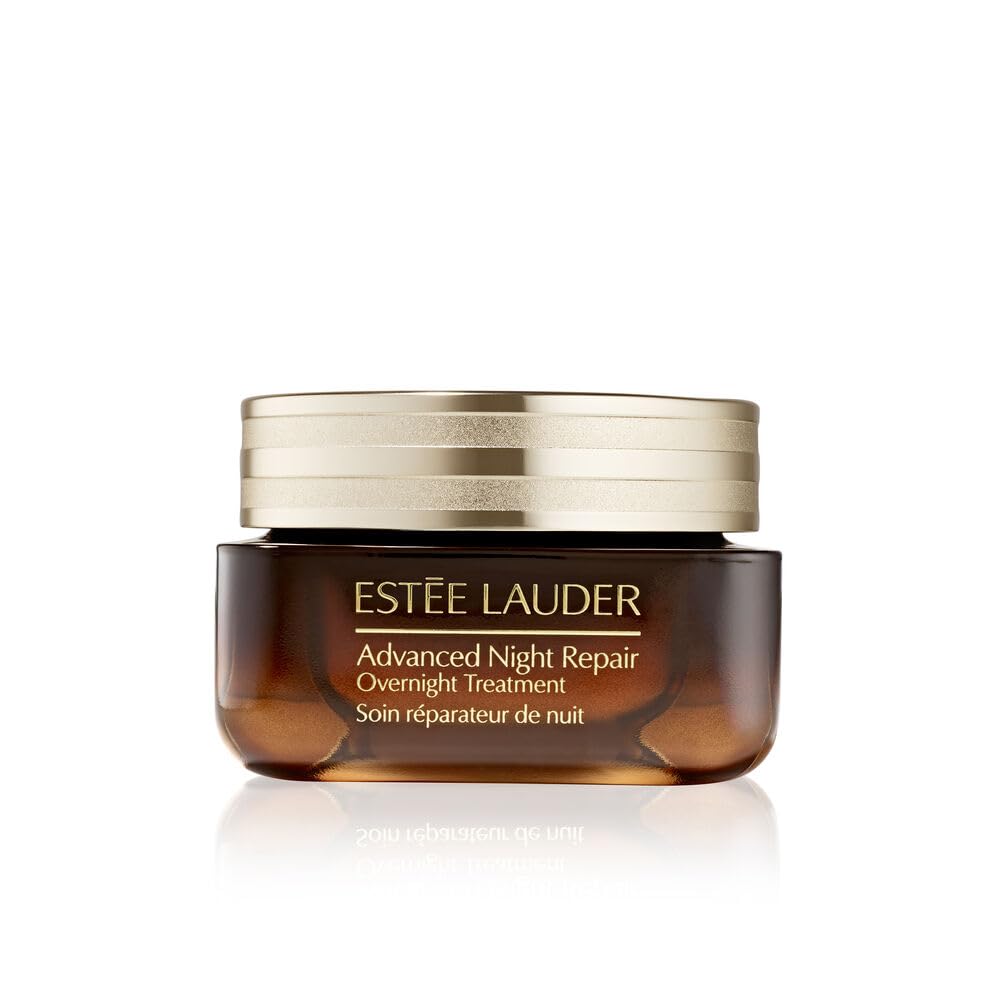
Estee Lauder’s Advanced Night Repair is a prestige-tier product built around ChronoluxCB technology, which the brand describes as a synchronized recovery complex designed to work with the skin’s natural nighttime repair rhythms.
The formula centers on hyaluronic acid, ferment filtrate extract, and antioxidants rather than retinol. This makes it a gentler nightly moisturizer that focuses on hydration, environmental damage repair, and skin barrier strengthening.
The texture is a rich but non-greasy cream that suits dry to normal skin particularly well. In your 40s, when the skin’s moisture retention capacity declines, the combination of multiple hyaluronic acid molecular weights, some that hydrate the surface and others that penetrate deeper, is a meaningful formulation detail.
This product does not contain retinol, which distinguishes it from the retinol-focused options above. It is better suited for those prioritizing hydration and antioxidant defense than active collagen stimulation.
This is best for someone in their 40s who wants a luxurious, hydrating night cream with antioxidant support but no retinol.
Advantages
- Multi-weight hyaluronic acid for deep and surface hydration
- ChronoluxCB recovery complex
- Rich, non-greasy texture
- Strong antioxidant and repair focus
- Suitable for dry and normal skin
Drawbacks
- No retinol for collagen stimulation
- Premium price point
- Fragrance-containing formula may irritate sensitive skin
7. Cetaphil Healthy Radiance Whip Moisturizer SPF 30
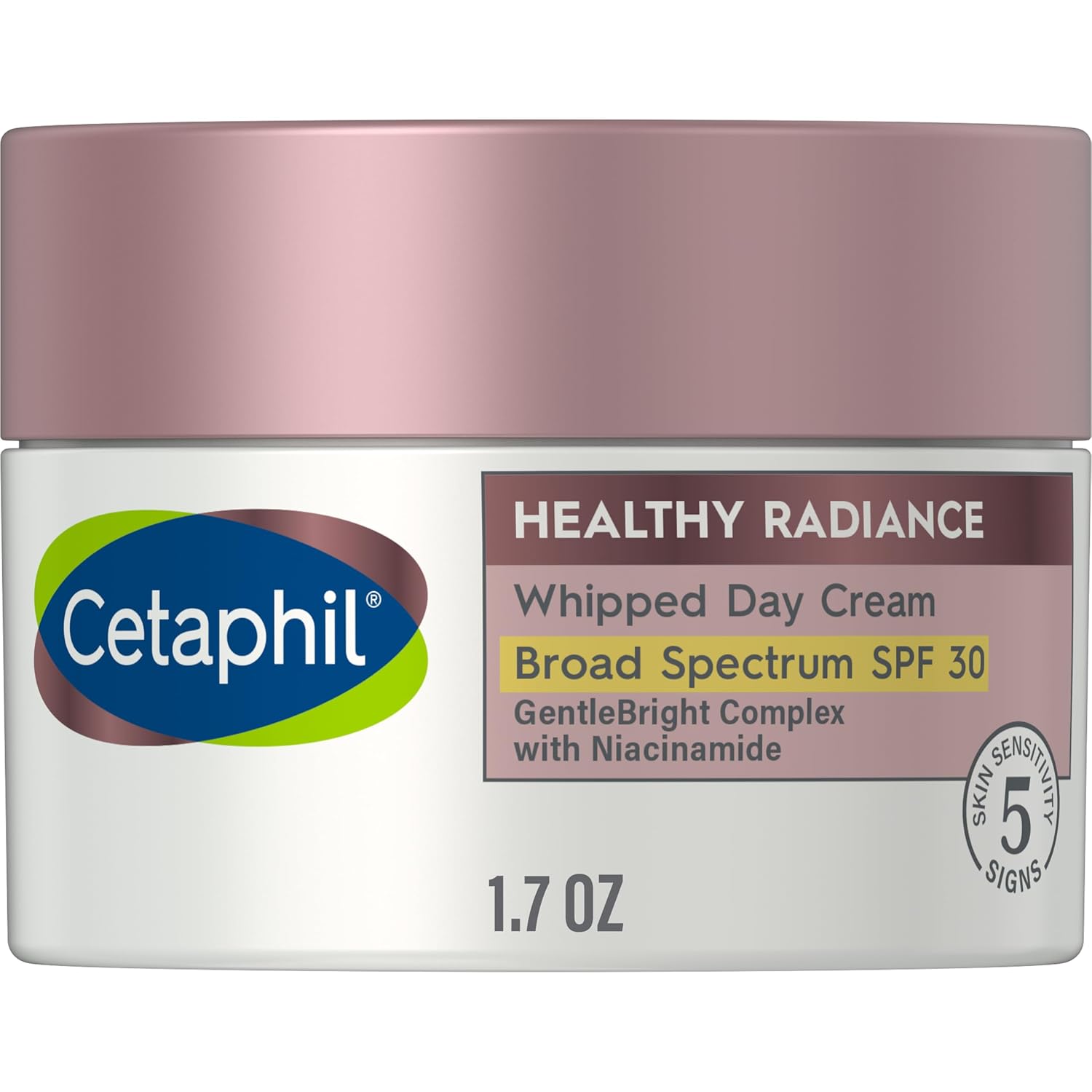
Cetaphil has long been associated with gentle, barrier-friendly formulations, and their Healthy Radiance Whip Moisturizer with SPF 30 addresses a genuine gap in the anti-aging moisturizer category: a well-formulated product that combines active skincare with daily sun protection in one step. The SPF 30 broad-spectrum protection is arguably the single most impactful anti-aging measure available, and incorporating it into a daily moisturizer removes a barrier to consistent use.
The formula includes niacinamide, vitamin C (ascorbic acid), and optical diffusers that give skin a more even appearance immediately. The whipped texture is light and absorbs quickly, making it practical for layering under makeup or wearing alone during daytime hours.
This is best for those who want to simplify their morning routine by combining hydration, actives, and sun protection in a single step.
Advantages
- SPF 30 broad-spectrum protection included
- Contains niacinamide and vitamin C
- Light whipped texture absorbs quickly
- Gentle Cetaphil formulation base
- Practical for daily morning use
Drawbacks
- SPF products require reapplication for extended outdoor time
- Vitamin C concentration may be lower than standalone vitamin C serums
- Not a substitute for a dedicated night cream
Understanding What Makes a Great Anti-Aging Moisturizer for Your 40s
1. Active Ingredient Evidence
Not all moisturizing ingredients have the same level of evidence behind them. Retinoids (including retinol and prescription tretinoin) are the most studied topical anti-aging ingredients in dermatology. Peptides and niacinamide have meaningful supporting research. Ceramides have clear mechanistic support for barrier repair. When evaluating a product, look for at least one ingredient with published clinical backing at a functional concentration.
2. Retinol Concentration and Stability
If a product contains retinol, concentration and stability both matter. Retinol degrades quickly when exposed to air and light, which is why packaging that seals and protects the formula is a practical quality marker. Concentrations between 0.1 and 0.3 percent are appropriate for beginners, while concentrations up to 1 percent suit those with more established retinol tolerance.
3. Skin Barrier Support
In your 40s, skin barrier function declines noticeably. The barrier is composed of lipids including ceramides, fatty acids, and cholesterol. Moisturizers that include ceramides and fatty acids directly support barrier repair rather than just coating the surface with humectants. If you find your skin is more reactive or easily irritated than it used to be, barrier repair should be a priority.
4. Fragrance Considerations
Synthetic fragrance is one of the most common causes of contact dermatitis and skin sensitivity. In a category where you are applying a product daily over months and years, fragrance-free formulations significantly reduce cumulative irritation risk. Many dermatologists recommend fragrance-free products for anyone over 40, particularly those in perimenopause when skin sensitivity often increases.
5. Morning Versus Night Formulation
Skin undergoes different processes during the day and at night. Daytime formulations benefit from antioxidants and SPF to counteract environmental damage. Nighttime formulations can use more potent actives like retinol and richer textures that would feel heavy under makeup. Using products designed for their intended timing improves efficacy and reduces irritation.
6. Layering Compatibility
In your 40s, you are likely using more than one product. Understanding how to layer a moisturizer with serums, eye creams, and SPF matters. As a rule, apply the lightest textures first and the heaviest last. Retinol should not be used in the same routine as AHAs (alpha hydroxy acids) or vitamin C without medical guidance.
What Skin Actually Goes Through in Your 40s
Skin aging is not a single process. Several distinct changes happen simultaneously, which is why no single ingredient addresses everything.
Collagen production continues its annual decline, and the rate accelerates for women entering perimenopause due to dropping estrogen levels. Estrogen receptors in the skin influence collagen synthesis directly, which is why skin can thin noticeably in the mid-40s.
The skin’s natural exfoliation process, called desquamation, slows with age, leading to a buildup of older cells on the surface. This contributes to dullness, uneven texture, and reduced light reflectance. Gentle chemical exfoliation with AHAs like glycolic acid can address this independently of moisturization.
Melanocytes, the cells responsible for pigmentation, become less evenly distributed over time. Sun exposure over decades compounds this, leading to the hyperpigmentation and uneven tone that many people notice in their 40s. Niacinamide and vitamin C both address this through different mechanisms.
Key changes to plan your skincare around:
- Declining collagen and elastin production
- Reduced skin barrier efficacy
- Slower cell turnover creating dullness
- Increased hyperpigmentation from cumulative UV damage
- Decreased sebum production leading to drier skin
- Greater sensitivity to fragrance and harsh actives
Frequently Asked Questions
1. Should I use retinol every night in my 40s?
Daily retinol use is appropriate for most people once their skin has adjusted, which typically takes four to eight weeks. Start with two to three nights per week and increase frequency as tolerance develops. Daily use provides the most consistent anti-aging benefit but must always be paired with daytime SPF.
2. Is prescription tretinoin better than over-the-counter retinol?
Tretinoin is the acid form of vitamin A and is considerably more potent than retinol. Retinol converts to retinoic acid in the skin over several steps, while tretinoin is already in the active form. Tretinoin produces faster and more pronounced results but also more irritation. Over-the-counter retinol is appropriate for most people; tretinoin suits those who want faster results and can manage the adjustment period.
3. Do anti-aging moisturizers actually work?
Products containing clinically studied actives like retinol, niacinamide, peptides, and ceramides at effective concentrations do produce measurable improvements in skin appearance and structure. Products that rely primarily on emollients and marketing language without active ingredients provide hydration but limited anti-aging benefit.
4. Can I use vitamin C serum and retinol together?
Most dermatologists recommend separating them, applying vitamin C in the morning and retinol at night. Using both in the same routine can cause irritation and may reduce the stability and efficacy of both actives.
5. How long before an anti-aging moisturizer shows results?
Surface-level improvements in hydration and smoothness can appear within days. Changes in wrinkle depth, firmness, and skin tone from retinol or peptides typically require 8 to 12 weeks of consistent use. Collagen changes visible to the naked eye may take four to six months.
6. What is the most important skincare step for anti-aging in your 40s?
Daily broad-spectrum SPF 30 or higher consistently outranks every other product in terms of preventing further skin aging. If you could only do one thing, protecting your skin from UV damage every day would provide more benefit than any moisturizer, serum, or supplement.
7. Is it better to apply moisturizer to damp or dry skin?
Applying moisturizer to slightly damp skin helps seal in water content and improves the absorption of humectants like hyaluronic acid. This is particularly relevant for night creams and richer formulations. Apply within two to three minutes of washing your face for best results.
8. Can I use the same moisturizer morning and night?
Some products are designed for dual use, but day and night formulations serve different purposes. Daytime formulations with SPF and antioxidants address environmental defense. Nighttime formulations with retinol and richer emollients support repair. Using a dedicated nighttime product improves outcomes compared to using a daytime product around the clock.
Wrapping It Up
Skincare in your 40s works best when it is built around understanding what is actually changing in your skin, not just what a product label promises. Collagen decline, barrier compromise, and slower cell turnover are the core issues, and the best moisturizers address at least two of those pathways with evidence-backed ingredients.
Olay Regenerist Micro-Sculpting Cream is the strongest all-around choice for most people at an accessible price. For those ready to commit to retinol, RoC Retinol Correxion remains one of the most reliable over-the-counter options available. Both choices prioritize science over aesthetics, which is exactly what mature skin deserves.