Walk through any skincare aisle and you will find retinol, vitamin C, and niacinamide getting all the attention. Azelaic acid quietly sits at the back, underrated and underused. That is a mistake.
The azelaic acid benefits for skin are genuinely wide-ranging, and unlike many popular actives, it is one of the most well-tolerated acids available. It works on multiple concerns at once, making it especially useful for people who want results without a complicated routine.
What Azelaic Acid Actually Is
Azelaic acid is a naturally occurring dicarboxylic acid found in grains like wheat, barley, and rye. It is also produced naturally by yeast that lives on human skin. In skincare, it is synthesised for use in concentrations typically ranging from 5% to 20%.
At 15% to 20%, it is classified as a prescription treatment in many countries and is used medically for acne and rosacea. At lower concentrations, it is available over-the-counter and still delivers meaningful results.
The Core Azelaic Acid Benefits for Skin
1. Fades Hyperpigmentation and Dark Spots
One of the most clinically supported azelaic acid benefits for skin is its ability to reduce hyperpigmentation. It works by inhibiting tyrosinase, the enzyme responsible for producing melanin. When tyrosinase activity is reduced, excess pigment production slows down and existing dark spots gradually fade.
This makes it effective for:
- Post-inflammatory hyperpigmentation (PIH) from acne
- Melasma, a condition of chronic pigmentation often triggered by hormones or sun exposure
- Sun spots and uneven skin tone
- Residual marks left after blemishes clear
Unlike some brightening ingredients, azelaic acid does not bleach skin uniformly. It specifically targets abnormally pigmented cells, which means it brightens discolouration without lightening your natural skin tone.
2. Treats Acne Without the Harshness
Azelaic acid has antibacterial properties that directly target Cutibacterium acnes (C. acnes), the bacteria most associated with inflammatory acne. It also reduces the buildup of dead skin cells inside pores, addressing one of the key triggers for comedones and congestion.
Compared to benzoyl peroxide and salicylic acid, azelaic acid causes significantly less irritation and dryness. This makes it a practical choice for people with sensitive or dry skin who still need effective acne treatment.
It also addresses the dark marks acne leaves behind simultaneously. Treating the breakout and the post-acne pigmentation with one ingredient is one of the most practical azelaic acid benefits for skin.
3. Calms Rosacea and Chronic Redness
Azelaic acid is one of very few over-the-counter ingredients with clinical evidence for reducing the symptoms of rosacea. It has both anti-inflammatory and anti-keratinising properties that help reduce the redness, papules, and pustules characteristic of the condition.
Prescription azelaic acid at 15% concentration (available as Finacea gel) is approved by regulatory bodies including the US Food and Drug Administration (FDA) specifically for rosacea treatment. The over-the-counter versions at lower concentrations show milder but still measurable benefits.
For anyone dealing with persistent facial redness or rosacea-like symptoms, exploring azelaic acid is worth doing before moving on to stronger or more disruptive treatments.
4. Gentle Exfoliation Without Stripping
Azelaic acid has mild exfoliating properties that help normalise cell turnover. Unlike glycolic or lactic acid, it does not dramatically lower skin pH or cause significant sensitivity to sunlight at standard concentrations.
This means you get some of the texture-refining benefits of chemical exfoliation without the peeling, sun sensitivity, or disruption to the skin barrier that higher-strength acids can cause.
5. Antioxidant Properties
Less commonly discussed but still documented, azelaic acid has antioxidant activity that helps neutralise free radicals. This contributes to its overall skin-calming effect and may help slow some of the oxidative damage linked to premature aging.
6. Safe During Pregnancy
Many effective skincare actives are off-limits during pregnancy. Retinoids are contraindicated. High-strength chemical exfoliants are generally avoided. Hydroquinone, a common brightening agent, is not recommended.
Azelaic acid is considered safe for use during pregnancy by most dermatologists, making it one of the few actives that can address hyperpigmentation and acne in pregnant individuals without the associated safety concerns. Always confirm with your healthcare provider first.
How to Use Azelaic Acid in Your Routine
Choosing the Right Format
Azelaic acid comes in several formats:
- Gels tend to be lighter and suit oily or acne-prone skin
- Creams are better for dry or sensitive skin
- Foams (prescription) offer good coverage and absorption
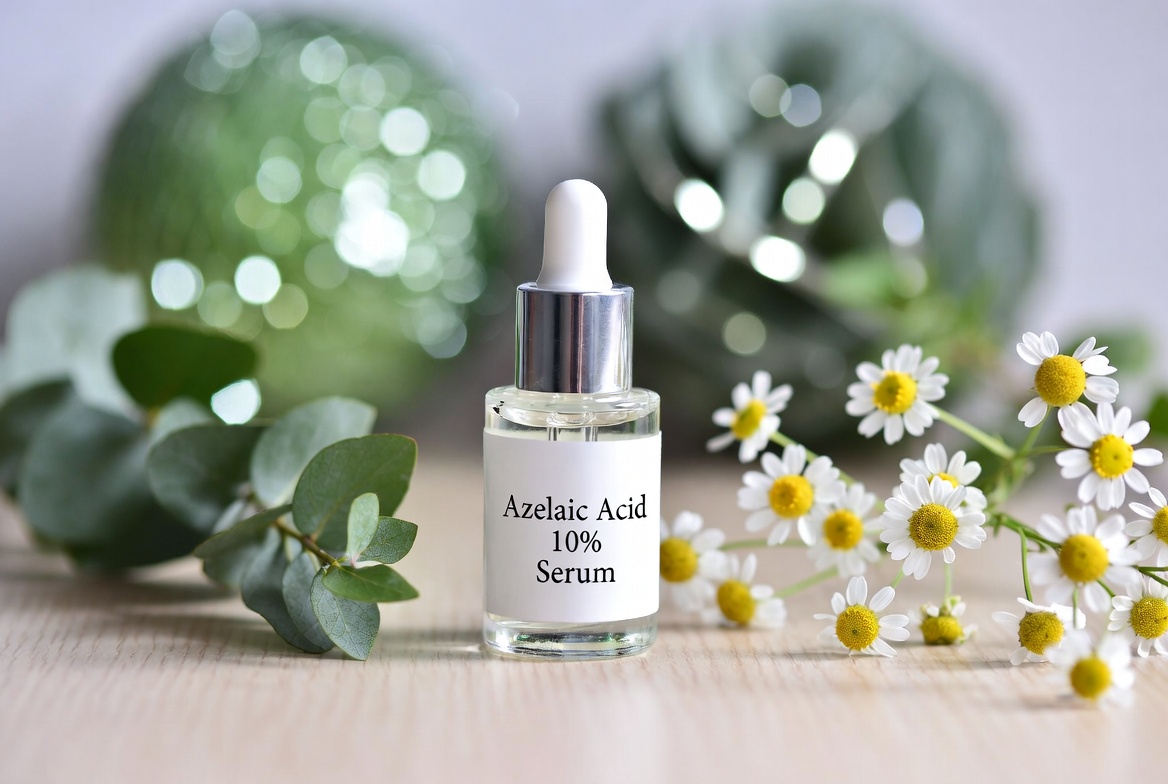
- Serums work well layered within a broader routine
Where It Fits in Your Routine
Apply azelaic acid after cleansing and toning, before moisturiser. On mornings when you use it, follow with SPF since you are applying an active ingredient that may increase sun sensitivity slightly, though less so than other acids.
You can use it once or twice daily depending on concentration and your skin’s tolerance. Starting with once a day every other day is a sensible approach when first introducing it.
Can You Mix Azelaic Acid With Other Ingredients?
- Niacinamide: Compatible and complementary. Both address pigmentation and redness, and they layer well together.
- Hyaluronic acid: No issues. Adding a hyaluronic acid serum underneath helps counteract any dryness.
- Retinol: Use caution. Both are effective but layering them daily can increase irritation. Alternating nights is a better approach.
- Vitamin C: Generally fine, though the combination can occasionally cause irritation on sensitive skin. Introduce slowly.
- Strong acids (glycolic, salicylic): Avoid layering on the same application. Use on alternate days to prevent over-exfoliation.
Potential Side Effects
Azelaic acid is well-tolerated but not without possible side effects, particularly when starting out:
- Mild tingling or stinging during the first few weeks
- Temporary dryness or flaking at higher concentrations
- Rare cases of contact dermatitis in very sensitive individuals
Most initial irritation subsides within two to four weeks as the skin adjusts. If stinging persists beyond that, reduce frequency or try a lower concentration.
Frequently Asked Questions
1. What concentration of azelaic acid should I start with?
Start with 5% to 10% if you are new to the ingredient. Over-the-counter products typically fall in this range. If you have acne or rosacea that has not responded to lower concentrations, speak to a dermatologist about prescription-strength options.
2. How long does it take to see azelaic acid benefits for skin?
For acne, some improvement may be visible within four weeks. For hyperpigmentation and rosacea, consistent use over two to three months typically shows the most meaningful results.
3. Can azelaic acid replace vitamin C for brightening?
It can, particularly if vitamin C irritates your skin. Both address hyperpigmentation through different mechanisms. Azelaic acid is generally gentler and does not degrade as quickly when exposed to air and light.
4. Is azelaic acid suitable for dark skin tones?
Yes, and it is particularly recommended. Its tyrosinase-inhibiting mechanism means it targets excess pigmentation specifically, without the risk of unintended lightening that some brightening agents carry. It is one of the safer brightening options for deeper skin tones.
5. Can azelaic acid be used around the eye area?
Avoid the immediate eye area. The skin there is thinner and more sensitive, and azelaic acid can cause irritation when applied close to the eyes.
Conclusion
The azelaic acid benefits for skin are broad, well-supported, and relevant for a wide range of concerns. Whether you are dealing with stubborn dark spots, acne, rosacea, or just uneven texture, this ingredient covers a lot of ground without the drama that comes with stronger actives. If you have been sleeping on it, now is the time to give it a proper try. Add it to your routine consistently for three months and let the results speak for themselves.