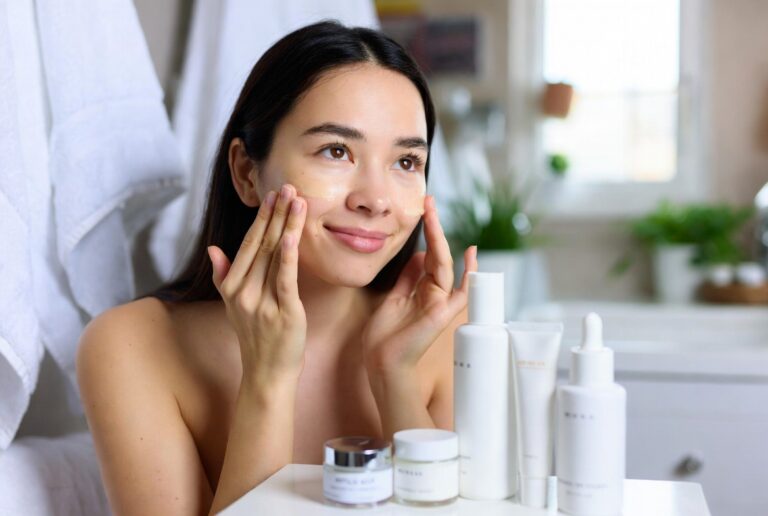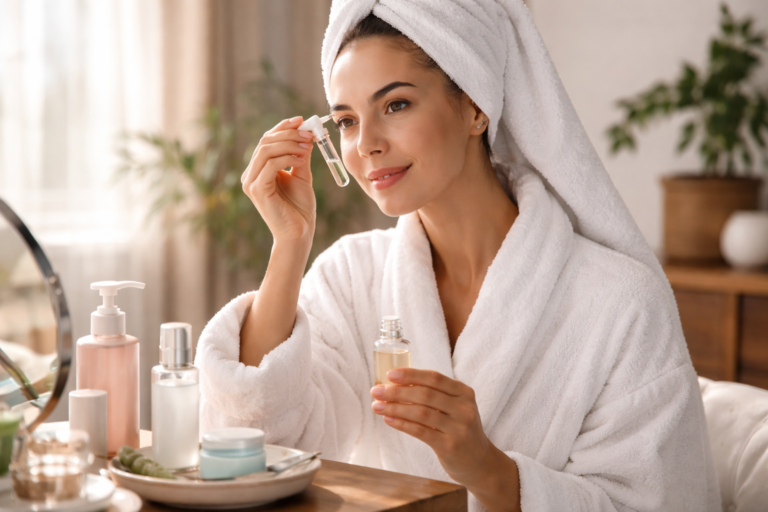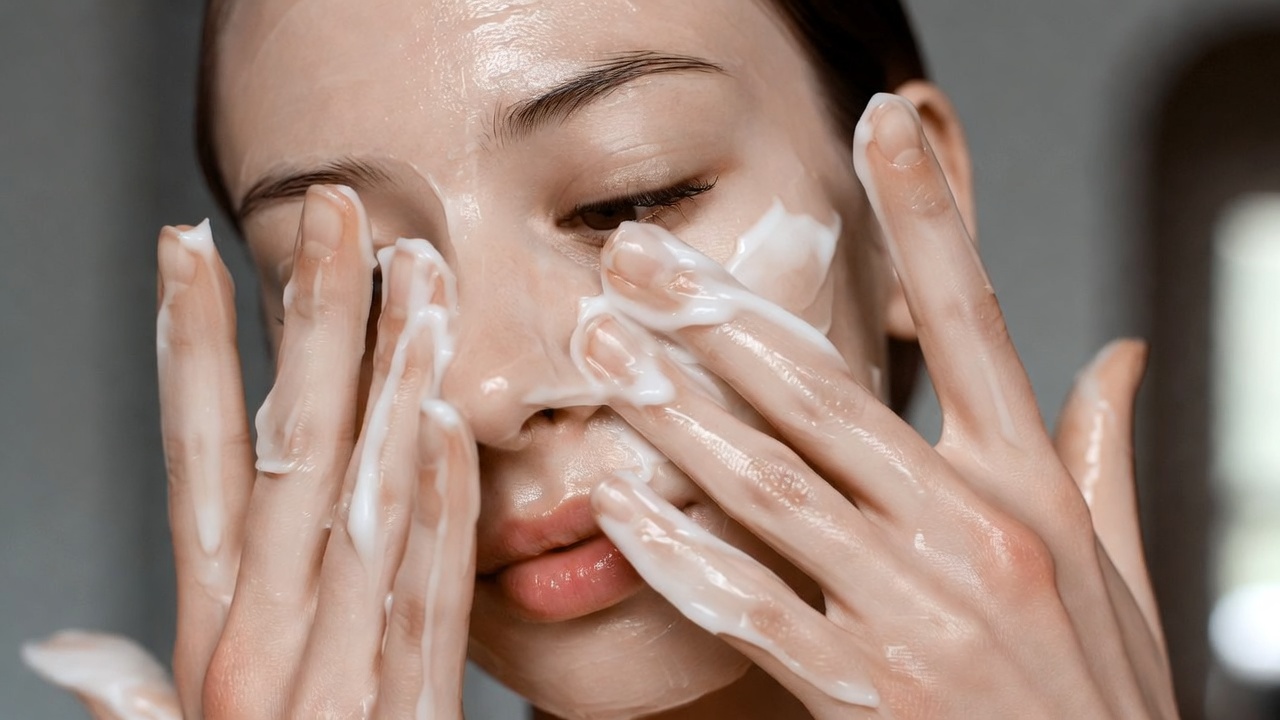
If you have spent any time on skincare forums or scrolling through TikTok late at night, you have probably seen it. People slathering their faces in a thick, shiny layer of petroleum jelly right before bed. It looks unusual. It has a slightly odd name. And yet, the slugging skin trend has become one of the most talked-about skincare techniques in recent years.
The word “slugging” comes from the glistening, slug-like appearance it gives your skin after application. It involves applying an occlusive product, most commonly plain petroleum jelly, as the very last step of your nighttime skincare routine. The goal is to seal everything underneath and prevent water from escaping your skin while you sleep.
It sounds simple because it is. But the results people report, softer skin, less dryness, and a noticeably more comfortable complexion, have made the slugging skin trend stick around well beyond typical viral moments.
The Science Behind Slugging
To understand why slugging works, you need to know a little about how your skin loses moisture.
Your skin constantly loses water through a process called transepidermal water loss (TEWL). This is completely normal, but it accelerates when the skin barrier is damaged or when environmental conditions like dry air or cold weather strip the skin faster than it can replenish.
Petroleum jelly, also called petrolatum, is one of the most effective occlusive ingredients available. It does not add moisture to your skin directly. Instead, it creates a physical seal on the surface that dramatically reduces TEWL overnight. Think of it as wrapping your skin in a protective film while it does its natural repair work.
When you layer petroleum jelly over a well-hydrated skin surface, your skin retains far more moisture overnight than it otherwise would. By morning, the texture and softness difference can be noticeable.
Who Benefits Most from the Slugging Skin Trend
Not everyone needs to slug every night. But for certain skin types and concerns, it can genuinely change how your skin feels.
1. Dry and Very Dry Skin
This is the sweet spot for slugging. If your skin always feels tight, flaky, or rough no matter what moisturizer you use, slugging can provide a level of overnight hydration that regular products often cannot. The seal created by the occlusive layer gives your skin the best chance to restore moisture naturally.
2. Compromised or Damaged Skin Barriers
People who have been dealing with a weakened skin barrier, whether from over-exfoliation, harsh weather, or reactive skin conditions, often find slugging speeds up their recovery. Reducing water loss overnight gives the barrier more time to repair without constant disruption.
3. Sensitive Skin
Petroleum jelly is one of the most non-reactive ingredients you can put on your face. It has no fragrance, no actives, and no known allergens. Sensitive skin types who cannot tolerate most treatments often find slugging to be one of the few things their skin actually responds well to.
4. Skin Going Through Seasonal Shifts
In winter especially, the cold outdoor air and the dry heat indoors form an unforgiving combination for skin. The slugging skin trend becomes particularly relevant during these months as an extra layer of protection against the elements.
Who Should Be Cautious About Slugging
To be fair, slugging is not for everyone. There are skin types and situations where it may not be the right choice.
Acne-prone skin requires some caution. Petroleum jelly itself is non-comedogenic, meaning it does not clog pores in the traditional sense. However, if you are slugging over products that have not fully absorbed, you could trap those ingredients against your skin longer than intended, which may irritate breakout-prone skin. The biggest skincare mistakes that cause acne include layering products incorrectly, and slugging is no exception to this rule.
Oily skin types may also find the texture too heavy or uncomfortable. If your skin is already producing excess sebum, adding an occlusive layer on top may not feel pleasant, especially in warmer weather.
The key is to listen to your skin. Try slugging once or twice a week before committing to nightly use.
How to Do the Slugging Skin Trend Correctly
The method matters. Slugging done carelessly can deliver disappointing results or, in some cases, cause irritation. Done right, it is one of the most straightforward skincare techniques you can add to your routine.
Step 1: Start with a Clean Face
Cleanse your face thoroughly. This is more important in slugging than in most other routines because you are about to seal whatever is on your skin. Any residual makeup, sunscreen, pollution, or bacteria sitting on your face will be locked under the petroleum jelly for hours. Use a gentle cleanser that does not strip your skin, and make sure you feel genuinely clean before moving on.
Step 2: Apply Your Regular Evening Skincare
Go through your evening skincare routine as usual. Toner, serum, moisturizer, whatever your current routine involves. Let each product absorb properly before adding the next. Give your moisturizer at least a few minutes to settle into the skin before the final step.
This is also the time to think carefully about what you use. If you are applying retinol, strong acids, or other potent actives, be cautious about slugging on top of them. The occlusive layer can increase how deeply those ingredients penetrate, which may cause irritation if you are not already using them regularly.
Step 3: Apply a Thin Layer of Petroleum Jelly
You do not need much. A pea-sized amount, warmed between your fingertips, is usually enough for the whole face. Press it gently across your skin rather than rubbing aggressively. Focus on areas that tend to feel driest, like the cheeks, the area around the mouth, and the nose. You can also apply a tiny amount around the eye area, where skin is thinner and loses moisture faster.
The goal is a translucent, even film, not a thick paste. Less is genuinely more here.
Plain petroleum jelly brands, including basic pharmacy versions and the widely known Vaseline, all work the same way. There is no premium version that performs meaningfully better. Our dedicated guide on ways to effectively use Vaseline covers several applications beyond just slugging, if you are interested in getting more out of a single product.
Step 4: Go to Sleep
That is truly it. Sleep on it, wake up, and wash your face in the morning as usual. Most people notice their skin feels softer and more comfortable immediately after rinsing off.
Use a clean pillowcase, or consider switching to a silk or satin option to keep bacteria from transferring back to your freshly slugged face.
How Often Should You Slug
You do not need to slug every single night. Two to three times a week is a reasonable starting point for most people.
If your skin is severely dry or in barrier repair mode, nightly slugging may be appropriate in the short term. Once your skin stabilizes, scaling back to a few nights a week is usually enough to maintain results.
Pay attention to how your skin feels in the morning. If it looks clear, soft, and comfortable, you have found a good frequency. If you notice breakouts or congestion appearing in areas that are usually clear, reduce how often you do it.
Slugging and Your Broader Skincare Routine
The slugging skin trend works best as part of a thoughtful routine, not as a standalone fix.
During the day, the foundation of good skin health remains unchanged. A proper morning skincare routine with a gentle cleanser, moisturizer, and broad-spectrum SPF (sun protection factor) is still the non-negotiable baseline. Slugging at night adds a recovery layer, but it does not replace daytime protection.
If you are slugging to address a damaged skin barrier, also look at what might be causing the damage in the first place. Over-exfoliation, harsh cleansers, and skipping moisturizer are common culprits. A consistent, gentle approach to your full routine will speed up results far more than slugging alone.
Food choices also matter. Skin that is supported by a diet rich in healthy fats and antioxidants tends to respond better to repair-focused skincare. The connection between what you eat and how your skin behaves is real, and our guide on foods for healthy glowing skin covers that in useful detail.
What to Use If You Cannot Use Petroleum Jelly
Some people prefer to avoid petroleum jelly for personal or environmental reasons. There are alternatives, though none quite match the occlusive strength of petrolatum.
Pure shea butter is a popular substitute. It is plant-derived, deeply moisturizing, and has a rich texture that provides a decent seal. It also contains fatty acids that actively nourish the skin, which petrolatum does not.
Lanolin is another strong occlusive derived from wool wax. It is very effective at reducing water loss and is commonly used in intensive lip and skin treatments.
Squalane oil, while lighter, can also help reduce TEWL when layered generously over a good moisturizer. It is better suited to combination skin types who want a less heavy final layer.
Common Slugging Mistakes to Avoid
The slugging skin trend is straightforward, but a few habits can undermine your results.
Slugging over active ingredients you are not yet used to is the most common issue. If you have only recently introduced a retinoid or a strong exfoliating acid into your routine, slugging on top can push those ingredients deeper into the skin than your tolerance currently allows. Build up your routine first, slug second.
Using too much product is another pitfall. A thick layer does not work better than a thin one. It just transfers onto your pillow, feels uncomfortable, and can cause milia, tiny white bumps under the skin, if overused consistently.
Skipping the cleanse step beforehand is perhaps the most important mistake to avoid. Slugging over improperly cleansed skin traps the wrong things. Always start clean.
Frequently Asked Questions
1. What is the slugging skin trend and where did it come from?
The slugging skin trend involves applying petroleum jelly as the last step of a nighttime routine to lock in moisture. It gained widespread popularity through skincare communities on Reddit and later on TikTok, though the technique itself has been used for decades in various forms.
2. Can the slugging skin trend cause acne?
Petroleum jelly is non-comedogenic and unlikely to directly cause breakouts. However, if applied over products that have not fully absorbed, it can trap them against the skin for longer than intended, which may irritate acne-prone skin. Start by slugging on nights when you have not used strong actives.
3. How long does it take to see results from slugging?
Many people notice softer skin the very next morning. For more significant changes, like improved skin barrier function or reduced dryness, consistent use over two to four weeks typically shows clear results.
4. Is the slugging skin trend safe for all ages?
Yes. Petroleum jelly is gentle enough for all ages and skin types. It has a long safety record and is commonly recommended for infants with dry or irritated skin, so it is unlikely to cause problems for adults either.
5. Do I need an expensive product to slug, or will a basic petroleum jelly work?
A basic, fragrance-free petroleum jelly from the pharmacy works just as well as any premium alternative. The active ingredient is the same regardless of the brand or price point.
6. Can I slug around my eyes?
Yes, carefully. The skin around the eyes is thin and prone to dryness, making it one of the areas that benefits most from slugging. Use just a tiny amount, applied gently, and avoid getting product directly into your eyes.
7. Should I slug every night or just occasionally?
Starting two to three nights a week is usually ideal. People with very dry or compromised skin may benefit from nightly slugging initially, scaling back once their skin stabilizes. Oily skin types may prefer to slug only once a week or less.
Conclusion
The slugging skin trend is not hype. It is one of the most practical, inexpensive, and evidence-backed things you can do for dry or barrier-damaged skin. Clean your face, follow your evening routine, seal it all in with a thin layer of petroleum jelly, and let your skin do its work overnight. Give it a few weeks of consistent use and see what your skin tells you. Start tonight if you have petroleum jelly at home, because you probably already do.