Rinse-out conditioner vs leave-in conditioner—ever wondered which one your hair truly needs? Both have their perks, but understanding their differences can make your daily routine simpler and your hair healthier. From moisture retention to styling benefits, choosing the right type can save you from frustration and dryness.
What is Rinse-Out Conditioner?
Rinse-out conditioner is applied after shampooing and left on for a short period, usually 1 to 5 minutes. It’s designed to smooth the cuticle, reduce tangles, and provide temporary moisture. Most people use it during their shower routine.
How Rinse-Out Conditioner Works
Rinse-out conditioner works by coating the hair with moisturizing ingredients that temporarily smooth the hair shaft. This reduces friction and helps hair glide past each other without damage. Ingredients like shea butter, glycerin, and hydrolyzed proteins penetrate the outer layer to improve softness.
Ideal Hair Types for Rinse-Out Conditioner
- Normal hair needing light hydration
- Fine hair that can’t handle heavy products
- Hair exposed to daily washing that needs quick care
Benefits of Rinse-Out Conditioner
- Prevents tangling and breakage
- Adds shine and softness instantly
- Quick and easy to rinse
- Prepares hair for styling or additional products
What is Leave-In Conditioner?
Leave-in conditioner stays in your hair after washing. You don’t rinse it out, which means your hair continues to absorb its benefits throughout the day. It’s usually lighter than rinse-out formulas but packed with nutrients.
How Leave-In Conditioner Works
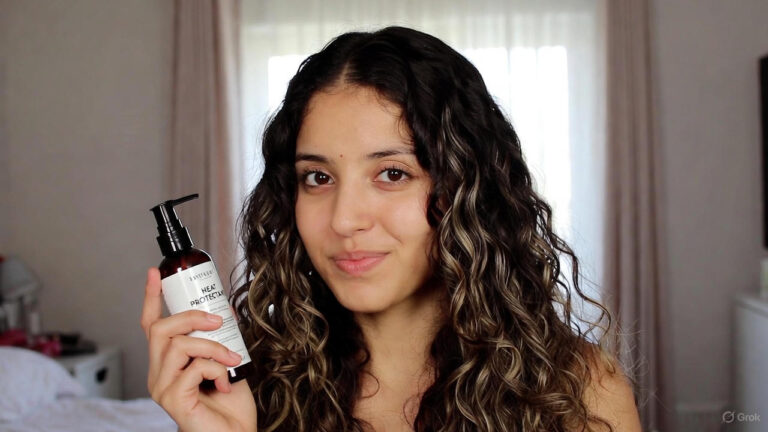
Leave-in conditioner works by providing long-lasting moisture, heat protection, and frizz control. Ingredients like panthenol, aloe vera, and lightweight oils penetrate without weighing hair down. It can also act as a detangler for styling.
Ideal Hair Types for Leave-In Conditioner
- Curly or wavy hair needing extra hydration
- Dry or damaged hair that requires continuous care
- Hair exposed to heat styling or environmental stressors
Benefits of Leave-In Conditioner
- Provides all-day hydration
- Protects hair from heat and UV damage
- Helps with styling and frizz management
- Makes hair more manageable between washes
Rinse-Out Conditioner vs Leave-In Conditioner: Key Differences
1. Application Time
Rinse-out conditioner is temporary and washed out after a few minutes. Leave-in conditioner is left in to work throughout the day.
2. Hair Goals
Rinse-out focuses on smoothness and detangling post-shower. Leave-in focuses on hydration, protection, and manageability.
3. Product Texture
Rinse-out conditioner is heavier and richer. Leave-in conditioner is lightweight and designed for longer absorption.
4. Frequency of Use
Rinse-out conditioner is typically used every time you shampoo. Leave-in conditioner can be used daily or as needed, even on non-wash days.
5. Styling Benefits
Leave-in conditioner often doubles as a styling aid, helping reduce frizz and providing heat protection. Rinse-out conditioner primarily prepares hair for styling after washing.
When to Use Rinse-Out Conditioner vs Leave-In Conditioner
Rinse-Out Conditioner
Use after shampooing to replenish moisture and reduce tangling. It’s perfect for quick hydration during your shower.
Leave-In Conditioner
Use on damp or dry hair to maintain moisture, add shine, and protect from heat styling. It’s especially helpful on windy or humid days.
Combining Both
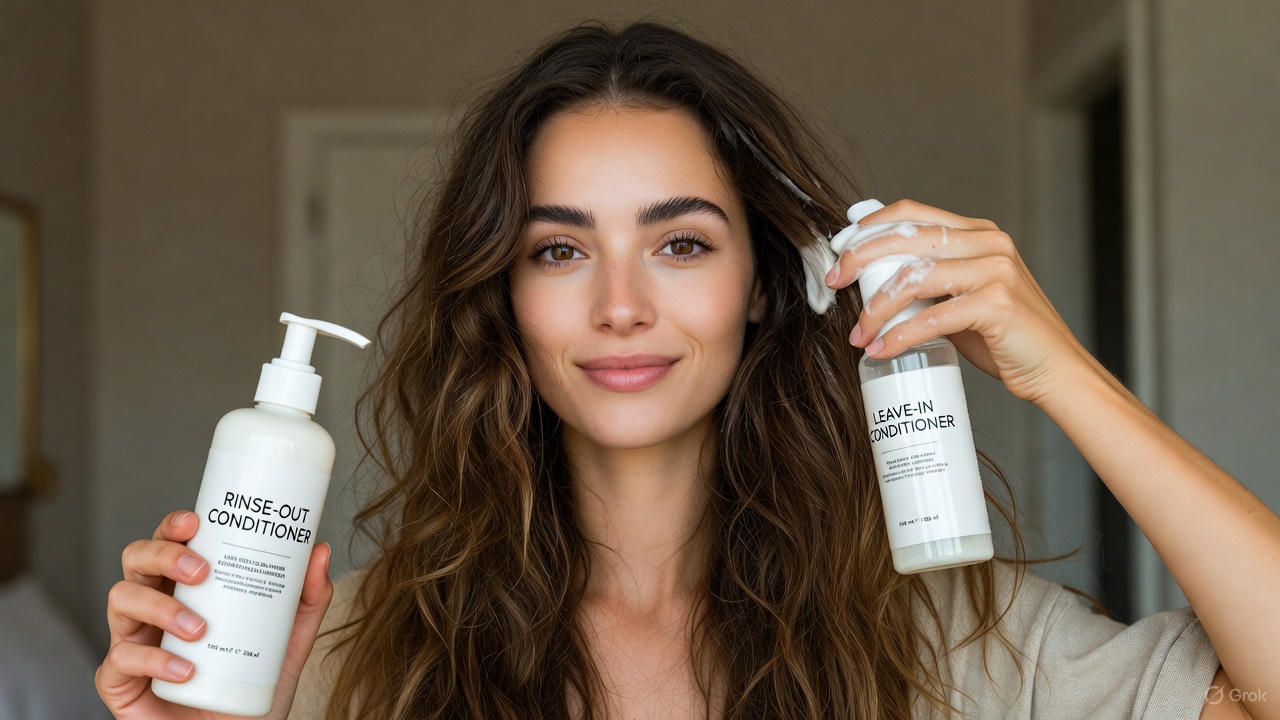
Many people benefit from using both. Apply rinse-out conditioner in the shower, then a small amount of leave-in conditioner afterward to extend hydration and protection.
Common Ingredients in Rinse-Out vs Leave-In Conditioners
Rinse-Out Ingredients
- Silicone for smoothness
- Oils for moisture
- Proteins for strength
Leave-In Ingredients
- Aloe vera for hydration
- Lightweight oils for shine
- Panthenol and vitamins for repair
Understanding ingredients helps you select the right product for your hair type and needs.
Pro Tips for Maximum Benefits
- Apply rinse-out conditioner mainly to mid-lengths and ends to avoid weighing down roots.
- Use leave-in conditioner sparingly to prevent buildup.
- Layering a leave-in after a rinse-out conditioner provides extended hydration.
- Comb through hair gently with a wide-tooth comb to maximize detangling.
Common Mistakes
- Using too much leave-in conditioner, making hair greasy.
- Skipping rinse-out conditioner on freshly washed hair, leading to dryness.
- Applying leave-in conditioner to the scalp instead of mid-lengths and ends.
By avoiding these mistakes, you can enjoy healthier, more manageable hair.
Conclusion
Rinse-out conditioner vs leave-in conditioner isn’t about one being better than the other. They serve different purposes and can even complement each other. Rinse-out conditioner provides immediate smoothness, while leave-in conditioner ensures long-lasting moisture and protection. Using both strategically can keep your hair soft, healthy, and easy to manage.
FAQs
1. Can I use leave-in conditioner instead of rinse-out conditioner?
Yes, but leave-in conditioner is lighter and may not provide the immediate detangling and smoothing effect rinse-out conditioner gives.
2. Is it okay to use both rinse-out and leave-in conditioner?
Absolutely. Applying rinse-out in the shower followed by a leave-in afterward gives both instant and long-lasting benefits.
3. How often should I use leave-in conditioner?
You can use leave-in conditioner daily, especially on dry, curly, or heat-styled hair.
4. Can leave-in conditioner help with heat styling?
Yes, most leave-in conditioners offer heat protection and help reduce frizz caused by styling tools.
5. Are there hair types that shouldn’t use leave-in conditioner?
Fine or very thin hair may become weighed down if too much leave-in conditioner is applied. Use a small amount focusing on mid-lengths and ends.