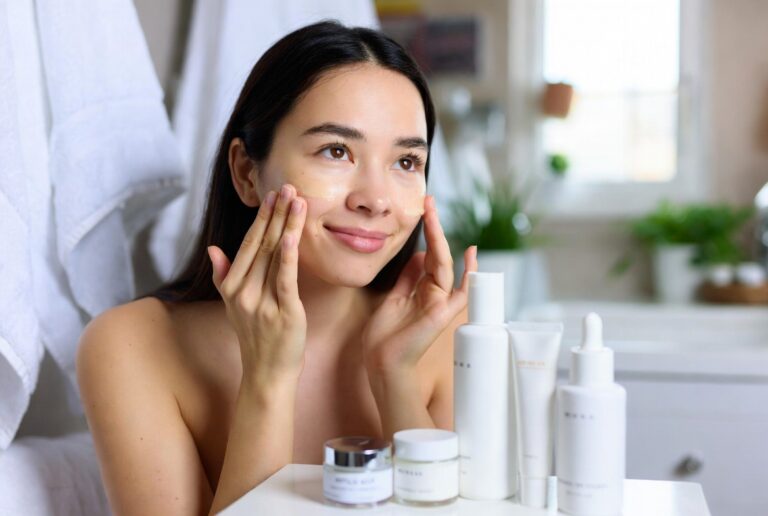
Two of the most talked-about skincare ingredients right now are niacinamide and vitamin C. Both are backed by solid research, both are widely available, and both promise brighter, healthier-looking skin. So which one should you actually be using?
The honest answer is that niacinamide vs vitamin C is less of a competition and more of a question of what your skin needs right now. Understanding what each one does, how it works, and when to use it will help you make a much smarter choice than just following a trend.
What Is Niacinamide?
Niacinamide is the water-soluble form of vitamin B3. It is one of the most versatile and well-tolerated active ingredients in skincare, which is part of why it has become so popular across all skin types.
It works at multiple levels. It helps regulate sebum production, which makes it useful for oily and combination skin. It also boosts ceramide synthesis in the skin, directly supporting skin barrier repair and health. On top of that, it reduces the appearance of enlarged pores, calms redness, and gently evens out skin tone over time.
Niacinamide is gentle enough for daily use and plays well with most other ingredients. If your main concerns are oiliness, redness, or mild discoloration, it is a strong starting point.
What Is Vitamin C?
Vitamin C, also called ascorbic acid in its purest form, is a potent antioxidant that protects skin from environmental damage. It neutralizes free radicals from pollution and sun exposure before they can break down collagen and cause premature aging.
Beyond protection, vitamin C actively brightens the skin by inhibiting an enzyme called tyrosinase, which is responsible for melanin production. This makes it particularly effective for fading dark spots, post-inflammatory hyperpigmentation, and general dullness. Over time, consistent use also supports collagen synthesis, which keeps skin firmer and more resilient.
That said, vitamin C is a more sensitive ingredient than niacinamide. It can oxidize quickly once exposed to air and light, and some formulations sting or cause irritation, especially on reactive skin types. You can read more about how to use vitamin C correctly to get the most out of it.
Niacinamide vs Vitamin C: Key Differences
Both ingredients brighten and improve skin tone, but they get there in different ways.
Vitamin C works faster on existing dark spots. It directly interrupts the melanin production process, so you tend to see visible results on hyperpigmentation within four to six weeks of consistent use.
Niacinamide takes a slightly more indirect route. It reduces the transfer of pigment to skin cells rather than stopping production at the source. Results are often more gradual, but the gentleness means it is suitable for skins that cannot tolerate vitamin C.
When it comes to protection, vitamin C has a clear advantage. As an antioxidant, it actually neutralizes UV-induced damage in real time, while niacinamide does not provide this kind of environmental defense. Vitamin C is one of the strongest reasons to layer your morning routine correctly, especially when paired with a well-structured morning skincare routine.
Niacinamide wins on versatility. It suits almost every skin type without adjustment, works across a wider pH range, and addresses a broader range of concerns simultaneously.
Which Skin Concerns Does Each One Target
Understanding what each ingredient is actually best for makes the comparison more practical.
Niacinamide Is Best For
Niacinamide shines when your main concerns involve oiliness, large-looking pores, mild redness, or a compromised skin barrier. It is particularly well-suited to people with sensitive or acne-prone skin because it does not irritate and it actively supports the skin’s protective functions.
It also helps with uneven skin tone, though more gradually than vitamin C. People with dry skin benefit from its ceramide-boosting properties. Even mature skin responds well because of its role in supporting texture and firmness.
Vitamin C Is Best For
Vitamin C is the better choice when your primary goal is brightness, fading stubborn dark spots, or protecting against the visible signs of environmental aging. Sun damage, dullness, and uneven tone from past breakouts or sun exposure are its strongest targets.
It is also ideal for people who are already layering with SPF (sun protection factor) in the morning. Vitamin C amplifies the protective effect of sunscreen against oxidative damage, which is why dermatologists consistently recommend using it in the morning rather than at night.
Can You Use Niacinamide and Vitamin C Together
This question used to cause a lot of debate in the skincare community. Older concerns suggested that combining the two would create a compound called niacin, which causes temporary skin flushing. More recent research has largely debunked this as a meaningful concern under normal skincare conditions.
The real issue is more practical. Vitamin C in its pure ascorbic acid form works best at a low pH, around 2.5 to 3.5. Niacinamide works across a much wider pH range. When you layer a low-pH vitamin C product directly on top of a niacinamide serum, you may slightly reduce the effectiveness of the vitamin C because the pH of your skin has been buffered upward.
The simple fix is to give each product time to absorb before layering the next. A gap of a few minutes between applications is usually enough. Alternatively, you can apply vitamin C in the morning and niacinamide at night, or at different points in your routine. Understanding how to layer your skincare products makes this much easier to manage.
How to Layer Niacinamide and Vitamin C in Your Routine
If you want to use both in the same routine, the order matters.
Apply vitamin C first. It goes on clean skin, after cleansing and toning, as one of your first layers. Wait about a minute for it to absorb. Then apply niacinamide on top, followed by your moisturizer and SPF.
This order works because vitamin C needs direct contact with your skin to penetrate properly. Layering niacinamide over it afterward does not significantly interfere, especially once the vitamin C has had a moment to settle.
If you find that using both at once is causing sensitivity or irritation, separate them. Vitamin C in the morning, niacinamide in the evening. This is actually a solid routine structure for anyone who wants the full benefit of both ingredients without any overlap concerns. Research published on PubMed supports the efficacy of both ingredients when used consistently over time.
Which One Should You Use if You Can Only Pick One
This is the more useful question for most people who are just starting to build out their routine.
If your skin is sensitive, reactive, oily, or acne-prone: start with niacinamide. It is lower risk, easier to tolerate, and addresses a wider range of beginner concerns without destabilizing your skin.
If your skin is relatively stable and your main goals are brightness, anti-aging, and fading hyperpigmentation: vitamin C is the more targeted choice. Pair it with sunscreen every morning for best results.
If your skin is fairly resilient and you want comprehensive coverage: use both, thoughtfully, with the layering approach described above.
Common Mistakes People Make With Both Ingredients
A few habits consistently undermine results from both niacinamide and vitamin C, and they are worth addressing directly.
- Using vitamin C inconsistently. This ingredient builds up its benefits over weeks of regular use. Applying it three times a week and skipping the rest will not give you the results you are hoping for. Consistency is what drives visible change.
- Storing vitamin C incorrectly. Ascorbic acid oxidizes when exposed to light and air. If your vitamin C serum has turned orange or brown, it has degraded and is no longer effective. Keep it in a dark, cool place and replace it within a few months of opening. Many people make the common mistakes when choosing a vitamin C serum that reduce how well it actually works.
- Using too high a concentration of vitamin C on sensitive skin. Starting at 10% is plenty for most people. Jumping straight to 20% formulas often leads to irritation and redness that gets misattributed to the ingredient rather than the concentration.
- Expecting niacinamide to replace a proper barrier repair routine. Niacinamide supports ceramide production, but it is not a substitute for a dedicated barrier-repair moisturizer if your skin is already compromised. Use it alongside, not instead of, the right hydration.
Niacinamide vs Vitamin C: What the Research Actually Says
Both ingredients are well-studied, which is more than you can say for a lot of skincare claims.
Niacinamide has been researched extensively for its effects on sebum production, skin tone, and barrier function. Studies consistently show meaningful improvements in pore appearance and skin texture with concentrations between 2% and 10% over an eight to twelve week period.
Vitamin C has equally strong research backing, particularly for its role in collagen production and brightening. L-ascorbic acid is the most bioavailable form and the most studied, but it is also the most unstable. Derivatives like ascorbyl glucoside and sodium ascorbyl phosphate are more stable and gentler, though they tend to work more slowly.
The key takeaway is that both ingredients earn their place in a well-designed routine. The comparison is not about which one wins but about which one your skin needs most right now.
Frequently Asked Questions
1. What is the main difference between niacinamide and vitamin C?
Niacinamide is a form of vitamin B3 that targets oiliness, pores, redness, and barrier health. Vitamin C is an antioxidant that brightens skin, fades dark spots, and protects against environmental damage. They address overlapping but distinct concerns.
2. Can I use niacinamide and vitamin C in the same routine?
Yes. Apply vitamin C first on clean skin, wait a minute, then layer niacinamide on top. Alternatively, use vitamin C in the morning and niacinamide in the evening to keep them completely separate.
3. Which is better for dark spots, niacinamide vs vitamin C?
Vitamin C works faster and more directly on hyperpigmentation by blocking melanin production. Niacinamide reduces melanin transfer to skin cells and is gentler, but takes longer to show visible results on dark spots.
4. Can niacinamide irritate skin?
Niacinamide is one of the most well-tolerated active ingredients available. In rare cases, high concentrations above 10% may cause flushing or mild tingling in sensitive individuals. Starting at 5% is a safe approach for most people.
5. Does vitamin C make skin more sensitive to the sun?
No. Vitamin C actually provides additional antioxidant protection against UV-induced oxidative stress. It does not increase photosensitivity, but it should always be followed by sunscreen regardless.
6. Is niacinamide or vitamin C better for acne-prone skin?
Niacinamide is generally the better choice for acne-prone skin. It regulates sebum, reduces redness, and supports barrier health without the irritation risk that some vitamin C formulations carry.
7. How long before I see results from either ingredient?
For vitamin C, visible brightening usually takes four to six weeks. For niacinamide, improvements in oiliness and redness can appear within two to four weeks, while results on skin tone take six to twelve weeks.
Conclusion
The niacinamide vs vitamin C comparison comes down to your skin’s specific needs. Niacinamide is the safer, more versatile starting point. Vitamin C is the more targeted choice for brightness and long-term protection. Used together thoughtfully, they complement each other well. Pick based on what your skin is actually asking for, stay consistent, and let the results do the talking.