If you have been reading about advanced skincare lately, you have probably seen the word “exosome” come up. It sounds clinical, maybe even intimidating. But the concept is simpler than the name suggests.
Exosomes are tiny vesicles, essentially microscopic communication packages, released by cells in your body. They carry proteins, lipids, and genetic material from one cell to another. Their job is to deliver instructions that help cells repair, regenerate, and function properly.
In the context of skincare, exosome skin treatment uses lab-derived exosomes to deliver targeted biological signals directly to your skin cells. The goal is to stimulate repair and regeneration at a cellular level, going deeper than most conventional treatments can.
How Exosome Therapy Works on Skin
1. Cell-to-Cell Communication
Healthy skin depends on constant communication between cells. When that signalling slows down, due to aging, sun damage, or environmental stress, the skin’s ability to repair itself weakens. Exosomes essentially act as messengers that carry the instructions for repair back to where they are needed.
2. Delivering Growth Factors
The exosomes used in skin treatments are typically sourced from stem cells, often plant-derived or from human mesenchymal stem cells. They are rich in growth factors, peptides, and micro-ribonucleic acids (microRNAs) that instruct skin cells to behave like younger, healthier versions of themselves.
3. Penetration Through the Skin Barrier
One reason exosome therapy is generating genuine clinical interest is its ability to penetrate the skin barrier more effectively than many larger molecules. Their nano-scale size allows them to reach the dermis, the deeper layer of skin where collagen and elastin are produced.
What Exosome Skin Treatment Can Address
This is not a one-size-fits-all treatment, but it covers a wide range of concerns:
- Fine lines and early wrinkles
- Dullness and uneven skin tone
- Loss of elasticity and firmness
- Hyperpigmentation and sun damage
- Post-procedure recovery, especially after laser treatments or microneedling
- Inflammatory conditions like rosacea and eczema
- Hair loss and scalp health (in trichology applications)
Exosome therapy is particularly popular as a post-procedure add-on. After microneedling or laser resurfacing, applying exosomes to the skin accelerates healing and amplifies results.
Types of Exosome Treatments Available
1. Topical Exosome Products
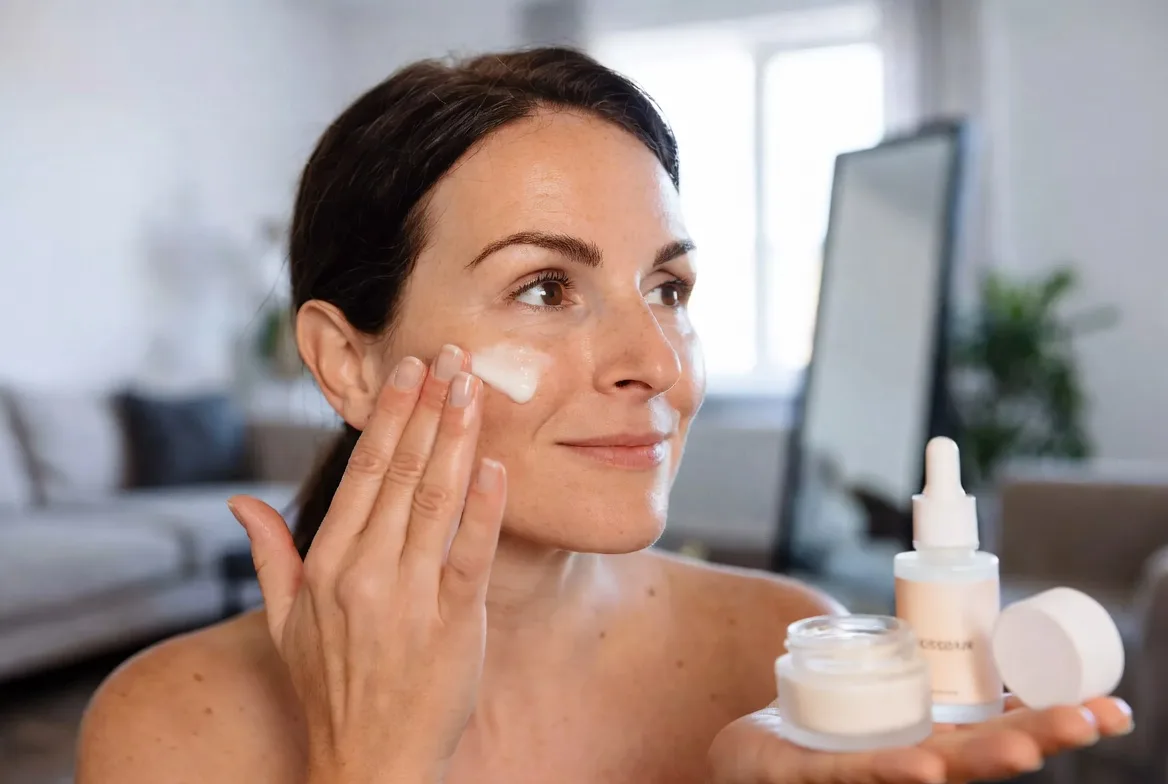
These are serums or ampoules containing exosome complexes. They are the most accessible option and can be used at home, though professional-grade formulas are typically applied in clinical settings for maximum effect.
2. Exosome Injections
Administered by a dermatologist or aesthetic practitioner, injected exosomes deliver a more concentrated dose directly into the dermis. Results tend to be more pronounced with this method.
3. Exosomes Combined with Microneedling
Creating micro-channels in the skin through microneedling and then applying an exosome serum immediately after is one of the most effective delivery methods currently used. The channels allow much deeper penetration of the exosomes.
What to Expect From Exosome Skin Treatment
Results are not instant. Most people notice improvement in skin texture and radiance within two to four weeks. Deeper concerns like firmness and hyperpigmentation typically take two to three months of consistent treatment.
Unlike some harsher procedures, exosome therapy involves minimal downtime. Topical applications cause no disruption. Post-injection, mild redness or swelling may last 24 to 48 hours.
The treatment is generally well-tolerated. Because exosomes are cell-signalling molecules rather than foreign substances introduced into the skin, allergic reactions are uncommon, though not impossible.
Is Exosome Skin Treatment Worth It
The science behind exosome therapy is genuinely promising. Peer-reviewed studies have shown measurable improvements in collagen density, skin hydration, and wound healing. It is not hype created by the beauty industry. Researchers in regenerative medicine have been studying exosomes for over a decade.
That said, the field is still evolving. Standardisation of exosome products is an ongoing challenge. Different formulas vary widely in concentration, source material, and quality. If you are considering a clinical treatment, choosing a certified practitioner and asking about the specific exosome product being used matters a lot.
For at-home products, look for transparent ingredient labelling and clinical backing. The word “exosome” on a label does not automatically mean the product contains therapeutic quantities.
Who Is a Good Candidate
Exosome skin treatment suits most adults looking for non-invasive skin rejuvenation. It works particularly well for:
- People in their 30s and 40s noticing early signs of aging
- Individuals with sensitive skin who cannot tolerate retinoids or acids
- Anyone recovering from a laser or chemical peel procedure
- People dealing with persistent inflammation or reactive skin
Those with active skin infections or certain autoimmune conditions should consult a dermatologist before undergoing any exosome procedure.
Frequently Asked Questions
1. What is exosome skin treatment and is it the same as stem cell therapy?
Exosome skin treatment uses the communication molecules released by stem cells, not the stem cells themselves. This makes it safer and more stable than direct stem cell therapies.
2. How often should I get exosome treatments?
For clinical treatments, most practitioners recommend a series of three to four sessions spaced two to four weeks apart, followed by maintenance every three to six months.
3. Can I use exosome serums with retinol or acids?
Yes, but introduce them carefully. During active skin barrier repair or post-procedure recovery, keep your routine simple. Once your skin is stable, layering exosome serums with other actives is generally safe.
4. Are exosome skin treatments regulated?
Regulation varies by country. In many markets, exosome products fall into a grey area between cosmetics and medical devices. Always purchase from reputable, clinically-backed brands.
5. How long do exosome treatment results last?
Topical results typically last as long as you continue using the product. Clinical treatment results can last six months to a year depending on the concern being addressed and lifestyle factors.
Conclusion
Exosome skin treatment is one of the more scientifically grounded advances in modern skincare. It is not a miracle, but the evidence for its ability to support cellular repair, reduce inflammation, and boost collagen production is solid. If your skin has plateaued with conventional products, this is a category worth exploring. Talk to a qualified dermatologist or aesthetic professional to find the right format for your skin goals.