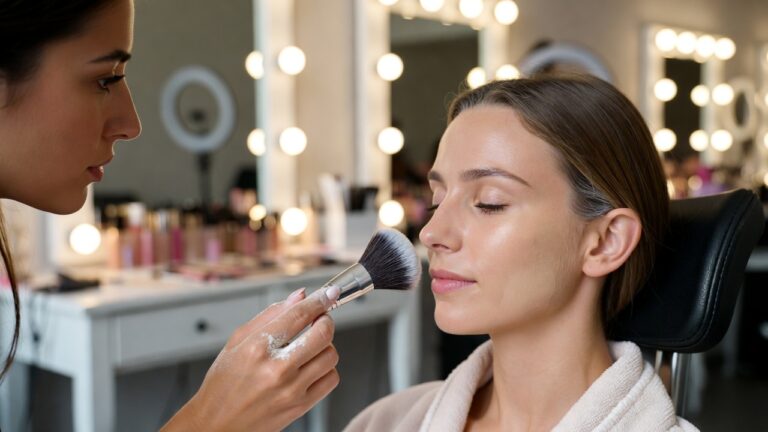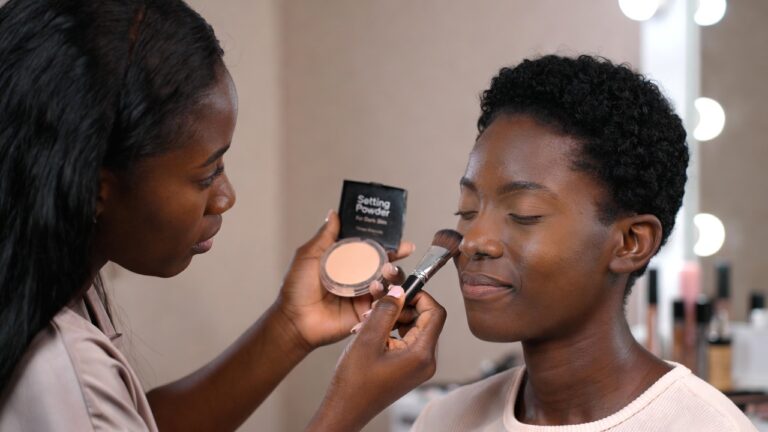
Dirty makeup brushes can harbor bacteria, clog pores, and affect your makeup application. Cleansing them regularly is essential for maintaining skin health and extending the lifespan of your brushes.
While store-bought cleansers work well, DIY makeup brush cleansing balms are an affordable, eco-friendly alternative. Let’s dive into how you can create these balms at home using simple ingredients.
Why Clean Makeup Brushes Regularly?
Makeup brushes come into contact with your skin, makeup products, and environmental particles daily. Over time, they collect dirt, oils, and bacteria. This buildup can lead to breakouts, uneven makeup application, and even skin infections. Regular cleaning ensures your brushes stay hygienic and perform at their best.
Benefits of DIY Makeup Brush Cleansing Balms
Making your own cleansing balm has numerous advantages:
- Cost-effective: Most DIY recipes use ingredients you already have at home.
- Customizable: You can tailor the formula to suit your preferences.
- Eco-friendly: Homemade balms reduce packaging waste.
- Gentle on brushes: Natural ingredients help preserve brush bristles.
Ingredients for a DIY Makeup Brush Cleansing Balm
Creating a cleansing balm doesn’t require fancy tools or hard-to-find ingredients. Here are some common components:
- Coconut oil: Dissolves makeup residue and conditions bristles.
- Castile soap: Removes dirt and bacteria without being harsh.
- Shea butter: Adds a moisturizing element to keep bristles soft.
- Essential oils: Tea tree or lavender oil provides antibacterial properties and a pleasant scent.
- Beeswax (optional): Helps solidify the balm for easy storage.
How to Make a DIY Makeup Brush Cleansing Balm
Follow these steps to create an effective cleansing balm at home:
1. Gather Your Ingredients
Measure out the following:
- 1/4 cup coconut oil
- 1/4 cup castile soap
- 2 tablespoons shea butter
- 5 drops tea tree or lavender essential oil
- 1 tablespoon beeswax (optional)
2. Melt the Oils and Wax
In a double boiler, melt the coconut oil, shea butter, and beeswax. Stir gently until fully liquefied.
3. Add Soap and Essential Oils
Remove the mixture from heat and stir in the castile soap and essential oils. Mix until well combined.
4. Transfer to a Container
Pour the balm into a clean, airtight container. Let it cool and solidify before use.
5. Label and Store
Label the container with the date and ingredients. Store in a cool, dry place to maintain its consistency.
How to Use a Makeup Brush Cleansing Balm
Using the balm is straightforward and effective:
- Dampen the Brush: Wet your makeup brush under lukewarm water, ensuring the bristles are facing downward to prevent water from entering the ferrule.
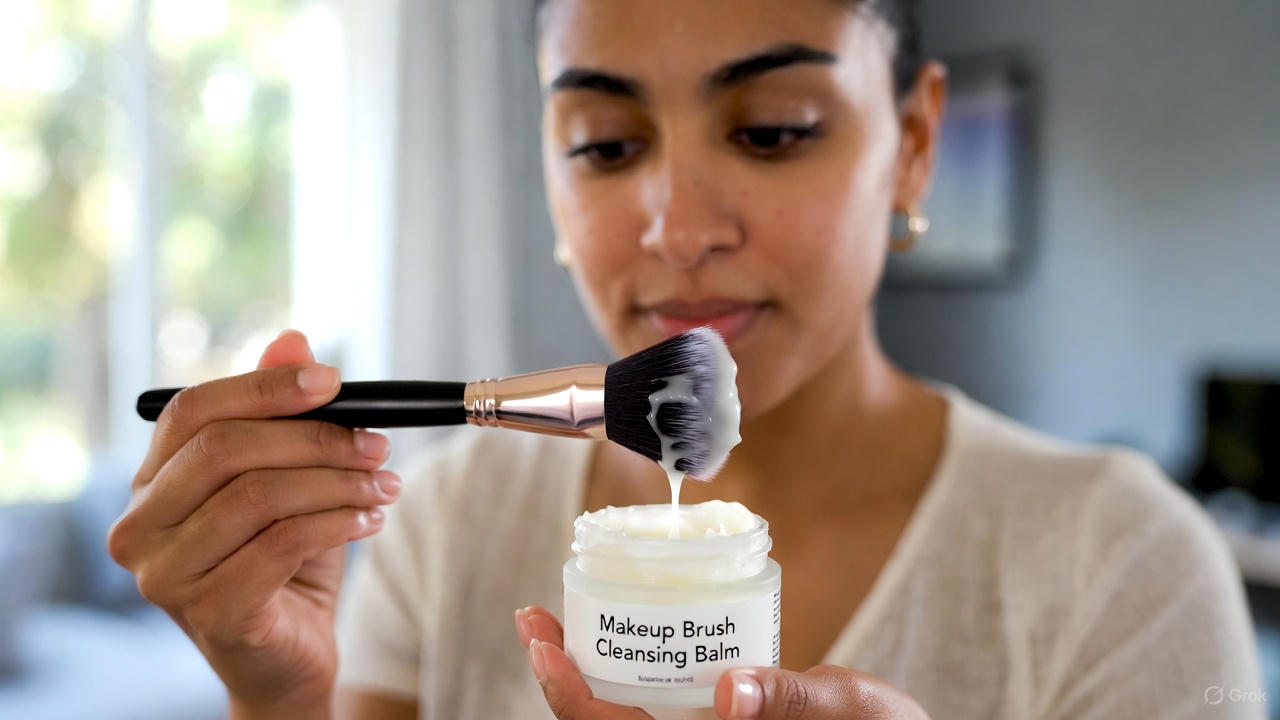
- Apply the Balm: Swirl the brush onto the balm’s surface to pick up a small amount.
- Lather and Clean: Massage the bristles in your palm or on a cleaning mat to create a lather. Focus on removing makeup residue and oils.
- Rinse Thoroughly: Rinse the brush under running water until all soap is removed.
- Reshape and Dry: Gently squeeze out excess water, reshape the bristles, and lay the brush flat to dry.
Tips for Maintaining Clean Brushes
- Clean your brushes weekly to prevent bacteria buildup.
- Avoid submerging the entire brush in water to protect the handle and glue.
- Use a dedicated cleaning mat for deeper cleaning.
- Air-dry brushes on a flat surface to maintain their shape.
Conclusion
DIY makeup brush cleansing balms are a simple, affordable way to keep your brushes clean and hygienic. With a few natural ingredients and a little effort, you can extend the life of your brushes while maintaining flawless makeup application. Give it a try and see the difference it makes for your beauty routine.
Frequently Asked Questions (FAQs)
1. How often should I clean my makeup brushes?
It’s recommended to clean your makeup brushes at least once a week to prevent bacteria buildup and maintain skin health.
2. Can I use olive oil instead of coconut oil?
Yes, olive oil can be used as an alternative to coconut oil. It effectively breaks down makeup residue and conditions bristles.
3. Is beeswax necessary for the cleansing balm?
No, beeswax is optional. It’s only needed if you want the balm to have a firmer consistency.
4. Can I store the cleansing balm in a plastic container?
Yes, a plastic container works fine, but ensure it is clean and airtight to preserve the balm’s freshness.
5. What should I do if my brushes feel greasy after cleaning?
Rinse the brushes thoroughly with warm water and a small amount of castile soap to remove any leftover balm residue.