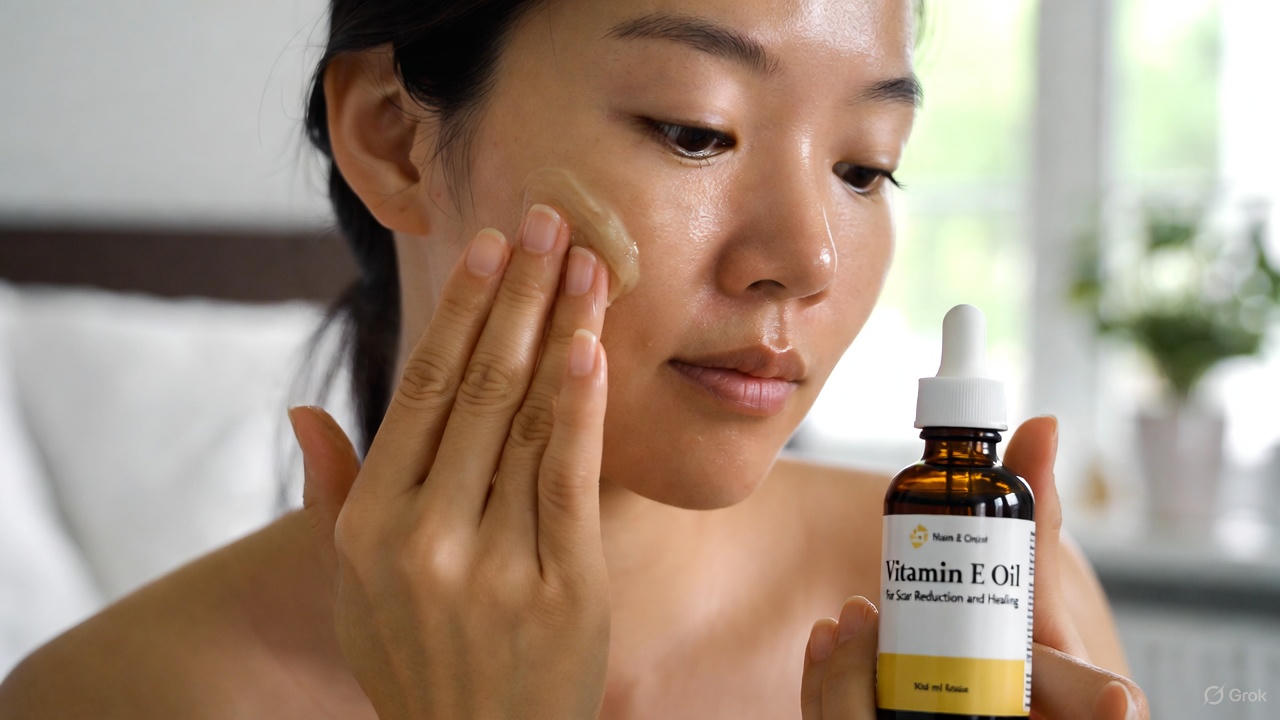
Vitamin E oil has one of the longest-running reputations in skincare for scar care, passed down through generations almost as a default remedy. Most of that reputation is earned, even if the oil works more gradually and less dramatically than the hype suggests. Understanding what it can and can’t do makes it far more useful in practice.
How Scars Actually Form
A scar is essentially the skin’s repair job after an injury, surgery, or breakout, made of collagen fibers laid down quickly rather than in the original, organized pattern. That hurried repair is why scarred skin often looks and feels different from the skin around it, sometimes raised, sometimes discolored, sometimes simply less flexible. The healing process itself can stretch on for months after the original wound has closed.
Anything that supports collagen quality and skin hydration during that window has a reasonable chance of influencing how the scar ultimately looks. That’s the opening vitamin E oil is working with.
What Makes Vitamin E Oil Effective for Scars?
Vitamin E oil is a powerful antioxidant that helps repair and protect the skin. It neutralizes free radicals, preventing further skin damage and encouraging cell renewal. Its moisturizing properties also keep the skin hydrated, which is essential for the healing process.
The oil penetrates deep into the skin’s layers, improving elasticity and reducing inflammation. These effects make vitamin E oil particularly effective for scars caused by injuries, surgeries, or acne.
Benefits of Using Vitamin E Oil for Scar Reduction and Healing
1. Accelerates Healing
Vitamin E oil supports the skin’s natural healing process by boosting collagen production. Collagen is a key protein responsible for skin strength and elasticity, which plays a crucial role in reducing scar visibility over time.
2. Reduces Scar Appearance
The antioxidants in vitamin E oil improve skin texture and tone. With consistent use, scars become less noticeable as the skin’s surface smooths out and discoloration fades.
3. Improves Skin Hydration
Well-hydrated skin heals more efficiently. Vitamin E oil locks in moisture, keeping the scar tissue soft and preventing it from becoming dry or cracked.
4. Minimizes Inflammation
Inflammation can worsen scar appearance, especially during the healing phase. Vitamin E oil’s anti-inflammatory properties calm irritated skin and promote a more even complexion.
5. Protects Against Environmental Damage
UV rays and pollutants can worsen scars and delay healing. Vitamin E oil creates a protective barrier, shielding the skin from harmful external factors.
How to Use Vitamin E Oil for Scars
Incorporating vitamin E oil into your routine is simple but requires consistency for optimal results. Follow these steps:
- Cleanse the Area: Wash the scarred area with a gentle cleanser and pat it dry.
- Apply the Oil: Massage a small amount of vitamin E oil directly onto the scar. Use circular motions to improve absorption.
- Leave it On: Allow the oil to sit on your skin for a few hours or overnight.
- Repeat Daily: For best results, apply the oil once or twice daily.
Tips for Maximum Effectiveness
- Perform a patch test before using vitamin E oil to avoid allergic reactions.
- Use pure vitamin E oil or products containing a high concentration of it.
- Combine vitamin E oil with other natural remedies like aloe vera or rosehip oil for added benefits.
Who Should Avoid Using Vitamin E Oil?
While vitamin E oil is safe for most people, it may not suit everyone. Avoid using it if you:
- Have very sensitive or oily skin, as it may cause breakouts.
- Are prone to allergies, as it can occasionally trigger skin irritation.
Consult a dermatologist if you’re unsure about its suitability for your skin type.
When to Hold Off
Fresh, open wounds are the clearest case where vitamin E oil should wait. Applying it before a wound has fully closed can trap bacteria or slow healing rather than help it, so patience in the early stages matters more than urgency. Very oily or breakout-prone skin is another situation where it’s worth caution, since the oil’s richness can occasionally trigger new blemishes in skin that’s already producing excess sebum.
Anyone with a history of skin allergies should run a patch test before applying it more broadly, just to rule out a reaction. If you’re treating a scar from a recent surgery or a particularly deep injury, checking with a dermatologist first is generally the safer route.
Setting Realistic Expectations
Most people start noticing visible changes somewhere between a few weeks and a few months of consistent use, not overnight. The degree of improvement also depends heavily on the type and severity of the scar, with newer, smaller scars typically responding better than old, deep ones. Vitamin E oil can meaningfully reduce a scar’s visibility, but it isn’t a tool that erases scarring completely.
That distinction matters because it shapes how people use it. Treated as a long-term, low-effort habit rather than a quick fix, it tends to deliver results that feel worth the patience.
Conclusion
Vitamin E oil is a versatile and effective remedy for reducing scars and promoting skin healing. Its antioxidant, hydrating, and anti-inflammatory properties make it a valuable addition to any skincare routine. With consistent use and proper application, vitamin E oil can help improve the appearance of scars and restore your skin’s natural beauty.
Frequently Asked Questions (FAQs)
1. How long does it take for vitamin E oil to show results on scars?
Results can vary, but most people notice improvements within a few weeks to months of consistent use. Patience is key.
2. Can vitamin E oil completely remove scars?
Vitamin E oil can significantly reduce the appearance of scars, but it may not completely erase them. The extent of improvement depends on the scar type and severity.
3. Is vitamin E oil safe to use on fresh scars?
It’s best to wait until the wound has fully healed before applying vitamin E oil. Using it on open wounds may delay healing or cause irritation.
4. Can I use vitamin E oil for acne scars?
Yes, vitamin E oil can help fade acne scars by improving skin texture and tone. However, it’s not suitable for active acne, as it may clog pores.
5. Are there any side effects of using vitamin E oil?
Some people may experience mild irritation or breakouts. Perform a patch test before regular use to ensure compatibility with your skin.