If you have acne-prone skin, sunscreen has probably betrayed you at least once. It is incredibly frustrating, especially when you know that sun protection is non-negotiable for preventing post-acne dark spots from becoming permanent. The best sunscreens for acne-prone skin feel like they should not exist, and yet here we are with an entire list of them.
The trick is knowing which formulas to look for and which ingredients to run from. Once you crack that code, daily SPF stops feeling like a punishment and starts feeling like the skincare step your skin actually enjoys. Let us get into it.
If You’re in a Hurry, Start Here
- EltaMD UV Clear Broad-Spectrum SPF 46 — The dermatologist pick for acne-prone skin, with niacinamide built right in to help calm inflammation.
- La Roche-Posay Anthelios Clear Skin SPF 60 — An oil-free, dry-finish formula that controls shine and protects without a hint of greasiness.
- Supergoop! Unseen Sunscreen SPF 40 — A clear gel that leaves zero residue, zero white cast, and zero pore-clogging ingredients.
The Best Sunscreens for Acne-Prone Skin, Ranked and Reviewed
1. EltaMD UV Clear Broad-Spectrum SPF 46
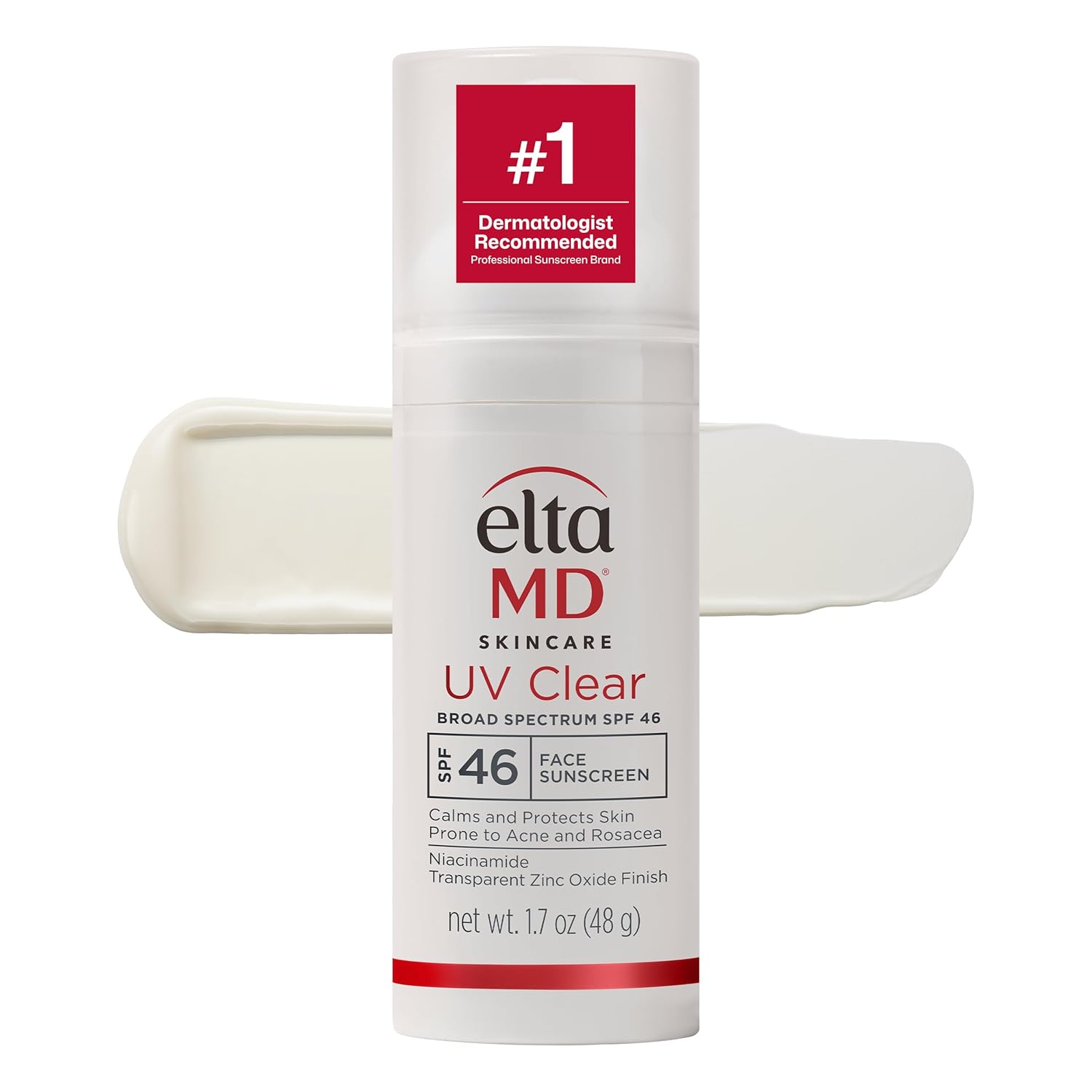
EltaMD UV Clear consistently tops dermatologists’ recommendation lists for acne-prone skin, and with good reason. The formula is built around zinc oxide as its mineral active ingredient, which provides broad-spectrum UV coverage while also being naturally anti-inflammatory and gentle on reactive skin.
The non-mineral star of this formula is niacinamide, a form of vitamin B3 that reduces redness, minimizes pore appearance, and helps regulate oil production. It is essentially doing sunscreen duty and breakout control at the same time.
The texture is lightweight and almost serum-like, which is a major departure from the thick, greasy sunscreens that traditionally dominated the market. It absorbs quickly, leaves a natural, non-shiny finish, and does not leave white cast in its untinted form. For most skin tones, the tinted version is the better choice since the light pigment gives a more uniform finish without adding any visible colour.
It is oil-free, non-comedogenic, and fragrance-free. Those three qualities together are the foundation of a good acne-safe sunscreen, and EltaMD checks all of them. If you are only going to try one sunscreen from this list, make it this one. It has earned its reputation through results, not just marketing.
What We Love
- Zinc oxide mineral protection that is also anti-inflammatory
- Niacinamide to calm redness and control oil production
- Lightweight, serum-like texture that absorbs quickly
- Oil-free, non-comedogenic, and fragrance-free
- Available in tinted and untinted versions
- Consistently recommended by dermatologists
Worth Knowing
- Price point is higher than drugstore alternatives
- Tinted version works best on light to medium skin tones
2. La Roche-Posay Anthelios Clear Skin SPF 60
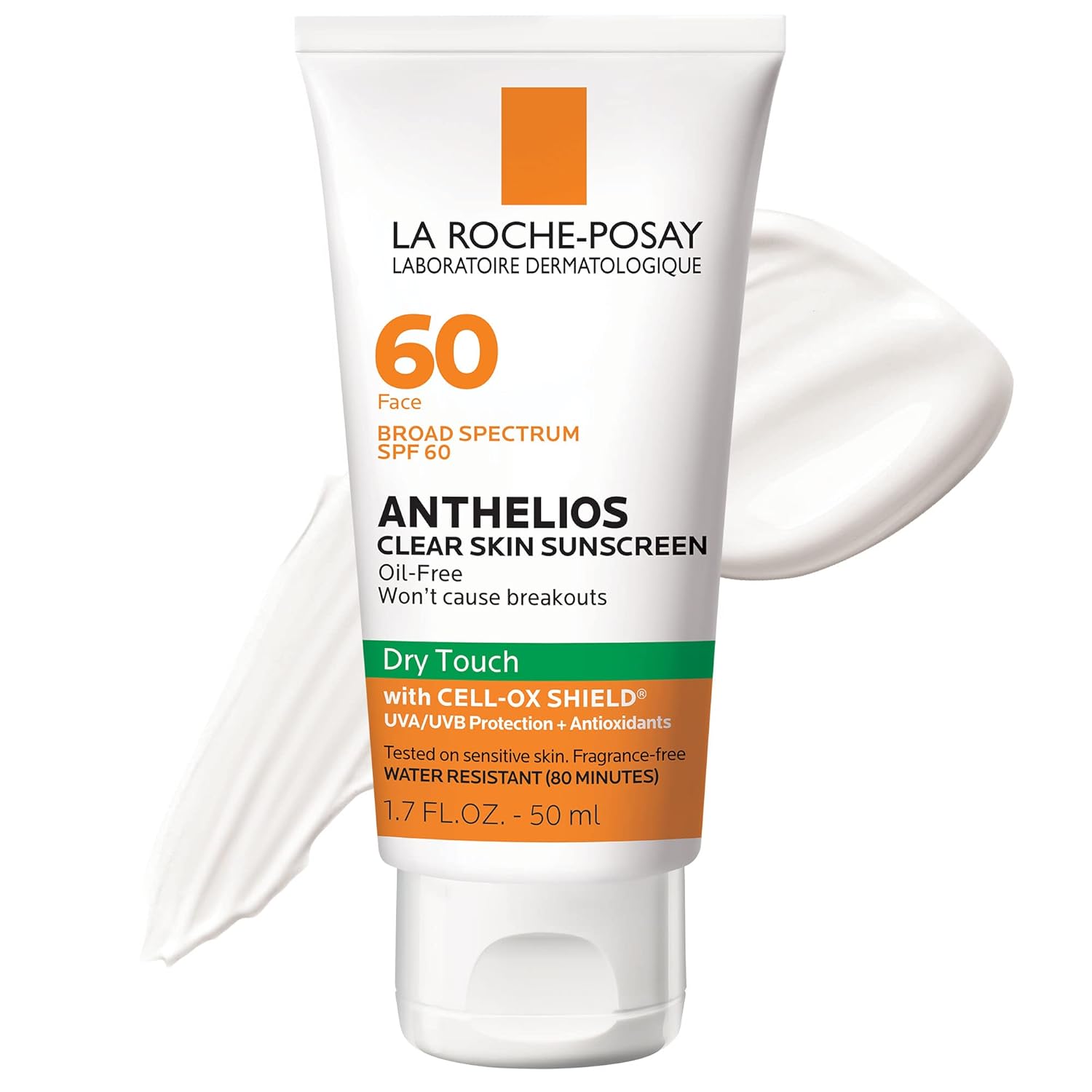
La Roche-Posay specifically designed Anthelios Clear Skin for oily and acne-prone skin, and you can tell from the moment you open the bottle that it takes that brief seriously.
The formula is oil-free and uses a dry finish technology that leaves skin looking genuinely matte, not that powdery, ghost-like matte that can make skin look flat and dull. It absorbs oil throughout the day, which makes it a good option for people who are constantly blotting by noon.
SPF 60 is one of the higher levels you will find in a face sunscreen, and the formula includes Mexoryl SX for superior UVA protection, which is particularly important for people managing post-acne hyperpigmentation.
UV exposure dramatically worsens dark spots and can make them essentially permanent if they are hit with enough sun. A high-SPF, strong-UVA formula is therefore not just a nice-to-have for acne-prone people; it is a core tool in managing long-term skin tone.
The consistency is a light lotion that spreads easily and leaves no white cast since it uses chemical filters. It plays well under makeup and does not cause the sliding or pilling issues that heavier formulas create. Fragrance-free and tested on sensitive skin, it is one of the most thoroughly acne-safe options at any price point.
What We Love
- Oil-free, dry matte finish that controls shine all day
- High SPF 60 with advanced UVA coverage via Mexoryl
- No white cast using a chemical filter system
- Fragrance-free and tested for sensitive skin
- Helps prevent worsening of post-acne dark spots
- Works seamlessly under makeup
Worth Knowing
- Chemical filter formula may not suit those committed to mineral-only products
- Very dry matte finish can feel tight on drier skin areas
3. Supergoop! Unseen Sunscreen SPF 40
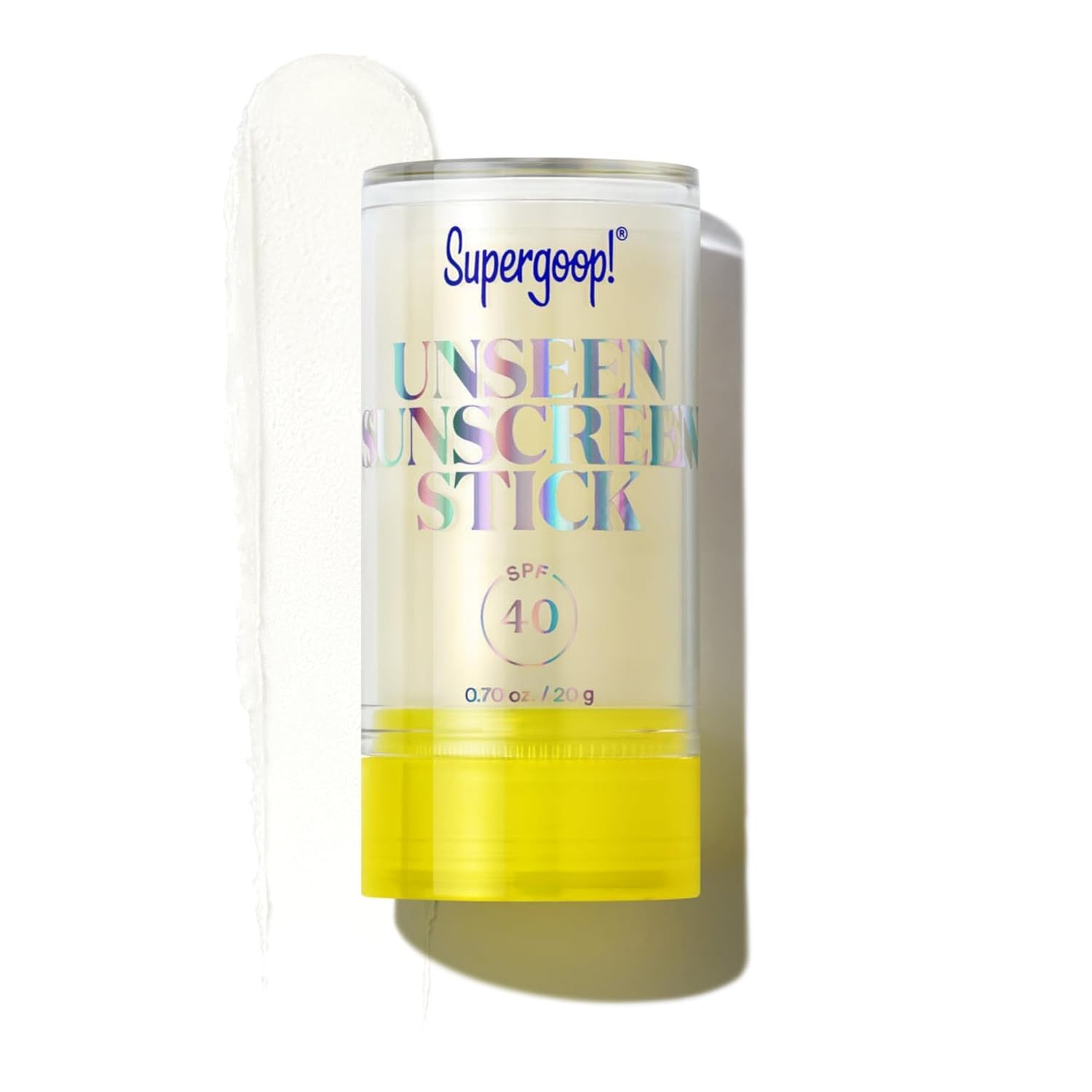
Supergoop! Unseen Sunscreen is the product that converted a lot of sunscreen skeptics into daily SPF wearers. Its gel formula applies completely clear, absorbs within seconds, and leaves skin looking as if you applied absolutely nothing. For acne-prone people who have had breakouts triggered by heavy SPF formulas, the invisible, feather-light experience of this one feels genuinely revelatory.
The formula uses chemical UV filters in a silicone-based gel that creates a smooth, slightly blurring effect on pores, which makes it popular as a makeup primer. It is non-comedogenic and free from fragrance and common pore-clogging ingredients.
The silicone base does occasionally get flagged in acne discussions online, and while silicones are not inherently pore-clogging, people who have reacted to silicone-heavy products before should patch test before committing.
For most acne-prone people, this formula causes zero issues and becomes the sunscreen they stop having to think about because it just works. SPF 40 is a solid daily protection level, the formula is reef-safe, and it pairs beautifully with any skincare routine without disrupting other products.
What We Love
- Completely invisible on application, zero white cast
- Ultra-lightweight formula that sits imperceptibly on skin
- Non-comedogenic and fragrance-free
- Doubles as a makeup primer with a pore-blurring effect
- SPF 40 broad-spectrum reef-safe coverage
Worth Knowing
- Silicone base can be a concern for some skin types; patch test recommended
- On the pricier end of the spectrum
- May feel slightly heavy in very hot and humid weather
4. Neutrogena Clear Face Sunscreen Lotion SPF 55
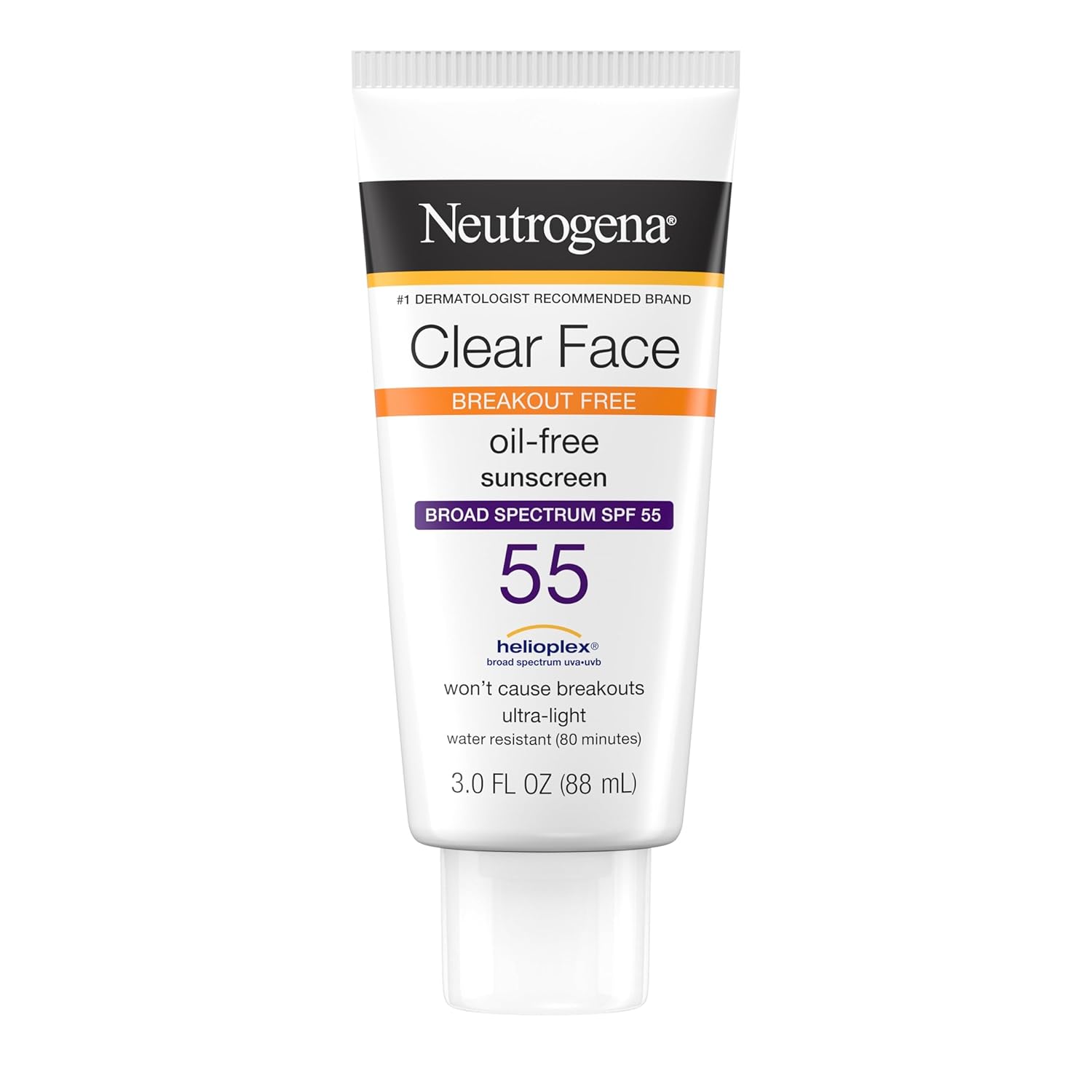
Neutrogena Clear Face is one of the most straightforwardly effective drugstore picks for acne-prone skin. It is oil-free, uses a chemical filter blend, and is specifically formulated to avoid clogging pores, which is the whole game when your skin is prone to breakouts.
The light lotion texture applies and absorbs without leaving any greasy residue, and the finish is clean and comfortable even on days when your skin decides to be extra oily.
SPF 55 gives you strong UVB protection for outdoor days, and the broad-spectrum designation means UVA is also covered. For the price, the level of protection is genuinely impressive. This is the kind of sunscreen that earns a permanent spot in your gym bag, beach bag, and glove compartment because you can buy it anywhere and it does not cost a fortune when you need to replace it.
The formula does not have the added skin-benefit ingredients like niacinamide or antioxidants that the higher-end options do. It is doing one job: protecting your skin from UV damage without causing breakouts. And it does that job reliably. For people who want to keep their skincare routine and their sun protection completely separate, this clean, uncomplicated approach is ideal.
What We Love
- Oil-free formula that does not clog pores
- SPF 55 with broad-spectrum coverage
- Light, non-greasy lotion texture
- Affordable and widely available
- Fragrance-free and non-comedogenic
Worth Knowing
- No additional skincare actives like niacinamide
- Basic formula compared to higher-end options
- Some users with very reactive skin may want a purer mineral option
5. Aveeno Positively Mineral Sensitive Skin Sunscreen SPF 50
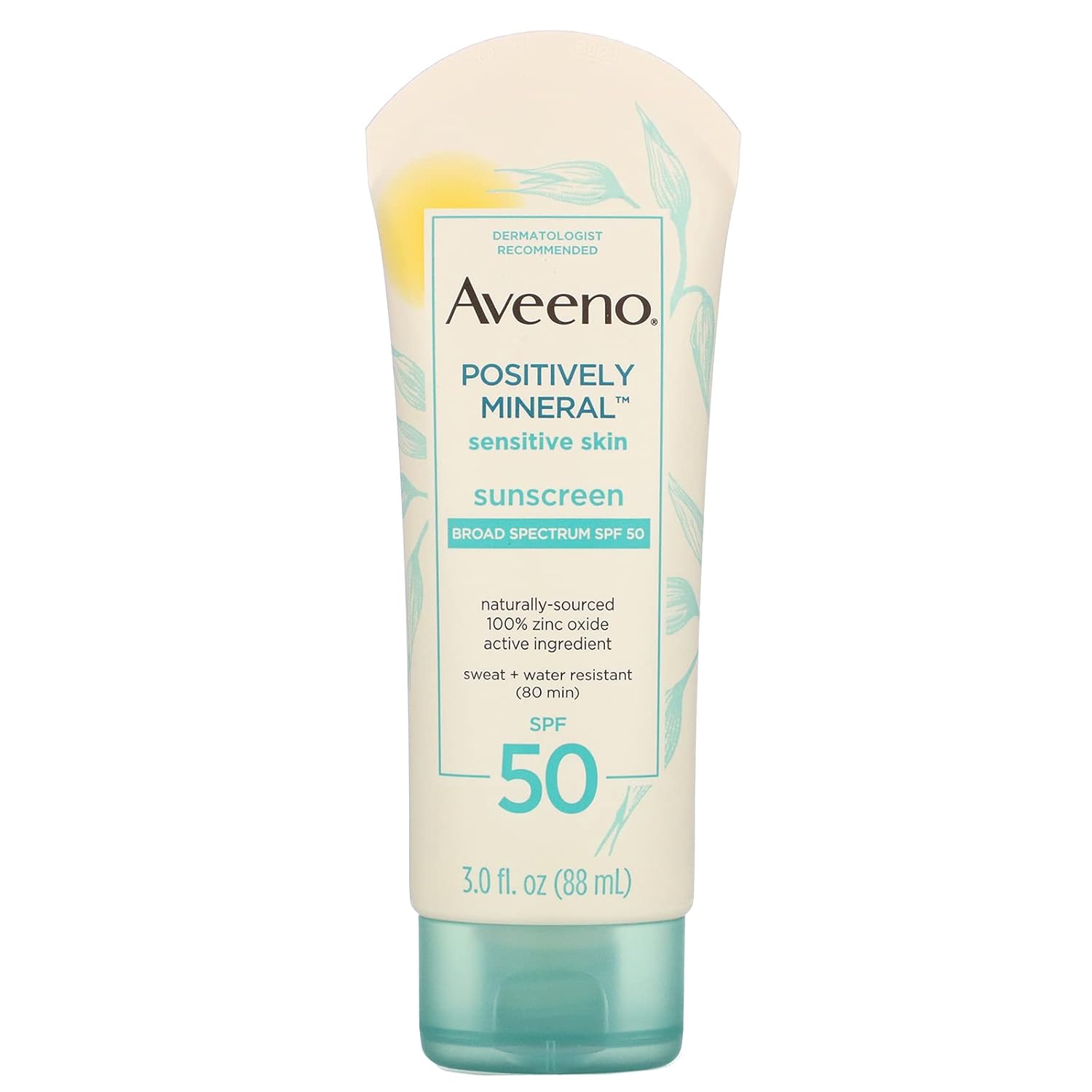
Aveeno Positively Mineral uses 100% zinc oxide as its active ingredient and packages it in a formula centred on Aveeno’s signature colloidal oatmeal, which is clinically proven to soothe irritated skin. For people whose acne is accompanied by general skin sensitivity or inflammation, the combination of calming oatmeal and non-irritating zinc oxide makes this a particularly thoughtful choice.
The texture is a soft, creamy lotion rather than a gel, which makes it easier to blend into larger areas but can feel slightly heavier than some other picks on this list. It leaves minimal white cast, is fragrance-free, and is hypoallergenic. The SPF 50 level is solid for extended outdoor use, and the formula is gentle enough to use on days when your skin is feeling particularly reactive or inflamed from a breakout.
Because it is a full mineral formula, some people with very oily skin may find it slightly too rich in texture for daily use. It is a better fit for people whose acne coexists with dryness or sensitivity rather than heavy oil production. Think of it as the nurturing, gentle choice rather than the oil-controlling one.
What We Love
- 100% zinc oxide with no chemical filters
- Colloidal oatmeal for active skin soothing
- Fragrance-free and hypoallergenic
- SPF 50 broad-spectrum protection
- Good for acne accompanied by sensitivity or dryness
Worth Knowing
- Creamy texture may feel too heavy for very oily skin
- Visible white cast on deeper skin tones
- Better suited to combination-dry than combination-oily skin
6. Cetaphil Pro Oil Absorbing Moisturizer SPF 30
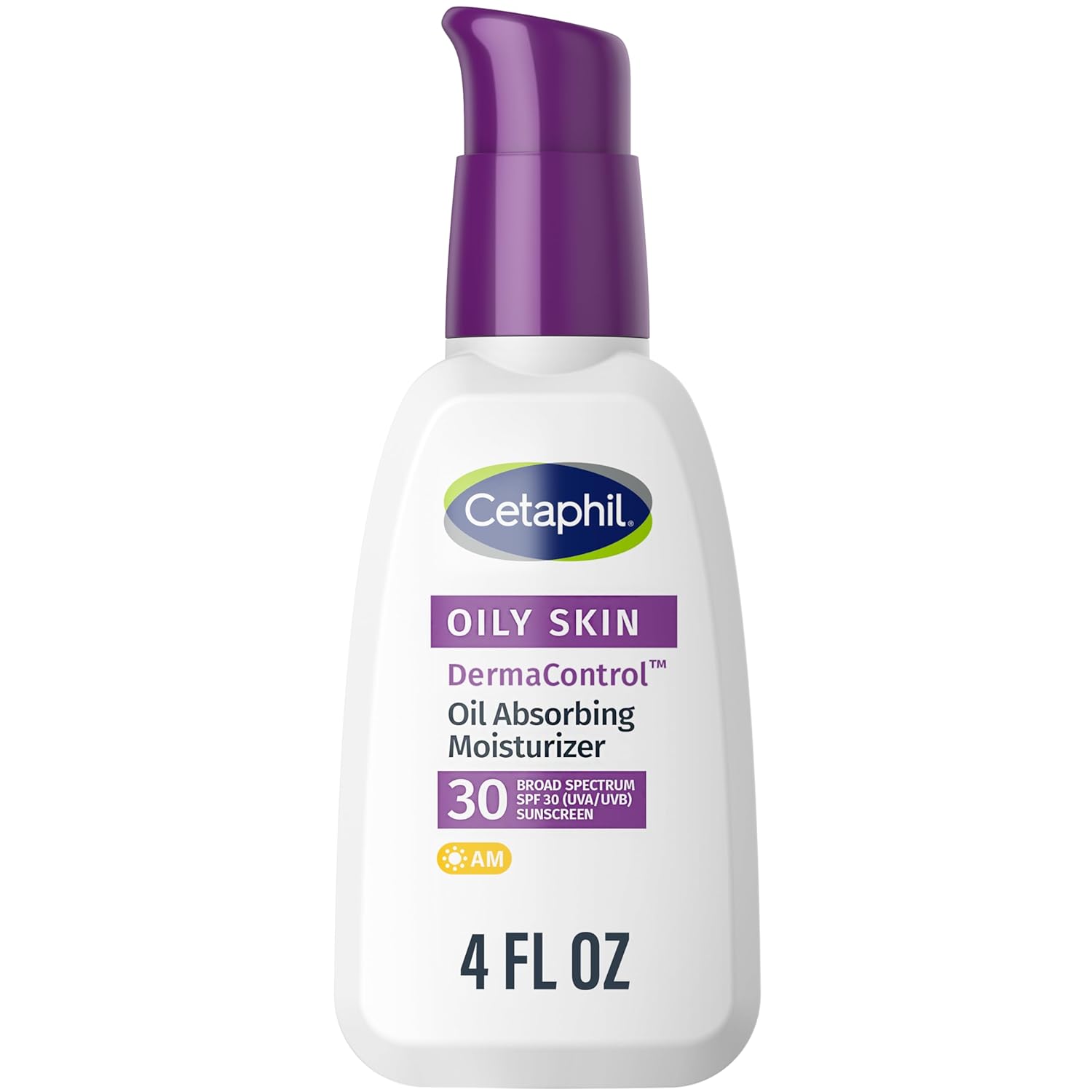
Cetaphil Pro Oil Absorbing Moisturizer is designed for people who need both hydration and oil control, which sounds like a contradiction but is exactly what combination and acne-prone skin demands.
The formula uses a microsphere technology that absorbs excess sebum throughout the day and releases it in a controlled way, which in theory means your skin stays balanced rather than going from dry in the morning to shiny by lunch.
It combines SPF 30 sun protection with moisturizing ingredients, making it a practical one-step product for busy mornings. The non-comedogenic, fragrance-free formula is gentle enough for daily use, and Cetaphil’s long-standing reputation for sensitive skin care gives it credibility in the acne-care space. The SPF 30 level is appropriate for most daily indoor-outdoor routines.
The oil-absorbing technology works noticeably for some users and less dramatically for others with very overactive sebaceous glands. For moderate oil production, this is a satisfying and convenient daily product. For skin that produces heavy oil throughout the day, you may find yourself reaching for a blotting paper regardless.
What We Love
- Oil-absorbing microsphere technology for balanced skin through the day
- SPF 30 broad-spectrum protection
- Non-comedogenic, fragrance-free, and dermatologist recommended
- Combines moisturizing and SPF in one step
- Gentle and appropriate for sensitive acne-prone skin
Worth Knowing
- SPF 30 may not be sufficient for high sun exposure days
- Oil absorbing effect is moderate, not dramatic
- Not a mineral formula for those who prefer zinc oxide only
7. Paula’s Choice CLEAR Ultra-Light Daily Hydrating Fluid SPF 30+
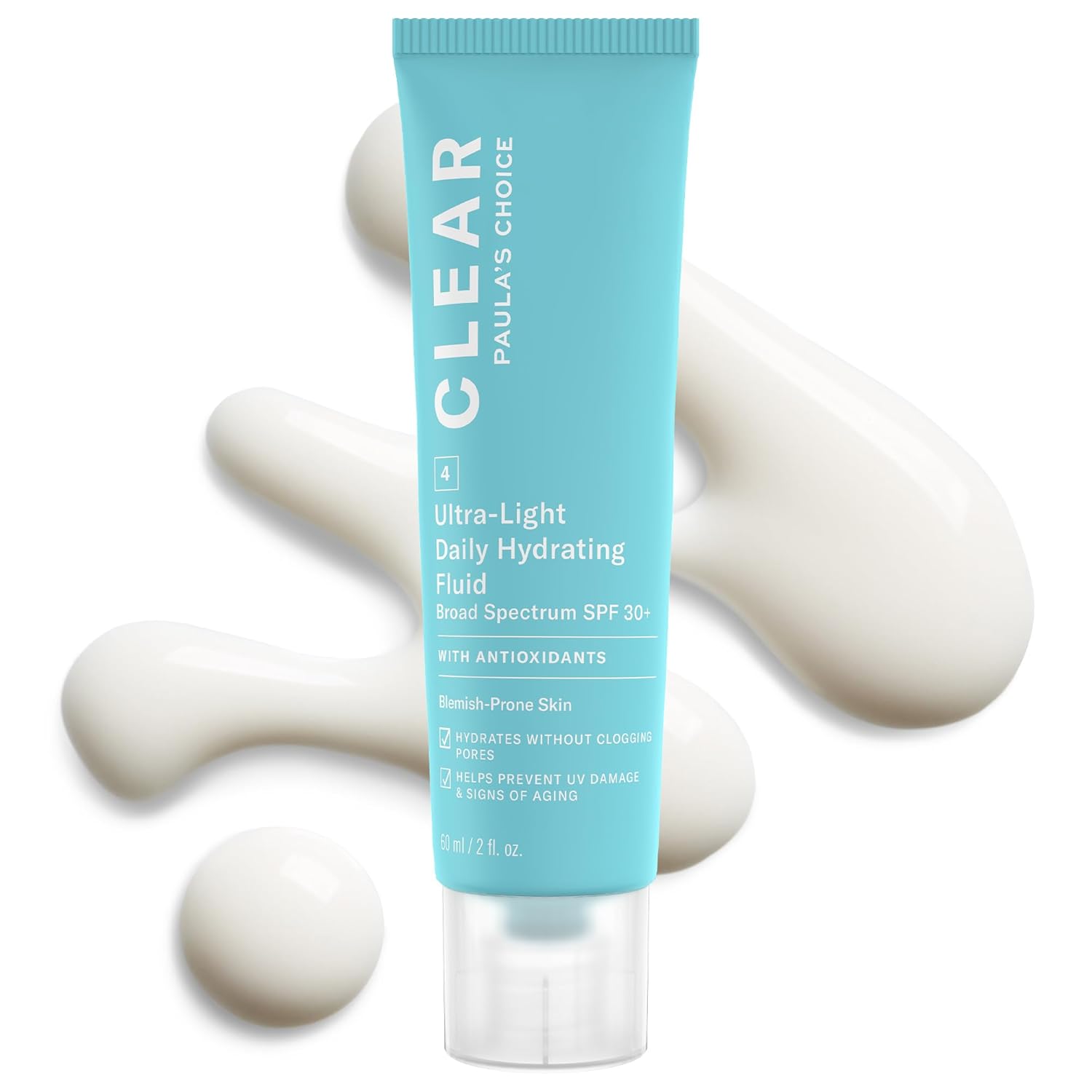
Paula’s Choice CLEAR line is specifically built for acne-prone skin, and the Daily Hydrating Fluid is the SPF entry point in that collection. It uses a silky, fluid texture that hydrates without adding oil and provides SPF 30+ broad-spectrum coverage with a completely transparent, weightless finish. It was formulated to work alongside actives like salicylic acid and benzoyl peroxide without causing irritation or interference.
What sets this apart is the brand’s ingredient philosophy. Paula’s Choice publishes detailed explanations of every ingredient they use and why, and they avoid anything with a known link to irritation or breakouts. The formula includes hyaluronic acid for hydration, antioxidants for environmental protection, and calming plant extracts, all packaged in a fragrance-free base that is kind to inflamed or reactive skin.
This is one of the better choices for people in active acne treatment who use prescription retinoids or acids and need a sunscreen that will not undermine the rest of their routine. At SPF 30+, it is best used for moderate sun exposure and supplemented with a stronger SPF for extended outdoor days.
What We Love
- Formulated specifically to work alongside acne treatment products
- Lightweight, hydrating fluid with zero white cast
- Contains hyaluronic acid and antioxidants
- Full ingredient transparency from the brand
- Fragrance-free and non-comedogenic
Worth Knowing
- SPF 30+ is the minimum for responsible daily coverage
- Higher price point than comparable drugstore options
- Better for routine indoor days than extended outdoor sun exposure
What Actually Matters When Choosing the Best Sunscreens for Acne-Prone Skin
1. Non-Comedogenic Is Not Just a Buzzword
Non-comedogenic means a formula has been tested to confirm it does not block pores, which is the most basic standard any acne-safe sunscreen should meet. Look for it on the label, but know that it is not a guarantee since everyone’s skin responds differently. Think of it as a necessary baseline rather than a complete assurance.
2. Oil-Free vs. Oil-Controlling
Oil-free means no added oils in the formula, which is generally what oily and acne-prone skin needs. Oil-controlling goes a step further with ingredients that actively absorb or regulate sebum production. If your skin gets visibly shiny throughout the day, look for formulas that specifically claim oil-control or mattifying properties rather than just oil-free.
3. Niacinamide as a Bonus Ingredient
Niacinamide is a multi-tasking ingredient that reduces redness, minimizes the appearance of pores, and helps regulate oil production. When it appears in an SPF formula, you are essentially getting two skin benefits in one step. It is not a must-have, but if you are choosing between two similar sunscreens, the one with niacinamide is doing more work for your skin.
4. Watch the Inactive Ingredients
A sunscreen can be non-comedogenic in its active ingredients but still cause breakouts because of what is in the inactive list. Common offenders include coconut oil, isopropyl myristate, algae extract, and certain waxes. Look these up individually if your skin is very reactive and you keep breaking out despite using non-comedogenic formulas.
5. Reapplication Matters More Than SPF Number
The best sunscreen for acne-prone skin is one you will actually reapply throughout the day. If your formula is too heavy or cosmetically unpleasant to reapply over makeup, you will not do it consistently. Consider a light SPF setting spray or powder SPF as a practical reapplication option that works over your skincare and makeup without disturbing anything.
Can Sunscreen Actually Make Acne Worse?
Yes, some sunscreens absolutely can make acne worse, and it is a legitimate concern rather than an excuse to skip SPF. The most common reasons are heavy, occlusive ingredients that physically block pores, fragrances that trigger inflammation, and chemical filters that some people are sensitive to. The irony is that skipping sunscreen is even worse for acne-prone skin because UV exposure darkens post-acne marks and makes them linger for months longer than they would with protection.
Here is how to know if your sunscreen is contributing to breakouts:
- Breakouts appear in the same areas where you apply sunscreen most heavily
- New breakouts appear within one to two weeks of starting a new sunscreen
- Skin feels congested or bumpy even when diet, hormones, and stress levels have not changed
- Switching to a different sunscreen clears things up relatively quickly
If your sunscreen is causing breakouts, the answer is not to stop wearing SPF. It is to find a formula that agrees with your skin, which is exactly what this list is designed to help you do.
So, Which One Should You Go With?
Start with EltaMD UV Clear if budget allows. It is the most consistently loved option across dermatology offices and acne-prone skincare communities, and the niacinamide addition makes it genuinely therapeutic rather than just protective. If you want something that controls shine without any white cast and prefer a drugstore price, La Roche-Posay Anthelios Clear Skin is the next best move.
For those using active acne treatments or who have reactive skin that seems to dislike everything, try the Paula’s Choice CLEAR fluid or Aveeno Positively Mineral for their exceptionally gentle, targeted formulas. Whichever you choose, wearing it every single day is more important than finding the theoretically perfect formula. Consistency beats perfection every time.
Your Questions, Answered
1. Should people with acne use mineral or chemical sunscreen?
Either can work, but mineral sunscreens with zinc oxide are naturally anti-inflammatory and are often recommended first because zinc oxide has known skin-calming properties. That said, some people with oily skin find mineral formulas too thick or heavy, and chemical sunscreens like the La Roche-Posay formula work perfectly well for them.
2. Can I use sunscreen over my acne medication?
Yes, and you absolutely should. Apply your topical acne treatments, let them absorb, then apply sunscreen as the final step in your morning routine. Some acne medications like retinoids and benzoyl peroxide increase photosensitivity, which actually makes SPF even more important on treatment days.
3. Why do I break out from sunscreen on my forehead but not my cheeks?
Different facial zones have different pore sizes and oil production levels. The forehead and T-zone tend to be oilier and more breakout-prone. If a sunscreen is clogging pores, it usually shows up in the oiliest areas first. Try applying less product to oily zones or using a gel-based formula that is less occlusive.
4. Does SPF prevent post-acne marks from getting darker?
Yes, significantly. UV radiation stimulates melanin production, which darkens existing hyperpigmentation. Consistent daily SPF use is one of the most effective tools for preventing post-acne marks from worsening and for allowing existing ones to fade faster. It is not optional if you are managing pigmentation.
5. How do I reapply sunscreen over makeup during the day?
SPF setting sprays and SPF powder products are your best options for reapplication over makeup. Apply them every two hours in direct sun exposure. They are not as protective as a fresh full application, but they are significantly better than no reapplication at all.
6. Is zinc oxide good for acne?
Yes. Zinc oxide has mild anti-bacterial and anti-inflammatory properties, which makes it genuinely helpful for acne-prone skin rather than just neutral. It is one of the reasons mineral sunscreens with zinc oxide tend to be the go-to recommendation for acne-prone and sensitive skin types.
7. Why does my oily skin look even shinier after applying sunscreen?
Most moisturizing or lotion-based sunscreens have ingredients that reflect light, which can amplify the appearance of shine on already-oily skin. Switch to an oil-free, matte-finish formula and apply a small amount of oil-free primer or blotting powder afterward to counteract shine without compromising SPF protection.