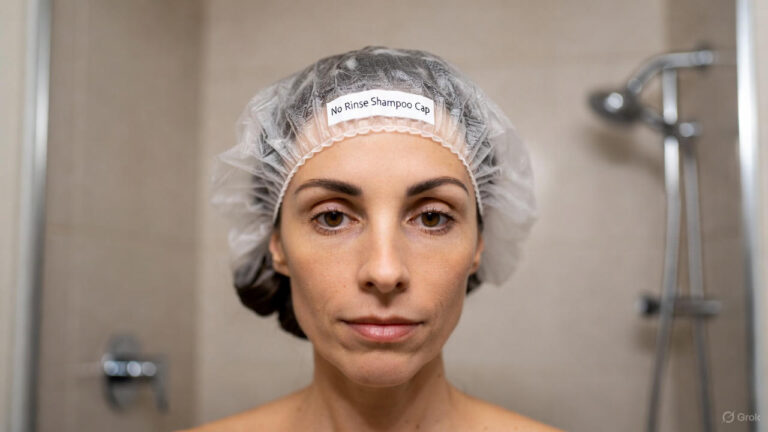
Your natural hair deserves protection while you sleep. Without the right bonnet, you wake up to frizz, breakage, and flattened curls that need complete restyling.
Silk bonnets create a smooth barrier between your hair and cotton pillowcases that absorb moisture and cause friction. The best silk bonnets for natural hair stay put all night, accommodate various hair volumes, and actually preserve your styles.
Let me show you options that work.
Top Silk Bonnets Worth Buying
- Best Overall: YANIBEST Satin Bonnet
- Best for Large Hair: Grace Eleyae Slap Satin Bonnet
- Best Budget Pick: Evolve Satin Bonnet
Product Reviews
1. YANIBEST Satin Bonnet
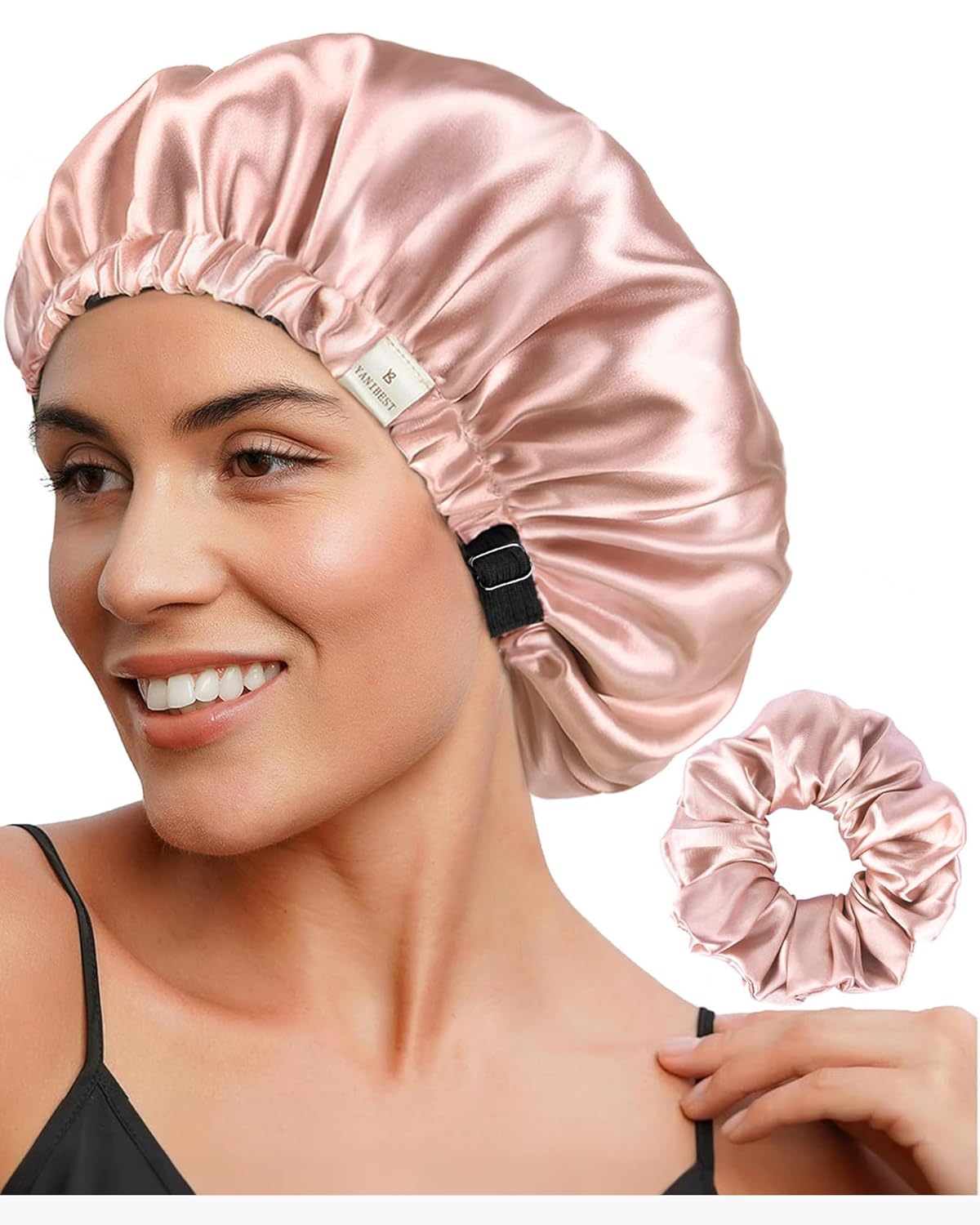
This double-layered bonnet uses premium satin that feels silky against your hair and skin. The elastic band is wide and adjustable, preventing that tight headache feeling while keeping the bonnet secure all night.
The size accommodates everything from twist-outs to high puffs without flattening your style. The double layer adds durability and ensures the bonnet won’t rip after a few washes.
What sets this apart is the thoughtful construction. The seams are reinforced and the elastic maintains its stretch even after months of use. You’re not constantly replacing stretched-out bonnets.
The bonnet comes in multiple colors and patterns, letting you choose something that matches your style. It’s machine washable and maintains its softness through countless wash cycles.
Pros:
- Double-layered for durability
- Wide, adjustable elastic band
- Accommodates high volume styles
- Machine washable
- Stays on all night
- Multiple color options
Cons:
- Slightly bulkier than single-layer options
2. Grace Eleyae Slap Satin Bonnet
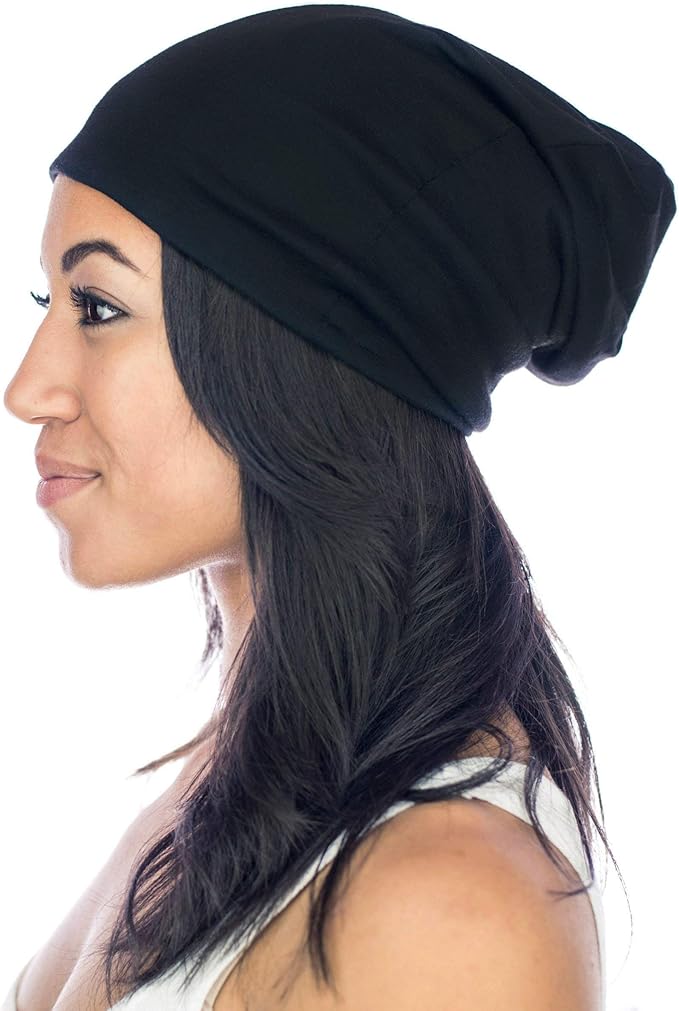
Grace Eleyae designed this specifically for protective styling and high-volume natural hair. The slap cap design wraps your hair completely and stays put without any ties or adjustments needed.
The satin is charmeuse quality, which means it’s smoother and more luxurious than standard polyester satin. Your hair glides against it rather than catching or snagging.
The elastic band is wide and comfortable, distributing pressure evenly rather than creating a tight line across your forehead. You can wear this comfortably even if you’re sensitive to headbands or tight accessories.
Pros:
- Designed specifically for natural hair
- Charmeuse satin quality
- No ties or adjustments needed
- Wide, comfortable band
- Holds large volume styles
- Created by a Black-owned brand
Cons:
- Higher price point
3. Evolve Satin Bonnet
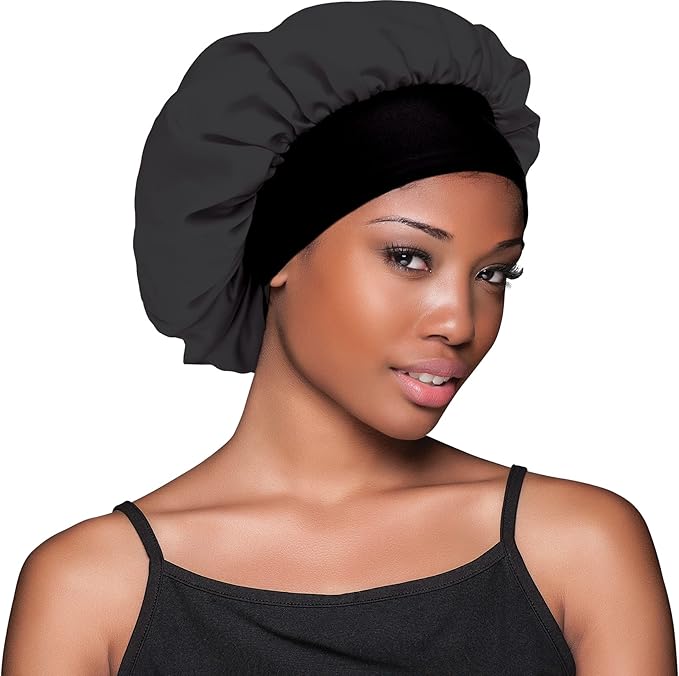
This affordable option proves you don’t need to spend a lot for quality protection. The satin is smooth and doesn’t snag on textured hair, and the bonnet is generously sized for various hair types.
The elastic is stretchy enough to accommodate different head sizes but strong enough to keep the bonnet in place. It doesn’t slide off during sleep, which is the main complaint with cheaper bonnets.
The construction is simple but effective. There are no unnecessary embellishments or decorations that could catch on your hair. It’s just quality satin and good elastic doing their job.
Pros:
- Budget-friendly price
- Smooth satin material
- Generous sizing
- Stays on throughout the night
- Simple, effective design
- Easy to find replacements
Cons:
- Elastic may loosen faster than premium options
4. Kitsch Satin Sleep Cap
Kitsch created this bonnet with a focus on maintaining hairstyles overnight. The adjustable tie allows you to customize the fit perfectly, and the smooth satin prevents friction that causes frizz and breakage.
The bonnet is large enough to fit braids, twists, and voluminous curls without compression. The tie closure gives you more control over tightness than elastic-only options.
What’s particularly nice is the attention to edges and baby hairs. The bonnet covers your entire hairline without being so tight that it causes tension. Your edges stay protected and smooth.
Pros:
- Adjustable tie for custom fit
- Large capacity for protective styles
- Protects edges and baby hairs
- Smooth satin prevents frizz
- Affordable price point
- Available in multiple colors
Cons:
- Tie can come undone during active sleep
5. LilySilk Silk Bonnet
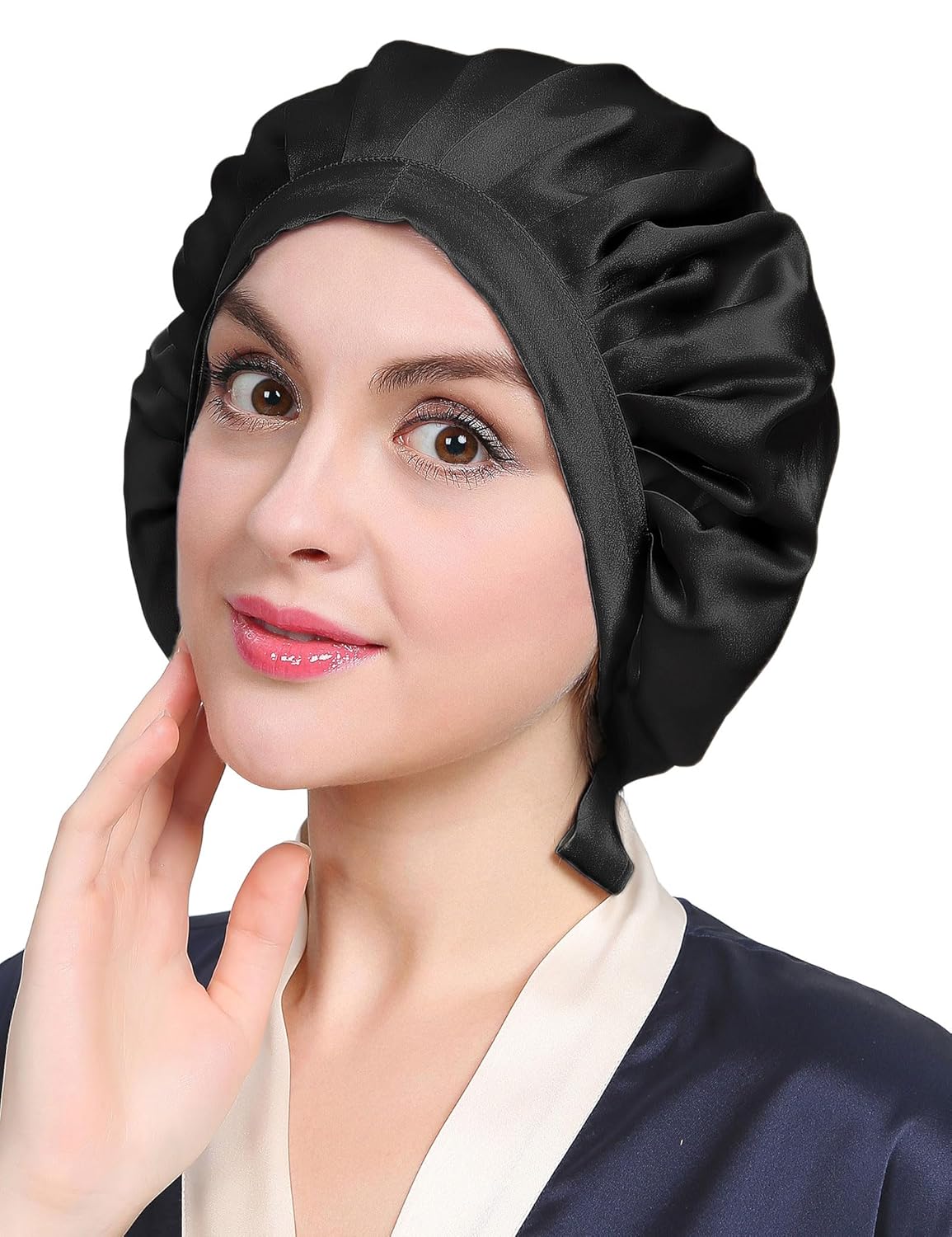
This bonnet uses 100% mulberry silk rather than satin, which is the highest quality option available. Real silk offers superior smoothness and breathability compared to synthetic materials.
The silk naturally regulates temperature, keeping you cool in summer and comfortable in winter. It’s also naturally hypoallergenic, which matters if you have sensitive skin or scalp.
The construction is luxurious throughout. The elastic is silk-covered for comfort, and the seams are expertly finished. This is a bonnet that feels premium from the moment you put it on.
Pros:
- 100% mulberry silk construction
- Temperature regulating
- Hypoallergenic properties
- Silk-covered elastic
- Superior smoothness
- Breathable fabric
Cons:
- Requires hand washing for longevity
- Premium pricing
Buying Guide
1. Satin vs Silk Material
Understanding the difference between satin and silk helps you choose wisely. Silk is a natural fiber from silkworms, offering the smoothest surface and best moisture retention properties.
Satin is a weave type that can be made from silk or synthetic fibers like polyester. Most affordable bonnets use polyester satin, which still provides good protection at a fraction of silk’s cost.
Both materials reduce friction and prevent moisture loss better than cotton. Real silk offers slightly better benefits but requires more careful washing and costs significantly more.
2. Size and Fit Considerations
The best silk bonnets for natural hair need adequate space for your specific hairstyles. Bonnets that are too small compress curls and protective styles, defeating the purpose of wearing one.
Look for bonnets described as large or extra-large if you wear high puffs, chunky twists, or voluminous curls. The elastic should be adjustable or stretchy enough to accommodate your hair without cutting into your forehead.
A proper fit stays on all night without being uncomfortably tight. Test the elastic by pulling it gently before purchasing if possible.
3. Elastic Band Quality
The elastic band determines whether your bonnet stays put or ends up on the floor by morning. Wide elastic bands distribute pressure more comfortably than thin ones.
Covered elastic feels better against skin and won’t leave harsh marks on your forehead. The elastic should maintain its stretch through regular washing and wear.
Adjustable ties or bands give you more control over fit than fixed elastic. Some people prefer this customization, while others find ties annoying during sleep.
4. Construction and Durability
Quality construction means your bonnet lasts through daily use and regular washing. Check seam reinforcement and overall stitching quality.
Double-layered bonnets typically last longer than single-layer options. They resist tearing and maintain their shape better over time.
The elastic attachment point is a common failure spot. Look for bonnets with reinforced elastic attachments that won’t rip away from the fabric.
5. Care and Maintenance
Proper care extends your bonnet’s life significantly. Most satin bonnets are machine washable on gentle cycles, but real silk requires hand washing.
Air drying preserves elastic and fabric better than machine drying. Avoid high heat which can damage synthetic satin or shrink elastic.
Having two or three bonnets in rotation lets you wash them regularly without running out. Clean bonnets protect your hair better and last longer.
6. Special Features Worth Considering
Some bonnets include extra features that add value. Reversible designs give you color variety without buying multiple bonnets.
Wide bands offer extra comfort and style options. Some people prefer the aesthetic of a wider band that’s visible at the hairline.
Adjustable designs let you customize fit perfectly. This matters especially if you have a smaller or larger head than average.
How Silk Bonnets Protect Natural Hair
Cotton pillowcases absorb moisture from your hair throughout the night. This dehydration leads to dryness, brittleness, and breakage over time.
Silk and satin create a smooth, non-absorbent surface. Your hair retains its natural oils and any products you applied, maximizing moisture retention.
The smooth surface also prevents friction that causes frizz and tangles. Your hair cuticles lie flat instead of being roughed up by cotton fibers.
For protective styles like braids and twists, bonnets prevent the frizzing that happens from rubbing against pillowcases. Your styles last longer and look fresher.
Bonnets protect your edges and baby hairs from the friction that can lead to thinning. This is especially important if you’re growing out damaged edges.
Common Bonnet Mistakes to Avoid
Buying bonnets that are too small compresses your hair and defeats the protective purpose. Always size up if you’re between sizes or have high-volume styles.
Not washing your bonnet regularly allows product buildup and oils to accumulate. This defeats the protective purpose and can transfer dirt back to your clean hair.
Wearing bonnets too tight causes tension headaches and can damage your hairline. The bonnet should feel secure but comfortable, not painful.
Skipping the bonnet on lazy nights undoes the protective benefits you’ve built up. Consistency is key to seeing real improvements in hair health.
Using worn-out bonnets with stretched elastic or torn fabric doesn’t protect your hair effectively. Replace bonnets when they show significant wear.
Conclusion
The best silk bonnets for natural hair transform your hair care routine by protecting your investment in healthy hair. Whether you choose premium silk or affordable satin, the key is finding one that fits well and stays on all night.
Start with a quality bonnet that accommodates your typical hairstyles. Make wearing it part of your nightly routine until it becomes automatic. Your hair will reward you with better moisture retention, less breakage, and styles that last longer between wash days.
Frequently Asked Questions
1. Do silk bonnets really make a difference for natural hair?
Yes, they make a significant difference in hair health and moisture retention. Cotton pillowcases absorb up to 30% of your hair’s moisture overnight, leading to dryness and breakage.
Silk and satin bonnets keep moisture and products in your hair where they belong. Most people notice softer, more moisturized hair within a week of consistent bonnet use.
The reduction in friction also means less frizz and longer-lasting styles. You’ll spend less time restyling your hair each morning.
2. What’s better for natural hair: silk or satin bonnets?
Real silk offers slightly better moisture retention and is naturally hypoallergenic and temperature regulating. However, quality satin bonnets provide excellent protection at a much lower price.
For most people, a well-made satin bonnet delivers the benefits needed to protect natural hair. The difference between good satin and silk is minimal compared to the difference between either material and cotton.
If budget allows and you prefer natural fibers, silk is worth the investment. Otherwise, quality satin bonnets work wonderfully for protecting natural hair.
3. How do I keep my bonnet from falling off at night?
Choose a bonnet with a properly sized elastic band that’s snug but not painfully tight. The elastic should sit comfortably on your forehead without slipping up.
Adjustable ties give you more control over fit than elastic-only designs. Some people find that tying the bonnet in place keeps it more secure.
Double-check that you’re buying the right size for your hair volume. Bonnets that are too large slip off easily, while too-small bonnets pop off from pressure.
4. How often should I wash my silk bonnet?
Wash your bonnet weekly or after about seven uses to remove product buildup and oils. Clean bonnets protect your hair better and won’t transfer dirt back to your hair.
Most satin bonnets are machine washable on gentle cycles. Real silk bonnets require hand washing to preserve the delicate fibers.
Having multiple bonnets in rotation makes regular washing easier. You’ll always have a clean bonnet ready while others are being washed.
5. Can I wear a silk bonnet with wet hair?
It’s better to let your hair dry mostly before covering it with a bonnet. Wearing a bonnet on very wet hair can trap too much moisture and potentially encourage bacterial growth.
If you must cover damp hair, choose a bonnet made from breathable materials. Ensure your hair is at least 70-80% dry first.
For wet styling methods, use a different technique like plopping with a t-shirt first. Switch to your bonnet once hair is mostly dry.
6. Will a bonnet flatten my curls?
The right bonnet won’t flatten your curls if it’s properly sized. Choose large or extra-large bonnets that accommodate your hair volume without compressing it.
The pineapple method works well with bonnets: gather hair loosely at the top of your head before putting on the bonnet. This preserves volume and curl definition.
Some flattening at the back is normal, but a properly sized bonnet minimizes this. You can refresh flattened areas with a little water and finger-coiling in the morning.
7. Are silk bonnets worth it for protective styles?
Absolutely. Bonnets extend the life of protective styles like braids, twists, and faux locs by preventing frizzing from pillow friction.
Your styles stay neater longer, which means you get more time between reinstalls. This saves both time and money on salon visits.
Bonnets also protect your edges while in protective styles. The smooth material prevents the tension and friction that can thin edges over time.