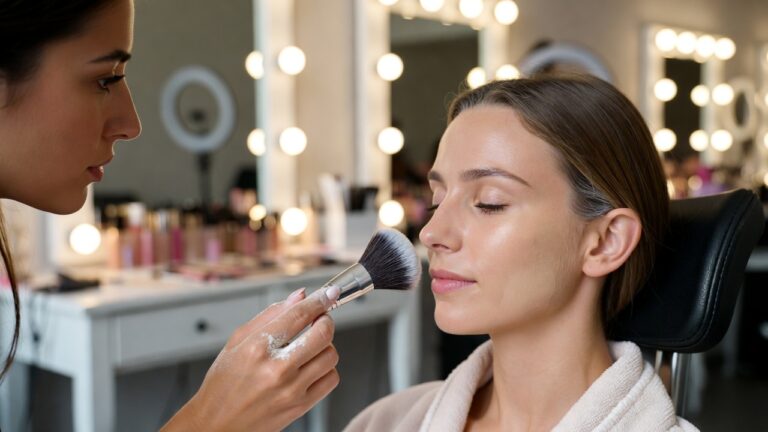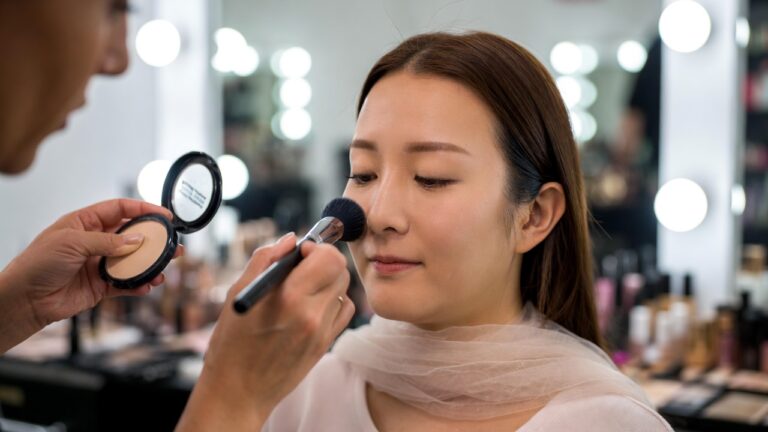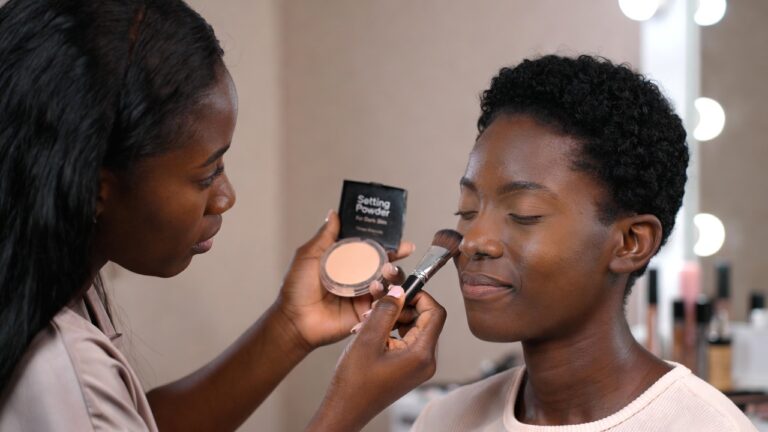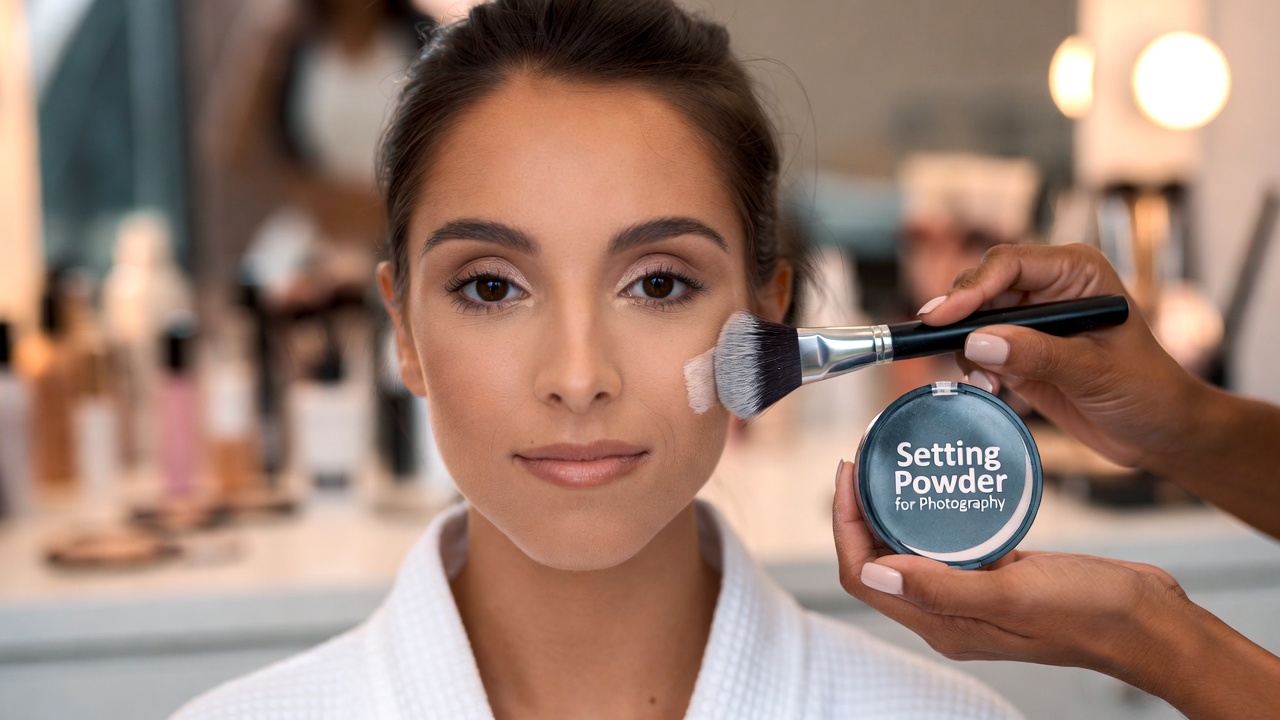
Ever taken a photo you loved… until you zoomed in? Suddenly your face looks shiny, textured, or a little too real. Yeah, that moment. The right setting powder can change everything.
The best setting powders for photography do more than keep makeup in place. They smooth texture, cut shine, soften fine lines, plus make your skin look calm and even under harsh lights and high-resolution cameras. Not all powders can do that, though. Some look great in person but betray you the second a flash pops.
Top 3 Setting Powders for Photography
- Best Overall: Laura Mercier Translucent Loose Setting Powder
- Best for Oily Skin: RCMA No-Color Powder
- Best for Dry Skin: Hourglass Veil Translucent Setting Powder
Best Setting Powders for Photography Reviewed
1. Laura Mercier Translucent Loose Setting Powder
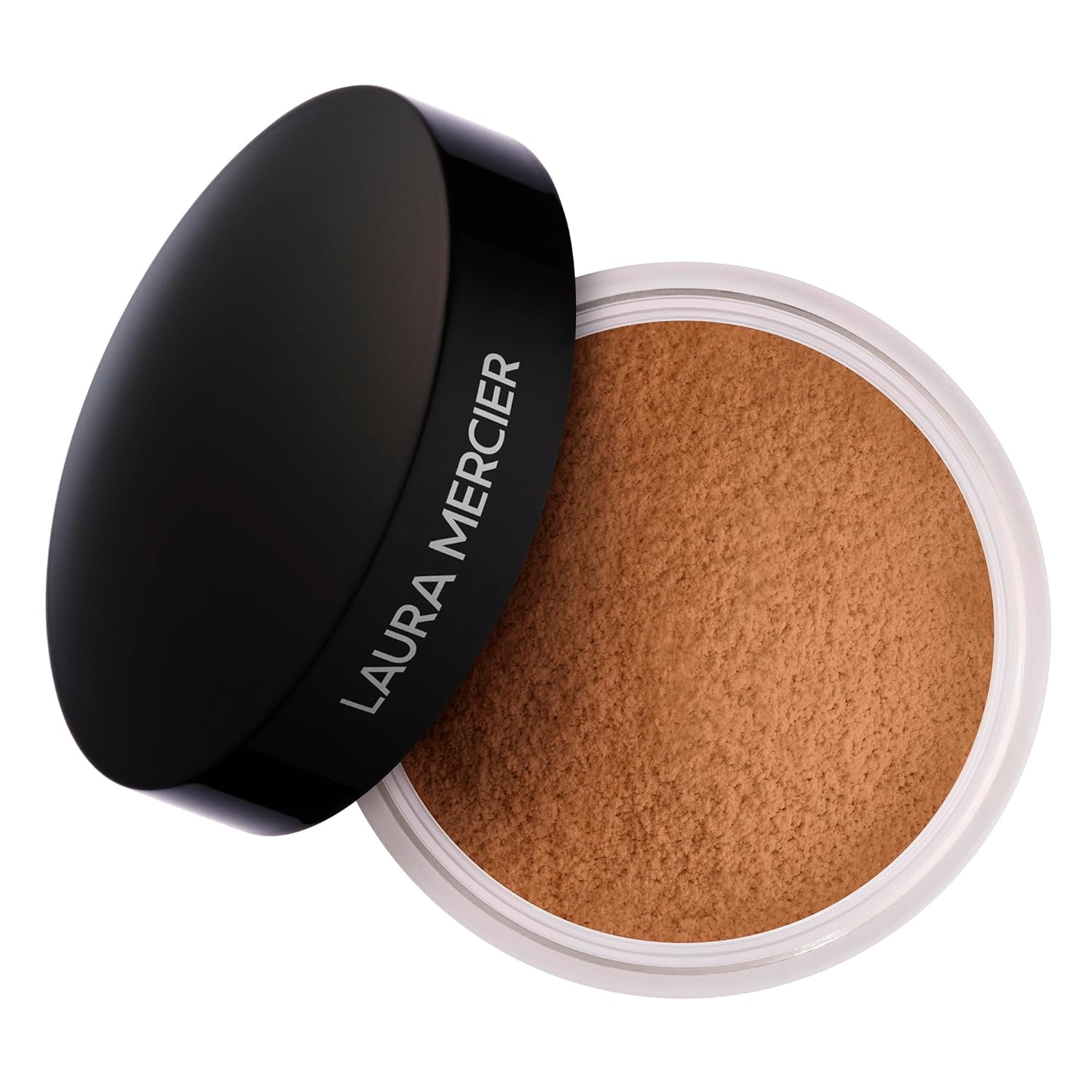
Laura Mercier’s Translucent Loose Setting Powder has been a backstage favorite for years, plus for good reason. This powder feels weightless on the skin, yet it controls shine like a pro. It sets makeup without muting your foundation shade or changing your undertone, which is crucial when bright lights hit your face.
What makes it one of the best setting powders for photography is how finely milled it is. The particles melt into the skin instead of sitting on top, which helps blur pores and soften texture. On camera, that translates to a smoother, more natural finish without obvious powder patches.
Another win is how long it lasts. Once applied, your makeup stays put for hours, even under heat or studio lighting. It works beautifully with both matte plus dewy foundations, making it versatile for different makeup styles.
It’s not the cheapest option, but it performs like a luxury product should. If you want reliability, this powder delivers.
Pros:
- Ultra-fine texture that looks natural on camera
- No flashback
- Long-lasting oil control
- Works with all foundation finishes
- Doesn’t cake or crease
Cons:
- Pricey for some budgets
2. RCMA No-Color Powder
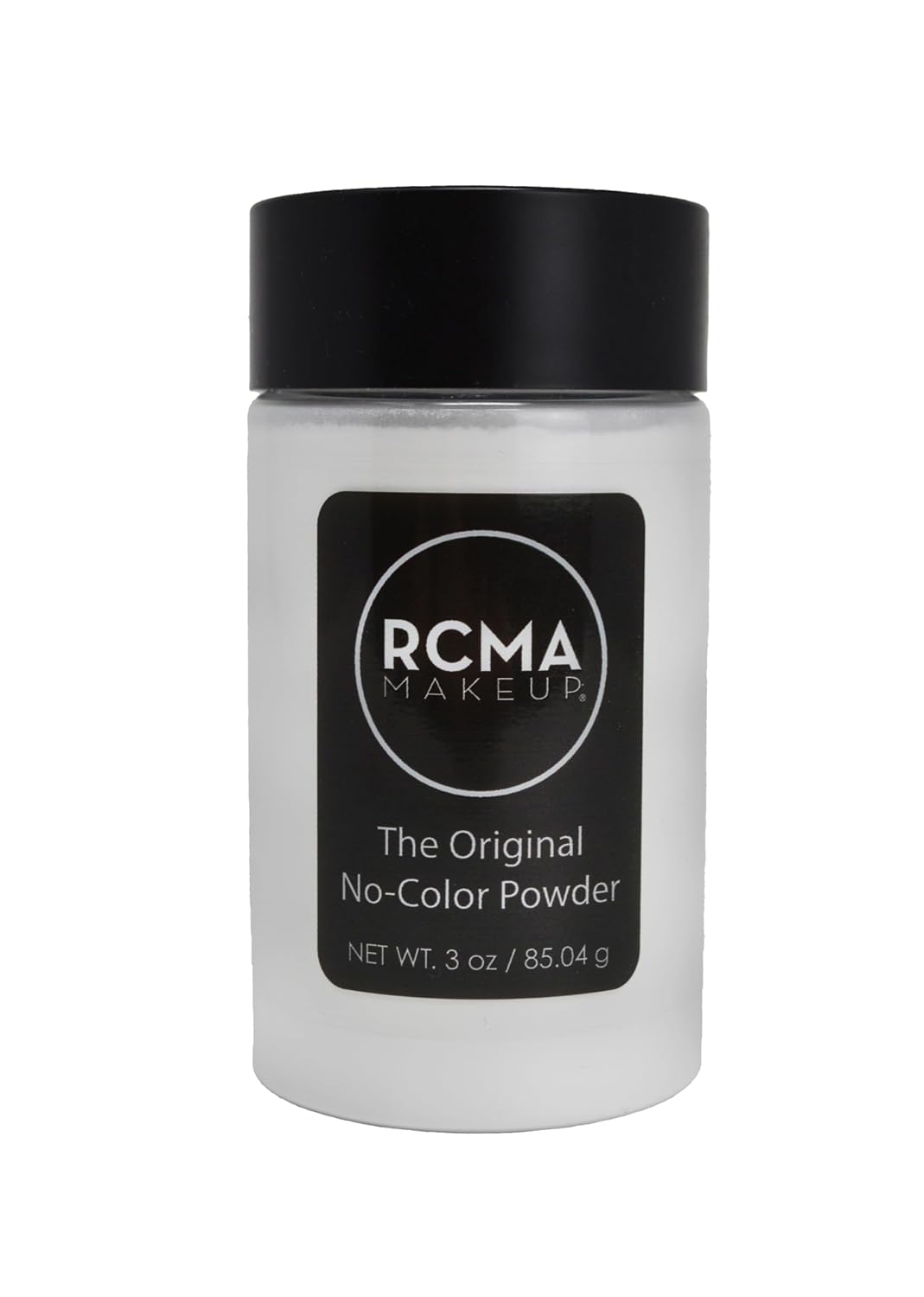
If you’ve ever watched a professional makeup artist work, chances are you’ve seen RCMA No-Color Powder. This powder was designed for film, photography, plus stage, so it’s built to perform under harsh lighting.
It truly lives up to its name. It doesn’t add color, warmth, or whiteness to your skin. That makes it ideal for flash photography, where some powders can leave a pale cast. Your foundation shade stays true, and your skin looks like skin.
The texture is incredibly fine, almost cloud-like. When pressed into the skin, it smooths texture without emphasizing dryness or pores. It also helps keep oils under control without making you look flat or dull.
It’s simple, no-frills, and effective. Sometimes that’s exactly what you need.
Pros:
- Zero flashback
- Truly colorless
- Great for all skin tones
- Lightweight feel
- Long-lasting hold
Cons:
- Packaging feels basic
3. Hourglass Veil Translucent Setting Powder
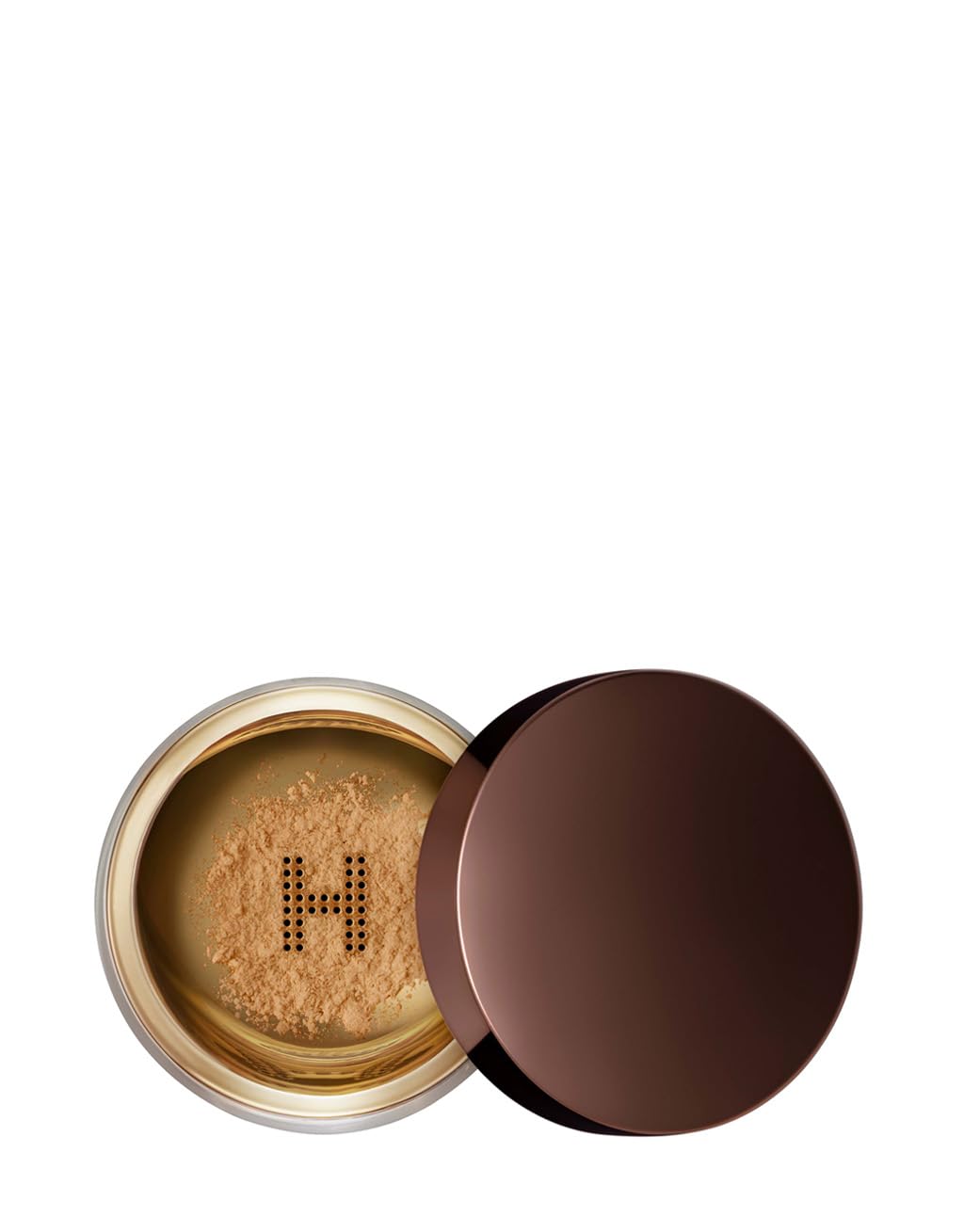
Hourglass Veil is a luxury powder with a soft-focus effect that looks stunning in photos. Instead of a flat matte, it gives your skin a subtle glow that mimics natural light.
This powder uses light-reflecting particles to blur fine lines and pores. In photos, this translates to smoother-looking skin without heavy filtering. It’s especially beautiful for close-up shots.
If your skin leans dry or normal, this powder won’t cling to patches or emphasize texture. It sets makeup gently while keeping your skin looking fresh.
It’s an investment, but the finish feels editorial-level.
Pros:
- Soft-focus blurring effect
- No flashback
- Lightweight
- Great for dry to normal skin
- Doesn’t settle into lines
Cons:
- Not ideal for very oily skin
4. Coty Airspun Loose Face Powder
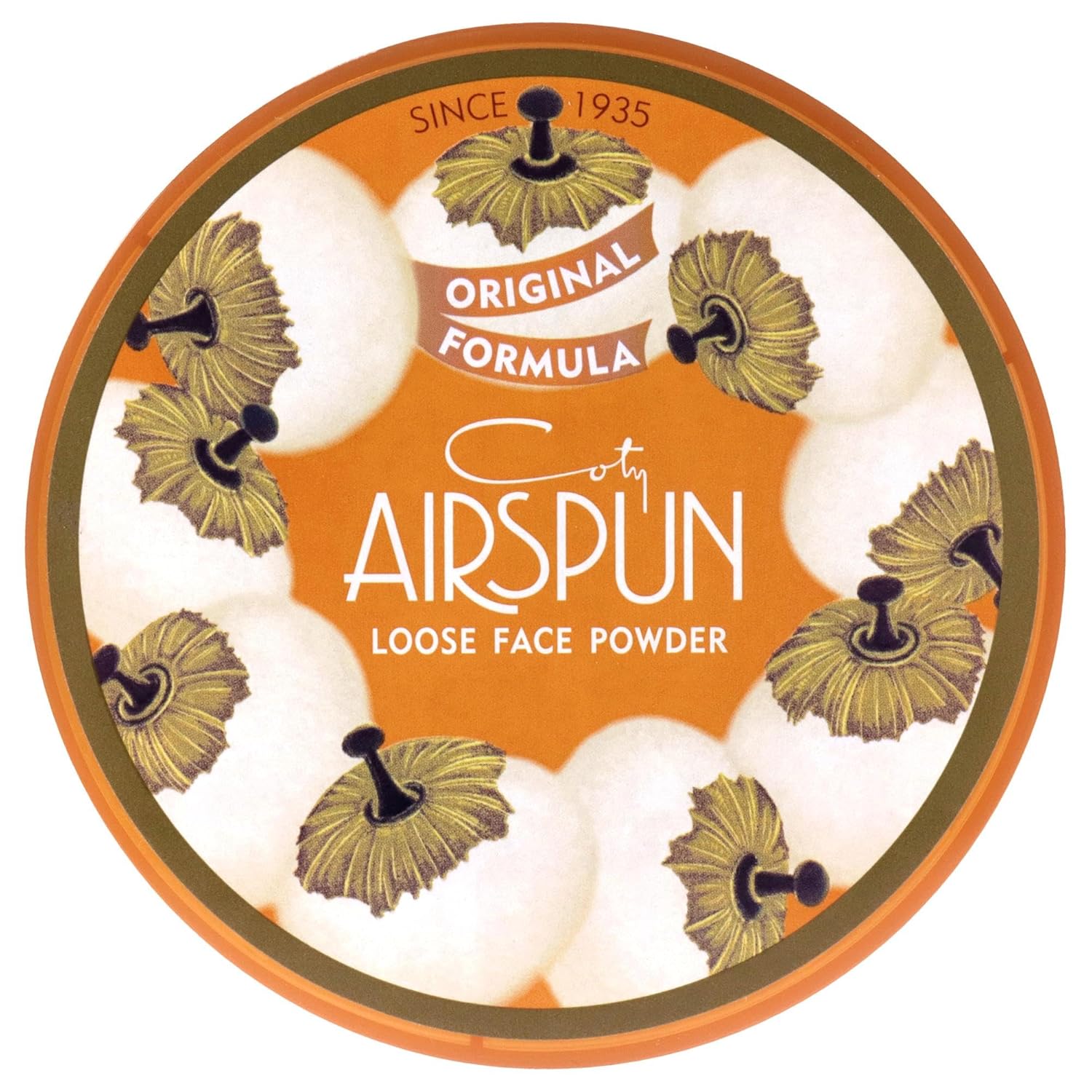
Coty Airspun is one of those cult classics that refuses to disappear, and there’s a reason. This powder delivers serious oil control plus a smooth matte finish that photographs beautifully.
The texture is slightly thicker than luxury powders, but when applied lightly, it works well under bright lights. It keeps shine away for hours, which is helpful during long events or outdoor shoots.
It’s especially popular among performers plus dancers, which says a lot about its staying power. If you need a powder that won’t budge, this one holds up.
The scent is noticeable, though, so that’s something to consider.
Pros:
- Very affordable
- Strong oil control
- Long-lasting
- No major flashback when used lightly
- Smooth matte finish
Cons:
- Strong fragrance
5. Maybelline Fit Me Loose Finishing Powder
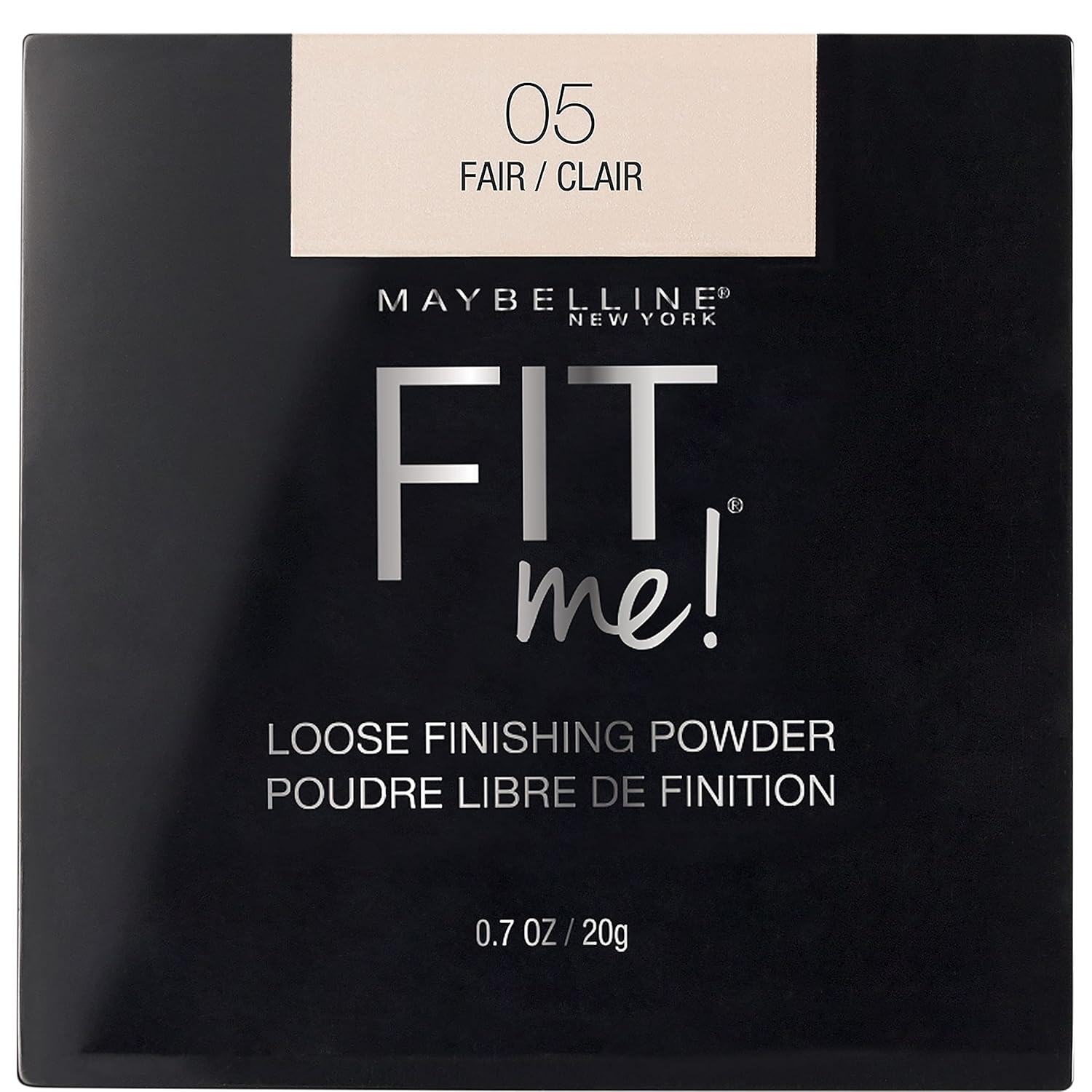
Maybelline Fit Me is a drugstore favorite that performs far above its price point. It’s lightweight, soft, plus easy to blend into the skin.
What makes it suitable for photography is its natural finish. It doesn’t look overly matte or overly glowy. Instead, it leaves your skin looking like, well, your skin but smoother.
It comes in several shades, which helps prevent white cast or flashback. That’s a huge plus for deeper skin tones.
For everyday shoots, content creation, or casual photography, this powder is a solid pick.
Pros:
- Affordable
- Natural finish
- Shade range available
- Lightweight
- Easy to apply
Cons:
- Not as long-lasting as luxury powders
6. NYX HD Finishing Powder
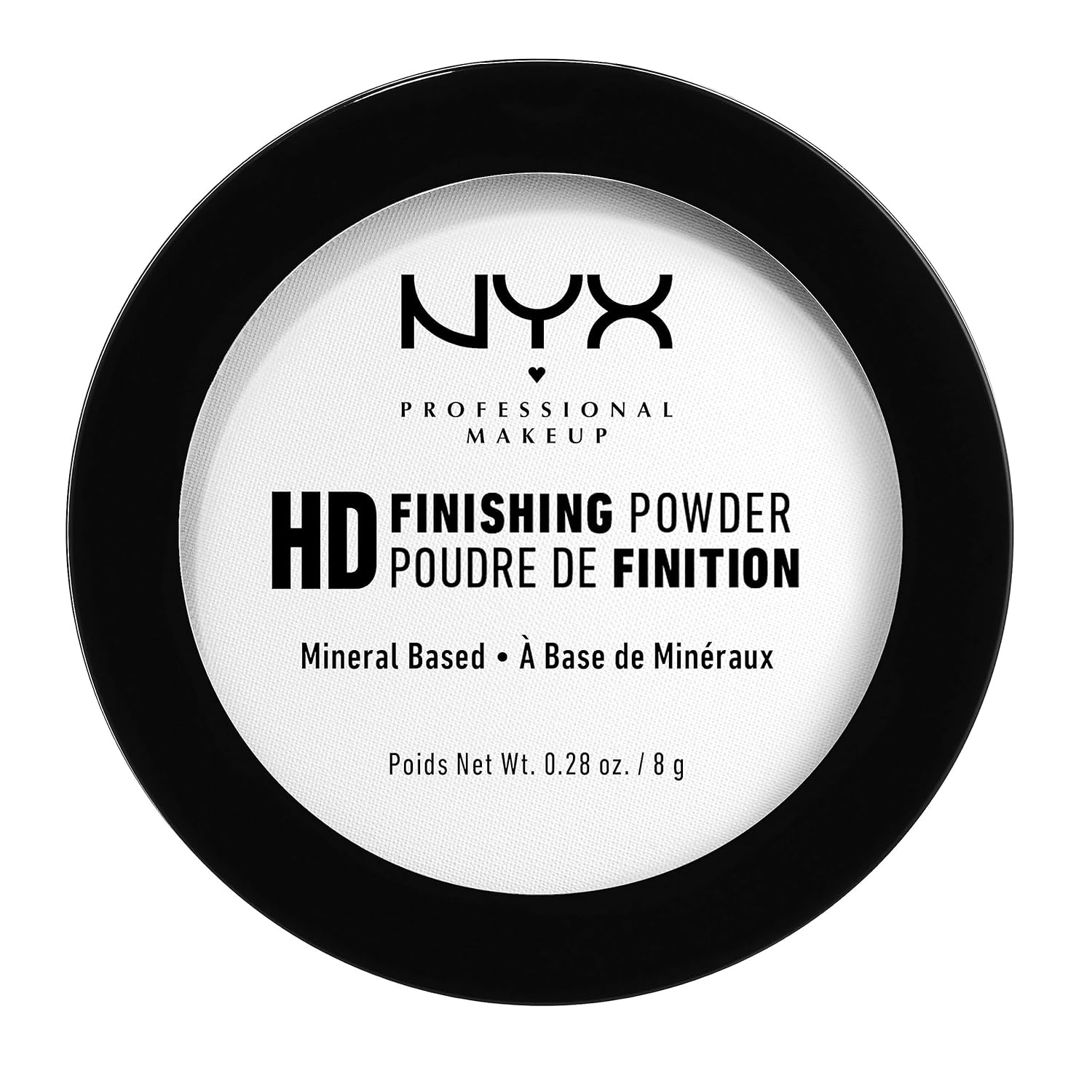
NYX HD Finishing Powder was made with cameras in mind. The word HD isn’t just marketing. It’s designed to blur texture plus smooth the skin in high-definition environments.
It gives a soft matte finish that reduces shine without making you look flat. In photos, it helps minimize pores and fine lines, creating a polished effect.
This powder is best used lightly. Too much can look powdery, especially under flash. When used correctly, it performs beautifully.
Pros:
- Budget-friendly
- Blurring effect
- Lightweight
- Easy to reapply
- Smooths texture
Cons:
- Can look powdery if overused
Buying Guide: How to Choose the Best Setting Powders for Photography
1. Check for Flash-Friendly Ingredients
The most important thing to look for is the absence of certain minerals. Silica, zinc oxide, plus titanium dioxide are common in sunscreens and some powders. While they are great for skin protection, they reflect light. This is what causes the white “ghost” face in photos.
Choose powders labeled as “translucent” or “no-color” plus check reviews to see if others have experienced flashback issues.
2. Consider Your Skin Undertone
Not all translucent powders are created equal. Some can look a bit white or pink on certain people. If you have warm or golden skin, a powder with a yellow or banana tint will look much more natural in photos.
If you are very fair, a true translucent or cool-toned powder is best. Matching your undertone ensures that your face doesn’t look like it belongs to someone else when the flash goes off.
3. Think About the Finish
Do you want a flat matte look or a bit of a glow? For professional photography, a matte or soft-matte finish is usually safer. This is because cameras pick up shine very easily, plus what looks like a “healthy glow” in person can look like a “greasy mess” on a high-res screen.
You can always add highlighter later to specific spots, but start with a matte base to stay in control of the light.
4. Milling and Texture
The “milling” of a powder refers to how fine the particles are. For photography, you want the finest mill possible. Coarser powders can settle into pores plus fine lines, making them look bigger in pictures.
A micro-fine powder will sit on top of the skin and blur those areas instead. When you rub the powder between your fingers, it should feel like silk or air, not like sand or salt.
5. Longevity and Oil Control
Photoshoots often take longer than expected. You might be under hot lights for hours. Look for a powder that mentions oil absorption or long-wear capabilities. A powder that disappears after two hours won’t help you during the reception or the end of a long day.
If you have oily skin, this is even more critical to prevent the camera from picking up unwanted reflections on your T-zone.
How to Make Your Makeup Look Good in Photos
Even the best setting powders for photography can only do so much if your base isn’t right. Here’s how to make everything work together.
- Prep your skin with moisturizer
- Use thin foundation layers
- Press powder in, don’t swipe
- Avoid heavy shimmer
- Blot before you powder
Pro tip: Always test your makeup with flash before big events. It saves heartbreak later.
Conclusion
The best setting powders for photography don’t just hold makeup in place. They help your skin look smooth, natural, plus balanced under any lighting. Whether you choose a luxury option or a drugstore favorite, what matters most is how it performs on your skin.
Take the time to test, experiment, and find your match. Your future photos will thank you.
Frequently Asked Questions
1. What makes a powder good for photography?
A good photography powder prevents flashback, blurs texture, and controls shine without looking heavy.
2. Can setting powder cause flashback?
Yes. Powders with SPF or heavy reflective ingredients can cause flashback.
3. Should I use loose or pressed powder?
Loose powders usually perform better for photography due to their fine texture.
4. How much powder should I use?
Less is more. Start light, then build if needed.
5. Can I use setting powder daily?
Yes. Just choose one that suits your skin type.
6. How do I stop my setting powder from having a flashback?
The best way is to avoid powders that contain high amounts of silica or mica as the main ingredients. You should also make sure you are blending the powder thoroughly into your skin. If the powder sits on the surface, it is more likely to reflect light. Always do a test photo with your phone flash before you head out to an event.
7. Is loose powder or pressed powder better for photos?
Loose powder is generally better for professional photography. This is because loose powders are usually more finely milled plus provide a thinner layer on the skin. Pressed powders often contain binders and oils to keep them in a solid shape, which can sometimes look heavier or more cakey on camera.
8. Can I use a translucent powder on dark skin for photos?
Yes, but you have to be careful. Some “translucent” powders are actually a very light white or grey. On dark skin, this can look ashy. Look for a powder that is truly “no-color” or one that has a slight tint to match your skin. Yellow or orange-toned powders are often the best setting powders for photography on deep skin tones.
9. What is the difference between setting powder and finishing powder?
Setting powder is meant to go over your foundation to hold it in place plus prevent it from rubbing off. It is the “glue” for your makeup. Finishing powder is meant to be used after setting powder to blur the skin plus hide pores. For photography, you often need a setting powder first, plus you can use a tiny bit of finishing powder on top for extra blurring.
10. How much powder should I use for a photoshoot?
You should use a moderate amount, focusing on the areas where you get oily. In person, it might look like a lot of makeup, but cameras tend to “eat” about thirty percent of your makeup. This means you can be a bit more generous with your powder than you would be for a trip to the grocery store. Just make sure to blend everything well so there are no harsh lines.
11. Do I need powder if I have dry skin?
Even if you have dry skin, you should use a small amount of powder for photography. Camera lights can make even dry skin look shiny or greasy. Just focus the powder on your T-zone plus under your eyes. Choose a hydrating or lightweight formula like the Laura Mercier or One/Size options to avoid looking flaky.