
Every time you swim in the ocean wearing a conventional sunscreen, some of that formula washes off into the water. Research has shown that certain chemical UV filters, particularly oxybenzone and octinoxate, can damage coral reef ecosystems even in very small concentrations. If you spend time in the sea, on the coast, or in freshwater environments, choosing the best reef-safe sunscreen is both a personal and environmental decision worth taking seriously.
Reef-safe formulas rely on mineral UV filters, primarily zinc oxide and titanium dioxide, rather than synthetic chemical alternatives. They offer broad-spectrum protection without contributing to coral bleaching. This guide reviews the best options available, so you can protect your skin without compromising the water you are swimming in.
Editor’s Top Picks at a Glance
- Thinksun SPF 50+ Mineral Sunscreen — Best Overall
- Raw Elements Eco Formula SPF 30 — Best for Eco-Conscious Buyers
- Blue Lizard Sensitive Mineral Sunscreen SPF 50+ — Best for Sensitive Skin
Best Reef-Safe Sunscreen Options Reviewed
1. Thinksun SPF 50+ Mineral Sunscreen
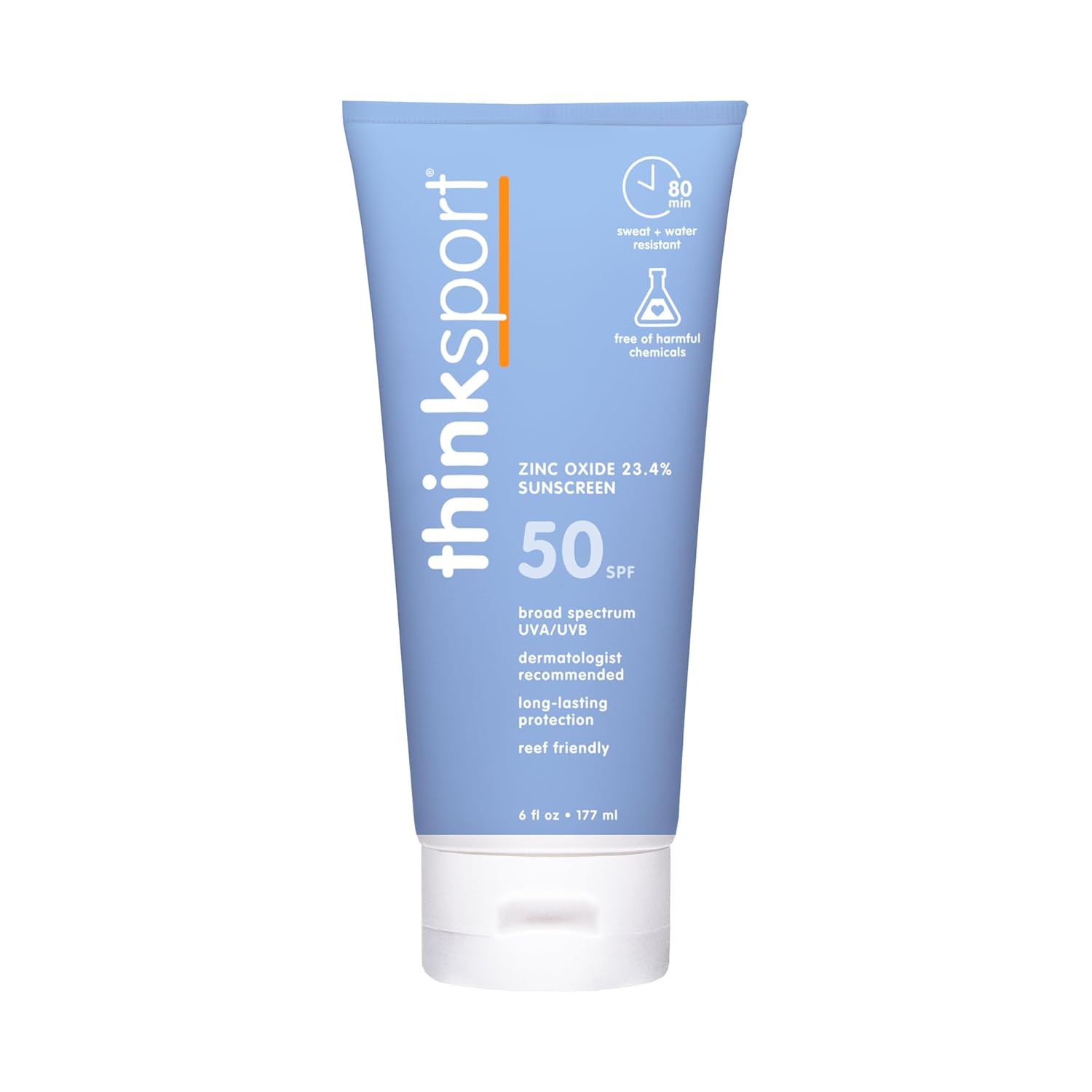
Thinksun SPF 50+ is a mineral-only sunscreen that uses non-nano zinc oxide as its active UV filter, providing broad-spectrum protection against both ultraviolet A (UVA) and ultraviolet B (UVB) rays. The formula is free from oxybenzone, octinoxate, parabens, and synthetic fragrances. It is water-resistant for up to 80 minutes, which makes it a practical choice for swimming and water sports.
This sunscreen suits a wide range of users including those with sensitive skin, children aged six months and older, and anyone committed to using reef-safe personal care products. The formula applies more easily than many mineral sunscreens, with a consistency that blends into the skin without excessive residue. The white cast is present but fades reasonably quickly.
Thinksun has built a reputation for clean, honest formulations without unnecessary additives, and the SPF 50+ delivers on its protection claims. The packaging is recyclable, and the company avoids marketing overstatements common in the sunscreen category. For everyday use, beach days, and outdoor activities, this is one of the most complete offerings in the best reef-safe sunscreen category.
Pros
- Non-nano zinc oxide provides broad-spectrum UVA and UVB protection
- Water-resistant for 80 minutes, suitable for swimming
- Free from oxybenzone, octinoxate, parabens, and fragrance
- Suitable for sensitive skin and children from six months
- Blends more smoothly than many mineral alternatives
- Recyclable packaging
Cons
- Leaves some initial white cast on darker skin tones
- Slightly thicker texture than chemical sunscreens
2. Raw Elements Eco Formula SPF 30
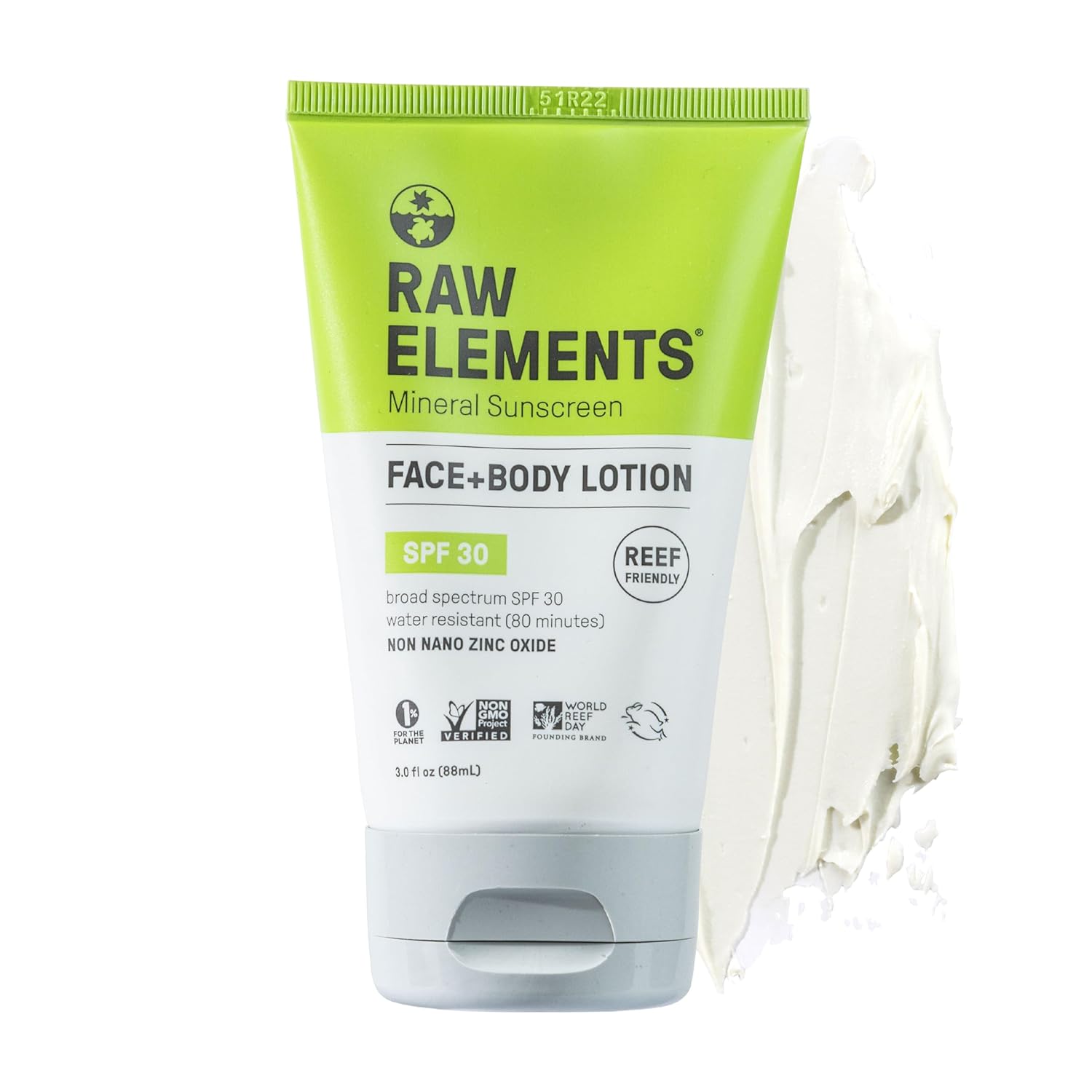
Raw Elements Eco Formula is a certified natural sunscreen that uses 23% non-nano zinc oxide as its only active ingredient. The formula is certified biodegradable, reef-safe, and cruelty-free, and it comes in a recyclable tin rather than a plastic tube, which significantly reduces its packaging footprint. The formula has a thicker, more paste-like consistency than most sunscreens, which reflects its completely natural ingredient base.
This sunscreen is the right choice for buyers who want the most environmentally responsible product available, not just a formulation that avoids the most harmful chemicals. It suits outdoor enthusiasts, surfers, lifeguards, and families spending extended time around water. The tin packaging is practical for bags and backpacks and reduces plastic waste meaningfully over repeated purchases.
The Raw Elements formula requires more effort to blend in than conventional sunscreens, and it leaves a visible white cast that does not disappear entirely. For users who have accepted this trade-off in exchange for superior environmental credentials and highly effective mineral protection, it is among the best reef-safe sunscreen options available. The SPF 30 provides solid protection for most daily outdoor activities.
Pros
- 23% non-nano zinc oxide for robust mineral protection
- Certified biodegradable and reef-safe
- Recyclable tin packaging eliminates single-use plastic
- Water-resistant for 80 minutes
- Certified natural and cruelty-free
Cons
- Thick paste-like texture requires more blending effort
- Leaves a persistent white cast, particularly on darker skin
3. Blue Lizard Sensitive Mineral Sunscreen SPF 50+
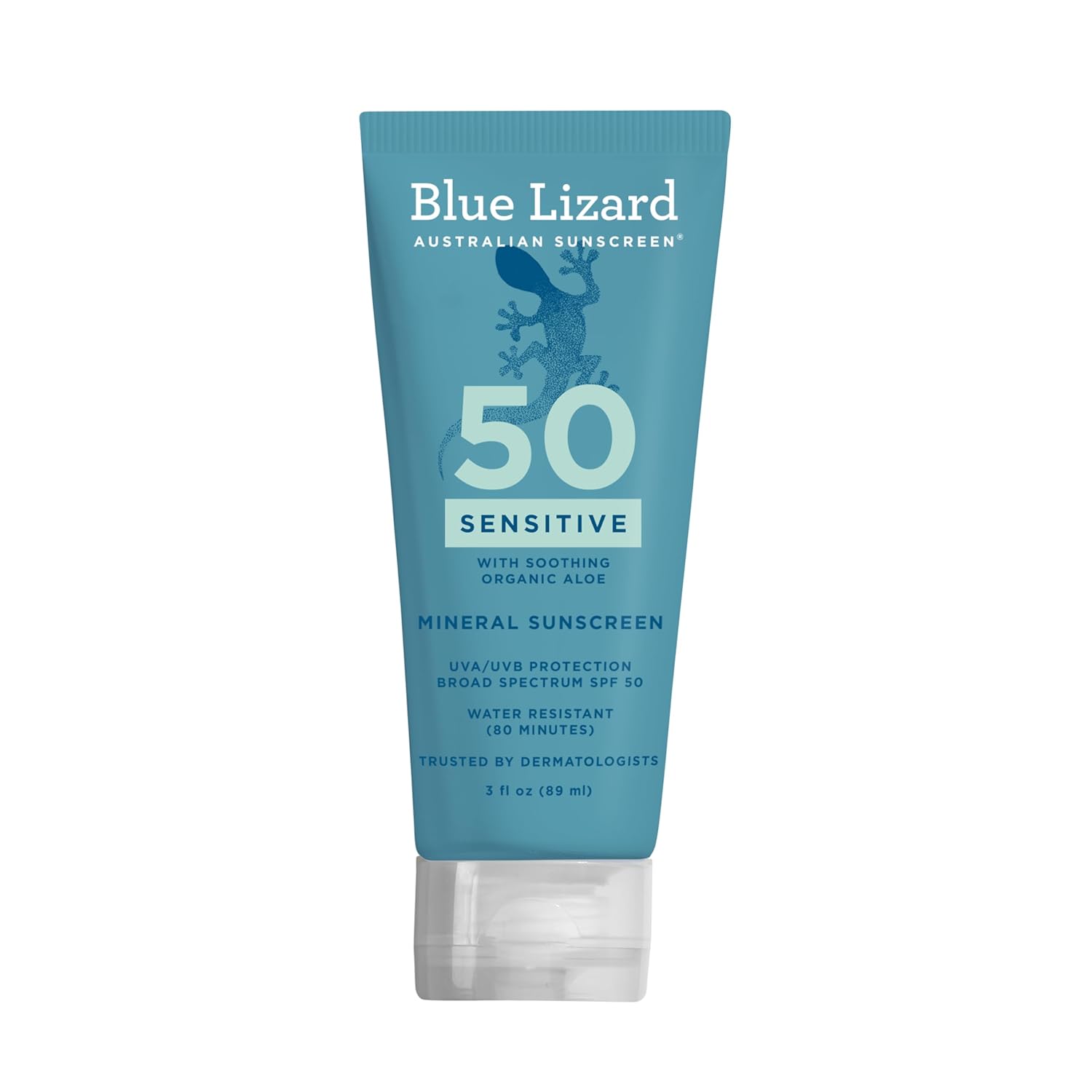
Blue Lizard Sensitive Mineral Sunscreen uses zinc oxide and titanium dioxide as its active UV filters, making it a genuinely reef-safe formulation free from oxybenzone and octinoxate. It is specifically formulated for sensitive skin types and contains no fragrances, parabens, or chemical UV filters that can trigger skin reactions. Blue Lizard is a well-established brand with a long track record in Australian-style sun protection.
This sunscreen suits people with reactive, rosacea-prone, or eczema-affected skin who need reliable daily protection without irritation. It is also frequently recommended for babies and young children due to its gentle, minimal ingredient profile. The formula is water-resistant for 40 minutes and provides broad-spectrum coverage at SPF 50+.
Blue Lizard applies with a creamy, smooth texture and leaves less white residue than many mineral alternatives in its protection class. The brand’s smart UV-detecting cap, which turns purple in UV light, is a thoughtful feature that reminds you when to apply. It stands as a dependable choice for sensitive-skinned users searching for the best reef-safe sunscreen that does not compromise on gentleness.
Pros
- Formulated specifically for sensitive skin types
- Free from fragrances, parabens, and chemical UV filters
- SPF 50+ broad-spectrum protection
- UV-detecting cap changes colour in sunlight as a reminder
- Smoother application than many mineral alternatives
Cons
- Only 40 minutes of water resistance compared to 80 minutes for some competitors
- Slightly higher price point than basic mineral options
4. Sun Bum Mineral SPF 50 Sunscreen Lotion
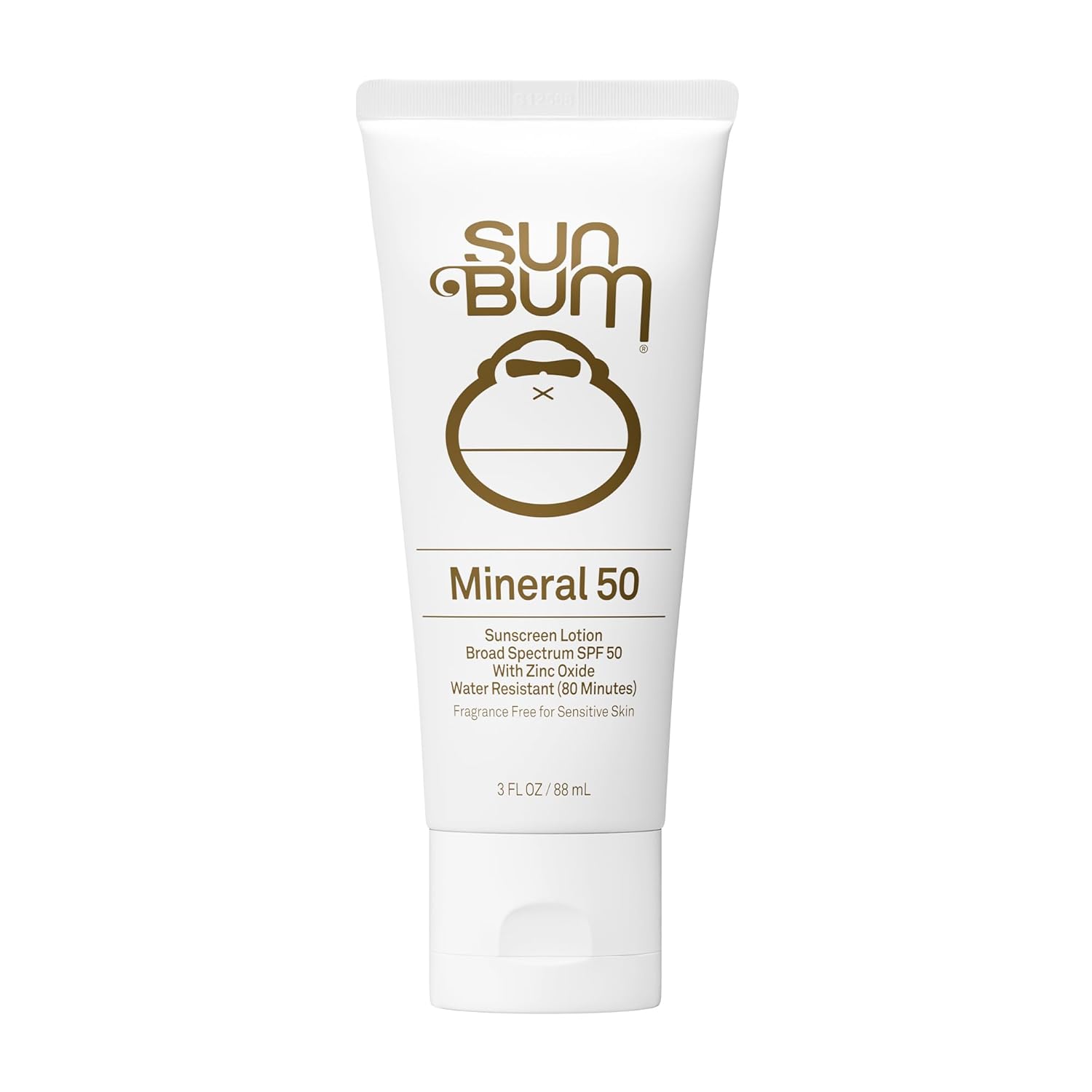
Sun Bum Mineral SPF 50 is a zinc oxide-based sunscreen that delivers broad-spectrum protection with a noticeably lightweight and easy-to-apply lotion consistency. The formula is free from oxybenzone, octinoxate, and parabens, and it includes moisturising ingredients such as vitamin E to support skin health alongside UV protection. It is vegan and cruelty-free.
Sun Bum’s mineral formula is a strong choice for everyday users who find traditional mineral sunscreens too heavy or difficult to work with. The lotion consistency allows for faster, more even application, which encourages more consistent daily use. It works well for face and body application on light to medium skin tones.
The white cast is reduced compared to many pure mineral formulas, which makes Sun Bum Mineral more wearable for daily life outside beach or water environments. The brand’s positioning in the surf and outdoor lifestyle space lends it genuine credibility in the reef-safe sunscreen category. It is one of the more accessible and pleasant-to-use options on this list.
Pros
- Lightweight lotion consistency is easy to apply and blend
- Includes vitamin E for added skin support
- Vegan and cruelty-free formulation
- Free from oxybenzone, octinoxate, and parabens
- Reduced white cast compared to many mineral options
Cons
- May not provide enough coverage for very extended outdoor exposure without reapplication
- Packaging is plastic rather than recyclable tin
5. Badger Sport Mineral Sunscreen Cream SPF 35
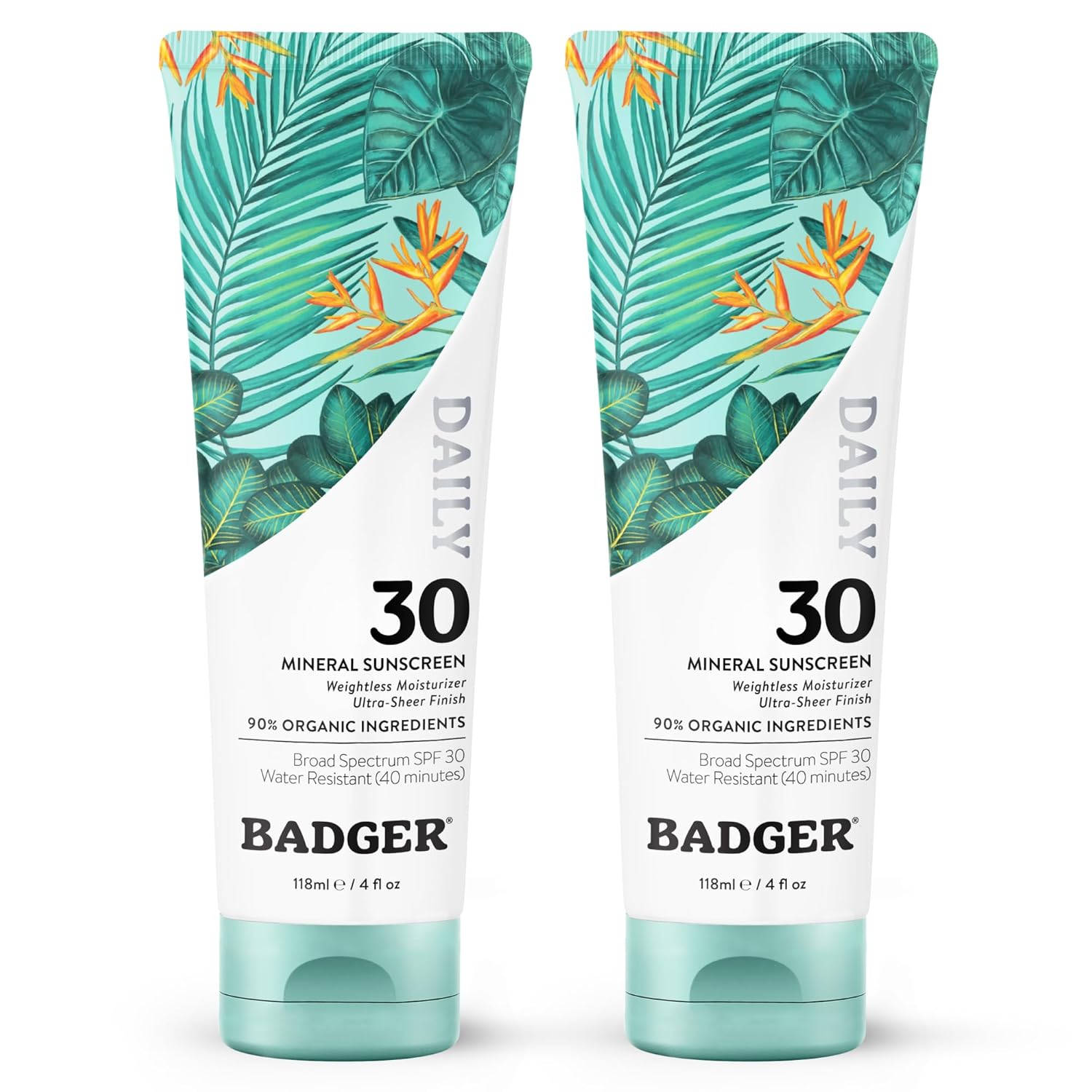
Badger Sport Mineral Sunscreen uses a simple formulation built around 22.5% non-nano zinc oxide in a base of certified organic sunflower oil, beeswax, and vitamin E. The formula is certified organic, biodegradable, and reef-safe. Badger is one of the pioneering brands in the clean sunscreen space, and the Sport version is water-resistant for 80 minutes and designed for active outdoor use.
This sunscreen works well for outdoor athletes, hikers, cyclists, and surfers who want a highly protective, naturally formulated option that can withstand physical activity and water exposure. The organic and certified credentials make it particularly appealing to buyers who read ingredient labels carefully and want verification of environmental claims.
The texture is rich and requires more rubbing in than conventional lotions, and the zinc oxide leaves a visible tint on the skin. For users who accept these mineral sunscreen characteristics in exchange for clean, verified ingredients and strong environmental ethics, Badger Sport is a trustworthy choice. It sits confidently in the best reef-safe sunscreen category for active lifestyles.
Pros
- 22.5% non-nano zinc oxide with certified organic base
- Certified biodegradable and reef-safe
- Water-resistant for 80 minutes
- Suitable for sensitive skin
- Strong environmental and ingredient transparency credentials
Cons
- Rich, thick texture requires significant blending time
- Leaves a noticeable white or yellowish tint on skin
- SPF 35 is lower than some competitors on this list
6. Coola Mineral Sun Silk Creme SPF 30
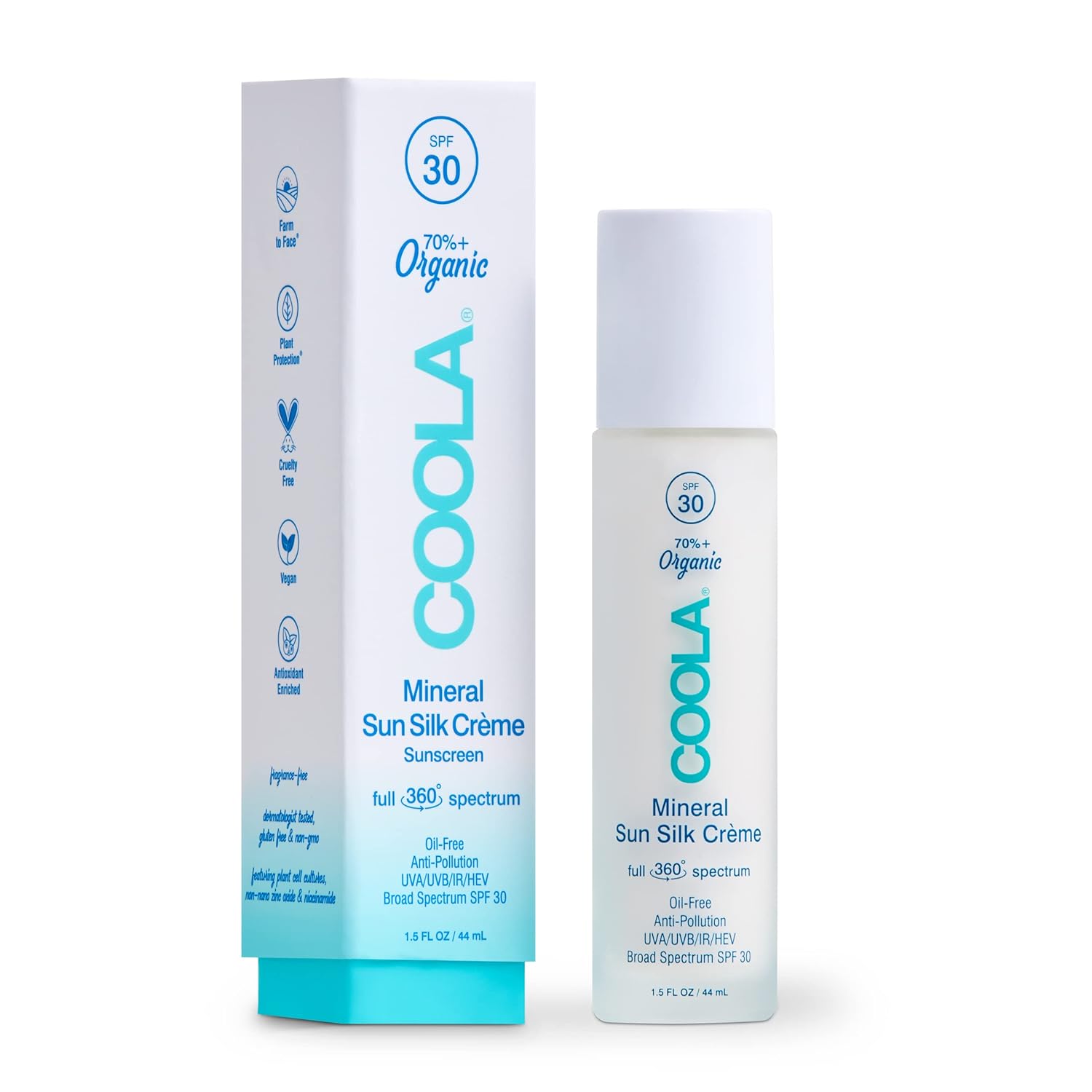
The Coola Mineral Sun Silk Creme takes a more cosmetically elegant approach to reef-safe sun protection. It uses a zinc oxide and titanium dioxide combination in a silky, lightweight creme base that blends more seamlessly than most mineral-only formulas. The formula includes organic and natural ingredients alongside its mineral UV filters and carries a vegan and cruelty-free certification.
This sunscreen suits users who want a mineral option they can wear daily, including as a skincare step before makeup. The reduced white cast and pleasant skin feel make it more compatible with everyday lifestyle use than heavier mineral alternatives. It performs well for outdoor walks, driving, and light outdoor activities.
The Coola Mineral creme is one of the most wearable reef-safe formulas in terms of texture and finish, though it may require more frequent reapplication for high-intensity water activities compared to formulas with 80-minute water resistance. It represents the best reef-safe sunscreen for users who prioritise daily wearability alongside environmental responsibility.
Pros
- Silky, lightweight creme texture blends well on most skin tones
- Combines zinc oxide and titanium dioxide for broad-spectrum coverage
- Minimal white cast makes it suitable for daily wear
- Vegan and cruelty-free with organic ingredients
Cons
- Only 40 minutes of water resistance, less suited for heavy water use
- Higher price point than some alternatives on this list
- SPF 30 provides less protection than SPF 50+ options
How to Choose the Best Reef-Safe Sunscreen
1. Confirm the Formula Uses Mineral-Only UV Filters
A truly reef-safe sunscreen uses only zinc oxide, titanium dioxide, or both as its UV active ingredients. Be cautious of sunscreens labelled “reef-friendly” that still contain chemical UV filters, as these claims are not always legally regulated. Read the active ingredients list to confirm. Non-nano particle sizes are preferred, as nano particles have raised separate environmental questions.
2. Choose the Right SPF for Your Activity
Sun protection factor (SPF) indicates how much longer a sunscreen extends your safe sun exposure time compared to unprotected skin. SPF 30 blocks approximately 97% of UVB rays, while SPF 50 blocks around 98%. For beach days, water sports, or extended outdoor activity, choose SPF 50 or higher with 80 minutes of water resistance and reapply every two hours.
3. Check Water Resistance Ratings
If you are swimming or sweating, water resistance is critical. Sunscreens are rated water-resistant for either 40 or 80 minutes before reapplication is needed. No sunscreen is truly waterproof. For ocean swimming or intense outdoor sports, always choose an 80-minute water-resistant formula and reapply after towelling off.
4. Consider Your Skin Type
Sensitive, rosacea-prone, or eczema-affected skin benefits most from fragrance-free, mineral-only formulas with minimal additional ingredients. Oily or acne-prone skin does better with lightweight, non-comedogenic options that will not clog pores. Dry skin benefits from formulas with added moisturising ingredients such as vitamin E, hyaluronic acid, or natural oils.
5. Look for Verified Environmental Certifications
Marketing terms like “reef-safe” and “ocean-friendly” are not regulated in most countries. Look for verified certifications such as the Protect Land and Sea Certification, USDA Organic certification, or Rainforest Alliance approval as supporting evidence of genuine environmental standards. Biodegradable packaging is an additional positive indicator of a brand’s commitment to reducing environmental impact.
The Truth About White Cast in Mineral Sunscreens
The most common complaint about reef-safe mineral sunscreens is the white cast they leave on skin, particularly on medium to deep skin tones. This happens because zinc oxide and titanium dioxide are naturally white minerals that reflect light, which is exactly how they block UV rays.
Here is what you can do to minimise the white cast:
- Apply a small amount at a time and blend in circular motions rather than swiping
- Allow each thin layer to absorb before applying more product
- Choose formulas specifically formulated to reduce white cast, such as the Coola Mineral Sun Silk or Sun Bum Mineral
- Look for tinted mineral sunscreens that use iron oxides to neutralise the white effect while also providing added protection against blue light
- Warming the product slightly between your palms before applying can help it blend more smoothly
The white cast challenge is improving as formulation technology advances. Many of the best reef-safe sunscreen options now use refined particle sizes and blending agents that significantly reduce the white residue compared to older formulas.
Final Thoughts
Choosing the best reef-safe sunscreen is a straightforward switch that genuinely matters for ocean health. Mineral formulas protect your skin just as effectively as chemical alternatives when applied correctly and reapplied regularly. The trade-offs, mainly texture and white cast, are becoming smaller concerns as formulations improve year on year.
Thinksun SPF 50+ is the most complete all-rounder for most users. Raw Elements leads on environmental credentials and packaging. Blue Lizard is the go-to choice for sensitive skin. Whatever your priorities, there is a reef-safe option on this list that fits your lifestyle without asking you to compromise on sun protection.
Frequently Asked Questions
1. What makes a sunscreen reef-safe?
A reef-safe sunscreen uses mineral UV filters, specifically zinc oxide and titanium dioxide, instead of chemical UV filters such as oxybenzone and octinoxate. Research has shown these chemical filters can contribute to coral bleaching and disrupt marine ecosystems. Mineral filters reflect UV rays physically without releasing harmful chemicals into the water.
2. Is zinc oxide safe for skin?
Yes. Zinc oxide has a well-established safety profile and is approved by the United States Food and Drug Administration (FDA) as a safe and effective sunscreen active ingredient. It is gentle enough for use on sensitive skin and on babies from six months of age. It is non-irritating and non-comedogenic for most skin types.
3. Does reef-safe sunscreen work as well as regular sunscreen?
When applied correctly and in the right quantity, mineral sunscreens provide broad-spectrum protection equivalent to chemical alternatives at the same SPF level. The key difference is application technique: mineral formulas need thorough blending and sufficient quantity to work effectively. Applying too little reduces effectiveness, just as it does with any sunscreen.
4. How often should I reapply reef-safe sunscreen?
Reapply every two hours during sun exposure, or immediately after swimming, towelling dry, or heavy sweating, regardless of the formula’s water resistance rating. Water resistance ratings tell you how long the sunscreen stays effective while in water, but once you leave the water and dry off, the clock resets and reapplication is needed.
5. Is SPF 30 or SPF 50 better for the beach?
SPF 50 is the better choice for beach days and extended outdoor exposure. While SPF 30 blocks approximately 97% of UVB rays and SPF 50 blocks around 98%, the difference becomes meaningful over long periods of intense sun exposure. The higher SPF also gives you a slight buffer when application is not perfectly even.
6. Are all mineral sunscreens reef-safe?
Most mineral sunscreens that rely solely on zinc oxide and titanium dioxide are considered reef-safe with respect to UV filter ingredients. However, other ingredients in the formula, such as certain preservatives, fragrances, or microplastics, can also affect marine ecosystems. Look for formulas with biodegradable certification or minimal synthetic additives for the most comprehensive environmental protection.
7. Can I use reef-safe sunscreen on my face?
Yes. Many reef-safe sunscreens are well-suited for facial use, particularly formulas designed to reduce white cast and minimise residue. Choose a lightweight, non-comedogenic formula for the face, especially if you have oily or acne-prone skin. Dedicated facial mineral sunscreens often include additional skincare ingredients like hyaluronic acid or niacinamide alongside their UV protection.