Postpartum hair loss, known as telogen effluvium, usually peaks around three to six months after giving birth. It’s disheartening, honestly, and it makes you feel like your body is going through one more change you didn’t ask for. Fortunately, while this shedding is totally normal and temporary, there are excellent steps you can take.
Using the best hair thinning treatments for postpartum recovery can help create an optimal scalp environment to encourage healthy regrowth and make you feel more in control of your journey.
Top Recommendations
- Best Overall: Keranique Hair Regrowth Treatment
- Best Supplement: Nutrafol Postpartum Hair Growth Supplement
- Best Serum: VEGAMOUR GRO Hair Serum
Product Reviews
1. Keranique Hair Regrowth Treatment
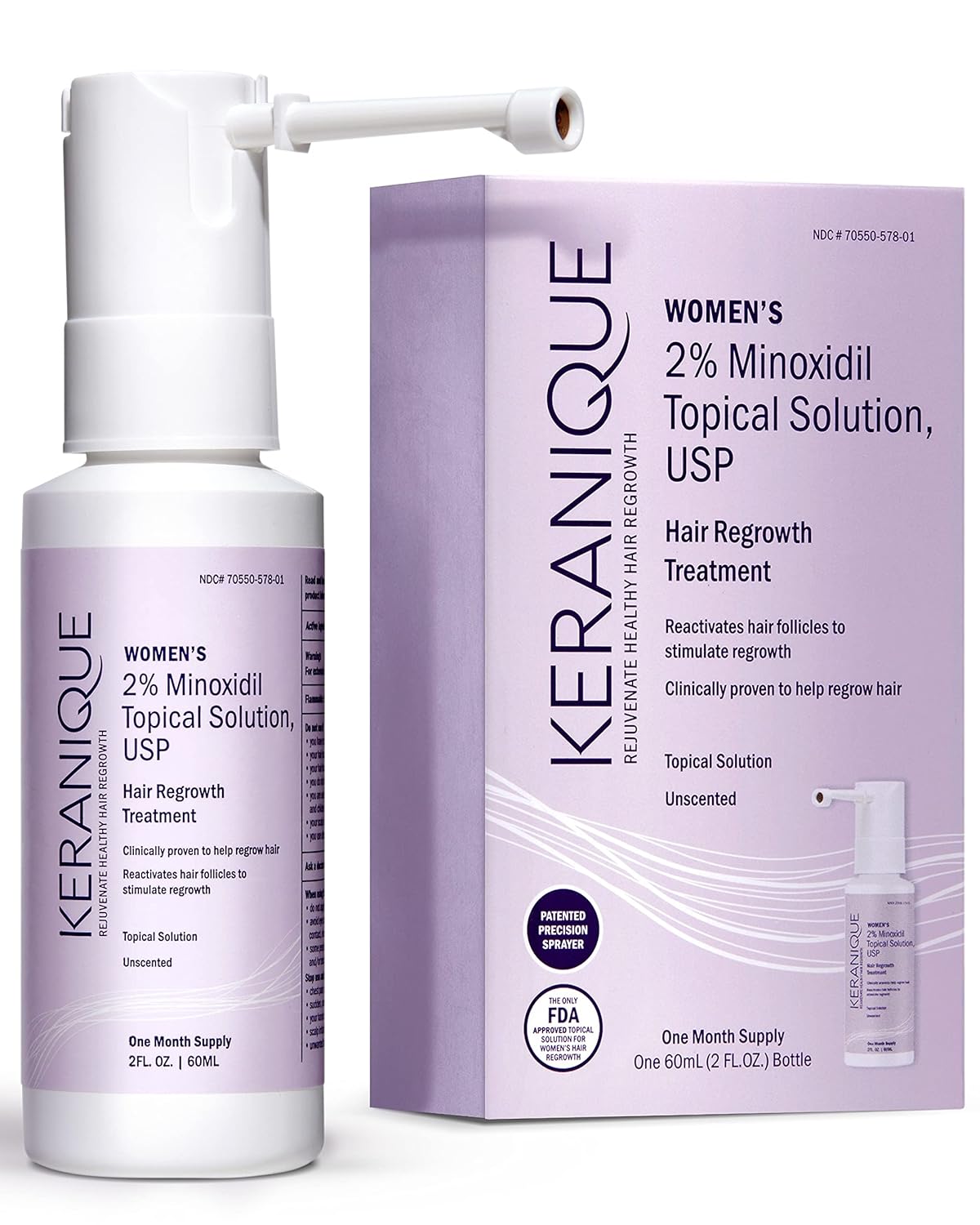
The Keranique Hair Regrowth Treatment is a popular and potent solution, often cited as one of the best hair thinning treatments for postpartum recovery because it uses a proven, FDA-approved ingredient.
This treatment contains 2% Minoxidil, which is clinically shown to help regrow hair. While Minoxidil is widely used, the Keranique formulation is specifically targeted for women, focusing on delivering the active ingredient effectively to the areas experiencing thinning.
One of its unique features is the non-irritating formula designed to work with women’s chemistry. Unlike some stronger treatments, this one aims to be gentle enough for regular use, which is critical when dealing with a sensitive postpartum body.
It’s also often recommended by dermatologists as a reliable, non-prescription option for female hair thinning.
Pros:
- Contains FDA-approved 2% Minoxidil for proven regrowth.
- Specifically formulated for women’s hair and skin needs.
- Non-irritating, gentle formula for daily use.
- Highly effective for improving hair density over time.
Cons:
- Requires daily application and strict consistency.
- Results can take 3 to 4 months to appear.
- May cause initial shedding as part of the process.
The Keranique Regrowth Treatment is a powerful option for serious thinning, thanks to its active ingredient Minoxidil. It’s a commitment, but it’s one of the most reliable methods available over-the-counter for encouraging new growth and tackling the visible effects of postpartum shedding.
2. Nutrafol Postpartum Hair Growth Supplement
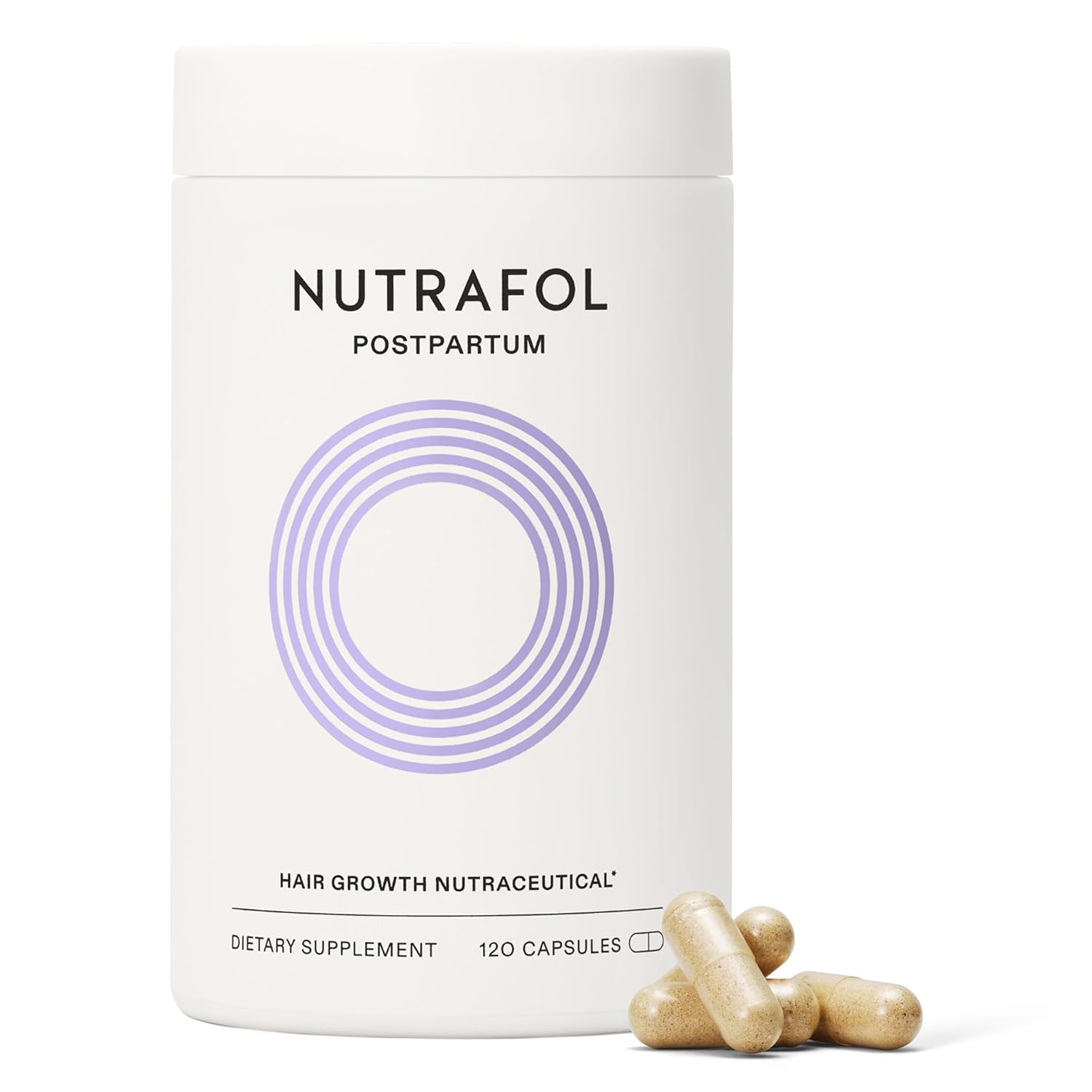
Nutrafol is a well-regarded name, and its Postpartum Hair Growth Supplement is specifically engineered to be one of the best hair thinning treatments for postpartum recovery by working from the inside out.
This hair growth supplement is packed with medical-grade botanicals and vitamins formulated to address the root causes of shedding after childbirth, including stress, hormonal shifts, and nutrient depletion.
The blend includes ingredients like marine collagen, Shatavari, and specialized tocotrienol complexes. These components help regulate stress hormones that contribute to shedding while delivering essential nutrients to the hair follicle.
What’s great is that this formulation is designed to be breastfeeding-friendly and is vetted by many doctors, giving new parents extra peace of mind. It goes beyond simple biotin, addressing inflammation and oxidative stress, which are crucial factors in hair health after a major event like pregnancy.
Pros:
- Targets multiple root causes of postpartum thinning internally.
- Specifically formulated to be safe during breastfeeding.
- Contains potent botanicals like Shatavari and marine collagen.
- Often improves overall hair shine and strength.
Cons:
- It is a premium-priced, long-term commitment.
- Requires taking four large capsules daily.
- As a supplement, it takes several months to see full effects.
Nutrafol Postpartum offers a highly-rated, holistic approach to combatting postpartum hair thinning. By addressing stress and nutrient deficiencies, it supports the body’s recovery and creates an ideal internal environment for healthy hair regrowth, making it a favorite among new parents.
3. VEGAMOUR GRO Hair Serum
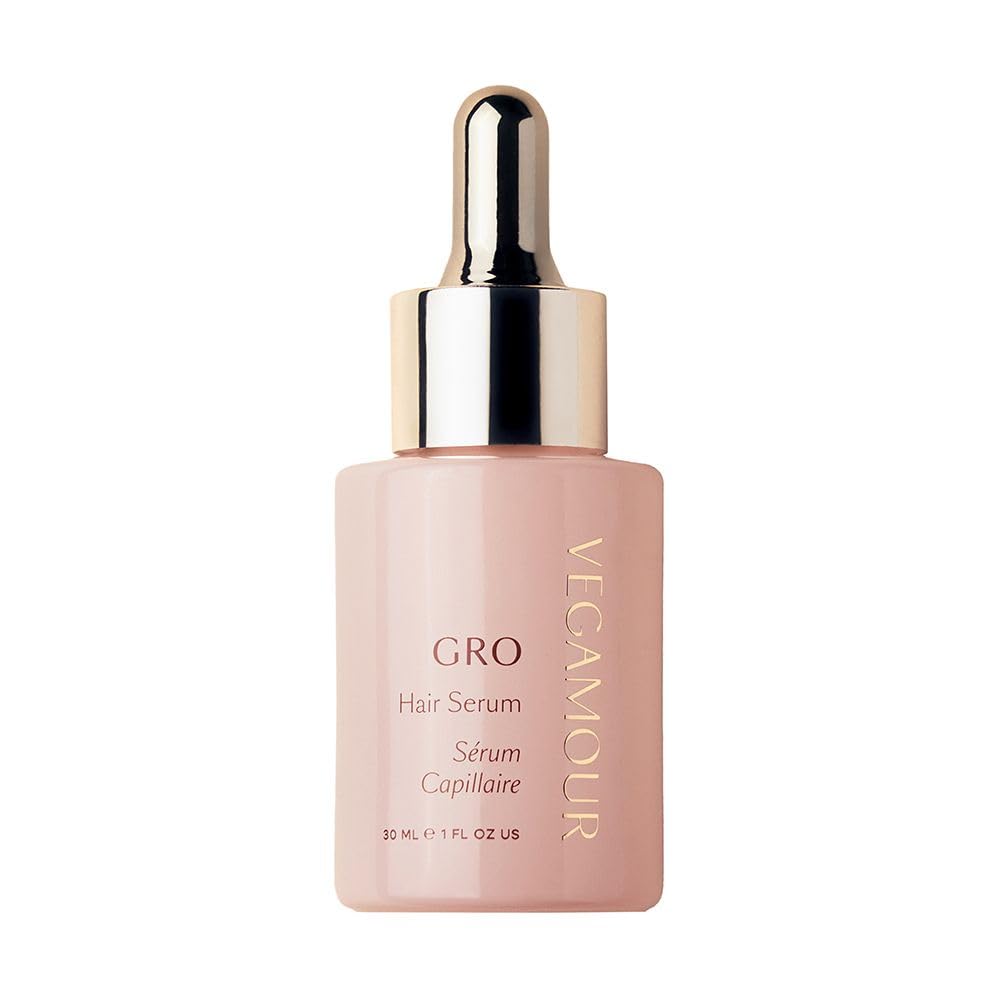
When it comes to topical solutions without Minoxidil, the VEGAMOUR GRO Hair Serum stands out as one of the best hair thinning treatments for postpartum recovery.
This plant-based hair serum uses powerful vegan ingredients like Mung Bean and Red Clover to soothe the scalp and visibly increase hair density. It’s an excellent choice for those who prefer to avoid active drug ingredients.
The lightweight, non-greasy formula is applied directly to the scalp once a day. It works by extending the hair’s growth phase and inhibiting the production of a specific hormone that can be linked to follicle miniaturization. The texture is key; it absorbs quickly, doesn’t weigh the hair down, and has a pleasant, subtle scent.
What truly makes this a top contender is its focus on scalp health, which is foundational for regrowth. By reducing inflammation and increasing circulation, it ensures that emerging new hairs have the best chance to grow in strong and healthy.
Pros:
- 100% vegan, cruelty-free, and hormone-free.
- Lightweight, non-greasy formula that won’t build up.
- Focuses on supporting the growth cycle naturally.
- Pleasant to use and gentle on the scalp.
Cons:
- Results can be less immediate or dramatic than Minoxidil.
- Must be used consistently for 3-4 months.
- Higher price point for a botanical serum.
VEGAMOUR GRO Hair Serum offers a great plant-based alternative for thinning hair treatments. It’s easy to use, gentle on a recovering body, and effectively utilizes natural ingredients to boost scalp health and encourage visibly thicker, fuller hair.
4. Rogaine Women’s 5% Minoxidil Foam
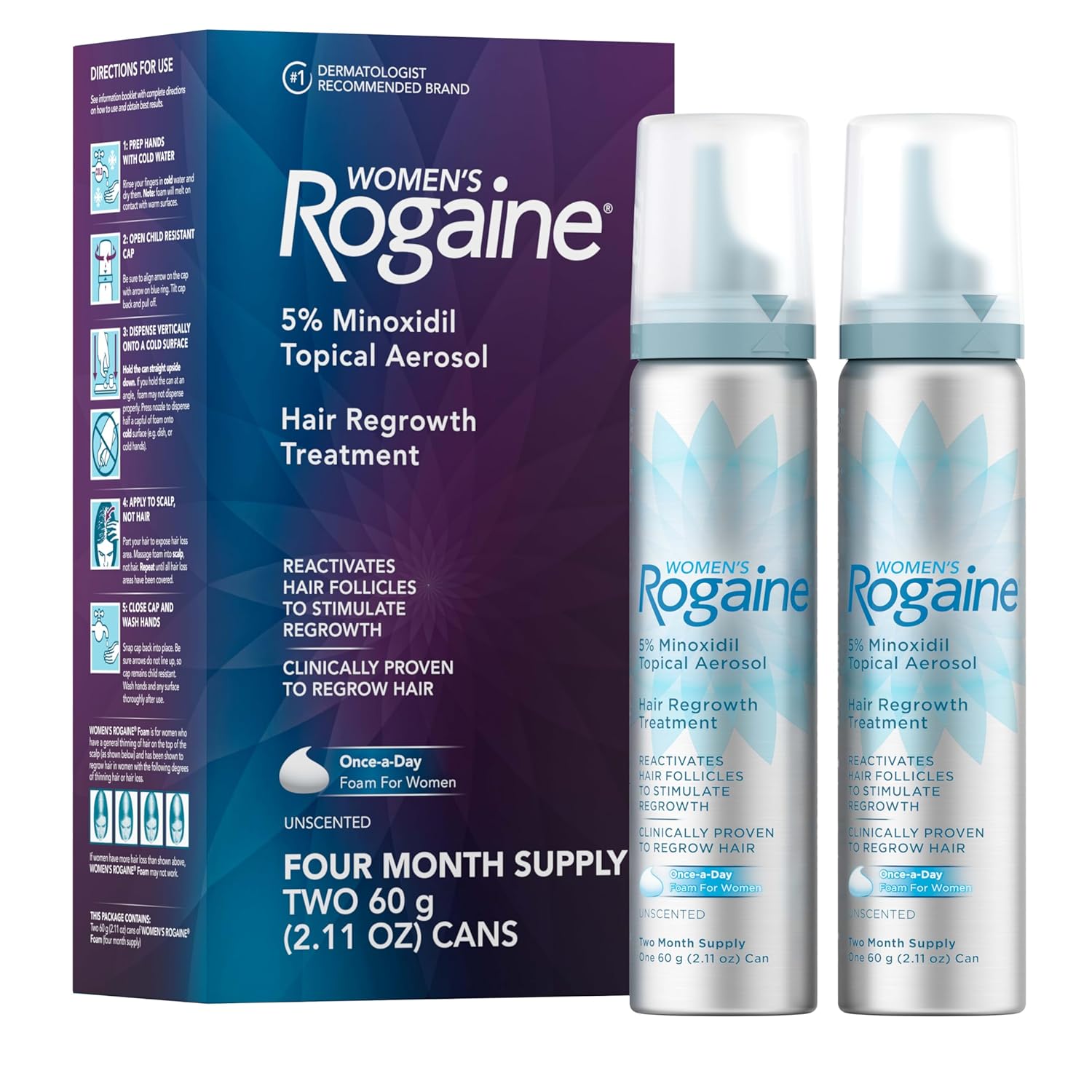
The Rogaine Women’s 5% Minoxidil Foam is a powerhouse solution and a slightly stronger option for the best hair thinning treatments for postpartum recovery compared to the 2% liquid. This product contains 5% Minoxidil in a user-friendly foam format, which many find less messy than the liquid application.
The higher concentration means it is highly effective at stimulating follicles, leading to more dramatic regrowth in some users. You apply the foam once daily directly to the thinning areas of the scalp. It is clinically proven to regrow hair in women and is a trusted name in the industry.
While the 5% concentration is highly effective, it may be a bit strong for those with extremely sensitive skin, so patch-testing is a good idea. However, the foam formulation typically dries faster and doesn’t run, making it a preferred application method for many.
Pros:
- Contains a potent 5% Minoxidil for strong regrowth results.
- Foam format is easy to apply and less messy than liquid.
- A well-established and clinically proven brand.
- Only requires a once-daily application.
Cons:
- Higher concentration may irritate some sensitive scalps.
- Initial shedding is more common with this strength.
- Not a natural or botanical option.
Rogaine 5% Minoxidil Foam is an effective, daily-use product for tackling moderate to severe postpartum hair thinning. The foam makes application simple and fast, giving you a clinically proven treatment from a reliable brand.
5. Pura D’or Hair Thinning Therapy Shampoo
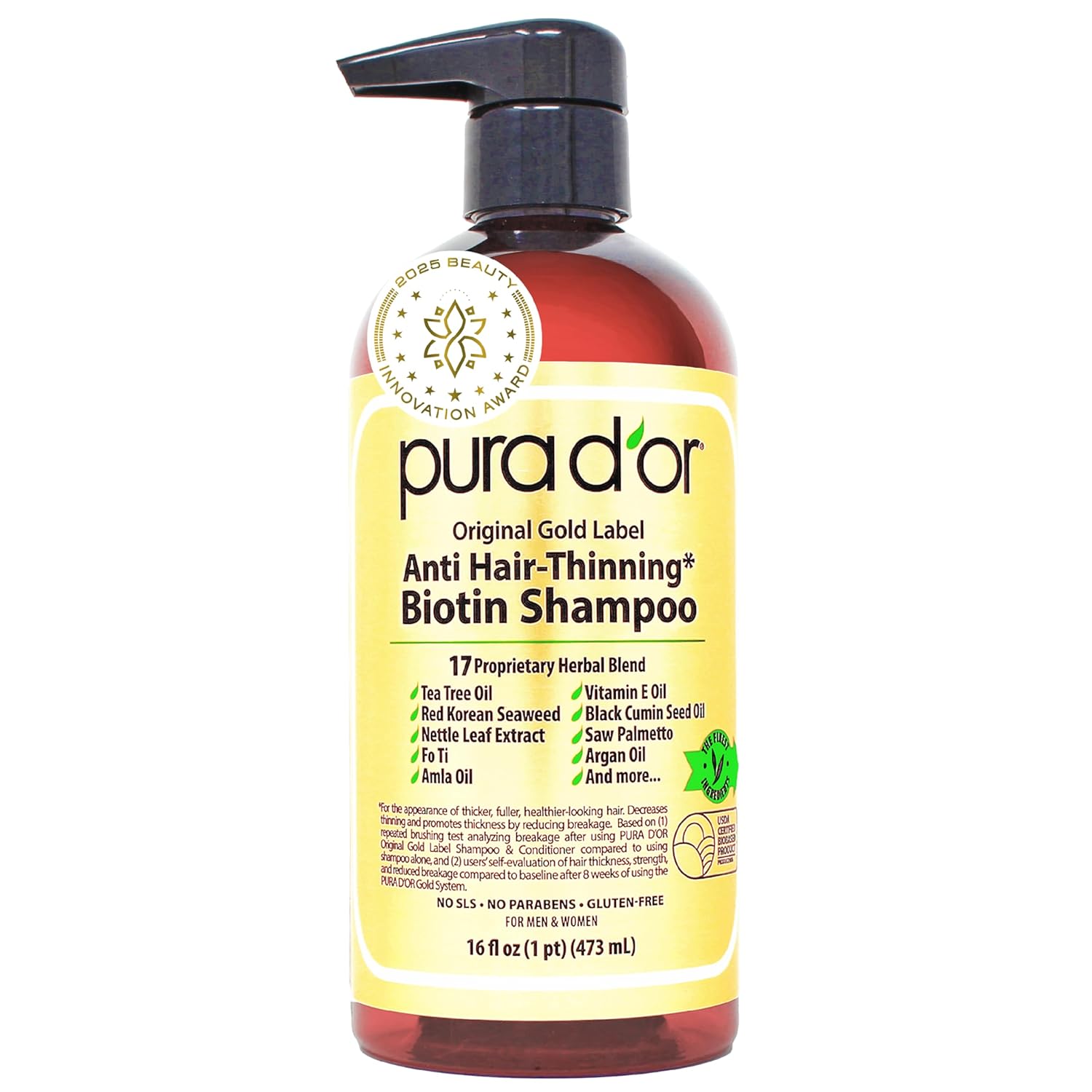
The Pura D’or Hair Thinning Therapy Shampoo is a top-selling choice that integrates hair support into your daily cleanse. It’s a potent blend of 17 key active ingredients, including Argan Oil, Niacin, and Biotin, designed to nourish the scalp.
This formula works by gently cleansing the scalp and removing follicle-clogging debris, which can inhibit new growth. It uses an advanced blend of natural extracts to reduce breakage and add volume to the hair you currently have, making the thinning less noticeable instantly. It’s a great complementary treatment to a serum or supplement.
Because it’s a hair thinning shampoo, it’s one of the easiest treatments to incorporate. However, because it’s a wash-off product, its direct impact on regrowth is generally less intense than a leave-in serum or supplement. It’s best used consistently as part of a multi-step approach.
Pros:
- Easy to use, simply replace your current shampoo.
- Uses a powerful blend of 17 active natural ingredients.
- Cleanses the scalp thoroughly to remove buildup.
- Adds visible volume and reduces breakage.
Cons:
- Less potent for actual regrowth compared to leave-in treatments.
- The scent can be strong for some users.
- Requires lathering and sitting on the scalp for a few minutes.
The Pura D’or Shampoo is a fantastic, accessible way to support hair density and fight thinning daily. It’s perfect for integrating gentle, natural treatment and creating a healthy scalp environment right into your washing routine.
6. The Ordinary Multi-Peptide Serum for Hair Density
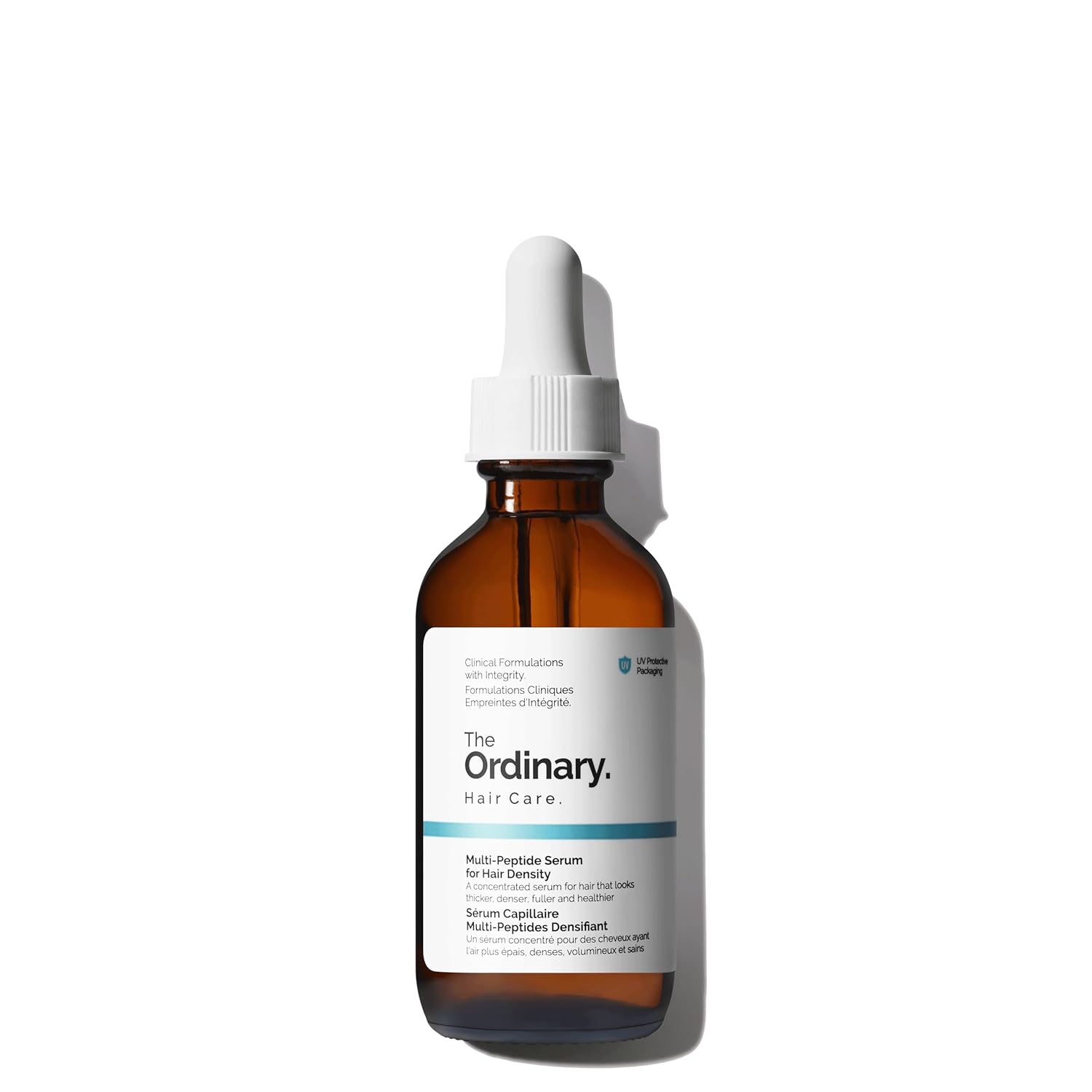
The Ordinary Multi-Peptide Serum is an excellent budget-friendly choice and is surprisingly effective, often ranking among the great value options for best hair thinning treatments for postpartum recovery. It uses concentrated technologies and peptide complexes to promote thicker, denser hair.
The formulation includes Redensyl, Procapil, and various peptide complexes, all delivered in a simple, non-sticky base. You apply a few drops to a clean, dry scalp once a day, ideally before bed. It focuses on increasing blood flow to the scalp and stimulating dormant follicles.
This product is free from harsh chemicals, silicones, and alcohol, making it gentle on the postpartum scalp. It’s an ideal starting point for someone who wants to try a targeted treatment without a massive financial outlay.
Pros:
- Extremely budget-friendly price point.
- Simple, non-greasy formulation.
- Uses recognized, research-backed peptide technologies.
- Vegan, alcohol-free, and silicone-free.
Cons:
- Regrowth results may be subtle for more severe thinning.
- The dropper application can take some getting used to.
- Consistency is absolutely vital for seeing any effect.
The Ordinary Multi-Peptide Serum provides a high-value, no-fuss approach to encouraging hair density. It’s a gentle, science-backed serum that is a great entry point for new parents looking to try out a treatment without a large investment.
Buying Guide: How to Choose the Best Hair Thinning Treatments for Postpartum Recovery
Choosing the right treatment when you’re already juggling life with a newborn can feel overwhelming. Focus on what your body needs and what your routine can sustain. Here’s what to look for when selecting the best hair thinning treatments for postpartum recovery.
1. Ingredient Focus and Safety
The first thing to check is the active ingredients. Do you want a clinical approach or a natural one? Clinical treatments often feature Minoxidil, which is an FDA-approved drug for hair regrowth. It’s effective, but it requires commitment and can sometimes cause initial shedding.
Natural treatments use powerful botanicals, peptides, and vitamins (like biotin, niacin, and saw palmetto). These are often gentler but may take longer to show visible results. Pro tip: If you are breastfeeding, always consult your doctor before starting any supplement or Minoxidil product to ensure it’s safe for you and the baby.
2. Application Method and Consistency
Think practically about your current routine—you have limited time! Treatments come as supplements, leave-in serums/foams, or wash-out products. A supplement (like Nutrafol) works systemically but requires remembering to take pills daily.
A leave-in serum (like VEGAMOUR or Rogaine foam) is targeted and effective but requires an extra few minutes to apply and dry. A shampoo is the easiest to integrate but usually the least potent on its own. The best treatment is the one you will actually use consistently for at least four to six months.
3. Cost and Commitment
Postpartum treatments require a commitment—not just of time, but of money. Hair growth is slow, so you need to be prepared to use the product daily for several months to see results. Budget-friendly options like The Ordinary are great for starting out.
Premium supplements or clinical-strength foams are more costly but may yield faster or more dramatic results. Factor in the long-term cost before you commit, as stopping treatment too early might mean you don’t see the full benefits.
4. Compatibility with Your Hair Type
Consider your hair texture and sensitivity. If your scalp is naturally oily, you might prefer a fast-drying foam or a lightweight serum that won’t weigh your hair down. If your scalp is sensitive, choose a product that is alcohol-free and focuses on soothing botanicals, as the last thing you need is irritation adding to your stress. Look for products that specifically mention they are gentle on the scalp.
Essential Tips for Managing Postpartum Hair Thinning
Finding the best hair thinning treatments for postpartum recovery is only part of the solution. You also need to adjust your hair care practices to reduce stress on your already vulnerable strands. Little changes can make a big difference in how much hair you lose to breakage.
Firstly, be gentle when washing. Use a wide-tooth comb in the shower after applying conditioner to detangle. Avoid brushing your hair when it’s sopping wet, as this is when it is most fragile.
Secondly, minimize heat styling. Giving your hair a break from the blow dryer, straightener, and curling iron will reduce unnecessary damage and breakage. Let it air dry whenever possible.
Thirdly, change your hairstyles. Tight ponytails or buns can create traction alopecia, which adds stress to the hairline, a common area for postpartum thinning. Opt for loose styles or use soft scrunchies instead of tight elastic bands.
These simple adjustments complement your treatment beautifully.
Conclusion
The journey of postpartum hair thinning can feel like a setback, but it’s a chapter, not the whole story. Whether you opt for the clinical strength of Keranique, the inner nourishment of Nutrafol, or the gentle boost of VEGAMOUR, consistency is your key to success. Use your chosen treatment, treat your hair with kindness, and watch as your density begins to return. You’ve got this!
Frequently Asked Questions
1. How long does postpartum hair thinning actually last?
Postpartum hair thinning typically begins around two to four months after giving birth and usually peaks around the four to six-month mark. Most women notice significant improvement and a return to normal hair shedding rates by their baby’s first birthday. Consistent use of hair thinning treatments for postpartum recovery can help speed up the regrowth phase.
2. Can I use Minoxidil treatments while I am breastfeeding?
It is crucial to consult your obstetrician or pediatrician before using any product containing Minoxidil while breastfeeding. While some doctors clear the 2% concentration, others advise against it due to the lack of extensive research on its transfer to breast milk. Always choose a product specifically vetted as safe for the postpartum period, like Nutrafol Postpartum, or get medical clearance first.
3. Will taking a supplement like Biotin alone help my thinning hair?
Biotin is an essential B-vitamin crucial for hair health, but simply taking Biotin alone is often not enough to fully combat postpartum thinning. The best supplements for this issue are comprehensive formulas that address hormonal stress, nutrient depletion, and inflammation, which are the real root causes. Biotin works best when combined with other targeted ingredients, making a specialized product often the more effective choice.
4. How soon after I start a treatment should I expect to see new hair growth?
Patience is key with any hair growth product. Due to the slow nature of the hair cycle, you should expect to use the best hair thinning treatments for postpartum recovery for at least three to four months before you notice a visible reduction in shedding or the appearance of new, short baby hairs. Full results, with noticeable thickness, can take six to twelve months of dedicated use.
5. Are there any specific hairstyles I should avoid while my hair is thinning?
Yes, absolutely. To minimize breakage and stress on your hairline, avoid very tight hairstyles like severe ponytails, high buns, or tight braids. These styles can pull on fragile hair, leading to traction alopecia, which can worsen thinning. Opt for loose styles, soft scrunchies, or simply letting your hair down to prevent unnecessary pulling.