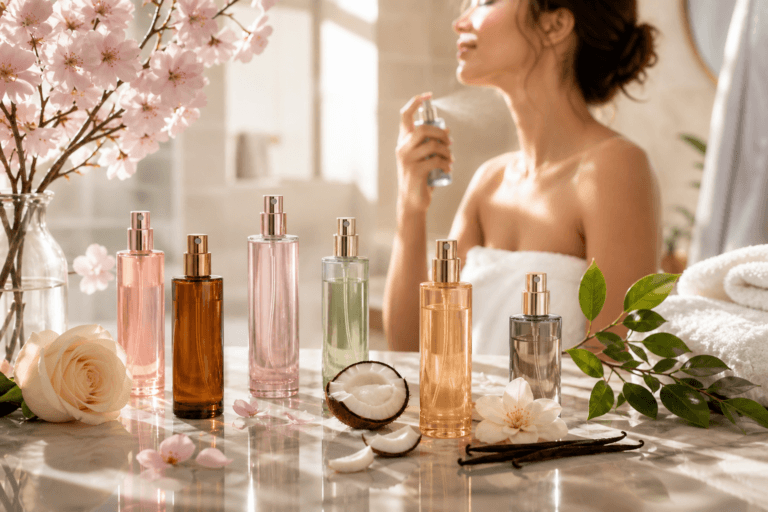
There has been little research on the efficacy of aromatherapy, which is the therapeutic use of essential oils produced from plants. However, some research has shown that aromatherapy may have health advantages.
Below are some of the benefits of aromatherapy and possible risks. But first, what is aromatherapy, and how does it work?
What is Aromatherapy?
Aromatherapy is a natural treatment method that employs natural plant extracts to enhance health and well-being. It is also known as an essential oil treatment.
Aromatherapy is a therapeutic practice that employs fragrant essential oils to promote the health of the body, mind, and soul. It benefits both physical and mental well-being.
It is recognized as both an art and a science. Aromatherapy has recently attracted increased attention in the domains of science and medicine.
How Does Aromatherapy Treatment Work?
Aromatherapy uses things like these to operate via the sense of smell and skin absorption:
Diffusers, fragrant spritzers, inhalers, bath salts, massage oils, creams, or lotions for topical application, and face steamers. You may use them individually or in any combination.
There are approximately a hundred different kinds of essential oils. The essential oils are not regulated by the FDA, it is critical to purchase from a trustworthy manufacturer. This assures that you are purchasing a high-quality, natural product. There should be no additions or synthetic components in it.
Each essential oil has its own set of medicinal powers, applications, and consequences. Creating a synergistic combination of essential oils provides even more advantages.
What are the Best Oils for Aromatherapy?
The most common essential oils, according to the National Association for Holistic Aromatherapy, are:
- Clary sage
- Eucalyptus
- Cypress
- Fennel
- Geranium
- Ginger
- Helichrysum
- Lavender
- Lemon
- Lemongrass
- Mandarin
- Neroli
- Patchouli \speppermint
- Rose of Roman Chamomile
- Rosemary
- Tea tree
- Vetiver
- Ylang ylang
Benefits of Aromatherapy
1. Reduce Stress and Anxiety
Stress is a natural aspect of life and affects everyone differently. While avoiding it is practically impossible, there are strategies to manage stress.
Lavender essential oil has been clinically shown to alleviate stress. Furthermore, lavender relaxes the neurological system by reducing blood pressure and heart rate and rewiring brain waves.
Lavender, lemongrass, geranium, jasmine, and chamomile are the best essential oils for stress.
According to the Anxiety and Depression Association of America, 18.1 percent of people in the United States had an anxiety condition in the previous year. Every day, 40 million individuals suffer from this mental ailment! As a consequence, more individuals are seeking a natural cure, which is why essential oils have grown in popularity.
In a study conducted by the American College of Healthcare Sciences, patients were given hand massages once a day for one week with an essential oil blend of lavender, bergamot, and frankincense.
Patients reported less pain and depression, and the findings confirmed that massage with this essential oil blend has a greater healing power than massage alone for pain and depression management.
2. Boosts Focus and Energy
The good news is that there are essential oils that may energize your senses and put a spring in your step. All citrus oils, particularly lemon, are high in antioxidant terpenes like limonene, which have inherently stimulating properties.
Peppermint improves exercise performance, enhances brain oxygen concentration, and performance, and minimizes weariness, according to research published in the Journal of the International Society of Sports Nutrition.
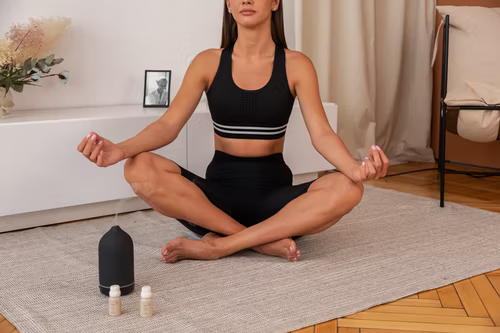
Are you ready to say goodbye to weariness and feel invigorated all day? When life hands you lemons, smell them! Peppermint and lemon are the best essential oils for boosting energy.
Do you find it difficult to focus on the work at hand? Essential oils may help you improve your focus, memory, and cognitive ability.
One of the most common reasons individuals use essential oils is to improve brain function. Aromatherapy, which contains antioxidants that combat free radicals, is beneficial to those suffering from Alzheimer’s disease, dementia, and other mental diseases.
Best Essential Oils for Improving Concentration: rosemary, basil, and sage.
3. Improves Sleep
Essential oils are renowned as efficient sleep aids due to their inherent calming effects. Lavender oil has been shown in studies to enhance comfortable sleep.
According to research published in Nursing in Critical Care, Lavender oil increased sleep quality among cardiac critical care unit patients. Participants who breathed lavender oil for 15 days had significantly better sleep quality than the control group who did not receive treatment.
Chamomile, ylang-ylang, and bergamot are the best essential oils for improving sleep.
4. Improves Immune System
Antibiotic resistance is becoming a major issue in modern medicine. Here is where essential oils come into play.
Essential oils can help fight infections because of their anti-inflammatory properties. Oregano, for example, is well-known for its antiviral and antibacterial properties, which protect the body from bacterial infections.
Best Essential Oils for Immune Support: oregano, ginger, myrrh, eucalyptus, frankincense.
5. Balancing the Hormone Levels
Do you have PCOS or infertility? Rose and geranium essential oils have been clinically shown to aid ladies who are having estrogen difficulties.
According to research published in Neuro Endocrinology Letters, essential oils may impact estrogen and aid women suffering menopausal symptoms, and decrease estrogen levels.
Sage, geranium, and thyme are the best essential oils to use to balance your hormones.
6. Minimizes Physical Pain
According to a paper published in Pain Research and Treatment, aromatherapy had a larger favorable influence on pain reduction than placebos or control therapies, notably gynecological, postoperative, and obstetrical pain.
Eucalyptus, turmeric, chamomile, thyme, and ginger are the best essential oils for relieving physical pain.
7. Improves Digestion
Essential oils may assist digestive health by activating digestive enzymes, which aid in nutritional breakdown.
Ginger oil has been shown to alleviate stomach discomfort and relieve gas. Peppermint is beneficial in the treatment of IBS.
Ginger, peppermint, fennel, and juniper berries are the best essential oils for digestion.
8. Enhances Mood
Aromatherapy can significantly enhance your mood by uplifting your spirits and creating a more positive mental state. Essential oils like citrus (orange, lemon) and peppermint can stimulate the release of serotonin, a neurotransmitter associated with happiness.
Whether you’re feeling down, unmotivated, or mentally fatigued, inhaling these oils can provide an instant mood boost, making it easier to tackle the day with a more positive attitude.
Beauty Benefits of Aromatherapy
1. Nourishing and Rejuvenating the Skin
One of the primary beauty benefits of aromatherapy is its ability to nourish and rejuvenate the skin. Essential oils like lavender, rosehip, and frankincense possess potent antioxidants and anti-inflammatory properties that can address various skin concerns.
Lavender oil, for instance, is known for its soothing properties, making it an excellent choice for calming irritated or sensitive skin. Rosehip oil is rich in vitamins A and C, promoting collagen production and reducing the appearance of fine lines and wrinkles. Frankincense oil aids in skin regeneration, helping to maintain a youthful and radiant complexion.
2. Glowing Complexion
Aromatherapy is a powerful tool for stress reduction, and a stress-free mind is reflected in the complexion. Stress has been linked to various skin issues, including acne, eczema, and premature aging. Essential oils such as chamomile, bergamot, and ylang-ylang are renowned for their stress-relieving properties.
Chamomile oil, with its calming aroma, can alleviate stress and anxiety, promoting a more radiant complexion. Bergamot oil is uplifting and can help combat stress-induced skin issues. Ylang-ylang oil is not only a mood enhancer but also aids in balancing oil production, making it suitable for both oily and dry skin types.
3. Balancing and Clearing Problematic Skin
Aromatherapy can be a game-changer for those dealing with problematic skin conditions. Essential oils with antibacterial and anti-inflammatory properties can help balance oil production and clear blemishes.
Tea tree oil, for example, is renowned for its antibacterial and antifungal properties, making it effective in treating acne. Eucalyptus oil is known for its cooling sensation and ability to reduce inflammation, making it beneficial for those with irritated or acne-prone skin. Using these oils into your skincare routine can contribute to a clearer and more balanced complexion.
4. Enhancing Hair Health and Luster
Beyond skincare, aromatherapy extends its beauty benefits to hair health. Essential oils can be potent allies in promoting a healthy scalp, preventing hair loss, and enhancing luster.
Peppermint oil is known for its cooling sensation and can stimulate blood flow to the scalp, promoting hair growth. Rosemary oil is rich in antioxidants and can improve circulation, leading to healthier hair. Ylang-ylang oil, in addition to its skin benefits, can add a beautiful fragrance to your hair while promoting a healthy scalp.
5. Boosting Confidence and Positive Self-Image
Aromatherapy’s impact on mental and emotional well-being is a key aspect of its beauty benefits. Essential oils have the power to uplift mood, boost confidence, and enhance positive self-image.
Citrus oils like orange, lemon, and grapefruit are known for their invigorating and mood-boosting properties. Inhaling these vibrant scents can have an immediate uplifting effect, fostering a positive mindset and radiating confidence from within.
6. Alleviating Headaches and Tension
Headaches and tension can take a toll on your overall well-being and appearance. Aromatherapy offers a natural and soothing way to alleviate these common issues.
Peppermint oil, with its cooling sensation, is renowned for relieving headaches and migraines. Eucalyptus oil can also provide relief from tension and sinus congestion. Applying diluted oils to the temples or inhaling their aroma can provide quick relief, allowing you to maintain a refreshed and stress-free appearance.
How to Use Aromatherapy for Relaxation
Using aromatherapy into your life is simple, and there are many ways to enjoy the calming benefits of essential oils. Here are a few effective methods:
1. Inhalation
The simplest way to use aromatherapy is by inhaling the scent of essential oils. You can do this by using an essential oil diffuser or adding a few drops of oil to a tissue or cotton ball. Inhaling the aroma deeply for several minutes can provide immediate relaxation and stress relief.
2. Massage
Essential oils can be diluted with a carrier oil, such as coconut or jojoba oil, and applied to the skin. Massaging the mixture into areas of tension, like the neck, shoulders, or feet, allows the oils to penetrate the skin and relax the muscles. This method is particularly effective for relieving physical stress and promoting relaxation.
3. Bath Soaks
Adding a few drops of essential oils to a warm bath can create a luxurious and calming experience. The heat of the water enhances the effects of the oils, promoting both physical and mental relaxation. Lavender, chamomile, and rose are popular oils for a relaxing bath.
4. Pillow Sprays
For those who have trouble sleeping, spraying your pillow with a lavender-infused mist can help you relax and fall asleep faster. The gentle scent of lavender works throughout the night to calm the mind and body, leading to better sleep quality.
Are there Side Effects of Aromatherapy?
The majority of essential oils are completely safe to use. However, there are certain precautions you should take while taking them and potential negative effects to be aware of, particularly if you use prescription drugs.
Do not apply essential oils to your skin. To dilute the oils, always add carrier oil. Before utilizing essential oils, always do a skin patch test. Citrus essential oils should be avoided if you are exposed to sunshine since they may make your skin more susceptible to the sun.
Essential oils should be used with care and under the supervision of a doctor by children and women who are pregnant or nursing. Some oils should be avoided, and essential oils should never be swallowed.
The following are some of the negative effects of using essential oils:
- Rashes
- Asthma flare-ups
- Allergic reactions
- Headaches
- Nausea caused
- Skin inflammation
Use essential oils with care if you have asthma, hay fever, epilepsy, elevated blood pressure, eczema, and psoriasis.
Conclusion
Aromatherapy offers a natural, gentle way to reduce stress, enhance relaxation, and improve overall well-being. With its wide range of benefits, from calming the mind to soothing sore muscles, aromatherapy is a powerful tool for managing the daily stressors of life. By incorporating essential oils into your routine, you can create a peaceful, balanced environment that supports both your mental and physical health.
Frequently Asked Questions (FAQs)
1. What is the best essential oil for stress relief?
Lavender is often considered the best essential oil for stress relief due to its calming and soothing properties. However, other oils like chamomile and bergamot are also highly effective.
2. How do I use essential oils for relaxation?
You can use essential oils for relaxation by diffusing them, adding them to a bath, using them in a massage, or simply inhaling their scent from a cotton ball or tissue.
3. Can aromatherapy help with anxiety?
Yes, aromatherapy can help reduce anxiety. Essential oils like lavender, ylang-ylang, and frankincense have been shown to lower stress hormones and create a sense of calm.
4. How often should I use aromatherapy?
Aromatherapy can be used daily or as needed, depending on your stress levels and personal preferences. Some people use it in the evenings to relax, while others use it during stressful periods throughout the day.
5. Are there any side effects of using essential oils?
While essential oils are generally safe when used correctly, they can cause skin irritation if applied undiluted. Always mix essential oils with a carrier oil before applying them to your skin, and avoid contact with eyes and mucous membranes.
6. Can I use aromatherapy during pregnancy?
Certain essential oils should be avoided during pregnancy, such as clary sage, rosemary, and peppermint. It’s essential to consult with a healthcare provider before using aromatherapy while pregnant.
7. Is aromatherapy scientifically proven to reduce stress?
Yes, several studies have shown that aromatherapy can effectively reduce stress and anxiety. The scent of essential oils can influence the brain’s limbic system, helping to lower cortisol levels and promote relaxation.
8. Can aromatherapy replace traditional skincare products?
While aromatherapy offers numerous beauty benefits, it’s not a direct replacement for traditional skincare products. Instead, it complements your existing routine, enhancing its effectiveness.
9. How should I incorporate aromatherapy into my skincare routine?
You can add a few drops of essential oils to your moisturizer, create a DIY facial mist, or use a diffuser to enjoy the aromatherapeutic benefits. Always dilute essential oils and perform a patch test to avoid skin irritation.
10. Are there any essential oils to avoid for certain skin types?
Individuals with sensitive skin may want to avoid strong oils like cinnamon or clove. Always patch test new oils and consult with a dermatologist if you have specific skin concerns.