


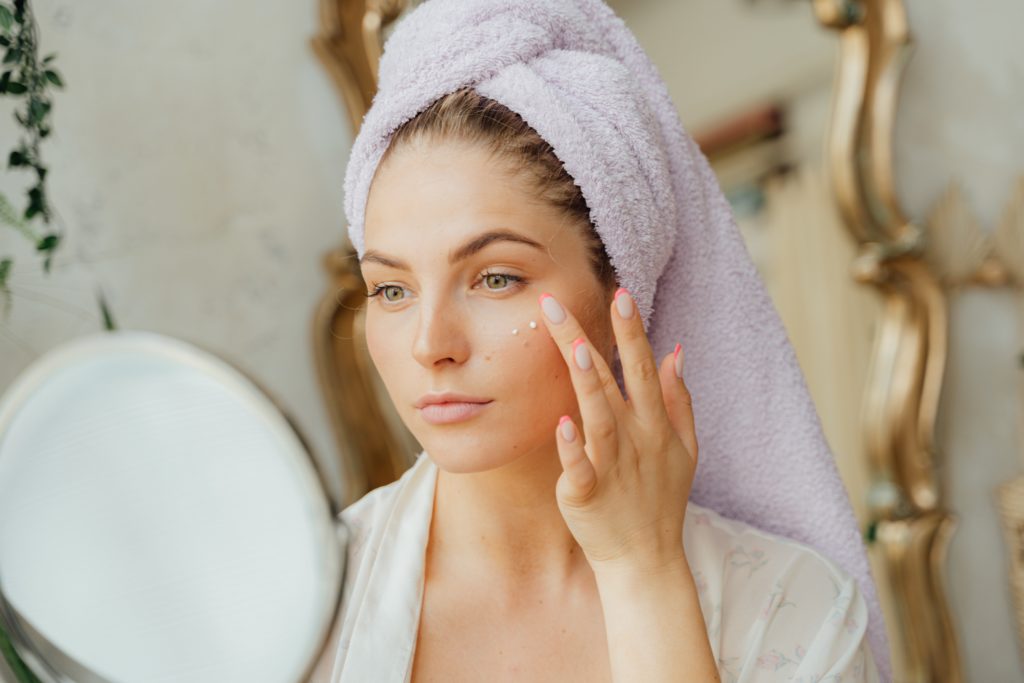
Picture this: you diligently follow your skincare routine, religiously applying your moisturizer day and night, only to find that your skin remains dry, flaky, and lackluster. It can be frustrating and puzzling, leaving you questioning the effectiveness of your moisturizer. But fear not!
In this article, we will delve into the reasons why your moisturizer is not working as expected and provide you with valuable insights and solutions to help you achieve the hydrated, glowing skin you desire.
What are Moisturizers?
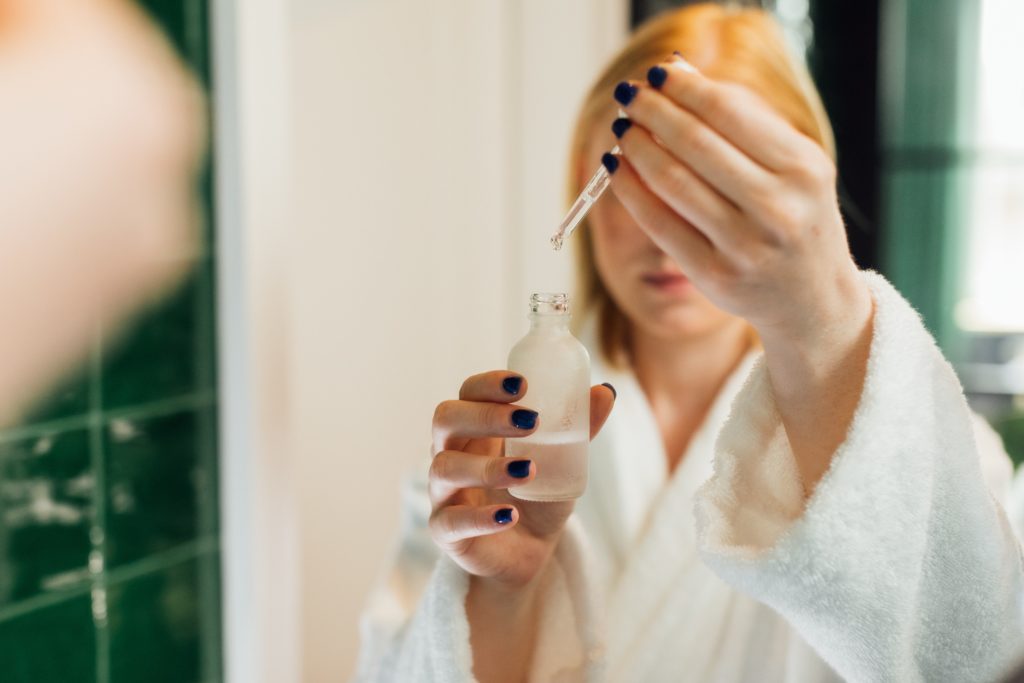
Before we dive into the reasons behind your moisturizer’s lackluster performance, it’s important to understand what moisturizers are and how they function. Moisturizers are skincare products designed to hydrate and nourish the skin, creating a protective barrier that hair in moisture.
They come in various forms, such as creams, lotions, gels, and serums, catering to different skin types and preferences. Key ingredients commonly found in moisturizers include humectants, emollients, occlusives, and various beneficial additives like vitamins and antioxidants.
Factors Affecting Moisturizer Effectiveness
Now that we have a basic understanding of moisturizers, it’s crucial to recognize the various factors that can impact their effectiveness. Your skin type, environmental factors, lifestyle habits, product selection, and application technique all play significant roles in determining how well your moisturizer performs.
Skin type and condition, such as oily, dry, or sensitive skin, influence the type of moisturizer you should choose. Additionally, climate and environmental factors, like humidity and pollution, can affect the way your skin absorbs and retains moisture. Your overall lifestyle habits, including diet, hydration, and sleep, can also impact the effectiveness of your moisturizer.
Common Reasons Why Your Moisturizer is Not Working
- Insufficient hydration: If you’re not hydrating your skin from within, your moisturizer may struggle to do its job effectively. Drinking an adequate amount of water daily is crucial for maintaining hydrated skin.
- Barrier damage and impaired absorption: Skin conditions like eczema, psoriasis, or a compromised moisture barrier can hinder your moisturizer’s effectiveness. Repairing and strengthening the skin barrier can help your moisturizer work more efficiently.
- Incompatible or comedogenic ingredients: Some moisturizers contain ingredients that may not suit your skin type or might clog your pores, leading to breakouts or lack of absorption. Understanding your skin’s sensitivities and choosing compatible products is essential.
- Product overload or underuse: Using too much or too little moisturizer can affect its effectiveness. Finding the right balance and following the recommended usage guidelines can make a significant difference.
- Allergic reactions or sensitivities: Allergic reactions to specific ingredients in moisturizers can cause skin irritation, redness, or itching. Identifying and avoiding these triggers is vital for optimal results.
- Unrealistic expectations: It’s important to have realistic expectations regarding your moisturizer’s abilities. While it can improve hydration and skin health, it may not magically solve all skincare concerns or reverse the effects of aging.
Troubleshooting and Solutions for Moisturizers
- Hydration and overall skincare routine: Ensure you’re hydrating your body from within by drinking enough water and incorporating hydrating products like serums or mists into your skincare routine.
- Patch testing and ingredient awareness: Perform patch tests before introducing new moisturizers to your skincare regimen and be mindful of ingredients that may trigger adverse reactions. Understanding ingredient labels can help you make informed choices.
- Adjusting product usage and frequency: Experiment with the amount and frequency of moisturizer application to find what works best for your skin. Sometimes, less is more, while other times, you may need to increase usage for better results.
- Seeking professional advice: If you’ve tried various moisturizers without success, consider consulting a dermatologist or skincare professional. They can assess your skin’s needs and recommend suitable products or skin treatments.
- Managing expectations and setting realistic goals: Remember that skincare is a journey, and results take time. Set realistic expectations, be patient, and focus on achieving healthy, well-hydrated skin rather than immediate miracles.
Conclusion
A moisturizer that fails to deliver the expected results can be disheartening. However, by understanding the factors that affect its effectiveness and implementing troubleshooting techniques, you can enhance your skincare routine and achieve the moisturized, radiant skin you desire. Remember to maintain a balanced approach, nourishing your skin from within and consulting professionals when necessary.
FAQs
1. What are the different types of moisturizers?
- Creams: Ideal for dry or mature skin due to their thicker consistency.
- Lotions: Lighter in texture, suitable for normal to combination skin.
- Gels: Lightweight and water-based, ideal for oily or acne-prone skin.
- Serums: Concentrated formulas designed to target specific skin concerns.
2. How often should you apply moisturizer?
Generally, moisturizers should be applied twice daily, in the morning and evening, after cleansing and toning your skin.
3. Can using too much moisturizer be harmful?
Yes, overusing moisturizer can potentially clog pores or cause a greasy residue. Follow the recommended usage guidelines and adjust according to your skin’s needs.
4. What should I do if my moisturizer causes irritation?
If your moisturizer causes irritation, discontinue use and switch to a gentler, hypoallergenic option. Consult a dermatologist if the irritation persists.
5. Is it necessary to moisturize if you have oily skin?
Yes, oily skin still requires moisturization to maintain a healthy moisture balance. Look for oil-free or lightweight formulas specifically designed for oily skin.