


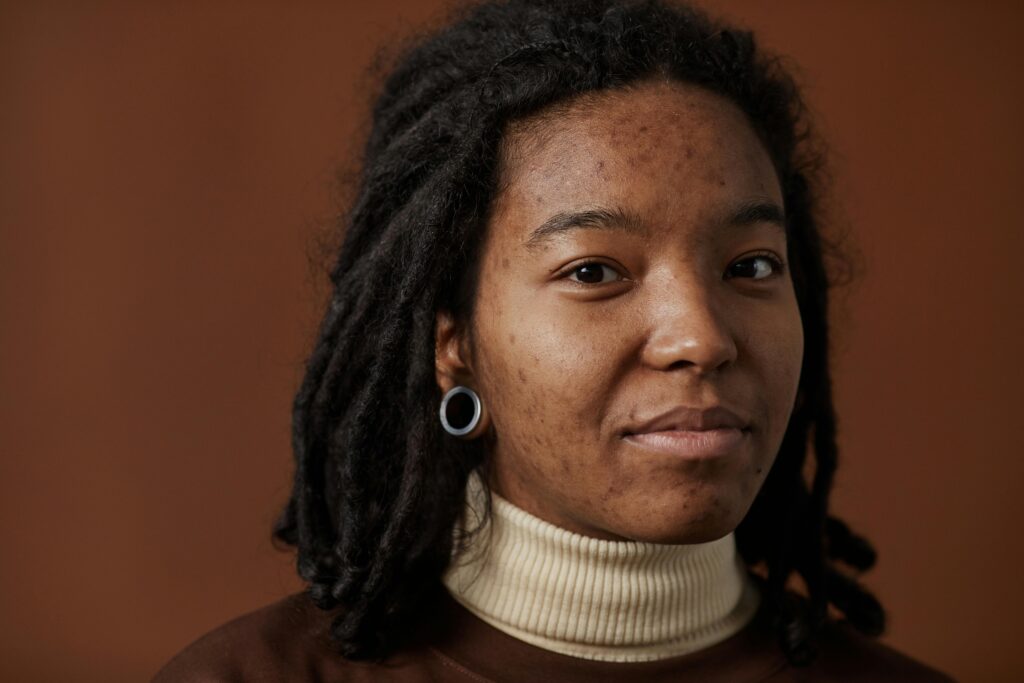
Acne is a common skin condition affecting millions worldwide, often emerging during adolescence but also persisting into adulthood. Understanding the different types of acne and their treatments is crucial for effective management and achieving clearer skin. This comprehensive guide explores the various forms of acne, their causes, and the most effective treatment options available.
1. Types of Acne
Acne manifests in several forms, each with distinct characteristics and treatment needs. Here’s an overview of the most common types:
1.1. Comedonal Acne
Description: Comedonal acne is characterized by the presence of comedones, which are non-inflammatory acne lesions. There are two types of comedones:
- Blackheads (Open Comedones): These appear as small, dark spots on the skin’s surface. The dark color is due to oxidized melanin, not dirt.
- Whiteheads (Closed Comedones): These are small, flesh-colored bumps under the skin’s surface. They occur when pores are clogged with dead skin cells and sebum.
Treatment:
- Topical Retinoids: Products like adapalene or tretinoin help unclog pores and prevent new comedones from forming.
- Salicylic Acid: This ingredient exfoliates the skin and clears out clogged pores.
- Regular Cleansing: Using a gentle cleanser twice daily helps reduce the buildup of oil and dead skin cells.
1.2. Inflammatory Acne
Description: Inflammatory acne is characterized by redness and swelling due to inflammation. It includes:
- Papules: Small, red, tender bumps that do not have a white center. They are inflamed but not yet filled with pus.
- Pustules: Similar to papules but filled with pus. They are red at the base with a white or yellowish center.
Treatment:
- Topical Antibiotics: Products containing clindamycin or erythromycin reduce inflammation and bacterial growth.
- Benzoyl Peroxide: This helps kill acne-causing bacteria and reduce inflammation.
- Oral Antibiotics: For more severe cases, doctors may prescribe oral antibiotics like doxycycline or minocycline.
1.3. Cystic Acne
Description: Cystic acne is one of the most severe forms of acne, characterized by large, painful, and deep cysts. These cysts form beneath the skin’s surface and can lead to significant scarring.
Treatment:
- Oral Isotretinoin (Accutane): This powerful medication is used for severe cystic acne. It reduces oil production and prevents clogged pores.
- Corticosteroid Injections: For immediate relief, corticosteroids can be injected directly into cysts to reduce inflammation and pain.
- Topical Retinoids: Used in conjunction with other treatments to prevent further cyst formation.
1.4. Nodular Acne
Description: Nodular acne involves larger, hard, painful lumps that form deep within the skin. These nodules are similar to cysts but are generally smaller and less fluid-filled.
Treatment:
- Topical and Oral Retinoids: These help reduce the size and severity of nodules by preventing clogged pores.
- Oral Antibiotics: To control inflammation and reduce bacterial growth.
- Hormonal Therapy: For females, hormonal treatments like birth control pills can help regulate hormones that trigger acne.
1.5. Acne Rosacea
Description: Acne rosacea is often confused with regular acne but is a distinct condition. It typically affects adults and is characterized by facial redness, visible blood vessels, and small, pus-filled bumps.
Treatment:
- Topical Medications: Such as metronidazole or azelaic acid to reduce redness and inflammation.
- Oral Antibiotics: Like tetracycline or minocycline for more severe cases.
- Laser Therapy: Can help reduce visible blood vessels and redness.
2. General Acne Treatment Strategies
Regardless of the type of acne, some general strategies can help manage and reduce acne:
2.1. Skincare Routine
- Cleansing: Use a gentle, non-comedogenic cleanser twice daily to remove excess oil and dirt.
- Exfoliation: Regular exfoliation with products containing salicylic acid or alpha hydroxy acids can help prevent clogged pores.
- Moisturizing: Even if you have oily skin, use a non-comedogenic moisturizer to keep the skin hydrated.
2.2. Lifestyle Adjustments
- Diet: Maintain a balanced diet rich in fruits, vegetables, and whole grains. Some studies suggest that high-glycemic foods and dairy products may exacerbate acne.
- Hydration: Drink plenty of water to keep your skin hydrated and support overall health.
- Stress Management: Stress can trigger or worsen acne, so incorporate stress-reducing activities like exercise or meditation into your routine.
2.3. Professional Treatments
- Chemical Peels: Professional peels using acids like glycolic or salicylic can help exfoliate the skin and reduce acne.
- Light and Laser Therapy: These treatments target acne-causing bacteria and reduce inflammation.
- Extraction Procedures: Performed by dermatologists to remove blackheads and whiteheads safely.
Conclusion
Understanding the different types of acne and their specific treatments is essential for managing this common skin condition effectively. By identifying the type of acne you have, you can tailor your treatment approach to address the underlying causes and symptoms. Whether through topical treatments, lifestyle adjustments, or professional therapies, a comprehensive approach can help you achieve clearer, healthier skin.
Frequently Asked Questions (FAQs)
1. What is the difference between blackheads and whiteheads?
Blackheads are open comedones where the clogged pore is exposed to air, causing it to darken. Whiteheads are closed comedones with a clogged pore under the skin, leading to small, flesh-colored bumps.
2. How can I treat acne scars?
Acne scars can be treated with various methods, including chemical peels, microdermabrasion, and laser therapy. Topical treatments with ingredients like retinoids and vitamin C can also help improve skin texture and appearance.
3. Are there any home remedies for acne?
Some effective home remedies include honey, green tea extract, and aloe vera, which have anti-inflammatory and antibacterial properties. However, it’s essential to use them in conjunction with conventional treatments for best results.
4. When should I see a dermatologist for acne?
Consult a dermatologist if your acne is severe, persistent, or not responding to over-the-counter treatments. A dermatologist can provide prescription medications and advanced treatments tailored to your specific needs.
5. Can diet affect acne?
Certain foods, particularly those high in sugars and dairy, may trigger or worsen acne in some individuals. Maintaining a balanced diet and monitoring your skin’s reaction to different foods can help manage acne.
6. How long does it take for acne treatments to work?
The effectiveness of acne treatments can vary. Generally, you may start to see improvements within 4-6 weeks, but it can take several months for significant results. Consistency and patience are key to successful acne management.