


Having luscious, hydrated hair is a goal for many individuals with natural hair. However, maintaining optimal moisture levels can be a challenging task. Dryness, frizz, and breakage are common concerns due to inadequate hydration. Fortunately, with the right knowledge and practice, you can effectively hydrate your natural hair at home and unlock its true potential.
This comprehensive beginner’s guide will equip you with essential techniques, DIY recipes, and maintenance tips to help you hydrate natural hair at home.
Factors Affecting Hair Hydration
Several factors influence how well your hair retains moisture. Understanding these factors will help you tailor your hydration routine to meet your hair’s needs.
Climate and weather conditions are significant, as humidity levels and extreme temperatures can affect your hair’s moisture balance.
Additionally, factors such as hair porosity levels, type and texture, hair care products, and lifestyle habits impact how effectively your hair absorbs and retains moisture.
Preparing for Hair Hydration
To kickstart your hair hydration journey, assessing your hair’s porosity is crucial, which determines its ability to absorb and retain moisture. Understanding your hair’s porosity level will help you select the right products and techniques.
You’ll also need to identify suitable hair care products, such as sulfate-free shampoos, deep conditioners, leave-in conditioners, and moisturizers.
Equipping yourself with the necessary tools and accessories, including a wide-toothed comb, spray bottle, microfiber towel or cotton t-shirt, and satin or silk scarf/pillowcase, will make the hydration process more manageable.
Hydration Techniques for Natural Hair
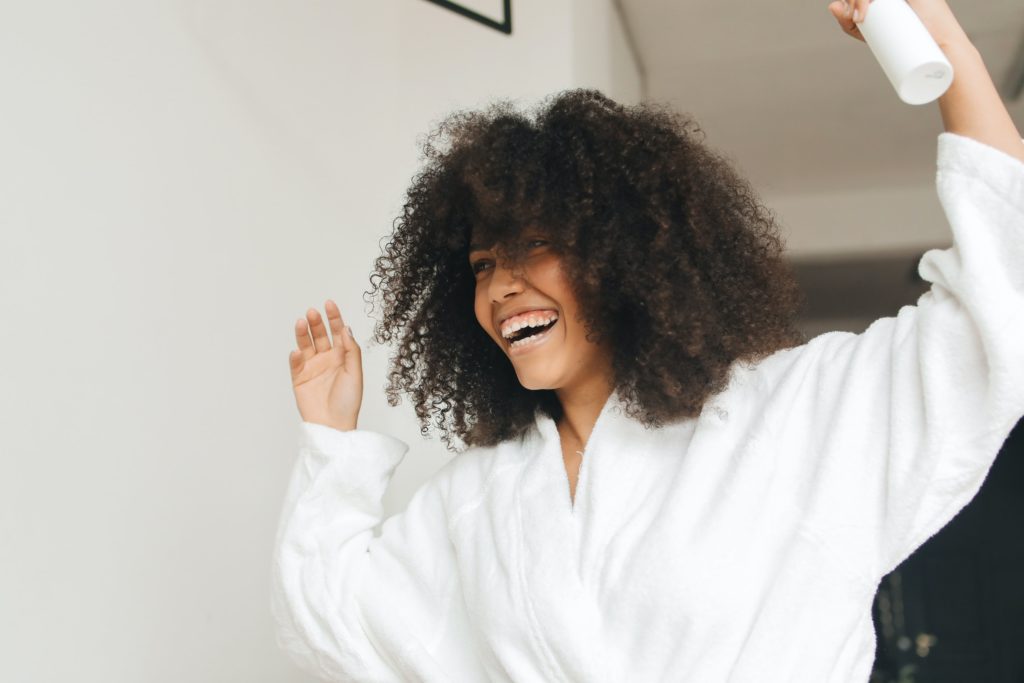
A. Cleansing and Conditioning Routine
- Choose a sulfate-free shampoo: Sulfates can strip your hair of natural oils, contributing to dryness. Opt for a gentle, sulfate-free shampoo to cleanse your hair without causing excessive dryness.
- Co-washing for moisture retention: Co-washing, or conditioner-only washing, involves using a moisturizing conditioner instead of shampoo. This method helps retain moisture while cleansing the hair.
- Deep conditioning treatments: Deep conditioners infuse intense moisture into your hair, nourishing it from within. Look for deep conditioners containing natural ingredients like shea butter, coconut oil, or aloe vera, and leave them on for the recommended time to maximize their effectiveness.
B. Moisturizing the Hair
- Importance of water-based products: Water is the ultimate hydrating agent. Look for leave-in conditioners and moisturizers that list water as their primary ingredient.
- Applying leave-in conditioners and moisturizers: After washing and conditioning your hair, apply a leave-in conditioner or moisturizer to seal in moisture and provide long-lasting hydration.
- The LOC/LCO method for sealing in moisture: The LOC (Liquid-Oil-Cream) or LCO (Liquid-Cream-Oil) method involves layering products to enhance moisture retention. Start with a water-based product (liquid), use oil to seal in moisture, and finish with a cream-based product for added hydration and definition.
C. Protective Styling for Moisture Retention
- Low-manipulation hairstyles: Opt for hairstyles that minimize manipulation and friction, such as braids, twists, buns, or updos. These styles protect your hair from external elements and reduce moisture loss.
- Using protective hairstyles for extended hydration: Protective styles, such as box braids, cornrows, or wigs, can help retain moisture for an extended period. They shield your hair from environmental factors and reduce the need for frequent manipulation and styling, allowing it to retain moisture levels.
D. Regular Maintenance Practices
- Proper detangling techniques: Use a wide-toothed comb or your fingers to gently detangle your hair, starting from the ends and working your way up. This minimizes breakage and maintains the hair’s moisture balance.
- Scalp massages and oil treatments: Massaging your scalp stimulates blood flow and promotes natural oil production. Additionally, incorporating regular oil treatments using natural oils like coconut oil, olive oil, or jojoba oil can nourish your hair and scalp, enhancing hydration.
- Trimming split ends: Regular trims help prevent split ends from traveling up the hair shaft, ensuring the hair remains healthy and moisturized.
DIY Hydration Recipes for Natural Hair
A. DIY Hair Masks for Deep Conditioning
- Avocado and banana mask: Mash a ripe avocado and a ripe banana together to create a smooth paste. Apply it to your hair, focusing on the ends. Leave it on for 30 minutes before rinsing thoroughly.
- Coconut milk and honey mask: Mix equal parts of coconut milk and honey, then apply the mixture to your hair. Cover with a shower cap and leave it on for 1 hour before rinsing it out.
- Aloe vera and olive oil mask: Combine fresh aloe vera gel and olive oil to form a creamy mixture. Apply it to your hair, ensuring complete coverage, and leave it on for 45 minutes before rinsing.
B. Homemade Leave-in Conditioners and Spritzes
- Aloe vera juice and water spritz: Mix equal parts of aloe vera juice and water in a spray bottle. Use it as a refreshing spritz throughout the day to add moisture to your hair.
- DIY flaxseed gel for moisture and definition: Boil flaxseeds in water until they form a gel-like consistency. Strain the mixture, let it cool, and use the resulting gel to define your curls and provide hydration.
- Shea butter and essential oil leave-in conditioner: Melt shea butter and add a few drops of your favorite essential oil (such as lavender or rosemary). Mix well and apply a small amount to your hair for added moisture and softness.
C. Natural Oils for Hair Hydration and Sealing
- Jojoba oil: Jojoba oil closely resembles the natural oils produced by the scalp. Apply a few drops to your hair to moisturize and seal in moisture.
- Argan oil: Rich in vitamins and fatty acids, argan oil nourishes the hair and provides long-lasting hydration. Apply a small amount to your ends to prevent dryness and split ends.
- Castor oil: Known for its thick consistency, castor oil is excellent for sealing in moisture. Apply a small amount to the ends of your hair to lock in hydration.
Maintaining Hydrated Natural Hair

A. Nighttime Hair Care Routine
- Protective styling before bed: Choose a low-manipulation hairstyle or protect your hair with a satin or silk scarf or bonnet to minimize friction and preserve moisture.
- Wrapping hair in a satin or silk scarf/pillowcase: Satin or silk materials help prevent moisture loss and friction when your hair rubs against cotton pillowcases. Wrap your hair in a satin or silk scarf, or use a satin or silk pillowcase to maintain hydration while you sleep.
B. Refreshing and Revitalizing Second-Day Hair
- Using water-based sprays and moisturizers: If your hair needs a quick moisture boost between wash days, spritz it with a water-based spray or apply a moisturizing product to revive and hydrate your curls.
- Re-styling techniques for maintaining moisture: Instead of fully washing and restyling your hair every day, try refreshing your curls by lightly misting them with water and reapplying with a leave-in conditioner or moisturizer. This helps maintain moisture and definition without stripping away natural oils.
C. Avoiding Common Mistakes
- Overwashing the hair: Washing too frequently can strip away natural oils and lead to dryness. Aim to wash your hair every 1-2 weeks or as needed, depending on your hair’s specific needs.
- Excessive heat styling: Heat styling tools like flat irons and curling irons can cause moisture loss and damage to your hair. Minimize heat usage and opt for heatless styling techniques to preserve moisture and protect your hair.
- Using harsh hair care products: Avoid products containing sulfates, parabens, and alcohol, as they can strip your hair of moisture. Opt for natural and sulfate-free products that are gentle and moisturizing.
Additional Tips for Healthy Natural Hair
A. Proper nutrition and hydration from within: Drink plenty of water and maintain a balanced diet rich in vitamins, minerals, and essential fatty acids to nourish your hair from the inside out.
B. Regular exercise for improved blood circulation: Engaging in physical activity boosts blood circulation, which promotes hair growth and maintains a healthy scalp.
C. Minimizing stress levels: Stress can negatively impact hair health. Incorporate stress-reducing activities such as meditation, yoga, or deep breathing exercises to maintain a healthy hair and scalp environment.
D. Protecting hair from environmental damage: Shield your hair from harsh sunlight, extreme weather conditions, and pollutants by wearing protective hairstyles, hats, or scarves.
E. Seeking professional help when needed: If you’re facing persistent hair hydration issues or hair loss, consult a professional hairstylist or dermatologist for personalized advice and guidance.
Conclusion
Proper hydration is vital for maintaining healthy, vibrant natural hair. You can achieve and maintain well-hydrated hair at home by understanding your hair’s unique needs, implementing effective hydration techniques, and utilizing DIY recipes and maintenance practices.
FAQs
1. How often should I hydrate my natural hair?
It’s essential to listen to your hair’s needs, but as a general guideline, aim to hydrate your natural hair at least once a week or as needed. Factors such as climate, hair porosity, and personal preference may influence hydration frequency.
2. Can I use regular shampoo on my natural hair?
Regular shampoos often contain harsh ingredients like sulfates, which can strip natural oils and moisture from your hair. Opt for sulfate-free shampoos that are gentle and moisturizing to maintain your hair’s hydration levels.
3. Are DIY hair masks effective for hydrating natural hair?
Yes, DIY hair masks can be highly effective for deep conditioning and hydration. Natural ingredients like avocado, banana, coconut milk, aloe vera, and olive oil nourish and moisture your natural hair. They can be used as part of your regular hair care routine to boost hydration.
4. Can I skip the deep conditioning step in my hair care routine?
Deep conditioning is crucial for replenishing moisture and repairing damage in your natural hair. It helps to restore hydration and strengthen the hair. Skipping this step may result in dry, brittle hair. Therefore, it is recommended to include deep conditioning treatments in your routine regularly.
5. How can I maintain hydration while wearing protective hairstyles?
Protective hairstyles are beneficial for maintaining moisture in natural hair. To enhance hydration, ensure that your hair is adequately moisturized before styling. Additionally, apply a lightweight moisturizer or leave-in conditioner to your hair and scalp regularly while wearing protective styles. This will help to retain moisture and keep your hair hydrated.
6. Is it necessary to use a satin or silk scarf or pillowcase?
Using a satin or silk scarf or pillowcase is highly recommended for natural hair. These materials help to retain moisture, prevent friction, and reduce breakage and frizz. Cotton pillowcases, on the other hand, can absorb moisture from your hair, leading to dryness. Investing in satin or silk materials will help maintain your hair’s hydration and overall health.
7. Can I hydrate my natural hair without using water-based products?
Water is the ultimate moisturizer for natural hair. While oil-based products can help seal in moisture, they cannot hydrate your hair on their own. Water-based products are essential for providing hydration to your natural hair. Look for products with water listed as the primary ingredient to ensure proper hydration.
8. How long does it take to see results from hydrating natural hair?
The timeframe for seeing results may vary depending on your hair’s condition and how well you adhere to a consistent hydration routine. However, with regular and proper hydration practices, you can start noticing improvements in your hair’s moisture levels, texture, and overall health within a few weeks.