


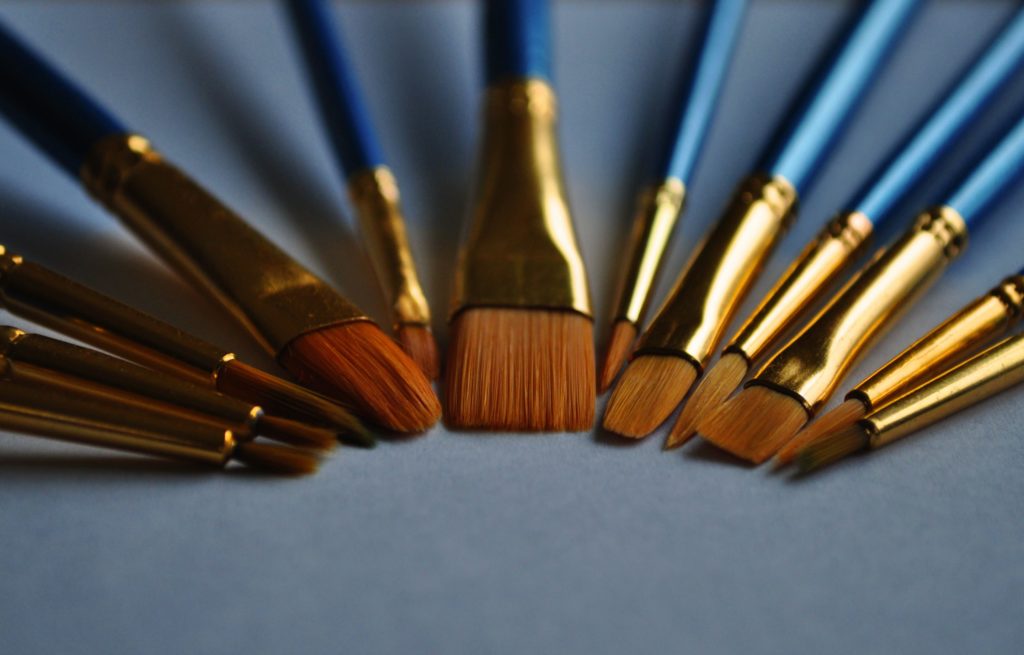
Makeup brushes are an essential tool for any makeup lover, but with so many different shapes, sizes, and materials available, it can be overwhelming to know which brushes to choose.
Selecting the right makeup brush can make a significant difference in the final outcome of your makeup look, from creating a flawless base to perfectly blended eyeshadow. However, navigating through the comprehensive selection of brushes available in the market can be challenging.
If you’re new to the world of makeup brushes or looking to expand your collection, this guide will provide tips on choosing the right brushes for your needs.
From understanding the different types of brushes to considering the material, size, shape, quality, and maintenance, we’ve got you covered.
With these essential tips, you can confidently select the perfect brushes to achieve your desired makeup look.
Types of Makeup Brushes
There are many different types of makeup brushes available, each designed to perform a specific task during the application of makeup. Understanding the different types of brushes and their uses can help you achieve a flawless makeup look. Here are some common types of makeup brushes:
- Foundation Brush – Used to apply liquid or cream foundation for an even and smooth finish.
- Concealer Brush – Small and tapered, this brush is designed to apply and blend concealer under the eyes or on blemishes.
- Powder Brush – Large and fluffy, this brush is used to apply loose or pressed powder to set the foundation and reduce shine.
- Blush Brush – Soft and fluffy, this brush is used to apply blush to the cheeks for a natural-looking flush.
- Contour Brush – Designed with a slanted shape, this brush applies and blends contour powder or cream to define and sculpt the face.
- Highlighter Brush – Small and tapered, this brush is used to apply a highlighter to the cheekbones, nose, and other areas of the face to enhance the natural glow.
- Eyeshadow Brush – There are several types of eyeshadow brushes, including flat, fluffy, and angled brushes, each designed for a specific purpose, such as applying color all over the lid, blending, or adding definition to the crease.
- Eyeliner Brush – Typically thin and pointed, this brush is used to apply gel or liquid eyeliner for precise and clean lines.
- Lip Brush – Small and pointed, this brush is used to apply lipstick or lip gloss with precision and control.
Material of Makeup Brushes
The material of makeup brushes is an important consideration when selecting the right brushes for your needs. The most common materials used for makeup brushes include synthetic, natural, and blends of both materials.
Synthetic Brushes
Synthetic brushes are made from man-made fibers such as nylon, polyester, or taklon. They are ideal for applying liquid and cream products, as they don’t absorb as much product as natural fibers.
Synthetic brushes are also easier to clean and maintain than natural brushes. They are often less expensive than natural brushes, making them a good choice for those on a budget.
Natural Brushes
Natural brushes are made from animal hair such as goat, sable, or squirrel. They are typically softer and more gentle on the skin than synthetic brushes.
Natural brushes are great for applying powder products, such as blush or bronzer, as they pick up more product and distribute it evenly. They are also great for blending and creating a natural finish.
However, natural brushes are more expensive than synthetic brushes and require more maintenance to keep them in good condition.
Blends of Synthetic and Natural
Blends of synthetic and natural fibers offer the benefits of both materials. They are often made with a combination of synthetic and animal hair, providing the softness of natural brushes and the durability and ease of cleaning of synthetic brushes.
They are also often more affordable than natural brushes.
Choosing the Right Size
When selecting the right makeup brush, size is an important factor to consider. The size of the brush you choose will depend on the area of the face you are applying makeup to and the desired effect you want to achieve.
Here are some tips on how to choose the right size makeup brush:
- Consider the area of the face: Different areas of the face require different brush sizes. For example, a large fluffy brush is great for applying powder to the face, while a small precision brush is ideal for applying eyeshadow to the eyelids.
- Think about the desired effect: The size of the brush you choose will also affect the makeup application. A larger brush will give a more diffused effect, while a smaller brush will give a more precise application.
- Experiment with different sizes: Don’t be afraid to try different sizes of brushes to find what works best for you. It may take some trial and error, but experimenting with different sizes will help you determine what works best for your specific needs.
- Consider multi-use brushes: Some are designed to be multi-use, which can be helpful if you’re trying to minimize the number of brushes you own. For example, a tapered brush can be used for applying blush, highlighter, or bronzer, depending on the size.
Consider the Shape of the Brush
When selecting makeup brushes, it is important to consider the shape of the brush as it can greatly affect the application of makeup. Different shapes are designed to be used on specific areas of the face or for specific techniques.
Here are some common brush shapes and their uses:
- Flat Brush – This brush has a straight, flat edge and is perfect for applying foundation or concealer to larger areas of the face, such as the cheeks or forehead.
- Angled Brush – The angled brush has a slanted edge and is great for applying blush, bronzer, or contour to the cheekbones or for precise application of eyebrow powder or gel.
- Round Brush – The round brush is perfect for applying powder to the face or blending harsh lines. It can also be used for applying blush or bronzer to the cheeks.
- Fan Brush – The fan brush is ideal for sweeping away excess powder, applying highlighter to the cheekbones, or creating a soft, diffused effect with blush or bronzer.
- Lip Brush – The lip brush has a small, pointed tip and is designed for the precise application of lipstick or lip gloss.
Quality and Price
When it comes to makeup brushes, quality, and price are closely related. Generally, high-quality brushes are more expensive because they are made from better materials and are designed to last longer.
However, investing in high-quality brushes is worth it because they will perform better and last longer than cheap, low-quality brushes.
High-quality brushes are often made with natural fibers, such as goat hair, which are soft, durable, and hold onto products better than synthetic fibers. Additionally, high-quality brushes are often hand-crafted and undergo strict quality control to ensure they are well-made and perform properly.
While it may be tempting to buy cheap brushes to save money, they often shed, are rough on the skin, and do not apply makeup evenly. They also tend to have a shorter lifespan, so they must be replaced more frequently.
That being said, finding good-quality brushes at a reasonable price is possible. Many popular makeup brands offer high-quality and affordable brushes, and there are also many lesser-known brands that offer quality brushes at a lower price point.
It’s important to do your research and read reviews before purchasing any brushes to ensure you get good value for your money.
Cleaning and Maintenance
Cleaning and maintenance are crucial considerations when selecting makeup brushes. Good-quality makeup brushes can be quite an investment, so taking proper care of them is essential to ensure longevity and maintain performance.
Makeup brushes should be cleaned regularly to prevent the buildup of bacteria and other debris that can accumulate over time. Unclean brushes can lead to skin irritation and breakouts, so it’s important to clean them thoroughly after each use.
To clean makeup brushes, use a gentle cleanser and warm water. Gently swirl the brushes in the cleanser, rinse thoroughly with warm water, and gently squeeze out the excess water. Finally, reshape the bristles and allow the brushes to air dry completely before using them again.
In addition to cleaning, proper storage is also important to maintain the shape and performance of makeup brushes. Store brushes in a clean, dry place, such as a makeup bag or brush holder.
Avoid leaving brushes in direct sunlight or in a damp environment, as this can cause damage to the bristles and handle.
Conclusion
Selecting the right makeup brushes can significantly affect your makeup’s overall application and look. By understanding the different types, materials, sizes, and shapes of makeup brushes and considering quality and price, you can invest in the right tools for your makeup routine.
It’s also important to regularly clean and maintain your brushes to ensure their longevity and hygiene. With these tips, you’ll be well on your way to achieving flawless makeup looks every time.
Remember, it’s not just about the makeup products you use but also the tools you use to apply them that can make all the difference.