


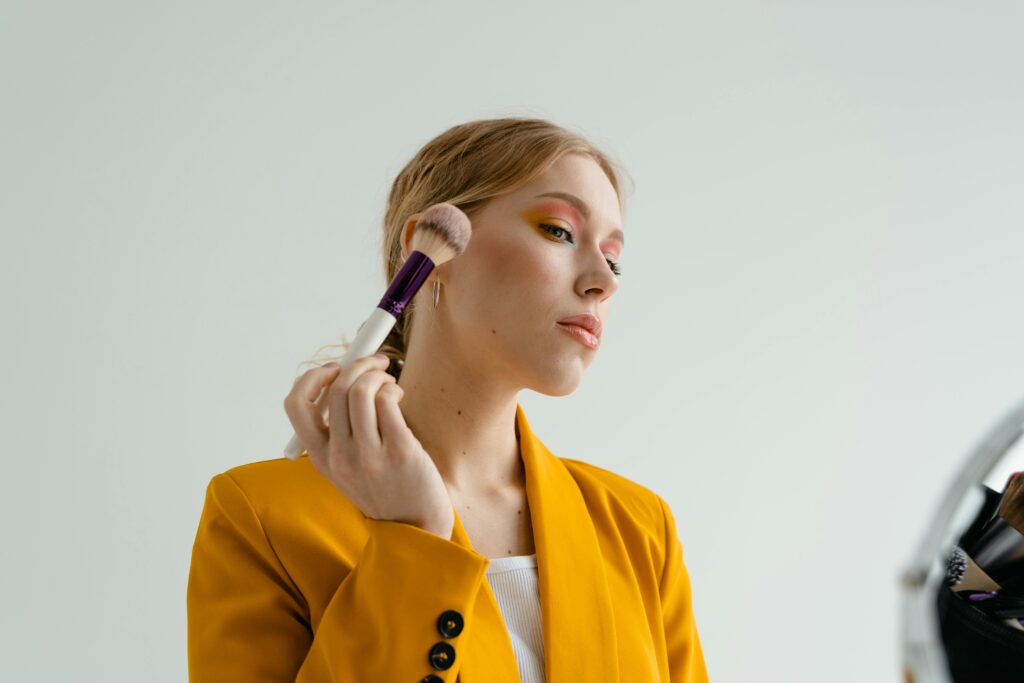
Achieving a well-defined and sculpted look has become a beauty trend that many swear by. The secret behind this transformation? Contouring and highlighting. These makeup techniques allow you to emphasize your best features while giving your face dimension and structure. In this guide, we’ll break down everything you need to know about contouring and highlighting to achieve a flawless, defined look.
Understanding Contouring and Highlighting
Contouring is a makeup technique used to add shadows and definition to your face, creating a more sculpted appearance. Highlighting, on the other hand, accentuates the high points of your face, making certain areas stand out. Together, they create balance and enhance your natural features, giving you a chiseled look.
Choosing the Right Products
Before diving into the application process, selecting the right products is crucial. You’ll need two key products: a contour product and a highlighter.
- Contour Products: Choose a matte contour product that’s about two shades darker than your skin tone. This can be in the form of a cream or powder, depending on your preference.
- Highlighter Products: A good highlighter should be one to two shades lighter than your skin tone. It can be either powder or liquid, with a subtle shimmer to enhance your glow.
For beginners, cream products are easier to blend, while powders offer a more defined, matte finish.
Step-by-Step Guide to Contouring and Highlighting
1. Prepping Your Skin
Before applying any makeup, start with clean, moisturized skin. Apply a primer to create a smooth base for your makeup. This helps your contour and highlight blend seamlessly and last throughout the day.
2. Applying Foundation
Even out your complexion by applying your foundation as you normally would. Make sure it provides a consistent base, so your contour and highlight stand out. Avoid using foundation that is too thick, as this can make blending difficult.
3. Contouring the Face
Now that you have a blank canvas, it’s time to add depth with contouring. Focus on the areas of your face that you want to slim down or define.
- Cheekbones: Start by finding the hollows of your cheeks. Lightly apply contour along the hollows, starting from the ears and moving toward the center of your face. Use a makeup brush or sponge to blend upward for a lifted look.
- Jawline: Apply contour along your jawline to sharpen its appearance. Blend it down toward your neck to avoid any harsh lines.
- Forehead: If you want to make your forehead appear smaller, apply contour along the hairline and blend it into the skin.
- Nose: For a more defined nose, lightly apply contour along the sides of your nose and blend it well.
4. Highlighting the High Points
After contouring, it’s time to bring out the high points of your face with a highlighter. The key areas to focus on are:
- Cheekbones: Apply highlighter just above your contour line on the cheekbones. This will make your cheeks appear higher and more prominent.
- Bridge of the Nose: Lightly apply highlighter along the bridge of your nose to create the illusion of a slimmer nose.
- Cupid’s Bow: A touch of highlighter on the cupid’s bow can make your lips appear fuller.
- Center of the Forehead: Highlighting the center of your forehead helps bring light to the face and balance the contour along the hairline.
- Under the Eyes: Apply a small amount of highlighter under your eyes to brighten the area and minimize the appearance of dark circles.
5. Blending for a Natural Finish
Blending is the most important step when contouring and highlighting. Use a damp makeup sponge or a fluffy brush to blend the contour and highlight into the skin. Make sure there are no harsh lines, and that the product is evenly distributed for a natural, seamless finish.
6. Setting Your Makeup
To ensure your hard work stays in place, set your makeup with a translucent powder. Focus on areas prone to oil, such as the T-zone, to prevent shine throughout the day. You can also use a setting spray to lock in your makeup for a dewy, long-lasting finish.
Tips for Different Face Shapes
While the basics of contouring and highlighting remain the same, slight adjustments can be made based on your face shape.
- Round Face: Focus on contouring the sides of your face to create a more elongated look. Highlight the center to draw attention to the middle of your face.
- Oval Face: Contour under the cheekbones and along the jawline to maintain balance. Highlight the tops of the cheekbones and the bridge of your nose.
- Square Face: Soften the angles of your face by contouring the corners of your jawline and forehead. Highlight the center of your forehead and chin to add length.
- Heart-Shaped Face: Contour the sides of your forehead and the area under your cheekbones to balance your facial proportions. Highlight your cheekbones and chin to bring attention to the center of your face.
Conclusion
Contouring and highlighting are powerful makeup techniques that can elevate your look by adding dimension and structure to your face. With the right products and a bit of practice, you can achieve a well-defined and flawless appearance. Whether you’re getting ready for a special event or just enhancing your everyday makeup routine, mastering these techniques will give you a polished, sculpted look.
FAQs
1. What tools do I need for contouring and highlighting?
You’ll need a contour product, a highlighter, makeup brushes or a beauty sponge, and a setting powder or spray. A blending brush is also essential for achieving a seamless finish.
2. Can I use bronzer for contouring?
Bronzers and contour products serve different purposes. Bronzers add warmth and a sun-kissed glow, while contour products are used to create shadows and define facial features. It’s best to use a matte contour product for more precise definition.
3. How do I choose the right contour shade?
Pick a contour shade that is one to two shades darker than your skin tone. Avoid shades that are too warm, as they can look unnatural. Cooler tones tend to work better for creating realistic shadows.
4. Should I contour and highlight every day?
It depends on your personal preference and routine. While some people contour and highlight daily, others reserve it for special occasions. If you prefer a more natural look, you can contour and highlight lightly or only in certain areas.
5. Can I contour and highlight without foundation?
Yes, you can contour and highlight without foundation, especially if you prefer a more natural look. However, applying foundation first helps create an even base and ensures that the contour and highlight blend smoothly.
6. Is it better to use cream or powder contour products?
Both cream and powder products have their benefits. Cream products are easier to blend and give a more natural, dewy finish, making them ideal for beginners. Powder products, on the other hand, offer a more defined, matte finish and are great for oily skin.
7. What’s the difference between highlighting and strobing?
Highlighting is typically done in conjunction with contouring, where you add dimension to the face by emphasizing high points and creating shadows. Strobing is a technique that focuses solely on using highlighter to create a radiant glow, without the use of contour.