


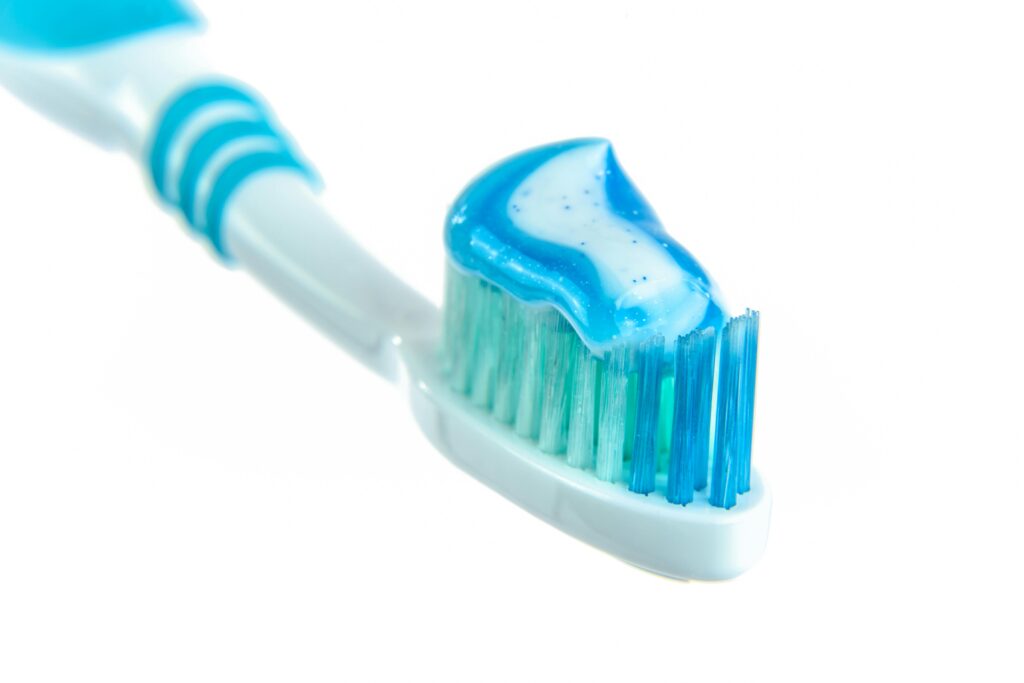
Choosing the right toothpaste can feel overwhelming with so many options on the market. From whitening formulas to fluoride-enriched pastes, each type addresses specific dental needs. Selecting the right one is essential for maintaining oral health and ensuring your toothpaste aligns with your preferences. Let’s explore the key factors to consider when picking the perfect toothpaste for you.
Understanding Toothpaste Ingredients
Toothpaste formulations often contain active and inactive ingredients designed to clean teeth, fight cavities, and freshen breath. Knowing what these ingredients do can help you make an informed choice.
- Fluoride: The cornerstone of cavity prevention, fluoride strengthens enamel and reduces tooth decay.
- Abrasives: Mild abrasives like silica gently remove surface stains and plaque.
- Antibacterial Agents: Ingredients such as triclosan (in some formulations) target bacteria that cause gum disease.
- Desensitizing Agents: Compounds like potassium nitrate help reduce sensitivity in exposed tooth roots.
- Whitening Agents: Peroxide and other ingredients lift stains for a brighter smile.
- Flavoring and Sweeteners: Additives like sorbitol and xylitol improve taste without promoting tooth decay.
Understanding these components allows you to match the toothpaste to your needs, such as sensitivity relief, cavity prevention, or stain removal.
Types of Toothpaste and Their Benefits
Different types of toothpaste are formulated to address various dental concerns. Let’s look at the most common categories and their benefits.
Cavity Prevention Toothpaste
These toothpastes are enriched with fluoride to strengthen enamel and protect against decay. They are ideal for those prone to cavities or looking to maintain general oral health.
Whitening Toothpaste
Whitening formulas often include abrasives and chemical agents to remove surface stains. While they enhance the appearance of teeth, they may not be suitable for individuals with sensitivity.
Toothpaste for Sensitive Teeth
Sensitive toothpastes contain desensitizing agents to block pain signals in exposed nerves. They are gentle on enamel and suitable for individuals experiencing discomfort from hot, cold, or sweet foods.
Tartar Control Toothpaste
These formulations prevent the buildup of tartar, which can lead to gum disease. They often include antibacterial agents for added protection.
Natural Toothpaste
Made with organic and natural ingredients, these toothpastes avoid synthetic chemicals. They’re ideal for those seeking eco-friendly or allergen-free options.
Kids’ Toothpaste
Children’s toothpastes feature lower fluoride levels and milder flavors to make brushing safe and enjoyable for younger users.
Matching Toothpaste to Your Dental Needs
When choosing toothpaste, consider your unique dental needs and consult with your dentist for guidance.
- For Cavity Prevention: Opt for a fluoride toothpaste to strengthen enamel and reduce decay.
- For Whitening: Choose a whitening toothpaste if you’re looking to enhance the brightness of your smile. Use sparingly if you have sensitive teeth.
- For Sensitivity: Sensitive toothpaste with potassium nitrate can provide relief while protecting enamel.
- For Gum Health: Look for tartar control toothpaste with antibacterial properties to reduce gum inflammation.
- For Natural Preferences: Consider natural toothpaste with minimal synthetic additives.
- For Kids: Always choose toothpaste labeled for children to ensure safe fluoride levels.
How to Choose Based on Personal Preferences
In addition to dental needs, your personal preferences play a significant role in choosing toothpaste.
- Flavor and Texture: Some people prefer minty flavors, while others opt for milder or fruity options. Texture, such as gel or paste, also impacts the brushing experience.
- Foam Levels: If you like a foamy feel, look for toothpaste containing sodium lauryl sulfate (SLS). For a milder option, choose an SLS-free formula.
- Ethical Considerations: Vegan or cruelty-free toothpaste options are available for those with ethical concerns.
- Packaging: Eco-conscious individuals may prefer toothpaste in recyclable or minimal packaging.
Considering these preferences ensures a more enjoyable and satisfying brushing routine.
Tips for Choosing and Using Toothpaste Effectively
- Read Labels: Always check the ingredients list and ensure the toothpaste is ADA-approved.
- Consult Your Dentist: Seek professional advice to match toothpaste to your oral health needs.
- Use the Right Amount: A pea-sized amount of toothpaste is sufficient for effective cleaning.
- Replace Regularly: Change your toothpaste if it’s not meeting your dental needs or causing irritation.
Conclusion
Choosing the right toothpaste involves balancing dental needs with personal preferences. From cavity prevention to whitening and sensitivity relief, the right formula can make a big difference in your oral health. Explore your options, read labels carefully, and consult your dentist for personalized recommendations. A thoughtful choice ensures every brushing session works toward a healthier, happier smile.
Frequently Asked Questions (FAQs)
1. How do I know if my toothpaste is ADA-approved?
Look for the American Dental Association (ADA) seal on the packaging. This ensures the toothpaste meets safety and effectiveness standards.
2. Can I use whitening toothpaste daily?
Yes, but if you experience sensitivity, reduce usage to a few times a week and consult your dentist for alternatives.
3. Is natural toothpaste as effective as regular toothpaste?
Natural toothpaste can be effective if it contains fluoride. Without fluoride, it may not offer adequate cavity protection.
4. What toothpaste is best for children?
Choose a toothpaste specifically formulated for kids, as it contains lower fluoride levels and kid-friendly flavors.
5. Can I use multiple types of toothpaste?
Yes, you can alternate types based on your needs. For example, you might use whitening toothpaste in the morning and sensitive toothpaste at night.