


Have you ever lost in a conversation with your hair stylist or in the hair care aisle at the store because you need help understanding the terminology? Don’t worry; you’re not alone.
The world of hair care can be overwhelming with its technical jargon and confusing product names. Understanding the terminology used in hair care is important for maintaining healthy hair and achieving your desired look.
In this article, we will provide a comprehensive haircare dictionary that will decode the most commonly used haircare terms, making it easier to communicate with your stylist and choose the right products for your hair type and needs.
1. Hair Types and Texture
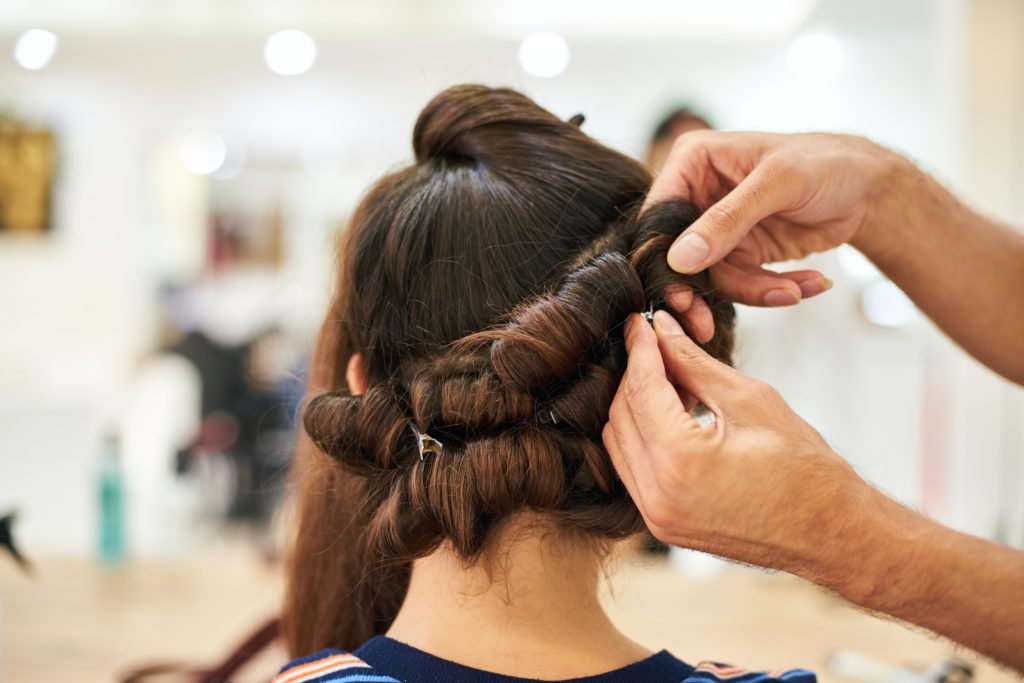
Understanding hair types and texture is crucial in taking care of your hair. Hair types refer to the shape of the hair strands, while texture describes the thickness of the individual strands. Here’s a breakdown of the different hair types and textures:
Definition of Different Hair Types
- Straight Hair: Straight hair is the most common hair type. It is characterized by hair strands with a smooth and sleek texture.
- Wavy Hair: Wavy hair is characterized by hair strands that have a slight bend or wave pattern, which can range from loose, beachy waves to more defined, structured waves.
- Curly Hair: Curly hair is characterized by hair strands that form ringlets or spirals with a well-defined curl pattern. Curly hair can range from loose curls to tight coils.
- Coily/Kinky Hair: Coily or kinky hair is characterized by hair strands that form tight, springy curls or coils. This hair type can range from soft and fluffy to dense and tightly coiled.
Explanation of Hair Texture
- Fine Hair: Fine hair refers to hair strands that are thin and delicate. Fine hair often appears limp or flat and lacks volume or body.
- Medium Hair: Medium hair refers to hair strands with a moderate thickness. It is the most common hair texture and is usually easy to style and manage.
- Coarse Hair: Coarse hair refers to hair strands that are thick and rough to the touch. Coarse hair can be challenging to manage and may require extra conditioning to keep it healthy and smooth.
2. Scalp and Hair Conditions
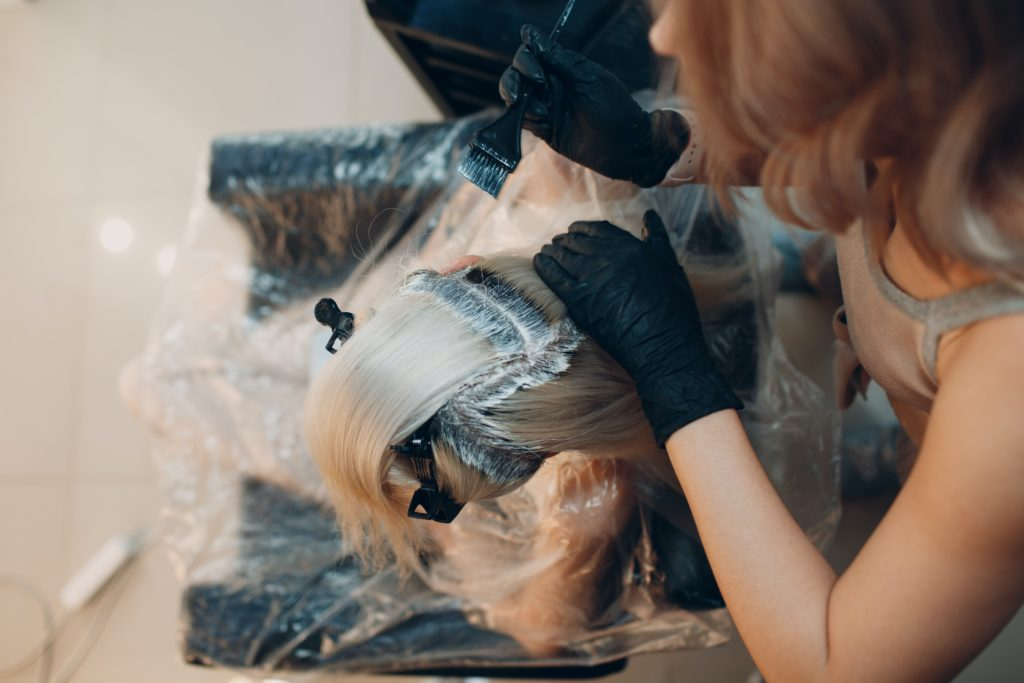
The scalp and hair can be prone to various conditions affecting their health and appearance. Here are some common scalp and hair conditions, along with their causes, symptoms, and treatments:
Dandruff
Dandruff is a common scalp condition that causes white or yellow skin flakes on the scalp and hair. It is caused by an overgrowth of a yeast-like fungus called Malassezia, which can irritate the scalp and cause excessive shedding of dead skin cells.
Symptoms of dandruff include itching, flaking, and redness. Treatment options include medicated shampoos containing ketoconazole, zinc pyrithione, or selenium sulfide.
Psoriasis
Psoriasis is a chronic autoimmune disease that affects the skin and scalp. It causes patches of thick, red, scaly skin to appear on the scalp and other body parts.
An overactive immune system causes psoriasis; symptoms include itching, redness, and flaking. Treatment options include topical corticosteroids, coal tar products, and medicated salicylic acid shampoos.
Alopecia
Alopecia refers to hair loss that occurs on the scalp or other parts of the body. Various factors, including genetics, hormonal changes, and autoimmune disorders, can cause it.
Alopecia symptoms can include gradual hair thinning, patchy hair loss, or complete baldness. Treatment options depend on the cause of the hair loss and can include medications, hair transplant surgery, or lifestyle changes.
Split Ends
Split ends occur when the ends of the hair become dry, brittle, and split apart. Various factors, including heat styling, chemical treatments, and harsh hair products, cause them.
Symptoms of split ends include frayed, split, or rough hair ends. Treatment options include regular hair trims, avoiding heat styling and chemical treatments, and using moisturizing hair products.
3. Hair Products and Ingredients

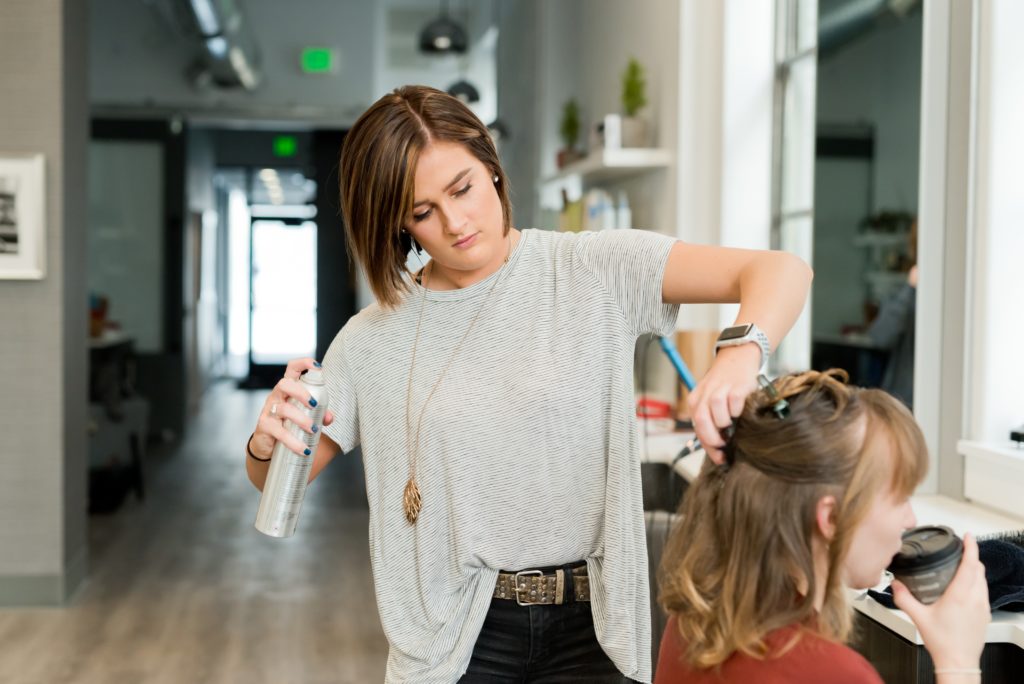
Hair products play an important role in maintaining healthy and beautiful hair. Understanding the different types of hair products and their ingredients can help you make informed choices when selecting products for your haircare routine.
Shampoo
Shampoo is a hair product used to cleanse the hair and scalp. It helps to remove dirt, oil, and product buildup. Shampoos can contain different ingredients depending on the hair type and concerns. Common ingredients in shampoos include sulfates, which create lather and can be drying, and gentle cleansers like coco betaine or lauryl glucoside.
Conditioner
Conditioner is a hair product used after shampooing to provide moisture, softness, and detangling. Conditioners can contain ingredients like emollients (such as coconut oil or shea butter) that help to smooth the hair, humectants (like glycerin or hyaluronic acid) that help to retain moisture, and proteins (like keratin) that help to strengthen the hair.
Leave-in Conditioner
Leave-in conditioner is a type of conditioner that is not rinsed out after application. It is used to provide extra moisture and conditioning to the hair. Leave-in conditioners can contain ingredients like panthenol (a type of vitamin B5) that helps to strengthen the hair and silicones that provide a smooth and shiny finish.
Serum
Hair serum is used to tame frizz, provide shine, and protect the hair from heat damage. Serums can contain ingredients like silicones, which help smooth the hair and provide a shiny finish, and natural oils like argan or jojoba oil, which provide moisture and nourish the hair.
Keratin
Keratin is a protein naturally present in hair, skin, and nails. It is a common ingredient in hair products, especially those marketed for strengthening and repairing hair. Keratin can help to strengthen the hair, reduce breakage, and improve overall hair health.
Biotin
Biotin is a vitamin that is important for healthy hair growth. It is a common ingredient in hair products, especially those marketed for hair growth and thickness. Biotin can help to strengthen the hair, reduce hair loss, and improve overall hair health.
Coconut Oil
Coconut oil is a natural oil that is commonly used in hair products. It is a rich source of fatty acids that can help to moisturize and nourish the hair. Coconut oil can also help reduce protein loss in the hair, leading to stronger, healthier hair over time.
4. Hair Styling Tools and Techniques
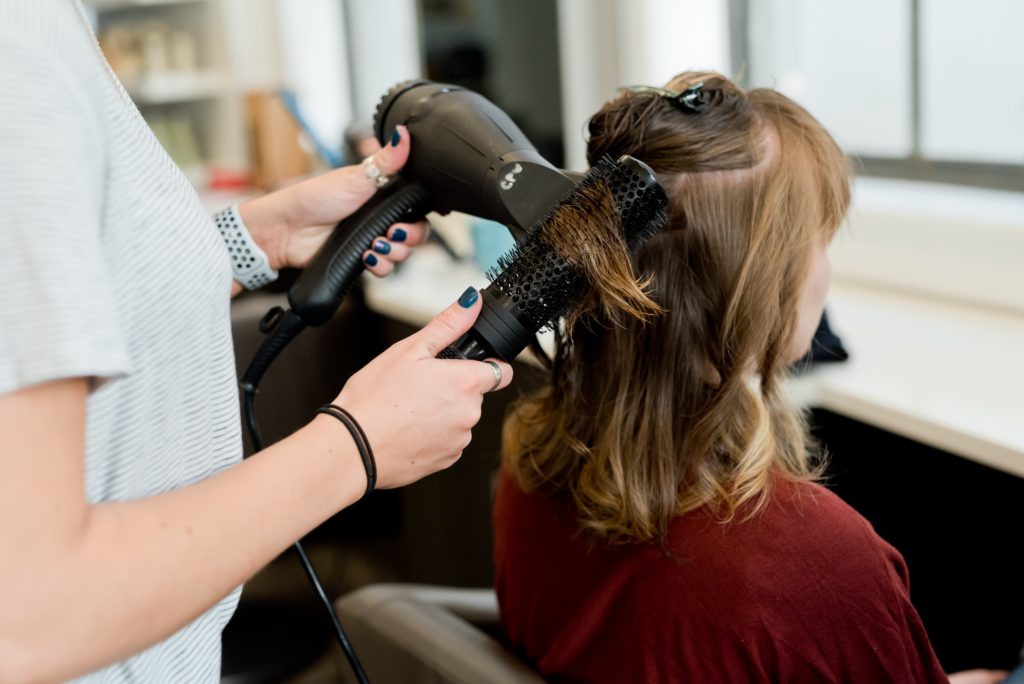
Hair styling tools and techniques are essential for creating different hairstyles and achieving the desired look. There are various tools and techniques available for different hair types and textures. Here is an explanation of some common hair styling tools and techniques:
Definition of Common Hair Styling Tools
- Flat Iron: A flat iron, also known as a hair straightener, is used to straighten and smooth out hair. It uses heat to straighten curly, wavy, or frizzy hair.
- Curling Iron: A curling iron creates curls and waves in the hair. It has a heated barrel clamped around sections of hair, which is then wrapped around the barrel and held for a few seconds to create curls.
- Blow Dryer: A blow dryer, also known as a hair dryer, is used to dry wet hair quickly. It blows hot air onto the hair, which helps to evaporate the water and dry the hair.
- Round Brush: A round brush is a styling tool that creates volume and curls in the hair. It is used with a blow dryer to create a blowout style.
- Hair Rollers: Hair rollers are cylindrical tubes that create curls or waves in the hair. They come in different sizes, materials, and designs.
- Hair Clips: Hair clips are used to hold sections of hair in place while styling. They come in different sizes and designs, including butterfly, alligator, and snap clips.
- Hair Pins: Hair pins are small, U-shaped pins used to secure the hair, particularly in updos and other styles that require holding hair in place.
Explanation of Hair Styling Techniques
- Blowout: A blowout is a technique to create a smooth, straight hairstyle using a blow dryer and a round brush. It adds volume, shines to the hair, and is suitable for all hair types.
- Twist Out: A twist-out creates defined curls or waves in the hair. It involves twisting sections of damp hair and allowing them to dry before unraveling them to create curls.
- Braid Out: A braid-out creates waves or curls in the hair by braiding damp hair and allowing it to dry before unraveling the braids.
- Curling: Using a curling iron creates curls or waves in the hair.
- Flat Ironing: Using a flat iron to straighten hair or create sleek styles.
- Braiding: Creating different hair braid styles, including French braid, fishtail braid, etc.
- Updo: A hairstyle that involves pulling the hair up and away from the face into a bun, chignon, or other styles.
- Ponytail: A simple hairstyle where the hair is pulled back and secured at the nape of the neck or on top of the head.
- Top Knot: A bun created on the top of the head, often called a “messy bun.”
- Half-Up, Half-Down: A hairstyle where half of the hair is pulled up and secured while the other half is left down.
5. Haircutting and Coloring Terms
Definition of Common Haircutting Terms
- Layers: A haircutting technique where hair is cut into different lengths to create texture and movement. Layers can be cut at different angles depending on the desired look.
- Bangs: A hairstyle where hair is cut straight across the forehead or angled to the side. Bangs can be blunt or textured.
- Taper: A haircutting technique where hair is cut shorter towards the nape of the neck and gradually gets longer towards the crown of the head. This creates a tapered or graduated effect.
- Bob: A classic haircut where hair is cut straight across at the nape of the neck and gradually gets shorter towards the front. The length of the bob can vary from chin length to shoulder length.
- Pixie: A short haircut where hair is cut close to the scalp and typically has layers or texture on top.
- Fade: A short haircut in which the hair is cut close to the scalp on the sides and back and gradually gets longer on top.
- Undercut: A haircut in which the hair is cut very short on the sides and back, with longer hair left on top.
- Blunt cut: A haircut in which the hair is cut straight across, without layers.
- Shag: A haircut with choppy, layered ends and a textured look.
- Lob: A longer version of a bob, typically falling just above or below the shoulders.
Explanation of Hair Coloring Terms
- Balayage: A hair coloring technique where highlights are hand-painted onto the hair for a natural, sun-kissed look. Balayage creates a soft transition between the highlighted and natural hair.
- Ombre: A hair coloring technique where hair is darker at the roots and gradually gets lighter towards the ends. Ombre can be a subtle or dramatic transition depending on the desired look.
- Highlights: A hair coloring technique that adds lighter hair pieces to the natural hair color. Highlights can be done using foils or freehand painting.
- Lowlights: The opposite of highlights, where darker hair pieces are added to the natural hair color for depth and dimension.
- Root touch-up: A hair coloring technique that applies only to the roots to cover up new growth. Root touch-ups can help maintain consistent hair color.
- Permanent Color: This type of hair color penetrates the hair shaft and permanently changes the natural hair color.
- Semi-Permanent Color: This color coats the hair shaft and gradually fades over time, typically lasting up to 6-8 weeks.
- Demi-Permanent Color: This type of color contains a small amount of peroxide and lasts longer than semi-permanent color, typically lasting up to 12-24 washes.
- Toners: These are used to neutralize unwanted tones or to enhance the color after coloring the hair.
- Color Correction: This technique is used to correct a hair color that was incorrectly applied or turned out differently than expected. This may involve removing or adjusting the existing color and applying a new one.
6. Haircare Routine
Haircare routine refers to the steps taken to regularly care for one’s hair to maintain healthy, nourished, and beautiful hair. Here are some terms used in haircare routines and their definitions:
- Shampoo: A haircare product that cleanses the hair by removing dirt, oil, and buildup. It helps create a clean and healthy scalp, which is essential for promoting hair growth.
- Conditioner: A haircare product used after shampooing to restore moisture to hair and improve its texture. Conditioner helps to reduce frizz, detangle hair, and make it more manageable.
- Leave-in conditioner: A haircare product is applied to the hair after washing but not rinsed. It helps to provide additional moisture, nourishment, and protection to hair throughout the day.
- Hair serum: A haircare product that adds shine, smoothness, and manageability to hair. It helps to reduce frizz and protect hair from heat damage caused by styling tools.
- Hair mask: A deep conditioning hair mask used to nourish and strengthen hair. It is usually applied once a week and left on hair longer than regular conditioner.
- Deep conditioner– A highly concentrated conditioner that provides extra moisture to the hair. It is typically used once a week to keep hair healthy and hydrated.
- Scalp treatment– A product used to treat scalp conditions such as dandruff, psoriasis, or dryness. It helps to soothe and nourish the scalp, which promotes healthy hair growth.
- Hair oil– A product applied to the hair to provide moisture, shine, and softness. It is often used as a finishing product to smooth down flyaways and add shine to the hair.
- Heat protectant– A product applied to the hair before using heat styling tools such as flat or curling irons. It helps to protect the hair from heat damage.
Explanation of How to Create a Personalized Haircare Routine Based on Hair Type, Texture, and Specific Needs
Creating a personalized haircare routine is essential to maintain healthy hair. Here are the steps to create a personalized haircare routine based on hair type, texture, and specific needs:
- Determine your hair type and texture: This will help you choose the right hair care products suitable for your hair type.
- Identify specific hair concerns: Do you have dry, damaged, or frizzy hair? Identifying specific hair concerns will help you choose the right haircare products that target those concerns.
- Choose the right shampoo and conditioner: Choose a shampoo that is suitable for your hair type and a conditioner that addresses your specific hair concerns. Consider using a moisturizing shampoo and conditioner if you have dry or damaged hair.
- Incorporate a weekly deep conditioning treatment: Use a hair mask once a week to nourish and hydrate your hair.
- Protect your hair from heat damage: Use a hair serum or leave-in conditioner before using styling tools to protect your hair from heat damage.
- Follow a healthy lifestyle: A healthy diet, regular exercise, and adequate sleep are essential for healthy hair.
Conclusion
Understanding the terminology used in hair care can greatly improve our ability to maintain healthy and beautiful hair. With this haircare dictionary, we can easily decode the language of the hair industry and make informed decisions about the products and treatments we use on our hair.
Whether we have straight, curly, or coily hair, knowing the proper terminology can help us create a personalized haircare routine that meets our specific needs. So let’s continue to learn and expand our knowledge of haircare terminology and strive to achieve the healthy, beautiful hair we all deserve.