


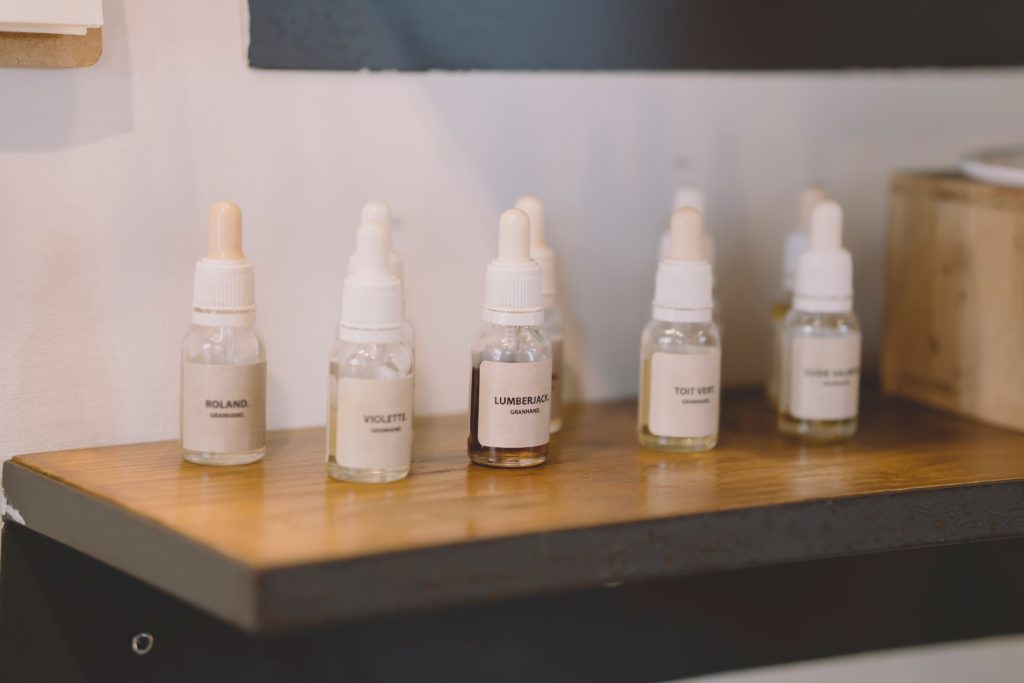
Are you tired of mass-produced, chemically laden perfumes that might be harming the environment and your health? If so, it’s time to explore the enchanting world of DIY natural perfumes using essential oils.
This comprehensive guide will walk you through the delightful journey of crafting your signature scents, harnessing the power of nature to create unique and alluring fragrances.
I. DIY Natural Perfumes: A Breath of Fresh Air
When you think of perfumes, do you imagine rows of beautifully shaped glass bottles in a department store filled with mysterious concoctions?
While commercial perfumes may be tempting, they often contain synthetic chemicals and preservatives. Crafting your own natural perfumes using essential oils allows you to step into a world of pure fragrant bliss.
Why Choose DIY Natural Perfumes?
- Safety: Avoid synthetic chemicals and allergens.
- Customization: Create your unique signature scent.
- Eco-friendly: Reduce your carbon footprint.
- Cost-effective: Quality fragrances without the hefty price tag.
This journey starts by gathering supplies and understanding the basics of perfume making.
II. Gathering Supplies
Before we dive into the enchanting world of DIY natural perfumes, you need to gather a few essential supplies. These include:
- Essential Oils: The heart of your perfume.
- Carrier Oils: To dilute essential oils and help them last longer.
- Mixing Tools: Glass droppers, pipettes, and glass bottles.
- Base Notes: Optional, but they help anchor your scent.
- Fragrance Funnel: For easier pouring.
- Labeling Materials: To personalize and identify your creations.
- Safety Equipment: Gloves and safety glasses, especially if you’re new to working with essential oils.
III. Basic Perfume Making Technique

Now that you’ve gathered your supplies, it’s time to dive into the basic techniques of perfume-making. Creating your own natural fragrances is an art that involves a deep understanding of essential oils and their properties. Let’s explore the essential aspects of this craft.
Choosing a Carrier Oil
Your choice of carrier oil is the foundation of your DIY natural perfume. It serves multiple purposes, including:
- Dilution: Essential oils are highly concentrated and can be too potent for direct application on the skin. A carrier oil helps dilute them to a safe and wearable strength.
- Evaporation: Carrier oils have varying evaporation rates, which can influence the longevity and scent projection of your perfume.
- Moisturization: Some carrier oils provide added benefits for your skin, such as hydration and nourishment.
Here are a few common carrier oils used in natural perfume making:
- Jojoba Oil: This is a popular choice for perfume-making due to its long shelf life, neutral scent, and excellent ability to carry fragrance. It closely mimics the skin’s natural oils.
- Sweet Almond Oil: Almond oil is another versatile option, offering a light texture and a slightly sweet aroma that complements many essential oils.
- Fractionated Coconut Oil: Known for its light, non-greasy texture, fractionated coconut oil is a fantastic carrier oil that has a long shelf life and a neutral scent.
Essential Oil Blending Ratios
Creating a balanced and harmonious fragrance is all about understanding essential oil blending ratios. Different essential oils possess unique characteristics and strengths, and blending them properly is crucial for achieving your desired scent. To get you started, consider the following general blending ratios:
- Top Notes: These are the first scents you’ll detect when applying your perfume, providing the initial fragrance burst. They typically make up 20-30% of your blend. Common top-note essential oils include citrus oils like lemon and bergamot.
- Middle Notes: These are the heart of your fragrance, appearing after the top notes have evaporated. They comprise 50-60% of your blend and often include floral and herbal essential oils like lavender and rose.
- Base Notes: Base notes are the foundation of your fragrance, offering depth and longevity. They makeup 15-20% of your blend and may include woody or resinous oils like cedarwood or frankincense.
Remember, these ratios are a starting point, and you can adjust them to suit your preferences. Experimentation is key to finding your perfect blend.
Mixing and Storing Equipment
Before you start blending your oils, you’ll need the right tools to ensure precision and maintain the integrity of your DIY natural perfumes. Here’s a list of essential mixing and storing equipment:
- Glass Droppers or Pipettes: These tools are invaluable for accurately measuring and transferring essential oils. They help you achieve precise blending.
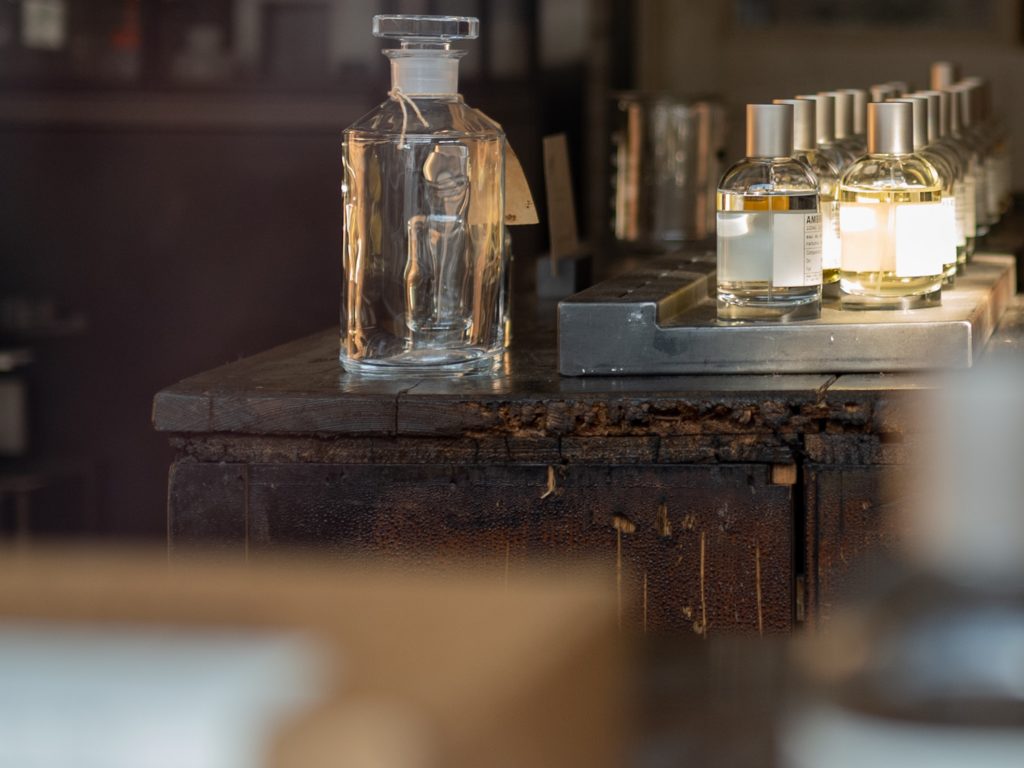
- Glass Bottles: Opt for dark amber or cobalt blue glass bottles with a tight-sealing cap. These protect your fragrances from light and air, preserving their quality.
- Fragrance Funnel: A small funnel can make pouring your oil blends into the bottles much easier, minimizing spills and waste.
- Labeling Materials: To keep track of your creations, use adhesive labels or tags to mark your bottles with the names and ingredients of each perfume.
- Safety Equipment: If you’re new to working with essential oils, consider wearing disposable gloves and safety glasses to protect your skin and eyes.
IV. 10 DIY Natural Perfume Recipes

Recipe 1: Citrus Sunshine Perfume
Ingredients:
- 6 drops Sweet Orange (Top Note)
- 3 drops Lemon (Top Note)
- 2 drops Bergamot (Top Note)
- 10 ml Jojoba Oil (Carrier Oil)
Instructions:
- Combine the essential oils in a clean glass container.
- Add 10 ml of jojoba oil.
- Cap the container and gently shake to blend the oils.
- Store the blend in an amber glass perfume bottle.
Characteristics: This fragrance is a burst of citrusy freshness that evokes the feeling of a sunny day. It’s perfect for lifting your spirits.
Recipe 2: Floral Elegance Perfume
Ingredients:
- 6 drops Lavender (Middle Note)
- 4 drops Rose (Middle Note)
- 2 drops Ylang-Ylang (Middle Note)
- 2 drops Frankincense (Base Note)
- 10 ml Sweet Almond Oil (Carrier Oil)
Instructions:
- Combine the essential oils in a clean glass container.
- Add 10 ml of sweet almond oil.
- Cap the container and gently shake to blend the oils.
- Store the blend in an amber glass perfume bottle.
Characteristics: This perfume exudes elegance with its combination of floral and resinous notes. It’s a romantic and calming scent.
Recipe 3: Woodsy Harmony Perfume
Ingredients:
- 4 drops Cedarwood (Base Note)
- 3 drops Sandalwood (Base Note)
- 3 drops Vetiver (Base Note)
- 2 drops Bergamot (Top Note)
- 10 ml Fractionated Coconut Oil (Carrier Oil)
Instructions:
- Combine the essential oils in a clean glass container.
- Add 10 ml of fractionated coconut oil.
- Cap the container and gently shake to blend the oils.
- Store the blend in an amber glass perfume bottle.
Characteristics: This perfume captures the serenity of a forest with its earthy and grounding aroma. It’s perfect for those who love woody scents.
Recipe 4: Romantic Rose Garden Perfume
Ingredients:
- 8 drops Rose (Middle Note)
- 4 drops Geranium (Middle Note)
- 2 drops Lavender (Middle Note)
- 10 ml Jojoba Oil (Carrier Oil)
Instructions:
- Combine the essential oils in a clean glass container.
- Add 10 ml of jojoba oil.
- Cap the container and gently shake to blend the oils.
- Store the blend in an amber glass perfume bottle.
Characteristics: This perfume is a floral delight, capturing the essence of a blooming rose garden. It’s a romantic and soothing fragrance.
Recipe 5: Refreshing Herbal Breeze Perfume
Ingredients:
- 6 drops Peppermint (Top Note)
- 4 drops Eucalyptus (Top Note)
- 2 drops Rosemary (Top Note)
- 2 drops Lemon (Top Note)
- 10 ml Sweet Almond Oil (Carrier Oil)
Instructions:
- Combine the essential oils in a clean glass container.
- Add 10 ml of sweet almond oil.
- Cap the container and gently shake to blend the oils.
- Store the blend in an amber glass perfume bottle.
Characteristics: This perfume offers a revitalizing and herbaceous scent, perfect for a pick-me-up during the day.
Recipe 6: Exotic Spices Perfume
Ingredients:
- 4 drops Patchouli (Base Note)
- 3 drops Clove (Base Note)
- 2 drops Cardamom (Middle Note)
- 2 drops Bergamot (Top Note)
- 10 ml Fractionated Coconut Oil (Carrier Oil)
Instructions:
- Combine the essential oils in a clean glass container.
- Add 10 ml of fractionated coconut oil.
- Cap the container and gently shake to blend the oils.
- Store the blend in an amber glass perfume bottle.
Characteristics: This fragrance combines the richness of spices with a touch of citrus for a unique, exotic, and warming scent.
Recipe 7: Fruity Delight Perfume
Ingredients:
- 6 drops Sweet Orange (Top Note)
- 4 drops Grapefruit (Top Note)
- 2 drops Neroli (Middle Note)
- 10 ml Jojoba Oil (Carrier Oil)
Instructions:
- Combine the essential oils in a clean glass container.
- Add 10 ml of jojoba oil.
- Cap the container and gently shake to blend the oils.
- Store the blend in an amber glass perfume bottle.
Characteristics: This perfume offers a burst of fruity and citrusy notes, creating a delightful and uplifting scent.
Recipe 8: Ocean Breeze Perfume
Ingredients:
- 5 drops Lavender (Middle Note)
- 3 drops Bergamot (Top Note)
- 2 drops Spearmint (Top Note)
- 10 ml Sweet Almond Oil (Carrier Oil)
Instructions:
- Combine the essential oils in a clean glass container.
- Add 10 ml of sweet almond oil.
- Cap the container and gently shake to blend the oils.
- Store the blend in an amber glass perfume bottle.
Characteristics: This perfume captures the essence of a cool ocean breeze with its fresh and invigorating fragrance.
Recipe 9: Sensual Vanilla Orchid Perfume
Ingredients:
- 5 drops Vanilla (Base Note)
- 3 drops Ylang-Ylang (Middle Note)
- 2 drops Jasmine (Middle Note)
- 10 ml Fractionated Coconut Oil (Carrier Oil)
Instructions:
- Combine the essential oils in a clean glass container.
- Add 10 ml of fractionated coconut oil.
- Cap the container and gently shake to blend the oils.
- Store the blend in an amber glass perfume bottle.
Characteristics: This perfume is a sensual blend of warm vanilla and exotic florals, perfect for romantic occasions.
Recipe 10: Clean and Fresh Perfume
Ingredients:
- 4 drops Lemon (Top Note)
- 3 drops Lime (Top Note)
- 3 drops Peppermint (Top Note)
- 10 ml Jojoba Oil (Carrier Oil)
Instructions:
- Combine the essential oils in a clean glass container.
- Add 10 ml of jojoba oil.
- Cap the container and gently shake to blend the oils.
- Store the blend in an amber glass perfume bottle.
Characteristics: This fragrance offers a clean and refreshing aroma with a zesty and minty profile.
V. Customization and Blending Tips
1. Experiment Fearlessly
Creating your own natural perfumes is an art, and like any art, it thrives on experimentation. Don’t be afraid to try different combinations of essential oils and carrier oils. The more you experiment, the better you’ll become at crafting the perfect scent.
2. Test Small Batches
When experimenting with new combinations, it’s wise to start with small batches. This way, you can avoid wasting your precious oils in case a particular blend doesn’t meet your expectations. It also allows you to fine-tune your recipe before committing to a larger batch.
3. Allow Blends to Mature
Perfume blends often change and improve with time. The initial scent you create may differ from the final result. As the oils blend and harmonize, the fragrance can become more well-rounded and appealing. Allow your blends to mature in a cool, dark place for a few weeks before evaluating them.
4. Record Your Recipes
Keeping a perfume journal is invaluable. Note down the exact combinations and ratios you use in each batch. This will help you recreate a scent you love or adjust it in the future. Include any observations about how the scent changes over time.
5. Balance and Layer Your Scents
Creating a well-balanced fragrance involves a combination of top, middle, and base notes. But don’t limit yourself to these categories. Layering scents can add depth and complexity to your perfume. For example, you can blend different middle notes to create a unique heart for your fragrance.
6. Think Seasonally
Consider the season or occasion when creating your perfume. Light, floral scents may be ideal for spring and summer, while richer, woody scents might be better suited for fall and winter. Matching your fragrance to the time of year can enhance the overall experience.
7. Personalize Your Scent
Remember that your perfume is a reflection of your personality and style. If you have favorite scents or specific memories associated with certain aromas, consider incorporating them into your perfume. Your fragrance should make you feel comfortable and confident.
8. Stay Open to Inspiration
Inspiration for your custom scent can come from unexpected places. A walk in nature, a favorite flower, or a cherished memory can all be sources of ideas. Keep your senses open and allow the world around you to inspire your creations.
VI. Storing and Packaging
Storing Your DIY Natural Perfumes
Proper storage is key to maintaining the integrity of your fragrances. Here are some essential tips for storing your natural perfumes:
- Cool, Dark Place: Store your perfumes in a cool, dark location, away from direct sunlight. Exposure to light can cause the essential oils to degrade and alter the scent.
- Sealed Glass Bottles: Always use sealed, dark glass bottles, such as amber or cobalt blue bottles, to store your perfumes. These bottles help protect the fragrances from both light and air.
- Avoid Temperature Extremes: Keep your perfumes at a consistent temperature. Extreme heat or cold can affect the quality and fragrance of your creations.
- Label Clearly: Label your bottles clearly with the name of the perfume and its ingredients. This not only helps you identify the scents but also makes them perfect for sharing or gifting.
- Keep Bottles Upright: Store your perfume bottles upright to prevent leakage and maintain their seals.
- Use a Perfume Tray: If you have multiple perfume bottles, consider using a decorative tray to display and store them. This adds a touch of elegance to your collection.
Creative Packaging Ideas
Packaging your DIY natural perfumes creatively can make them even more appealing. Here are some packaging ideas for personal use or gifting:
- Organza Bags: Place your perfume bottle in a small organza bag. These bags come in various colors and are perfect for adding a touch of elegance to your gift.
- Mini Wooden Crates: For a rustic touch, you can place your perfumes in small wooden crates. This packaging is perfect for a natural and earthy aesthetic.
- Decorative Glass Bottles: Consider transferring your perfume into unique, decorative glass bottles with intricate designs. These bottles can be works of art on their own.
- Personalized Labels: Create custom labels with your name or a personalized message for a more personal touch. This is especially great if you’re making perfumes as gifts.
- Repurposed Vintage Bottles: Explore thrift stores and antique shops for vintage bottles to give your perfumes unique and timeless packaging.
- Gift Boxes: Elegant gift boxes can provide a sophisticated and organized way to present your DIY natural perfumes as gifts.
- Ribbon and Twine: Tie a colorful ribbon or twine around the neck of the bottle to add a charming finishing touch.
VII. Safety and Allergen Considerations
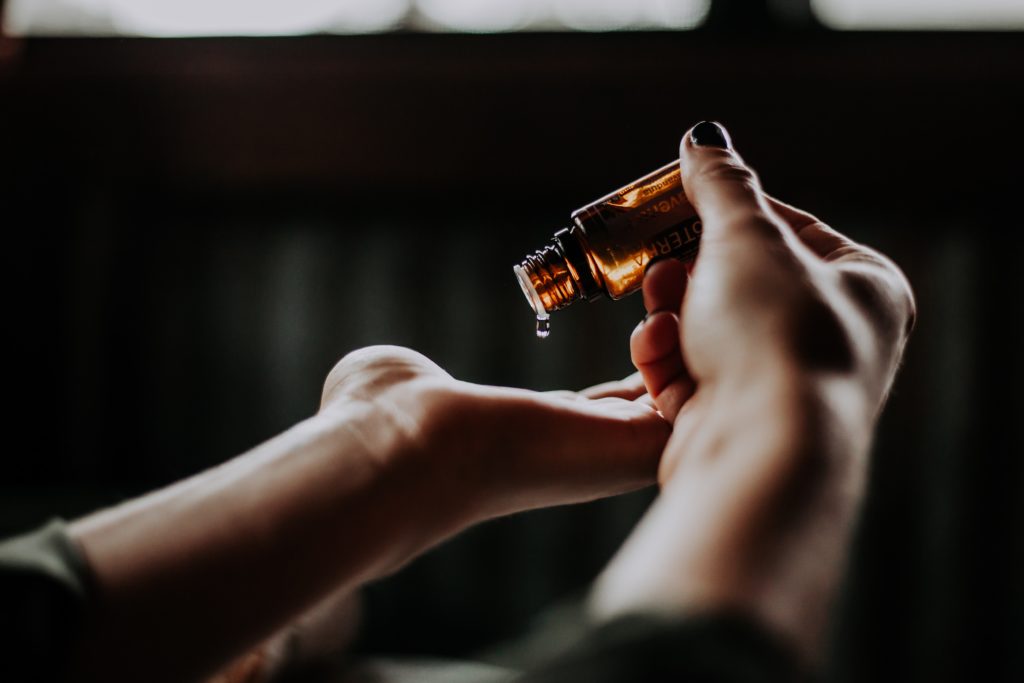
Allergen Information for Essential Oils
1. Patch Testing: Before applying any new fragrance to your skin, perform a patch test. Apply a small amount of the diluted perfume blend to a discreet area of your skin, such as the inner forearm. Wait for 24 hours to check for any allergic reactions or irritation.
2. Individual Sensitivities: Remember that everyone’s skin is different, and you may have individual sensitivities to specific essential oils. If you have a known allergy to a particular plant or tree, exercise caution when using essential oils derived from those sources.
3. Citrus Essential Oils: Some people may be sensitive to citrus essential oils, especially when exposed to sunlight. This sensitivity can cause skin reactions. If you plan to wear a citrus-based perfume, it’s wise to avoid direct sunlight on the applied areas or apply sunscreen.
4. Dilution is Key: Essential oils are highly concentrated, and applying them undiluted to the skin can lead to irritation or allergic reactions. Always dilute essential oils with a suitable carrier oil before applying them to your skin.
5. Pregnant or Nursing Individuals: If you are pregnant or nursing, consult with a healthcare professional before using essential oils. Some essential oils may not be safe during pregnancy or while nursing.
6. Keep Oils Out of Eyes and Mucous Membranes: Essential oils should never come into contact with your eyes or mucous membranes. If this occurs, flush with a carrier oil (such as olive or coconut oil), not water, to dilute the essential oil.
Precautions for Sensitive Skin or Allergies
1. Hypoallergenic Carrier Oils: If you have sensitive skin or known allergies, consider using hypoallergenic carrier oils like jojoba oil, which is less likely to cause skin reactions.
2. Patchouli Allergy: Patchouli is a common allergen, and some people may experience skin irritation or allergic reactions. If you have a known allergy to patchouli, avoid using it in your perfume blends.
3. Cinnamon and Clove Allergy: Cinnamon and clove essential oils can be irritating to the skin. If you have allergies or sensitive skin, it’s best to use these oils sparingly or avoid them altogether.
4. Nut Allergies: Some carrier oils, like sweet almond oil, are derived from nuts. If you have nut allergies, opt for carrier oils that are safe for your specific condition, such as fractionated coconut oil.
5. Perform a Skin Patch Test: Before applying any new perfume blend to a large area of your skin, perform a patch test, as mentioned earlier, to identify any adverse reactions.
Conclusion
Creating DIY natural perfumes using essential oils is a delightful journey into the world of fragrance. It allows you to craft unique scents, free from synthetic chemicals and tailored to your preferences. We hope this comprehensive guide has inspired you to explore the art of natural perfume making.
Remember, the key to crafting your signature scent is experimentation. So, get your essential oils, gather your supplies, and embark on a fragrant adventure that’s uniquely yours.
Frequently Asked Questions
1. How do you make natural perfume with essential oils?
To make natural perfume with essential oils, you’ll need essential oils, a carrier oil, and some mixing tools. Combine your selected essential oils in the right ratios, dilute them with carrier oil, and store the mixture in a glass bottle. Let it mature for a few weeks for the best results.
2. Which essential oil is good for perfume making?
Several essential oils are excellent for perfume-making, such as lavender, rose, sandalwood, and jasmine. Your choice should depend on your fragrance preference.
3. Can I just use essential oils as perfume?
Yes, you can use essential oils as perfume. However, it’s essential to dilute them with carrier oil to make them safe for direct skin application.
4. What ingredient makes perfume last longer?
Base notes, such as sandalwood and patchouli, help anchor the fragrance and make it last longer. Additionally, using a carrier oil can extend the longevity of your perfume.
5. How long do essential oil perfumes last?
The longevity of essential oil perfumes varies depending on factors like the type of oils used, concentration, and personal body chemistry. On average, they can last anywhere from 2 to 6 hours.
6. What makes essential oil smell longest?
Carrier oils, specifically those with lower volatility, can help essential oil fragrances last longer on the skin. Examples include jojoba oil and fractionated coconut oil.
7. What makes essential oil smell last longer?
A higher concentration of essential oils and using fixative scents like benzoin or vetiver can make the fragrance last longer.
8. How do you make essential oil perfume last all day?
To make essential oil perfume last all day, use a combination of top, middle, and base notes, a quality carrier oil, and apply it to pulse points like your wrists and neck. Reapply as needed throughout the day to refresh the scent.