


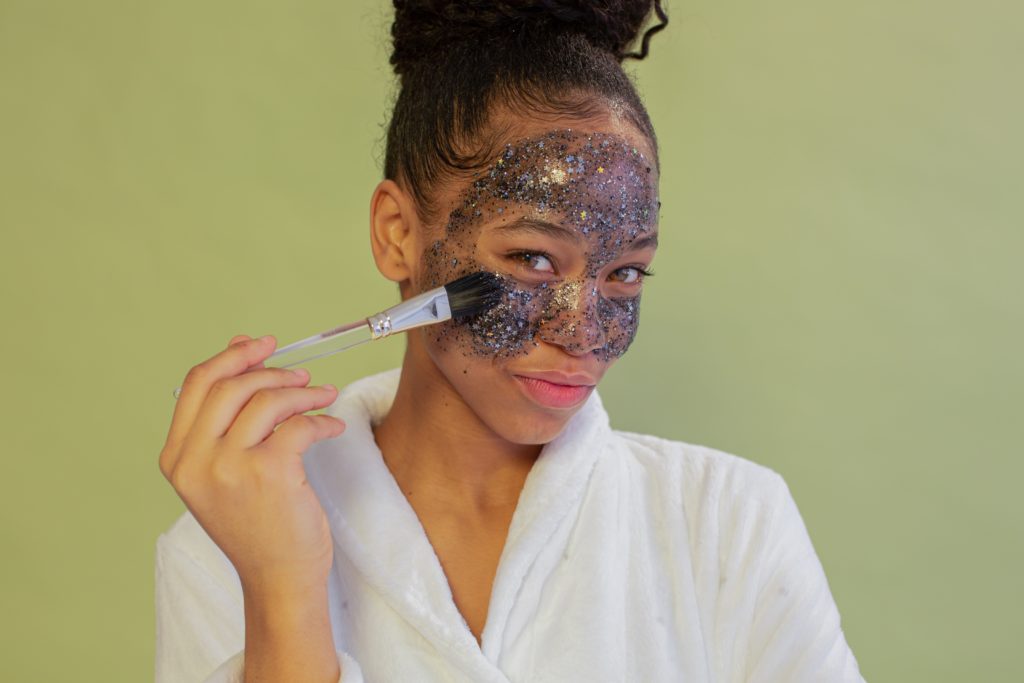
When it comes to achieving smooth, radiant skin, exfoliation plays a crucial role. By removing dead skin cells, exfoliation helps to unclog pores, improve skin texture, and enhance the absorption of skincare products. However, there are two main types of exfoliants available: chemical exfoliants and physical exfoliants.
Chemical exfoliants, such as alpha hydroxy acids (AHAs) and beta hydroxy acids (BHAs), work by dissolving the bonds between skin cells. On the other hand, physical exfoliants involve physically scrubbing or brushing the skin to remove dead cells.
The question arises: Are chemical exfoliants better than physical ones?
In this article, we will delve into the characteristics, effectiveness, potential side effects, and personal preferences to help you make an informed decision.
What are Chemical Exfoliants?
Chemical exfoliants, such as AHAs, BHAs, and enzymes, offer a gentle yet effective approach to exfoliation. AHAs, such as glycolic acid and lactic acid, work by loosening the bonds between skin cells, allowing them to be shed more easily.
BHAs, like salicylic acid, are oil-soluble and can penetrate deeper into the pores, making them suitable for addressing acne and blackheads. Enzymes, such as papain and bromelain, derived from fruits like papaya and pineapple, break down the proteins in dead skin cells. Chemical exfoliants promote cell turnover, revealing fresher, brighter skin.
Benefits of Chemical Exfoliants
- Effective at deep exfoliation: Chemical exfoliants have the ability to penetrate deeper into the skin compared to physical exfoliants. They can reach the dermis, the second layer of the skin, resulting in a more thorough exfoliation and the potential for improved skin texture.
- Suitable for various skin types: Chemical exfoliants can be formulated at different strengths, making them suitable for various skin types and concerns. Mild formulations are available for sensitive skin, while stronger concentrations can address stubborn hyperpigmentation and fine lines.
- Addressing specific skin concerns: Chemical exfoliants offer targeted solutions for specific skin concerns. AHAs are known to effectively address hyperpigmentation and uneven skin tone, while BHAs are particularly beneficial for those with acne-prone or congested skin.
What are Physical Exfoliants?
Physical exfoliants involve manually scrubbing or brushing the skin to physically remove dead skin cells. They can come in the form of scrubs with granules, brushes, or sponges. Physical exfoliation provides an immediate sensation of smoothness and can be particularly satisfying for those who prefer a hands-on approach to skincare.
Benefits of Physical Exfoliants
- Immediate sensation of smoothness: Physical exfoliation can provide instant gratification by leaving the skin feeling smooth and polished after use. The physical action of scrubbing helps to physically remove dead skin cells, resulting in a smoother complexion.
- Ability to manually target areas: Physical exfoliants allow for precise targeting of specific areas or concerns. By using an exfoliant scrub or a brush, you can concentrate on rough patches or areas that require extra attention.
Comparing the Effectiveness
When it comes to the effectiveness of chemical and physical exfoliants, several factors come into play.
1. Efficacy in Exfoliation
- Depth of exfoliation: Chemical exfoliants can penetrate deeper into the skin, reaching the dermis and providing a more thorough exfoliation compared to physical exfoliants, which primarily work on the surface.
- Removal of dead skin cells: Both chemical and physical exfoliants effectively remove dead skin cells, but chemical exfoliants have an advantage in targeting hard-to-reach areas and promoting overall cell turnover.
2. Suitability for Different Skin Types
- Sensitivity and irritation: Physical exfoliants, especially those with coarse particles or aggressive scrubbing, can potentially irritate sensitive skin or cause micro-tears. Chemical exfoliants, when used correctly and at appropriate concentrations, can be gentler on sensitive skin.
- Acne-prone or congested skin: BHAs, a type of chemical exfoliant, have oil-soluble properties that allow them to penetrate the pores and help combat acne and congestion. Physical exfoliants can also provide some benefits for acne-prone skin, but care must be taken to avoid exacerbating inflammation.
3. Addressing Specific Skin Concerns
- Hyperpigmentation: Chemical exfoliants, particularly AHAs, are known for their ability to target hyperpigmentation and promote a more even skin tone. Physical exfoliants may help to some extent by removing the top layer of dead skin cells, but chemical exfoliants are more effective in addressing pigmentation issues.
- Fine lines and wrinkles: Chemical exfoliants stimulate cell turnover and promote collagen production, which can help improve the appearance of fine lines and wrinkles. Physical exfoliants can provide temporary smoothing, but the long-term benefits are better achieved with chemical exfoliants.
Considering Potential Side Effects
While both chemical and physical exfoliants offer numerous benefits, it’s important to be aware of potential side effects and use them appropriately.
1. Irritation and Sensitivity
Chemical exfoliants, especially at higher concentrations, can cause skin irritation, redness, and peeling if not used correctly or if the skin’s tolerance is exceeded.
Physical exfoliants, particularly those with harsh particles or excessive scrubbing, can lead to irritation, micro-tears, and skin sensitivity.
2. Over-exfoliation and Damage to the Skin Barrier
Using exfoliants too frequently or combining multiple exfoliating products can lead to over-exfoliation, resulting in a compromised skin barrier, increased sensitivity, and dryness.
Vigorous physical exfoliation or using abrasive tools can also disrupt the skin barrier, leading to moisture loss and potential inflammation.
3. Photosensitivity and Sun Protection
Chemical exfoliants, such as AHAs, can increase the skin’s sensitivity to the sun. Using sunscreen and protecting the skin from harmful UV rays is crucial when incorporating chemical exfoliants into your skincare routine.
Physical exfoliants do not have the same photosensitizing effects, but wearing sunscreen daily to protect the skin from sun damage is still important.
The Importance of Personal Preferences
Ultimately, the choice between chemical and physical exfoliants comes down to personal preference, skin type, and individual needs.
- Individual skin type and tolerance: Consider your skin type, sensitivity, and any specific concerns you want to address. Some individuals may find that chemical exfoliants are better suited to their needs, while others prefer the immediate results and tactile experience of physical exfoliation.
- Desired exfoliation experience: Chemical exfoliation tends to be more gentle and less abrasive, providing a more controlled and gradual process. Physical exfoliation offers a more hands-on approach, giving a satisfying feeling of manual exfoliation.
- Skincare routine and other products used: Take into account your overall skincare routine and the products you use. Chemical exfoliants may work synergistically with other active ingredients, while physical exfoliants can complement a simpler skincare routine.
Conclusion
In the debate of chemical exfoliants versus physical exfoliants, both have their merits. Chemical exfoliants offer effective and targeted exfoliation, making them suitable for a wide range of skin types and concerns. They can address hyperpigmentation, acne, and texture issues with long-term benefits.
On the other hand, physical exfoliants provide immediate results and a tactile experience, allowing for precise targeting of specific areas. However, they should be used with caution to avoid over-exfoliation and potential skin damage.
When deciding between chemical and physical exfoliants, it’s essential to consider your individual skin type, sensitivity, and desired exfoliation experience. It’s also crucial to follow proper usage guidelines, be aware of potential side effects, and listen to your skin’s response.
Experimentation and seeking professional advice can help you find the exfoliation method that best suits your needs, leading to a healthier, more radiant complexion. Remember, skincare is a personal journey, and finding what works for you is key to achieving your skincare goals.
FAQs
1. Are chemical exfoliants or physical exfoliants better for sensitive skin?
Chemical exfoliants, when used correctly and at appropriate concentrations, are generally better for sensitive skin as they are less likely to cause irritation or micro-tears.
2. Can physical exfoliants provide the same level of exfoliation as chemical exfoliants?
Physical exfoliants can provide surface-level exfoliation, but chemical exfoliants have the advantage of penetrating deeper into the skin for a more thorough exfoliation.
3. Which exfoliant is more suitable for acne-prone skin?
BHAs, a type of chemical exfoliant, are particularly beneficial for acne-prone skin as they can penetrate the pores and help unclog them. However, physical exfoliants can also provide some benefits, but gentle formulations and caution are necessary.
4. Can chemical exfoliants help with anti-aging concerns?
Yes, chemical exfoliants, especially AHAs, can help improve the appearance of fine lines and wrinkles by stimulating cell turnover and promoting collagen production.
5. How often should I exfoliate with chemical or physical exfoliants?
The frequency of exfoliation depends on your skin type, tolerance, and the specific product used. It’s best to start with a lower frequency and gradually increase if your skin tolerates it well.
6. Can I use both chemical and physical exfoliants in my skincare routine?
It is generally recommended to avoid using both chemical and physical exfoliants on the same day to prevent over-exfoliation. Instead, alternate between the two methods to give your skin time to recover and regenerate.